What techniques are used for cleaning different types of roof materials?
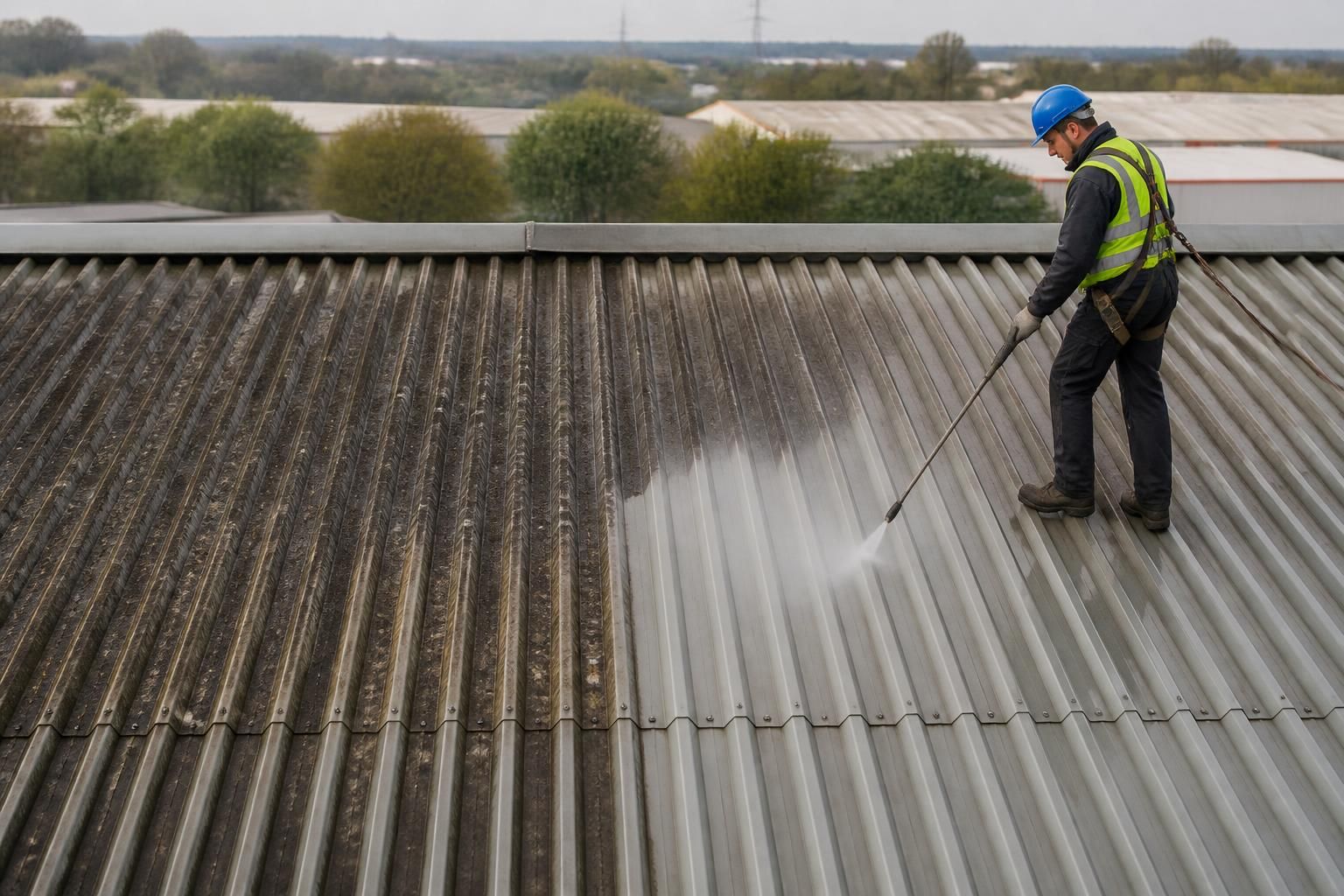
Roof cleaning techniques are selected according to the material, condition and access requirements: clay and concrete tiles are commonly treated with low-pressure washing or soft washing, slate is cleaned gently to avoid damage, and metal roofs may require controlled pressure washing with suitable detergents. Flat membranes and coated surfaces generally need low-pressure cleaning and compatible biocide treatments, with the method adjusted to remove moss, algae, dirt or staining without affecting the roof finish.
Roof cleaning techniques must be matched to the roof material, its condition and the type of contamination present. Clay and concrete tiles can often be cleaned using controlled low-pressure washing or soft washing; slate requires a gentler approach; metal roofs need carefully regulated pressure and compatible detergents; while flat membranes, coated systems and asphalt-based coverings generally require low-pressure cleaning to protect the surface and its joints.
Before cleaning starts, the roof should be inspected to identify loose or broken materials, failed pointing, exposed fixings, damaged coatings, blocked drainage routes and areas that may not safely support access equipment. The method is then selected to remove dirt, moss, algae, lichen, bird fouling or atmospheric staining without forcing water beneath laps, damaging the finish or dislodging roofing components.
Clay and concrete tiles: These materials are relatively robust, but excessive pressure can strip the surface, erode the profile and drive water beneath the tiles. A controlled pressure wash may be suitable where the tiles are sound and firmly fixed. The operator works systematically across the roof, usually directing water away from overlaps and vulnerable edges. Where the roof is weathered, heavily colonised by organic growth or close to sensitive adjoining surfaces, a soft wash or low-pressure detergent application is often more appropriate. Remaining moss and staining can then be treated with a compatible biocide, allowing the treatment to continue working after the initial clean.
Slate: Slate is durable but can split, delaminate or become dislodged if it is struck with excessive pressure. Cleaning is therefore normally carried out with a gentle, controlled method, using low-pressure water and, where appropriate, a suitable treatment for algae, moss and lichen. Operators should avoid standing directly on fragile slate and should take care around nail holes, slipped slates, ridge details and flashings. If the slates are already deteriorated, cleaning may need to be limited or postponed until repairs have been completed.
Metal roofing: Steel, aluminium and other metal systems are commonly cleaned with low or moderate controlled pressure, depending on the coating, profile and condition of the panels. A compatible detergent can help loosen traffic film, industrial deposits, algae and bird fouling before rinsing. The cleaning method must account for corroded fixings, open seams, damaged paint, roof lights and vulnerable sealants. Abrasive tools and aggressive chemicals should be avoided because they can scratch protective coatings or accelerate corrosion. On coated metal roofs, a small test area helps confirm that the detergent and pressure will not affect the finish.
Flat roofs and membrane systems: Single-ply membranes, liquid-applied systems, felt and other flat-roof coverings are usually cleaned with low-pressure methods rather than high-pressure washing. Water can enter at seams, edge trims, outlets and penetrations if it is applied too forcefully. Surface dirt is generally removed using controlled rinsing and compatible detergents, while moss and algae may be managed with a suitable biocide treatment. Drainage outlets must be protected from debris during the work and checked afterwards so that loosened contamination does not cause blockages.
Asphalt-based and mineral-finished coverings: These surfaces need particular care because aggressive pressure can disturb the mineral layer or damage exposed areas. Cleaning is normally limited to gentle low-pressure washing, soft washing or treatment-led removal, depending on the manufacturer’s requirements and the roof’s condition. The aim is to remove biological growth and surface contamination without lifting granules, opening seams or reducing the covering’s weather resistance.
Roof coverings with coatings or protective finishes: Painted, sealed or otherwise coated roofs should be cleaned with products confirmed as suitable for that coating. Some detergents can dull, soften or discolour a finish, even when the underlying roof material is unaffected. Rinsing should be thorough but controlled, and a test patch should be used where the coating, age or previous maintenance history is uncertain.
The main techniques used across these materials include:
- Low-pressure washing: Controlled water pressure removes loose dirt and biological growth while reducing the risk of damage associated with high-pressure cleaning.
- Soft washing: A low-pressure application of water and a suitable cleaning solution loosens contamination rather than relying solely on force. This is useful for delicate or weathered surfaces.
- Steam cleaning: Heated water can help remove stubborn organic deposits and staining with limited mechanical pressure. It must still be controlled carefully around membranes, coatings, sealants and vulnerable details.
- Biocide treatment: A compatible treatment can help address moss, algae and lichen that remain embedded after surface cleaning. Application rates, dwell time, runoff controls and surrounding vegetation must be considered.
- Manual removal: Small amounts of moss or debris may be removed by hand using non-abrasive tools, particularly around fragile slates, flashings and roof fixtures.
Cleaning should also protect the wider building. Guttering, outlets, roof lights, vents, wall finishes, vehicles, planted areas and pedestrian routes may need screening or temporary protection. Runoff should be controlled so that loosened moss, detergent and contaminated water do not enter drainage systems or affect neighbouring areas. Afterward, the roof should be checked for remaining debris, clear outlets, disturbed components and any defects that need reporting.
The correct method is determined by the material, roof pitch, age, coating, level of deterioration, access arrangements and contamination. A pressure setting that is acceptable for sound concrete tiles may be unsuitable for slate, a coated metal panel or a flat membrane. For that reason, professional roof cleaning should begin with a material-specific inspection and, where necessary, a test clean before the full area is treated.
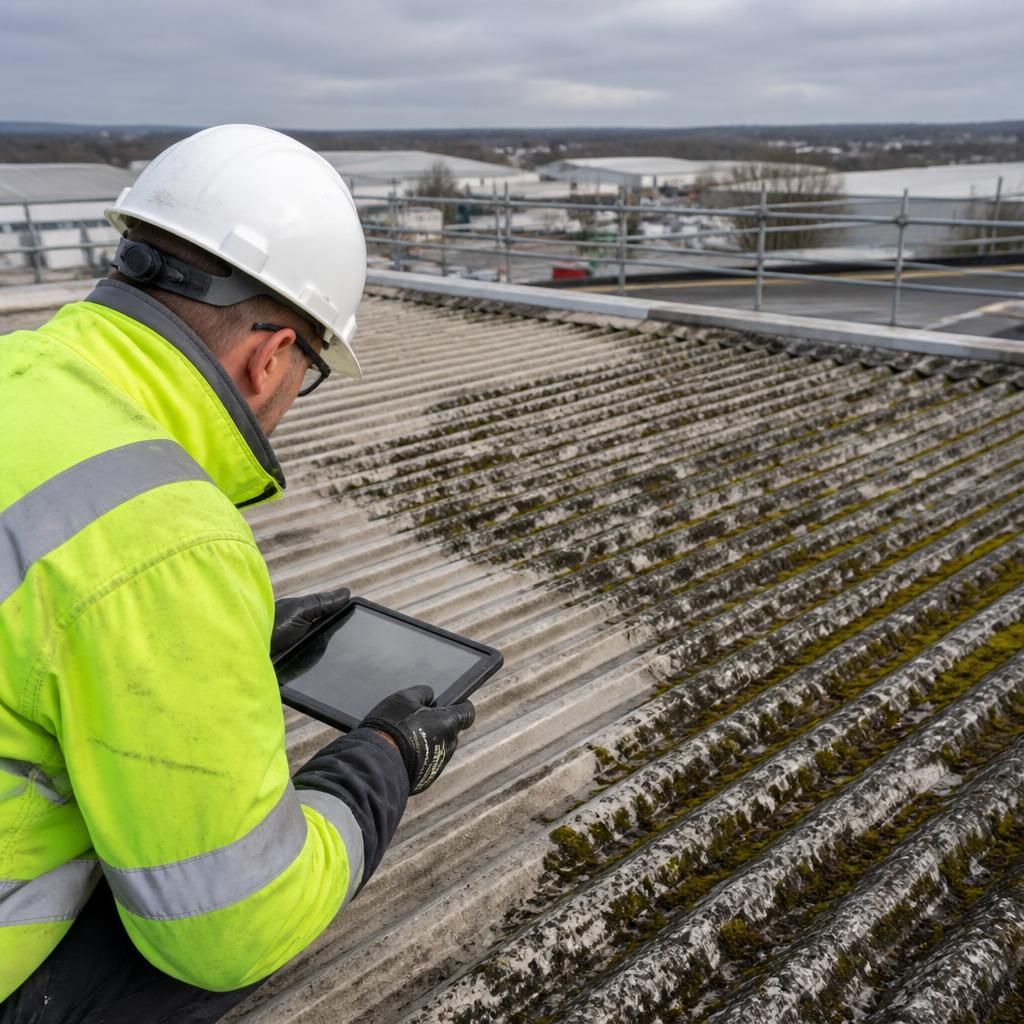
The safest roof cleaning method is confirmed by inspecting the material and testing a small area first. This allows the operator to check how the surface, coating and existing defects respond to the chosen pressure, detergent or steam treatment before work begins across the full roof. It also helps prevent damage to slate, mineral finishes, protective coatings, membrane joints and weathered tiles.
Arrange a Professional Roof Cleaning Assessment
Arrange a professional roof cleaning assessment to confirm the safest technique for your roof material, condition and access requirements. We can recommend a suitable cleaning and treatment approach before work begins.
For a free quote & consultation
Contact usAccreditations