
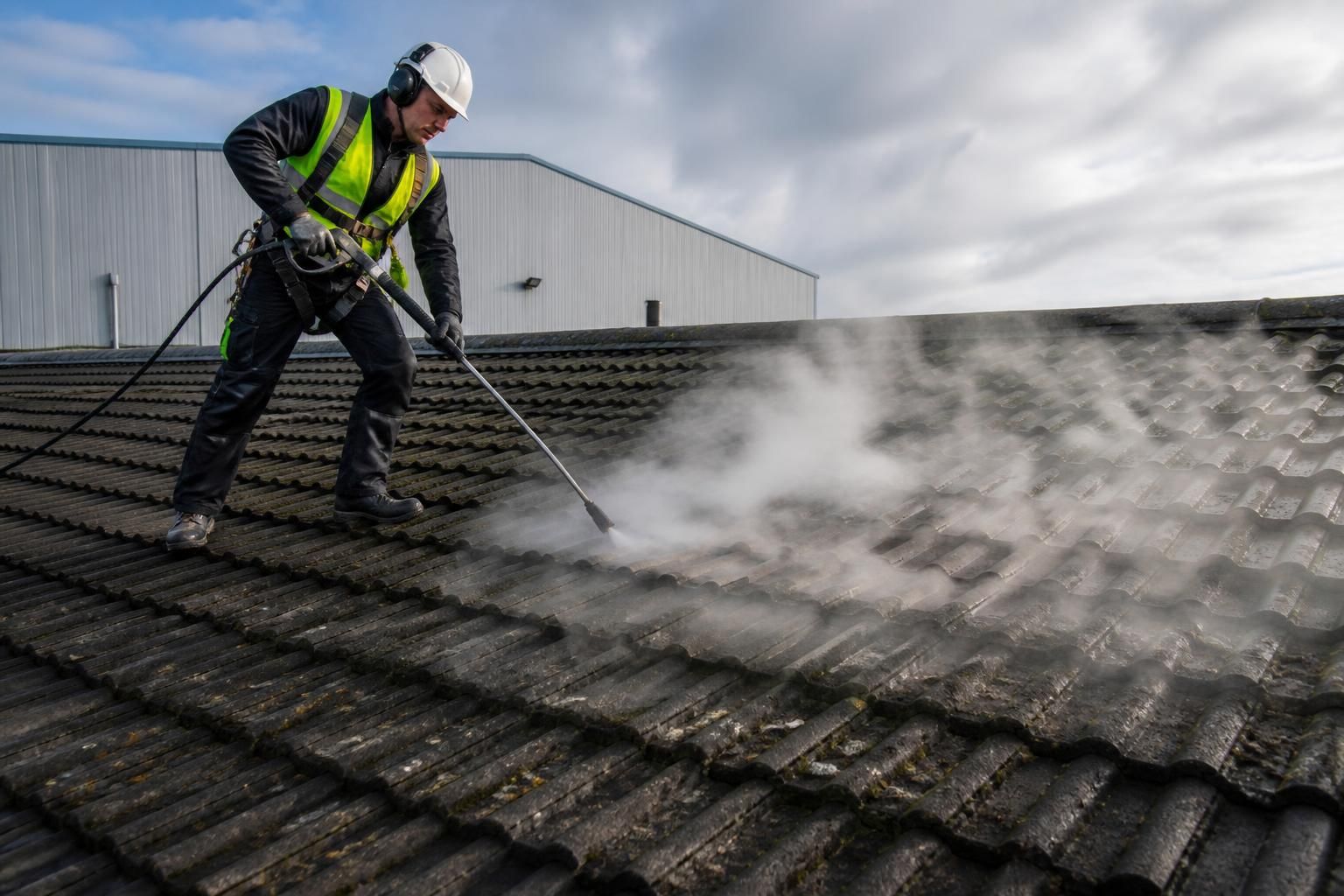
What is the cost implication of steam cleaning roof tiles compared to other cleaning methods, and what factors influence the pricing?
Steam cleaning roof tiles usually costs more than standard pressure washing or soft washing because it requires specialist equipment, controlled application and often more careful, time-intensive work. Pricing is influenced by the roof’s size, tile material and condition, access requirements, contamination, safety measures, travel and whether follow-up treatments or repairs are needed.
Steam cleaning roof tiles generally has a higher initial cost than standard pressure washing and may cost more than soft washing because it uses specialist equipment, controlled heat, slower application and additional safety measures. The final price depends less on the cleaning method alone than on the time, access, preparation and level of contamination involved. A like-for-like quotation should therefore compare the full scope of work, rather than simply the headline cost per square metre.
How the methods compare
- Steam cleaning: uses heated water at controlled pressure to remove moss, algae, dirt and other deposits while reducing the need for aggressive mechanical force or strong chemicals. It is often selected for older, delicate or heavily contaminated roofs where limiting pressure is important. The process can be labour-intensive, particularly where deposits need to be treated carefully around tile edges, ridges, valleys and roof details.
- Pressure washing: is often quicker and less expensive as an initial cleaning method, especially on large, accessible areas. However, unsuitable pressure or poor technique can dislodge tiles, damage surfaces, drive water beneath coverings or remove protective finishes. Any quotation should confirm that the equipment and pressure will be appropriate for the specific tile type and condition.
- Soft washing: usually relies on low-pressure application of cleaning solutions, followed by rinsing or allowing the treatment to work over time. It can be cost-effective for biological growth and surfaces that should not be subjected to high pressure, although chemical selection, dwell time, rinsing requirements and follow-up visits affect the overall price.
- Manual cleaning: may have a lower equipment cost but can require considerable labour. It is sometimes combined with steam cleaning to deal with thick moss, fragile areas or detailed roof features. Removing growth by hand also creates a need to manage debris safely and prevent it entering gutters or drainage systems.
A cheaper method is not necessarily the lower-cost option over the life of the roof. If aggressive cleaning causes cracked tiles, disturbed pointing, damaged coatings or water ingress, repair and disruption costs can outweigh the original saving. Conversely, steam cleaning is not automatically the right choice for every roof. The material, construction, condition and access should be assessed before a method is specified.
Factors that influence the price
- Roof size and layout: Larger roof areas normally require more labour, water, fuel and time. A simple roof plane is quicker to clean than a roof with multiple pitches, dormers, hips, valleys, ridges, rooflights, plant or other obstructions.
- Tile material and surface condition: Concrete, clay, slate and coated or painted tiles have different cleaning tolerances. Brittle, porous, weathered or previously damaged tiles need slower work and closer control. A roof may also require a test area before the full method is approved.
- Amount and type of contamination: Light surface dirt can be removed more quickly than established moss, lichen, algae, bird fouling, atmospheric staining or embedded deposits. Thick growth may need initial scraping, collection and separate treatment before steam is applied.
- Access and height: Safe access is a major pricing consideration. Scaffolding, towers, edge protection, roof ladders, temporary walkways, lifting equipment or other access systems may be required. Restricted access, fragile ground, adjoining buildings and obstacles can increase set-up and dismantling time.
- Health and safety controls: A competent contractor must consider work at height, slip hazards, falling debris, public areas, nearby roads and the protection of people, vehicles and building occupants. More complex sites require additional planning, exclusion zones, supervision and protective measures.
- Water, drainage and waste management: Steam cleaning still produces runoff and loosened debris. Protecting walls, windows, landscaping and drainage systems, clearing gutters and removing contaminated waste may be included in the price or quoted separately.
- Site location and logistics: Travel distance, parking, water supply, power availability, equipment positioning and the time needed to mobilise specialist machinery can affect the quotation, particularly on remote or restricted commercial sites.
- Additional treatments: A biocidal treatment, stain treatment, protective coating or preventative treatment may be recommended after cleaning. These are separate operations with their own preparation, application and curing requirements and should be clearly identified in the scope.
- Repairs and remedial work: Cleaning can reveal broken or slipped tiles, defective flashing, damaged ridge mortar, blocked gutters or failed sealants. A professional cleaning quotation should distinguish cleaning from repairs rather than assuming remedial work is included.
- Contract requirements: Commercial and managed properties may require risk assessments, method statements, permits, insurance documentation, out-of-hours working, tenant liaison or phased completion. These requirements can add time even where the physical roof area is modest.
What a useful quotation should include
A reliable quotation should be based on a site inspection or suitable survey information rather than roof area alone. It should state the proposed cleaning method, the areas included, the expected preparation, access arrangements, protection of surrounding surfaces, management of runoff and debris, and whether gutters will be cleared. It should also identify any exclusions, such as tile replacement, repointing, waterproofing repairs or removal of extensive waste.
It is reasonable to ask whether a test clean will be carried out, how the contractor will control pressure and temperature, and what precautions will be taken around fragile tiles, rooflights, flashing and penetrations. The quotation should explain whether the price covers only the initial clean or also includes a biocidal treatment, protective finish, inspection report or return visit.
Assessing value rather than price alone
Steam cleaning can represent better value where protecting the existing roof is a priority, where chemical use needs to be limited, or where a controlled process is more suitable than high-pressure cleaning. Its value also depends on the quality of preparation and the condition of the roof before work starts. No cleaning method can restore tiles that have already failed, and cleaning will not prevent future biological growth indefinitely if the roof remains shaded, damp or poorly drained.
For a fair comparison, request quotations based on the same roof areas and the same inclusions. Compare the proposed method, access and safety arrangements, preparation, waste handling, aftercare and exclusions as well as the initial price. The most appropriate option is the one that cleans the tiles effectively while managing the risk of damage and avoiding unnecessary remedial costs.
Before work begins, any known leaks, fragile areas, previous coatings, repaired sections and access restrictions should be disclosed. This allows the cleaning method and price to be assessed accurately and helps separate essential roof maintenance from optional treatments.
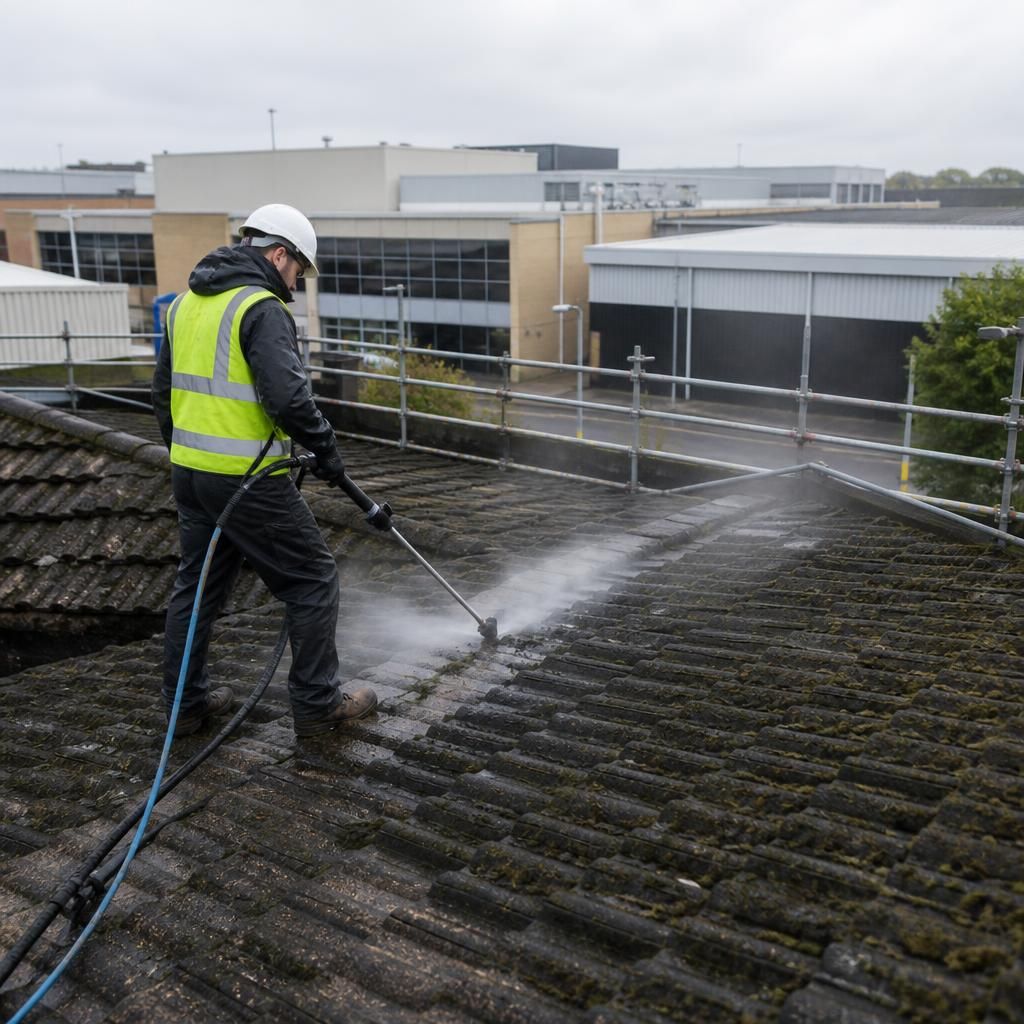
Steam cleaning roof tiles often has a higher initial price than pressure washing because it uses specialist equipment, controlled heat, slower application and careful access arrangements. However, the most meaningful comparison is the total cost of the work, including preparation, safety controls, debris removal, aftercare and any remedial work identified during cleaning.
A lower-cost method may provide poor value if excessive pressure damages tiles, dislodges pointing or allows water beneath the roof covering. When reviewing quotations, compare the same roof areas and confirm what is included: access equipment, protection of surrounding surfaces, gutter and waste management, biocidal treatments, inspections and exclusions. This shows whether steam cleaning is the more suitable option for protecting the roof and limiting avoidable repair costs.
Request a Detailed Roof Cleaning Quote
Request a detailed roof cleaning quote from Encanto Exterior Cleaning, based on your roof’s size, tile condition, access requirements and contamination. We will clarify the proposed method, safety arrangements, waste management, aftercare and any exclusions before work begins.