
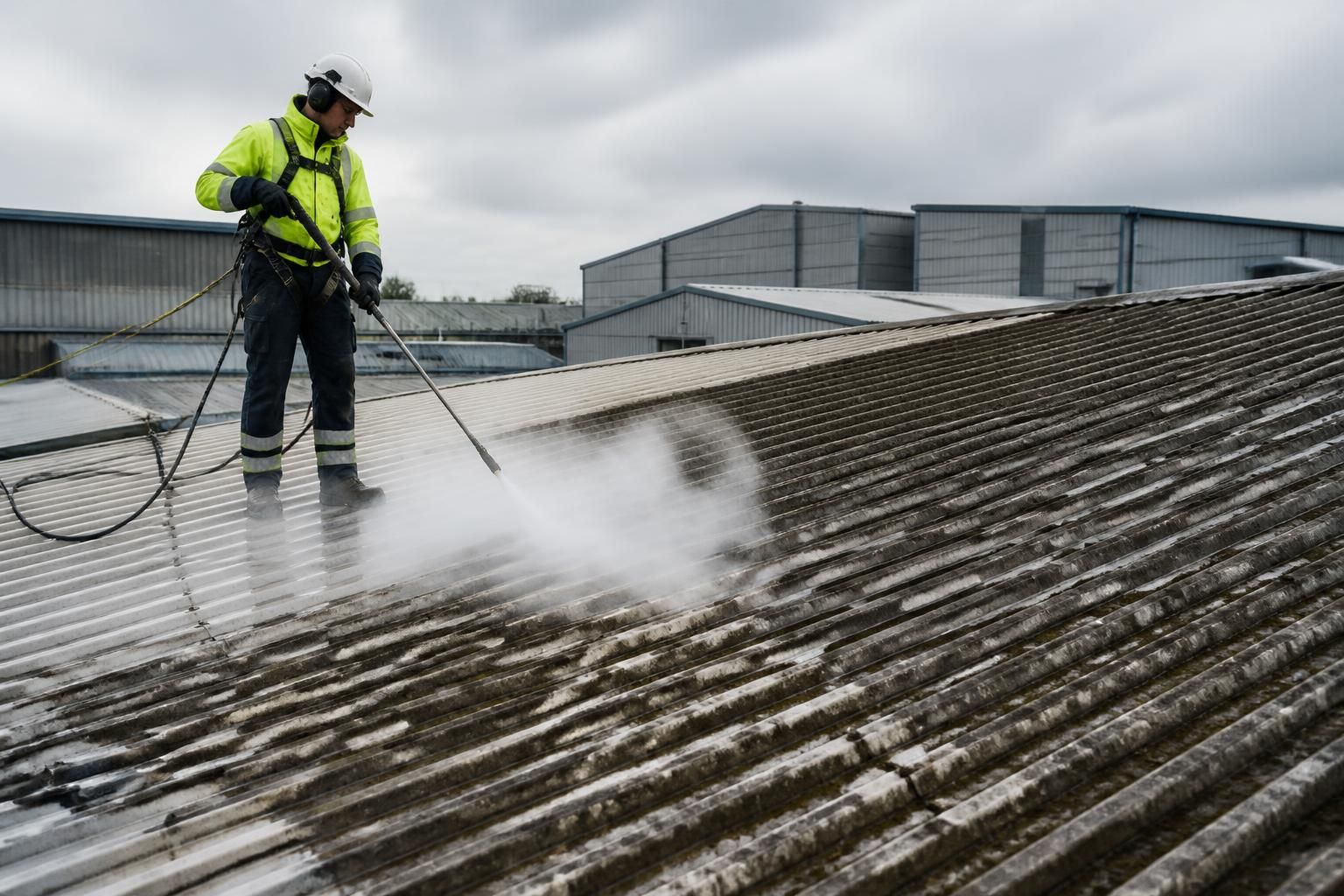
What factors should be considered when selecting a professional service for steam cleaning roof tiles?
When selecting a professional roof tile steam cleaning service, consider the contractor’s experience with your roof type, suitability of their equipment and methods, safe access procedures, insurance, and evidence of comparable completed work. A reliable provider should inspect the roof beforehand, explain any risks and limitations, provide a clear written quotation, and outline aftercare recommendations.
Selecting a professional service for steam cleaning roof tiles should be based on the contractor’s experience with the specific roof, the suitability of the proposed steam-cleaning method, safe access arrangements, insurance, environmental controls and the quality of the written quotation. A reputable provider will inspect the roof before work begins, identify possible risks and limitations, and explain exactly how the tiles, surrounding areas and any existing defects will be treated.
Experience with the roof type and condition
Roof tiles vary in material, finish, age and condition. Concrete, clay, slate and coated or painted tiles may respond differently to heat, moisture and cleaning pressure. The contractor should be able to assess whether steam cleaning is appropriate for the particular tiles rather than applying one standard process to every roof.
The inspection should consider cracked, loose, delaminated, porous or previously repaired tiles, as well as the condition of ridge tiles, mortar joints, flashings, valleys, verges and roof coverings around penetrations. Moss and organic growth can sometimes conceal defects, so cleaning may reveal the need for repairs rather than resolve the underlying problem. A suitable contractor will identify these issues before work starts and distinguish cleaning from roofing repairs.
Ask whether the provider has completed comparable work on similar roof coverings and property types. Experience with commercial premises, managed sites or larger buildings can also be important where there are occupied areas, restricted access, sensitive neighbouring properties or requirements to coordinate with other contractors.
Pre-cleaning inspection and method statement
A proper survey should lead to a clear method statement or written description of the proposed works. This should explain the equipment to be used, the expected steam temperature or operating approach where relevant, how the work will be carried out, and how particularly fragile areas will be protected.
The contractor should explain whether loose moss and debris will be removed manually before steam cleaning, how difficult areas will be treated, and whether any biocidal or protective treatment is recommended afterwards. Any additional treatment should be discussed separately, including its purpose, compatibility with the roof and environmental precautions.
Be cautious if a provider promises that steam cleaning will make every tile look new or remove all staining without qualification. Weathering, permanent discolouration, lichen marks and damaged finishes may not be fully reversible. A reliable assessment sets out what the process is expected to achieve and what it cannot safely achieve.
Suitable equipment and controlled cleaning
Steam cleaning equipment must be appropriate for roof work and capable of being controlled around fragile tiles, mortar and roof details. The contractor should understand that heat does not remove the need for care. Excessive heat, prolonged application or poor technique can affect some finishes, loosen weak materials or drive water into vulnerable areas.
Ask how the operator will control the steam and how they will test a small, representative area before proceeding across the roof. The test should help confirm the effect on the tile surface and identify whether the chosen method is likely to cause marking, damage or unwanted water ingress. Equipment should be maintained, operated by trained personnel and used in accordance with the manufacturer’s instructions.
Cleaning should also protect gutters, downpipes, roof lights, vents, solar equipment, wall finishes, windows and other nearby surfaces. The quotation or method statement should explain how dislodged moss, silt and wastewater will be contained and removed rather than allowed to enter drainage systems or adjacent land.
Safe access and site management
Roof cleaning is work at height, so safe access is a key factor in selecting a contractor. The provider should assess the roof’s pitch, edge protection, fragile areas, access points, ground conditions and the position of vehicles or lifting equipment. Depending on the building, suitable arrangements may involve scaffolding, towers, edge protection, roof ladders, mobile access equipment or other controlled systems.
Do not select a service solely because it intends to work from ladders or because its price is lower. The correct access solution depends on the site and must allow operatives to work without placing unnecessary loads on tiles or walking across areas that may be fragile. The contractor should provide suitable risk assessments and method statements, explain exclusion zones, and plan for falling debris, public access, vehicles and people entering or leaving the building.
For commercial sites, confirm how the work will be coordinated with the responsible person on site. Requirements may include induction procedures, permits, isolation of nearby equipment, protection of entrances and communication with tenants, staff or visitors.
Insurance, competence and compliance
Check that the contractor holds appropriate insurance for the work, including public liability cover and employers’ liability cover where applicable. You can also ask for evidence of relevant training, competence and safe systems of work. Insurance does not by itself prove technical ability, but the absence of suitable cover is a significant warning sign.
The service provider should be willing to provide risk assessments, method statements and product information for any treatment used. Where cleaning may affect drainage, landscaping or sensitive areas, ask what controls will be used to prevent contamination and how waste will be handled. A professional contractor should be able to answer these questions clearly rather than treating them as unnecessary administration.
Clear quotation and scope of work
A written quotation should describe the roof areas included, the proposed cleaning method, access arrangements, preparation, collection of debris, protection of surrounding surfaces and removal of equipment. It should also identify any exclusions, such as tile replacement, repointing, gutter repairs or treatment of areas that cannot be safely accessed.
Check whether the price includes inspection, setup, access equipment, waste handling and aftercare. If the contractor identifies possible repairs, the quotation should separate those works from cleaning so that you can make an informed decision. A vague price based only on a brief visual estimate may change once access or roof condition is assessed.
Evidence of comparable work and communication
Ask for suitable references, photographs or case examples relating to similar roof materials and working conditions. Evidence should demonstrate the quality of the finished work without relying solely on heavily edited images. It is also useful to establish who will supervise the work, how changes will be approved and who to contact if an issue is found during cleaning.
Good communication before the work is a practical indicator of how the project will be managed. The contractor should explain likely disruption, weather limitations, protection of occupied areas and what will happen if defective tiles or unsafe conditions are discovered.
Aftercare and maintenance advice
Steam cleaning removes existing contamination but does not prevent future moss, algae or lichen growth indefinitely. The provider should explain whether a compatible treatment is recommended, how often the roof should be inspected and which maintenance tasks can be completed without damaging the tiles. Advice may include keeping gutters clear, checking drainage, removing overhanging vegetation and arranging periodic visual inspections.
Before appointing a service, compare contractors on technical suitability and risk management rather than price alone. The strongest choice is one that understands the roof covering, proposes a controlled method, provides safe access and documentation, gives a transparent quotation, and sets realistic expectations about the finished result and future maintenance.
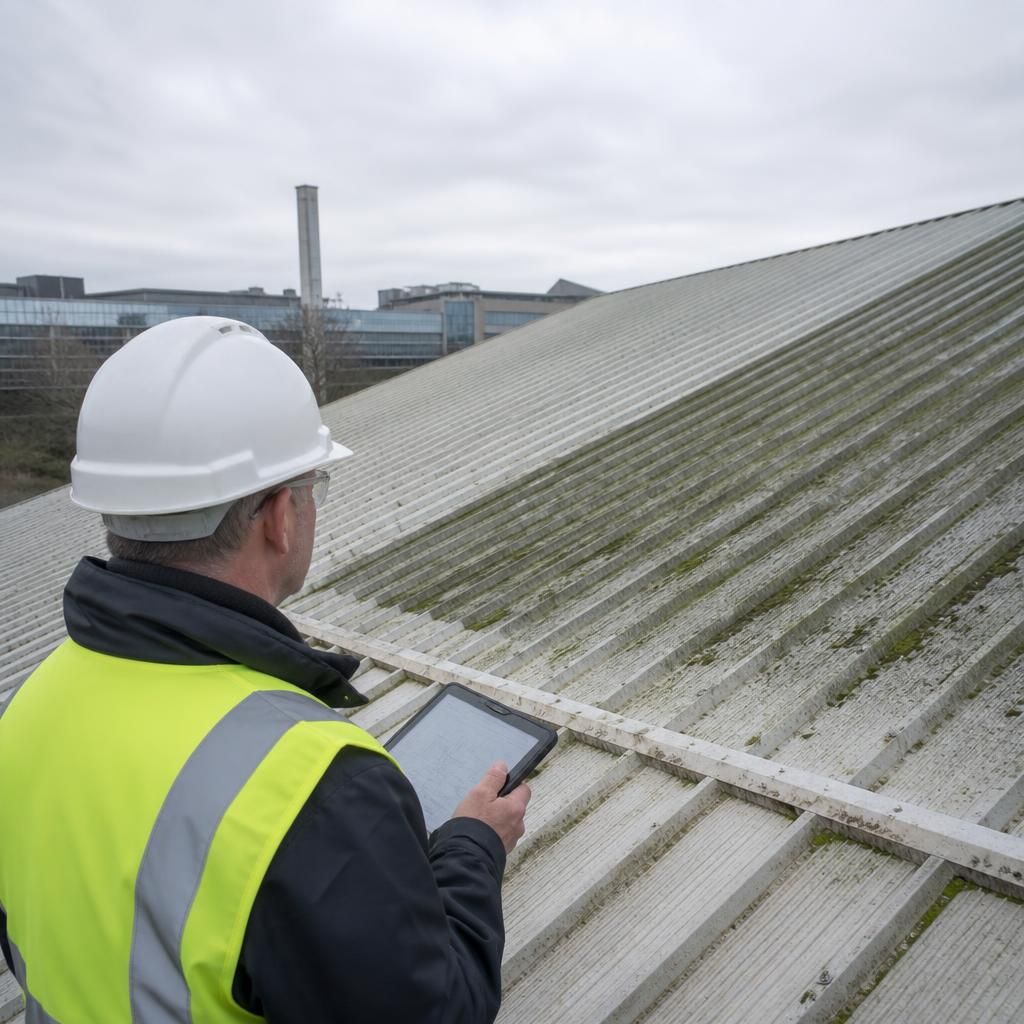
Selecting a professional steam cleaning roof tile service should begin with a site inspection, not a price alone. The contractor should assess the tile material and condition, roof pitch, fragile areas, access requirements and nearby surfaces before recommending a cleaning method.
Ask for a written method statement explaining how operatives will work safely, control steam, protect gutters and surrounding property, and contain removed moss and debris. The quotation should also separate cleaning from any required tile, mortar or gutter repairs, with clear exclusions and aftercare advice.