
What are the potential risks and precautions to consider when steam cleaning roof tiles?
Steam cleaning roof tiles can cause damage if excessive heat, pressure or prolonged application affects fragile, cracked or weathered tiles, while runoff, falling debris and work at height create additional risks. A professional service should inspect the roof first, use controlled steam settings and suitable access equipment, protect surrounding property, manage runoff and follow appropriate health and safety procedures.
Steam cleaning roof tiles carries risks from heat, moisture, access at height and dislodged debris. Excessive temperature, pressure or prolonged application can damage fragile, cracked or weathered tiles, weaken pointing and force water beneath the roof covering. Safe cleaning therefore depends on a pre-clean inspection, controlled steam settings, suitable access equipment, protection of surrounding property and a planned method for managing runoff and debris.
Roof condition should be assessed before cleaning. A competent contractor should identify the tile material, age, condition and previous repairs before selecting a cleaning method. Loose, cracked, porous or delaminating tiles may not tolerate steam treatment, even when the equipment is described as low pressure. The inspection should also check ridge and verge pointing, mortar joints, flashings, valleys, roof lights, leadwork, membranes where visible and areas where previous water ingress has occurred.
Cleaning should be postponed or adapted if the roof is structurally unsound. Steam cleaning cannot correct defective tiles, failed mortar or damaged flashing, and attempting to clean over these defects may increase the risk of leaks. Damaged areas should be recorded and, where necessary, repaired or referred to a suitable roofing professional before cleaning begins.
Thermal shock is a key risk. A sudden change in temperature can stress brittle, glazed or already weathered tiles. Localised application of very hot steam may cause cracking, surface spalling or damage to coatings, particularly where a cold roof surface is treated too aggressively. Professionals should use the lowest effective heat and pressure, keep the nozzle moving, avoid concentrating steam on one point and use a test area to confirm that the tile surface responds safely.
Steam should not be directed unnecessarily at joints, exposed underlay, roof penetrations, vents, seals or vulnerable flashing details. Prolonged heating can affect some coatings, sealants and repaired sections. If the roof contains mixed tile types or replacement tiles, each material may require a different setting or may be unsuitable for treatment altogether.
Water ingress must also be controlled. Although steam cleaning generally uses less water than conventional pressure washing, condensation and runoff can still enter beneath overlapping tiles if the operator works against the natural fall of the roof or directs steam into laps and joints. The cleaning pattern should follow the roof design, with care taken around valleys, abutments and penetrations. Internal areas beneath the work should be checked where practical, especially if there is a history of dampness or leaks.
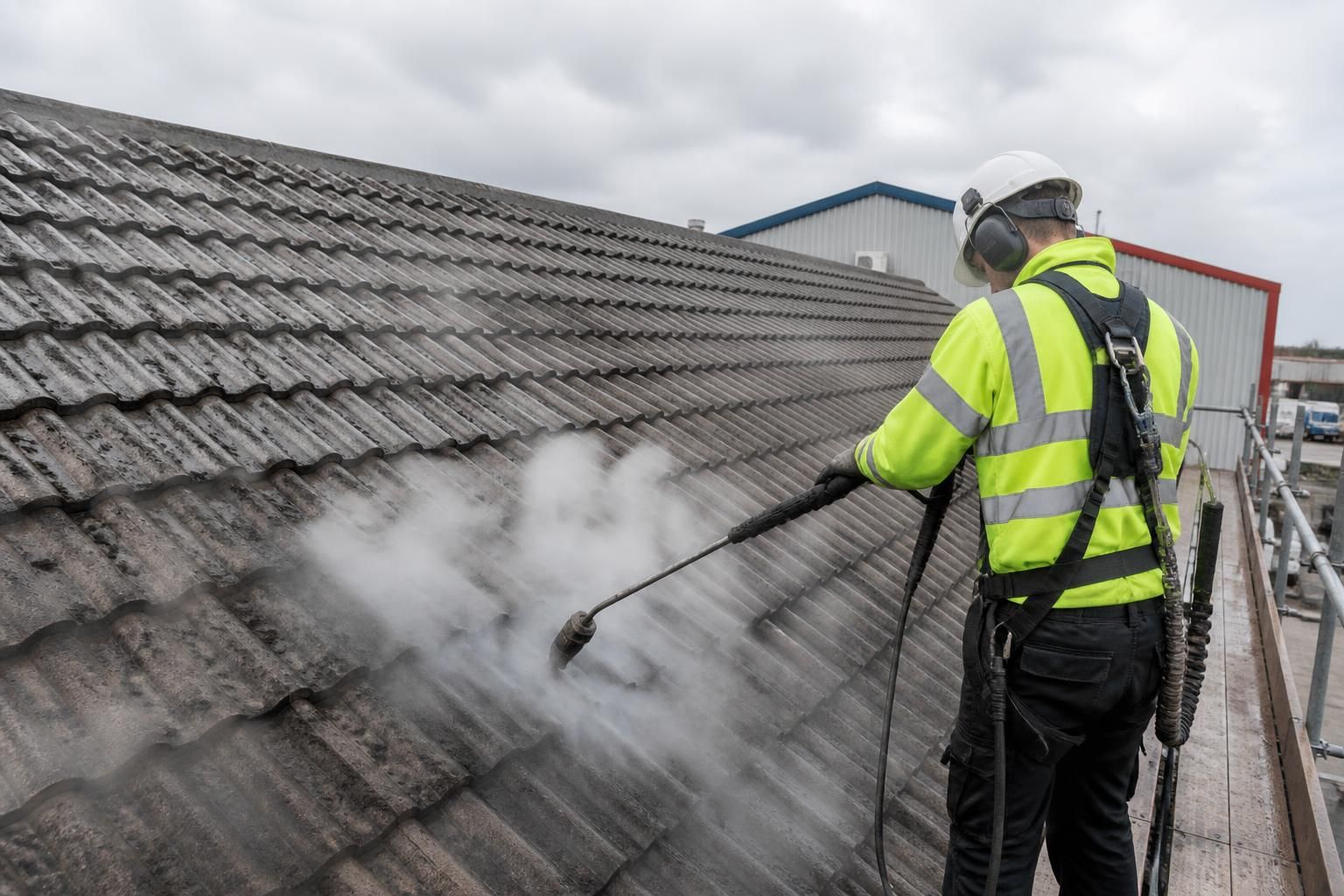
Roof cleaning creates work-at-height risks for operatives and anyone below. Wet tiles can become slippery, and moss, algae and loosened deposits may make footholds unreliable during the work. Safe precautions can include:
- using a suitable scaffold, roof ladder, mobile access tower or other properly selected access system rather than relying on the roof surface;
- inspecting access equipment before use and ensuring it is positioned on stable ground;
- using edge protection, fall-arrest or restraint equipment where required by the risk assessment;
- restricting access to the roof to trained and authorised operatives;
- establishing an exclusion zone below the work area to protect people from falling tiles, tools and debris; and
- maintaining a safe route for moving hoses, steam equipment and removed waste.
Personal protective equipment does not replace safe access arrangements, but it remains important. Depending on the equipment and task, operatives may need slip-resistant footwear, suitable gloves, eye and face protection, protective clothing and hearing protection. Steam can cause serious burns, so hoses, couplings and nozzles should be checked, handled correctly and kept away from unprotected people. The equipment should be operated in accordance with the manufacturer’s instructions by someone trained to recognise pressure, heat and plant-related hazards.
Falling debris and contaminated runoff require planning. Moss, lichen, dirt, flakes of coating and loose mortar can fall from the roof or be carried into gutters and drainage points. Gutters, downpipes and drainage systems should be protected or monitored so that displaced material does not cause blockages. Debris should be collected and disposed of appropriately rather than washed into surface-water drains. Where runoff could reach entrances, vehicles, neighbouring property or sensitive landscaping, suitable sheeting, temporary barriers and collection measures should be used.
Runoff from an older or heavily soiled roof may contain organic material, sediment or residues from previous treatments. It should not be allowed to spread across façades, paving or external equipment. Windows, doors, vents, signs, electrical fittings, air-intake points and nearby vehicles should be protected before work starts. Any cleaning products used alongside steam must be selected for the roof material and controlled in line with the relevant safety and environmental instructions; steam should not be assumed to make chemical or biological hazards irrelevant.
Weather conditions can change the risk level. High winds can affect operatives, access equipment, hoses and falling debris. Rain, frost and condensation can make tiles and access systems more slippery, while extreme cold may affect water supplies, hoses and drainage. Work should be stopped or rescheduled when conditions prevent secure footing, safe equipment operation, effective visibility or controlled runoff. A professional risk assessment should be reviewed if the weather changes during the project.
Particular care is needed around older buildings. The roof may include fragile materials, historic coatings, asbestos-containing components or construction details that are not obvious from ground level. Asbestos should never be disturbed through cleaning. If suspected asbestos or another hazardous material is identified, work should stop and the material should be assessed and managed by appropriately qualified specialists.
A safe steam-cleaning procedure normally includes the following stages:
- Inspect and document the roof, access points, surrounding property and visible defects.
- Identify the tile material and confirm that steam treatment is appropriate.
- Complete a test patch in an inconspicuous area and check for cracking, colour change, coating failure or water penetration.
- Prepare access equipment, exclusion zones, protective coverings, drainage controls and waste collection.
- Set the equipment conservatively and clean in controlled sections without dwelling on one area.
- Monitor tiles, joints, runoff and nearby surfaces throughout the work, stopping if unexpected damage or water ingress appears.
- Clear gutters and collect dislodged material where this forms part of the agreed scope.
- Complete a final inspection from safe access, record any defects and advise on repairs or follow-up maintenance.
After cleaning, the roof should be allowed to drain and dry naturally where conditions permit, then checked for loose tiles, exposed joints, blocked gutters and signs of water entry. Cleaning may reveal pre-existing defects that were hidden beneath moss or staining; these should be distinguished from damage caused during the work and reported clearly. Any tiles that have shifted or cracked should be dealt with promptly rather than left until the next maintenance visit.
For a commercial or managed property, the method statement and risk assessment should account for occupants, visitors, contractors, vehicles, deliveries and neighbouring premises. The responsible person should know where the work will take place, what areas must remain clear and how emergency access will be maintained. Selecting an experienced contractor with suitable work-at-height procedures, trained operatives, appropriate insurance and a documented approach to runoff and waste is an important precaution.
Steam cleaning is not automatically risk-free because it uses less pressure than some other methods. The safest outcome comes from matching the process to the roof’s condition and materials, using controlled heat and pressure, and stopping when the roof cannot be treated without unacceptable risk. Where tiles are too fragile, defective or unsuitable, a gentler cleaning method or repair-first approach is usually more appropriate.
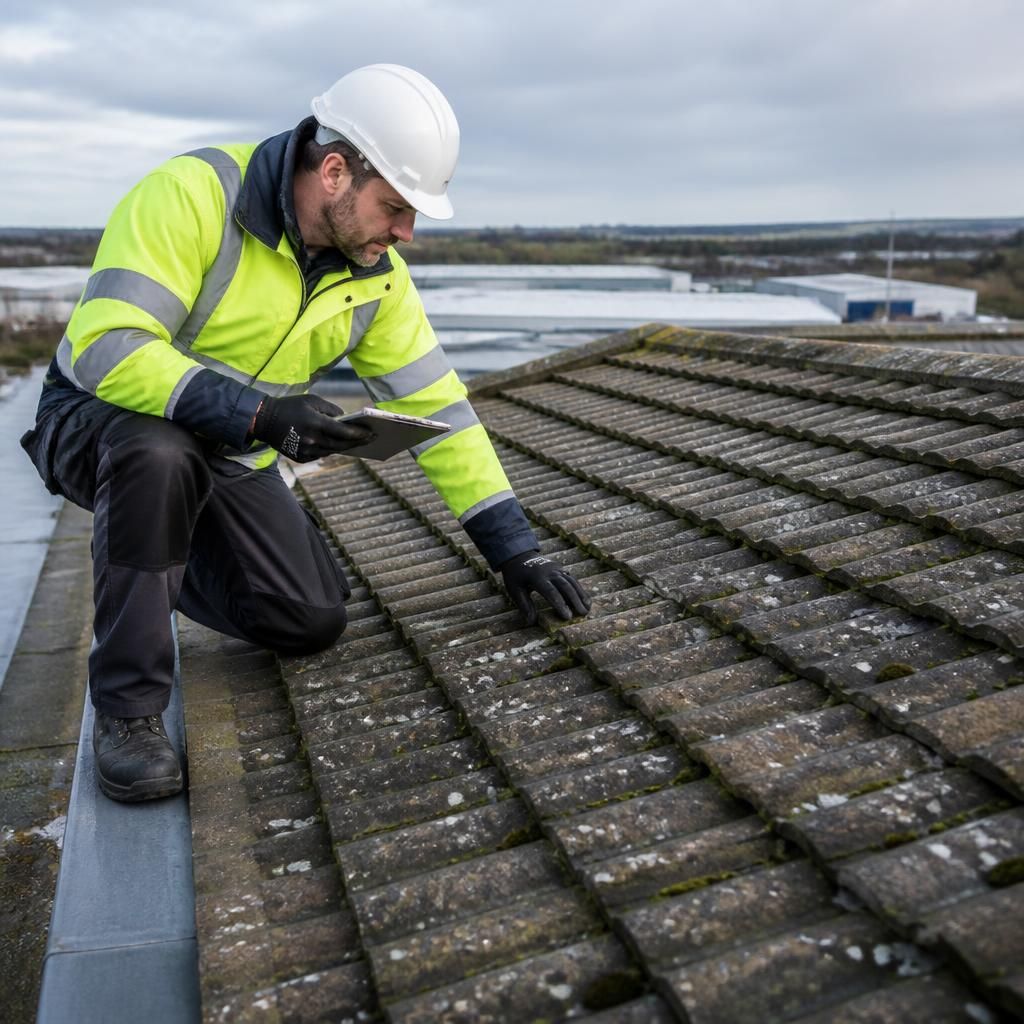
The main precaution before steam cleaning roof tiles is to confirm that the roof can safely withstand controlled heat and moisture. Loose, cracked, porous or weathered tiles may deteriorate during cleaning, while failed pointing, damaged flashing or previous leaks can allow water to enter beneath the roof covering.
A professional inspection should identify the tile material, visible defects and vulnerable details such as ridge joints, valleys, roof penetrations and repaired areas. A small test patch should then be cleaned using conservative settings, checking for cracking, colour changes, coating failure or water ingress before the wider roof is treated. If the roof is too fragile or defective, repairs or a gentler cleaning method should take priority.