
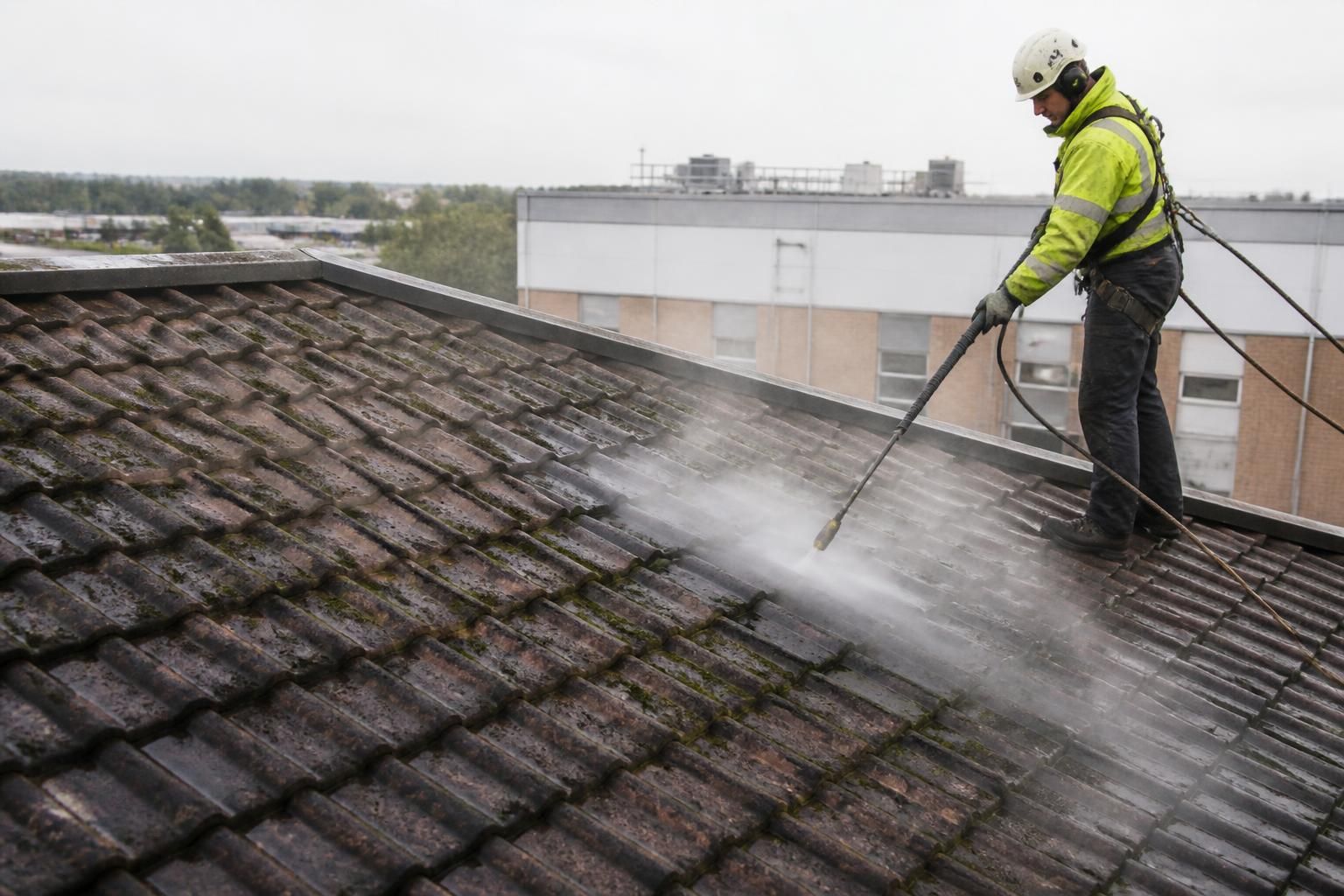
What are the maintenance requirements after steam cleaning roof tiles to ensure their long-term durability and appearance?
After steam cleaning, maintain roof tiles by arranging a post-cleaning inspection, clearing gutters and rainwater outlets, and promptly repairing cracked, slipped or damaged tiles and defective flashing. Carry out regular visual checks for moss, algae, debris and water ingress, and use gentle, suitable treatments when needed rather than abrasive cleaning or high-pressure washing that could shorten the roof’s service life.
After steam cleaning, roof tiles require routine inspection, clear drainage, prompt repairs and gentle surface care to preserve their appearance and serviceability. Steam cleaning removes moss, algae, lichen, dirt and other deposits, but it does not prevent new growth or correct underlying defects such as cracked tiles, failed pointing, damaged flashing or blocked gutters. A planned maintenance regime is therefore essential for long-term durability.
Arrange a post-cleaning inspection once the roof has dried. This confirms whether previously concealed defects have become visible and whether any tiles have moved during the cleaning process. The inspection should cover the tiles, ridges, verges, valleys, flashing, mortar joints, roof penetrations, gutters, downpipes and any areas around plant or access equipment. Where the building is commercial or difficult to access, use a competent contractor rather than allowing untrained staff to walk on the roof.
Keep gutters and rainwater outlets clear. Cleaning can dislodge organic material and sediment, which may collect in gutters, valleys, hopper heads or downpipes. Blockages allow water to overflow onto façades and eaves, increasing the risk of damp, staining, frost damage and deterioration of mortar. Check drainage after the cleaning work and continue to inspect it as part of the building’s normal external maintenance schedule, particularly where trees overhang the roof.
Repair defects promptly. Replace cracked, broken or badly weathered tiles and refix slipped tiles using an appropriate method. Defective flashing, loose ridge tiles, open mortar joints and damaged roof membranes should also be assessed and repaired by a suitably qualified roofing professional. Delaying minor defects can allow water to reach the roof structure and internal areas, turning a local repair into a more extensive problem.
Monitor for returning moss, algae and lichen. New growth is more likely on shaded, damp or north-facing roof areas and beneath overhanging vegetation. Remove small deposits using a method suitable for the tile material and roof condition. Avoid abrasive tools, aggressive scraping and unapproved chemicals, as these can damage the tile surface, strip protective finishes, affect surrounding materials or contaminate drainage systems. Any biocidal treatment should be selected and applied in accordance with the product instructions and environmental requirements.
Do not use routine high-pressure washing as a follow-up treatment. Excessive pressure can erode the surface of some tiles, drive water beneath laps and seals, disturb pointing or damage fragile areas. If further cleaning is needed, reassess the tile type, age, condition and previous treatments before selecting a low-impact method. Steam cleaning or another controlled treatment may be more appropriate than increasingly forceful cleaning.
Check any protective coating or sealant. If a coating has been applied after cleaning, it should be compatible with the tile and allow the roof assembly to manage moisture correctly. Do not apply an additional sealant, paint or water-repellent product simply because the surface looks dry or porous. Incompatible coatings can trap moisture, alter the tile’s appearance, create patchiness or make future repairs more difficult. Keep records of the product used, application date and any manufacturer maintenance requirements.
Regular visual checks should look for:
- cracked, chipped, slipped or missing tiles;
- new moss, algae, lichen or heavy dirt deposits;
- standing water, blocked gutters or overflowing downpipes;
- staining on walls, soffits, ceilings or around roof penetrations;
- damaged flashing, loose ridge or verge materials and failed pointing; and
- signs of water ingress, damp insulation or deterioration within the roof space.
Inspections are particularly important after strong winds, prolonged heavy rain, freezing conditions or nearby construction activity. Internal checks of accessible roof spaces can identify dampness or daylight through the roof covering before problems become visible inside occupied areas. Any suspected leak should be investigated without delay rather than covered with temporary sealant.
Manage nearby vegetation by keeping branches away from the roof where practicable and removing leaves before they accumulate. This improves drying and reduces the amount of organic material available for moss and algae growth. Vegetation should be cut back safely, with care taken not to damage tiles, gutters, façades or bird habitats.
For commercial and industrial premises, record the cleaning date, roof areas treated, defects found, repairs completed, products used and inspection findings. Linking these records to the building’s planned preventative maintenance programme helps facilities teams identify recurring problems and schedule access equipment or specialist roofing work efficiently. It also provides a useful maintenance history if the property is altered, leased or transferred.
Roof tiles should not be cleaned or inspected by walking on them unnecessarily. Clay, concrete and older tiles can be brittle, while wet surfaces are slippery and vulnerable to point loading. Use appropriate access equipment and safe working procedures, and ensure that any follow-up work protects the roof covering, occupants, pedestrians and surrounding property.
The correct maintenance interval depends on the roof material, exposure, pitch, shading, surrounding vegetation, drainage design and condition before cleaning. A roof that remains dry and free-draining may need only routine planned inspections, while a shaded roof beneath trees may require more frequent attention. The key principle is to deal with organic growth, drainage blockages and minor defects before they cause surface deterioration or water ingress.
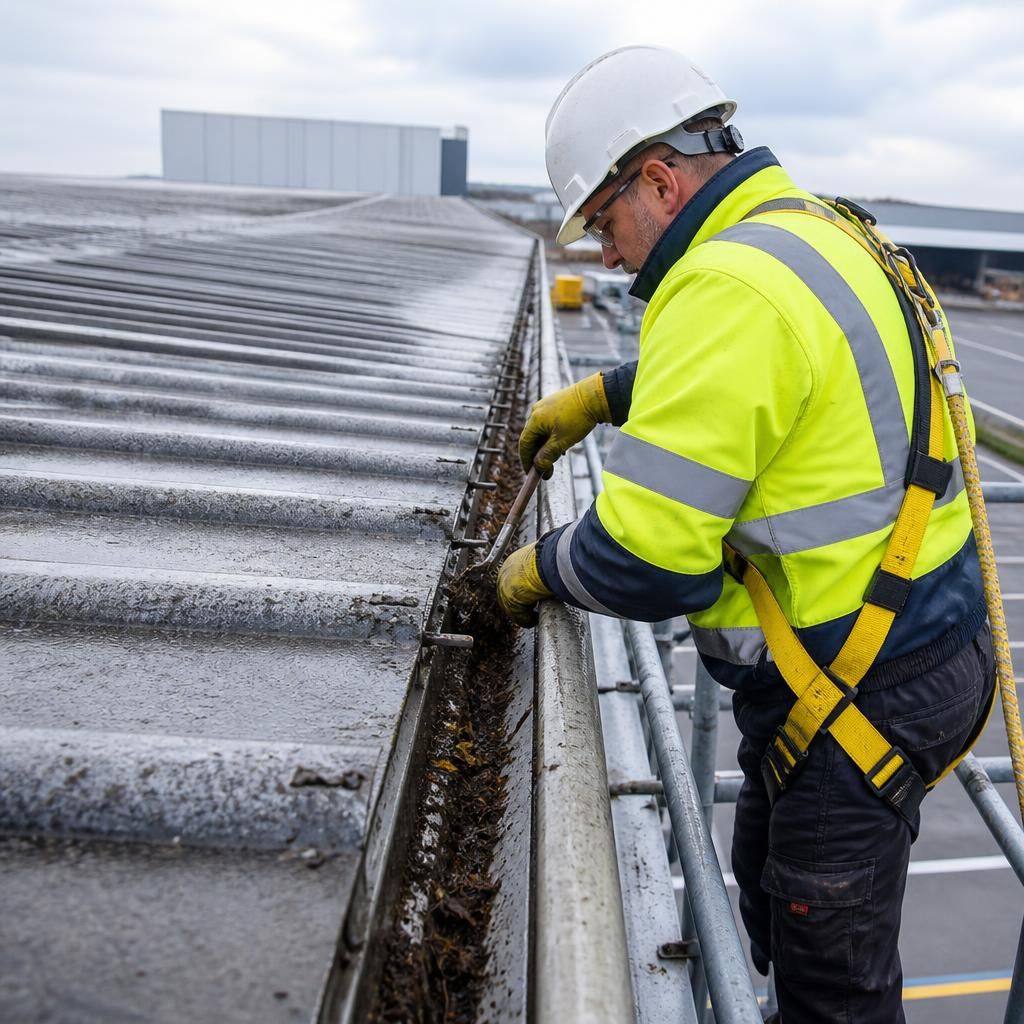
Post-cleaning drainage checks are essential because loosened moss, algae and sediment can collect in gutters, valleys and downpipes after steam cleaning roof tiles. If these outlets become blocked, rainwater may overflow onto eaves, façades and mortar joints, increasing the risk of staining, damp and frost-related damage.
Once the roof has dried, inspect the gutters, outlets and downpipes and clear any displaced debris. Continue checking them through the planned maintenance cycle, particularly where trees overhang the roof or the building is exposed to heavy organic debris. Look for overflowing gutters, standing water, damp staining and defective joints, and arrange prompt repairs where required. Keeping drainage clear allows the roof to dry properly and helps preserve both the tiles and the surrounding building fabric.