
How often should roof tiles be steam cleaned to maintain their condition?
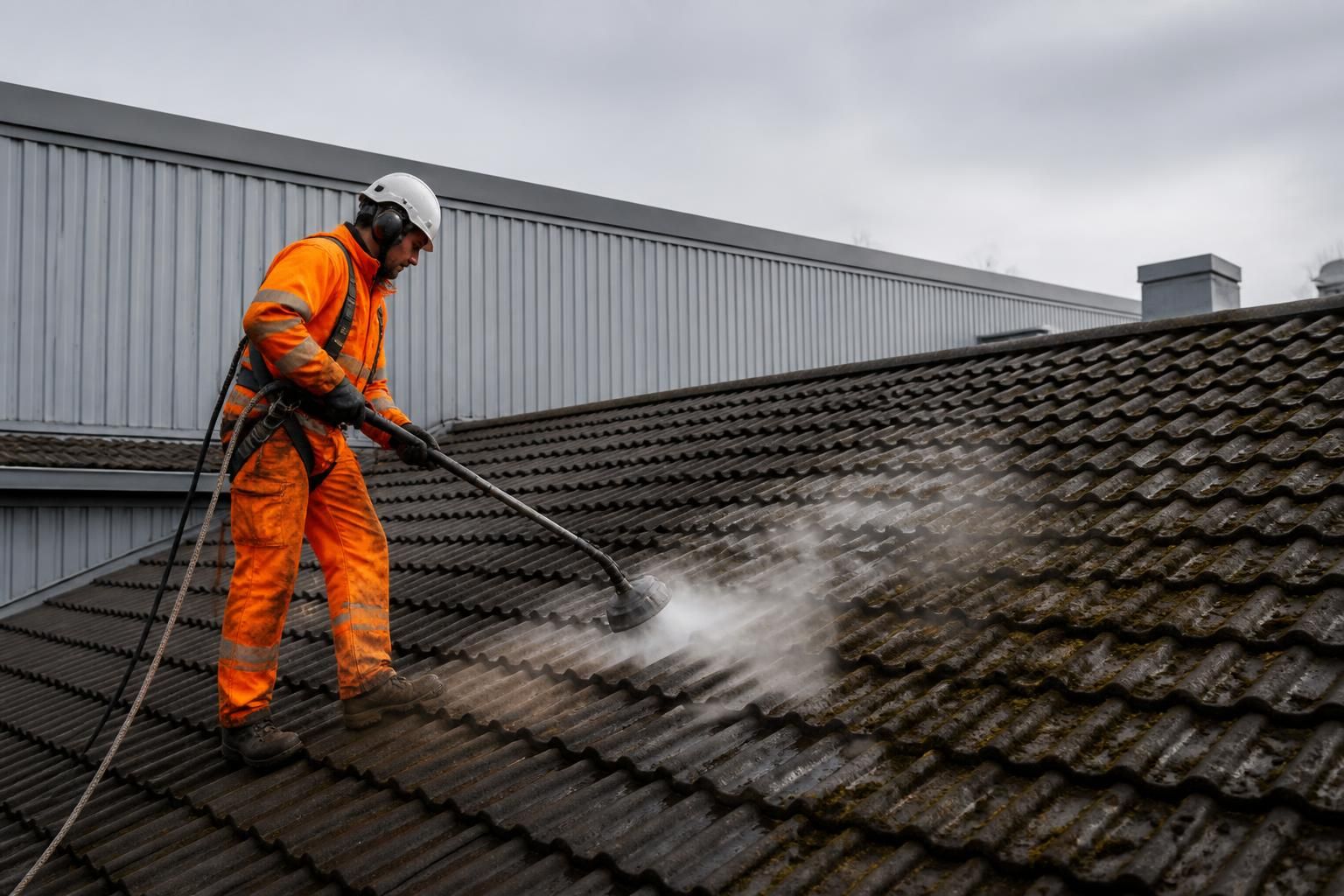
Roof tiles should be steam cleaned when moss, algae, lichen or ingrained staining begins to develop, rather than to a fixed timetable; for many properties, a professional assessment every few years is appropriate. Annual visual inspections and prompt cleaning where growth is affecting drainage or tile condition can help maintain the roof without unnecessary treatment.
Roof tiles should be steam cleaned when moss, algae, lichen or persistent staining starts to affect their appearance, drainage or condition, rather than according to a fixed annual timetable. For many roofs, an annual visual inspection and a professional condition assessment at appropriate intervals will identify when cleaning is necessary. Cleaning too frequently can subject tiles, pointing and protective finishes to avoidable disturbance, while delaying treatment can allow organic growth to retain moisture and obstruct water flow.
The appropriate interval depends on the roof’s exposure and the type and condition of its tiles. A roof beneath overhanging trees, close to woodland or in a shaded, damp location is likely to develop moss and algae sooner than a roof with good sunlight and airflow. Local weather, roof pitch, orientation, nearby vegetation, pollution and the effectiveness of existing drainage also influence how quickly contamination returns. Older or weathered tiles may require a more cautious assessment because their surface and fixings can be less tolerant of cleaning.
Inspect the roof at least annually. A visual inspection should look for moss accumulating along laps and in gutters, lichen attached to the tile surface, algae discolouration, blocked valleys, overflowing gutters and areas where water is not draining as intended. It should also identify cracked, slipped or loose tiles, deteriorated pointing, exposed underlay and damaged flashings. Cleaning should not proceed until these defects have been recorded and, where necessary, repaired.
Steam cleaning is generally considered when growth has become established or when conventional surface maintenance is no longer sufficient. It can be particularly useful where a lower-pressure approach is required, as steam and controlled treatment can remove organic contamination without relying on aggressive high-pressure washing. However, the cleaning frequency should be based on the result of a site assessment, not simply on the fact that a previous clean took place. A roof that remains clear and drains properly does not need routine steam cleaning merely to follow a calendar.
Arrange an assessment sooner if you notice any of the following:
- Moss or lichen spreading across a substantial area of the roof or building up between tile courses.
- Organic growth entering gutters, outlets, valleys or drainage channels.
- Persistent black, green or brown staining that cannot be removed by normal weathering.
- Water spilling over gutters or running down external walls because roof drainage is restricted.
- Tiles becoming damp for prolonged periods, showing surface deterioration or beginning to lift.
- New growth returning quickly after cleaning, which may indicate heavy shading, nearby vegetation or an unresolved drainage problem.
The presence of moss does not automatically mean that every tile needs immediate steam cleaning. Isolated growth may be manageable through local treatment and removal from drainage areas, whereas widespread growth, heavy lichen attachment or ingrained contamination usually warrants a more complete professional clean. The method and frequency should also reflect the tile material. Clay, concrete, slate and coated or interlocking tiles can differ in porosity, surface finish, strength and fixing method, so the equipment settings and cleaning approach must be selected accordingly.
A professional roof assessment should establish whether steam cleaning is suitable, check for pre-existing damage and identify any areas where access could place stress on the roof. It should also consider weather conditions, safe access, run-off control and the protection of walls, windows, landscaping and rainwater systems. Cleaning should be postponed in unsuitable conditions, such as when surfaces are icy or when wind and rain prevent safe access and controlled work.
After steam cleaning, the roof should be monitored rather than automatically placed on a fixed repeat-cleaning cycle. Keep gutters, valleys and outlets clear, trim vegetation that creates persistent shade, and inspect for renewed growth during the annual check. Promptly addressing small areas of regrowth can help prevent contamination becoming established across the roof again. If growth repeatedly returns, the cause should be investigated before arranging another full clean.
In practical terms, plan an annual visual check, seek professional advice when contamination or drainage problems appear, and use the roof’s condition to determine when steam cleaning is required. This approach maintains the appearance and performance of the tiles while avoiding unnecessary cleaning and giving defects the attention they need before they develop into more costly roof maintenance issues.
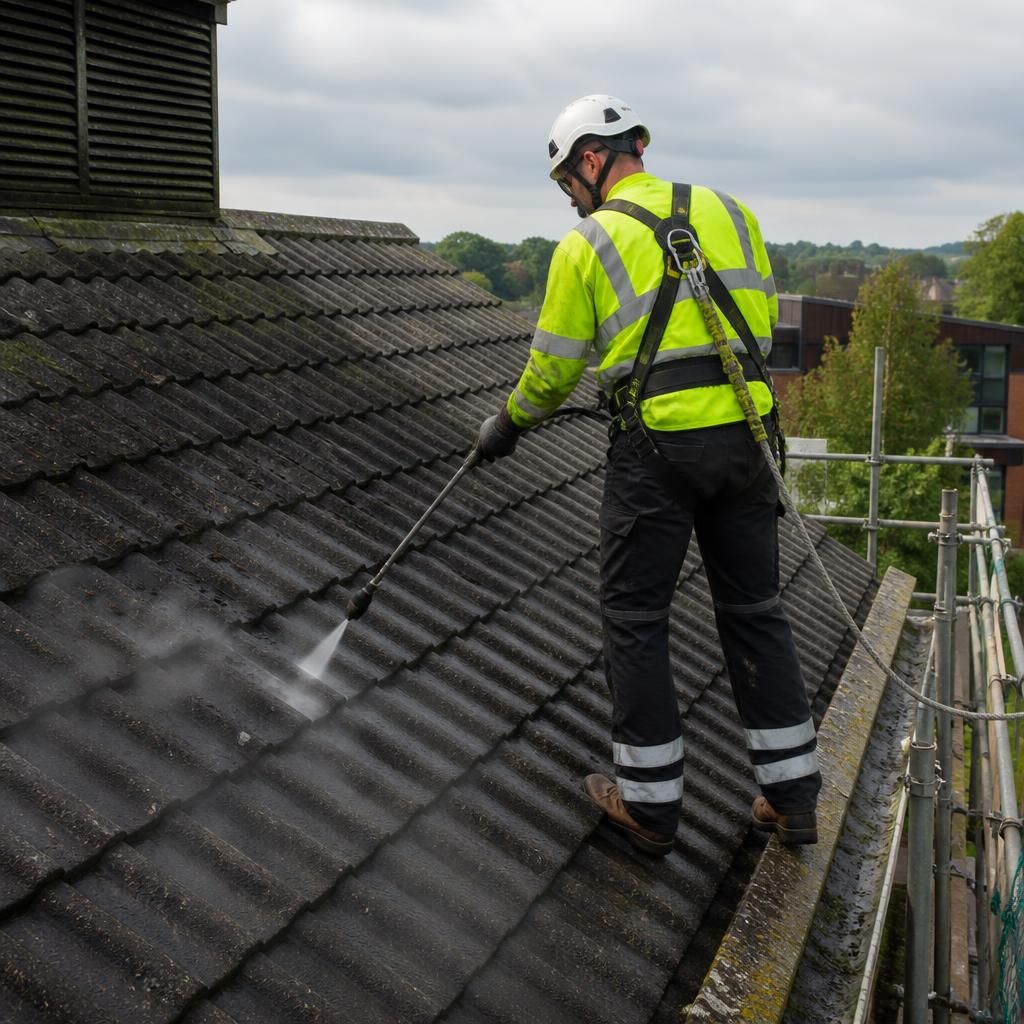
Roof tiles should be steam cleaned when moss, algae, lichen or persistent staining begins to affect their condition or drainage, rather than on a fixed cleaning timetable. An annual visual inspection can identify early regrowth, blocked gutters and areas where moisture is being retained.
The interval between professional cleans depends on the roof’s exposure. Shaded roofs, properties beneath trees and buildings in damp locations may need attention sooner, while well-drained roofs with good sunlight and airflow may remain clear for longer. If growth returns quickly, the underlying cause should be addressed before arranging another full clean.