
Are there any roof tile materials that are not suitable for steam cleaning?
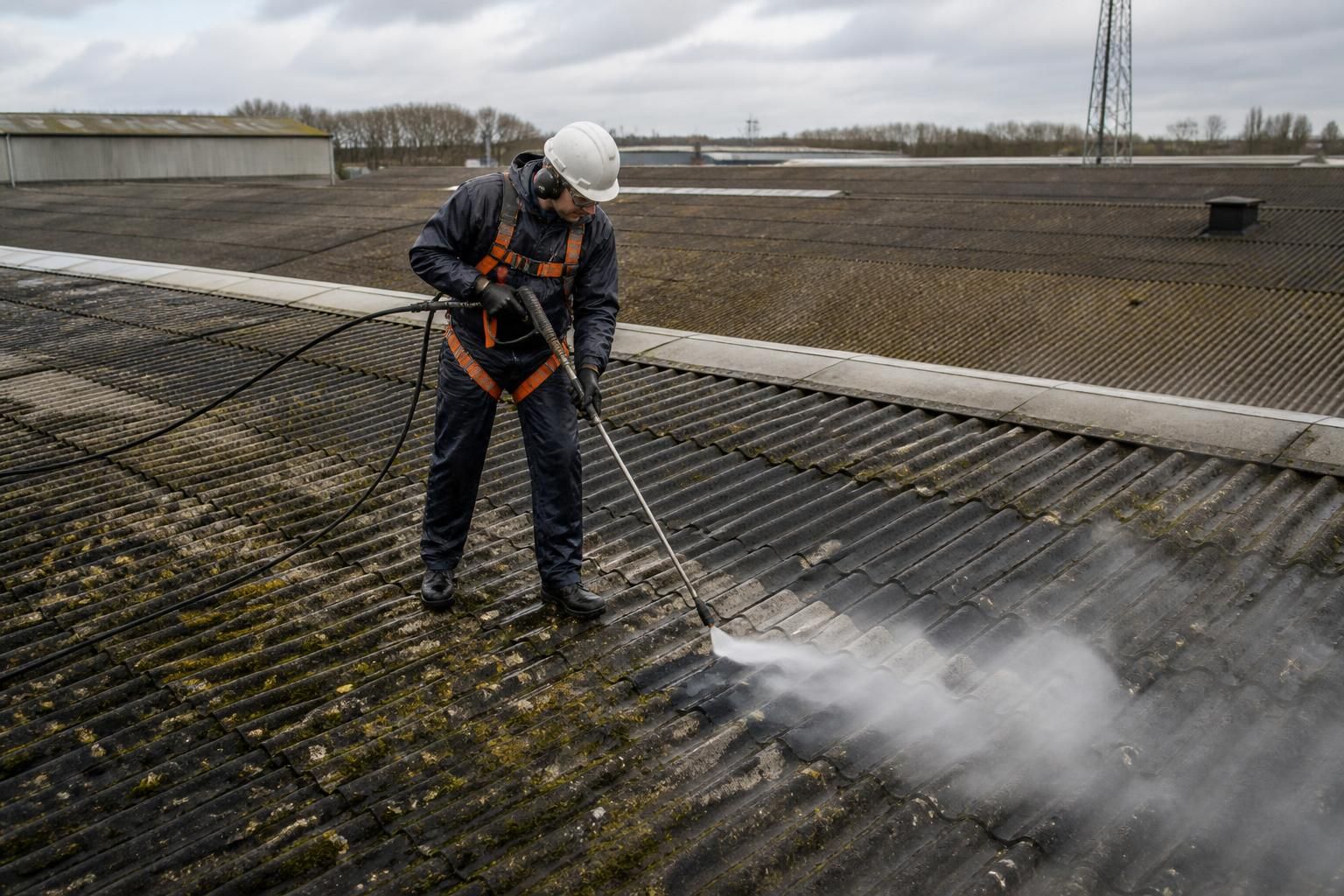
Most sound clay, concrete and slate roof tiles can be steam cleaned, but fragile, cracked, heavily weathered or poorly fired tiles may not be suitable. Asbestos-cement roofing, delicate historic tiles and tiles with failing coatings require specialist assessment, as steam or moisture could cause damage or release hazardous fibres.
Yes. Some roof tile materials and conditions are unsuitable for steam cleaning, or require a specialist assessment before any work begins. Sound clay, concrete and natural slate tiles will often tolerate carefully controlled steam cleaning, but suitability depends on the tile’s age, condition, manufacture, surface finish and the construction beneath it. Steam cleaning is low pressure compared with conventional jet washing, but it still introduces heat, moisture and movement across the roof surface.
Asbestos-cement roofing should not be treated as an ordinary roof-cleaning surface. Older asbestos-cement sheets and tiles can release hazardous fibres if they are damaged, abraded or handled incorrectly. Steam, brushing, scraping and high-pressure cleaning may worsen existing deterioration or contaminate surrounding areas. Any suspected asbestos-containing roofing should be identified and assessed before cleaning, with work carried out in accordance with current UK asbestos requirements by appropriately qualified specialists. If the material cannot be confirmed as asbestos-free, it should be treated cautiously rather than steam cleaned as standard.
Very old, handmade or historic tiles may also be unsuitable. Traditional clay tiles, terracotta, encaustic tiles and other heritage materials can be porous, thin, unevenly fired or already weakened by decades of weathering. Heat and moisture may expose existing flaws, cause spalling or loosen a fragile surface. Historic roofs can also contain lime-based bedding, delicate pointing or original finishes that need to be preserved. Cleaning decisions for these roofs should take account of conservation requirements and, where appropriate, the advice of a heritage roofing professional.
Tiles with physical damage should not be steam cleaned until they have been repaired or replaced. This includes cracked, fractured, badly chipped, delaminated or loose tiles, as well as tiles with exposed cores or severe edge erosion. Steam can enter defects and may reach the roof underlay or timbers. It can also dislodge a tile that is no longer securely fixed. Cleaning cannot correct structural defects, so a roof inspection should precede the work where damage is visible.
Poorly fired or highly porous tiles need particular care. Inconsistent firing can leave clay tiles soft or absorbent, while prolonged saturation and frost damage can cause the surface to flake. Concrete tiles may similarly have a weakened surface or exposed aggregate after years of weathering. These materials may withstand a gentle test, but not necessarily full-roof treatment. The cleaning approach should be based on the tile’s actual condition rather than its nominal material.
Coated, painted, glazed or sealed tiles may not be suitable for steam cleaning without testing. Heat can soften, blister or lift failing paint, protective coatings and sealants. On glazed tiles, an existing damaged finish may become more apparent or detach from the substrate. Steam can also remove a coating that was providing weather protection. A small, inconspicuous test area should be used to check for colour change, coating failure, surface marking and water penetration before proceeding.
Even materials that are normally suitable may be unsuitable in a particular location. A roof should be reviewed if it has:
- Loose, slipped or missing tiles;
- Open laps, defective flashing or failed ridge and verge details;
- Significant moss-root damage or frost-related deterioration;
- Weak underlay, deteriorated battens or signs of water ingress;
- Repairs using incompatible tiles or mortar; or
- Restricted drainage where cleaning water cannot be safely controlled.
Roof pitch, access arrangements and the condition of gutters also matter. Steam-cleaning equipment must be used without forcing water beneath laps, flashings or defective joints. Run-off should be controlled so that loosened debris does not block drainage or enter rainwater systems. Where the roof cannot be safely accessed or inspected, cleaning may need to be postponed until suitable access equipment and a proper condition survey are available.
A professional assessment should identify the tile material, inspect representative areas, review visible defects and check any manufacturer or conservation guidance. Where the surface is marginal, a controlled test patch can establish whether the steam setting, distance and technique are appropriate. The test should be stopped if tiles become marked, surface material lifts, coatings soften, water enters the roof or the tile shows movement.
If steam cleaning is unsuitable, the correct alternative is not automatically pressure washing. Depending on the roof, options may include gentle manual removal, a low-impact soft-washing system, localised treatment, repair and replacement, or leaving a vulnerable historic surface untreated. The chosen method must protect the tiles, roof structure, occupants and surrounding property.
For this reason, Encanto Exterior Cleaning assesses roof materials and their condition before recommending steam cleaning. If asbestos, fragile heritage materials or significant defects are suspected, the work should be referred for the appropriate specialist advice rather than proceeding on the assumption that all roof tiles can be cleaned in the same way.
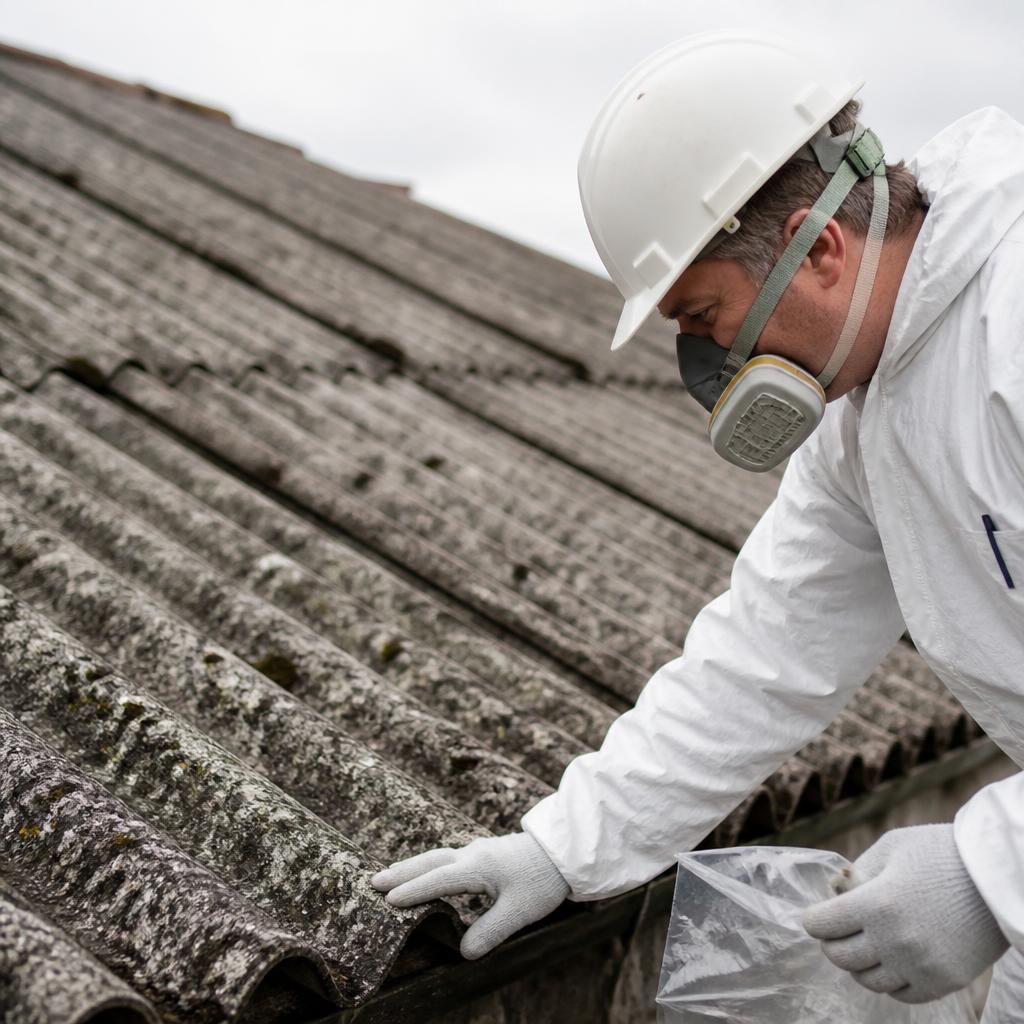
Asbestos-cement roofing and fragile historic tiles are not suitable for routine steam cleaning without specialist assessment. Asbestos-containing materials can release hazardous fibres if damaged or disturbed, while old handmade clay, terracotta and heritage tiles may be porous, thin or weakened by weathering. Heat, moisture and cleaning movement could worsen existing deterioration.
Cracked, loose, delaminated or heavily weathered tiles also need inspection before cleaning. Encanto Exterior Cleaning checks the material, surface condition, roof details and any visible defects first. Where steam cleaning presents a risk, the roof may require specialist asbestos or conservation advice, localised manual treatment, repair or no cleaning rather than a standard steam-cleaning process.