
What are the environmental impacts of using soft wash techniques for cleaning tile roofs?
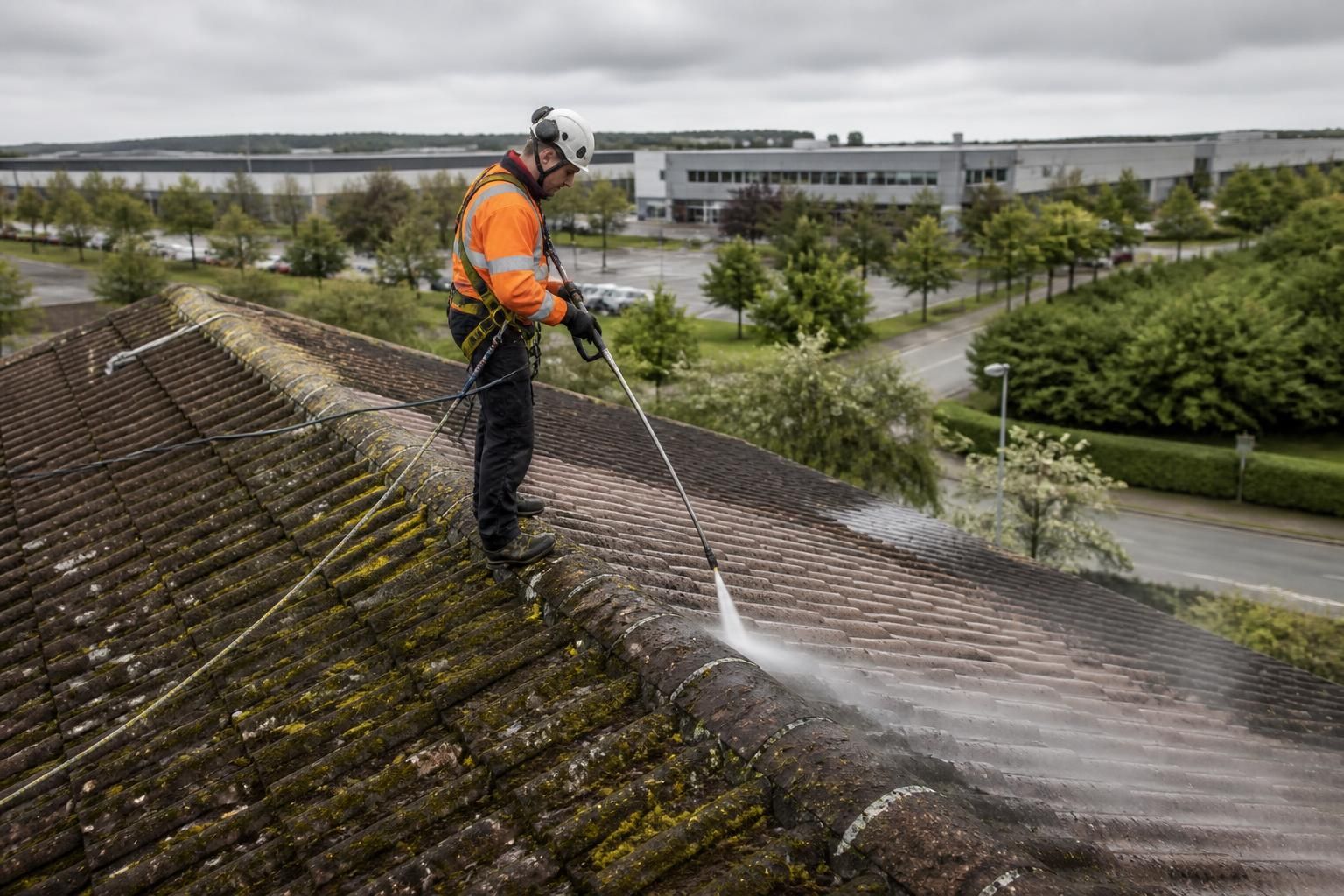
Soft wash tile roof cleaning generally has a lower environmental impact than high-pressure washing because it uses less water and reduces the risk of damaging tiles. However, cleaning solutions and contaminated runoff must be selected, contained and disposed of responsibly to protect plants, soil, drains and waterways.
Soft wash tile roof cleaning can have a lower environmental impact than high-pressure washing because it usually requires less water, operates at much lower pressure and is less likely to damage tiles. The environmental outcome still depends on the cleaning products used, how much solution is applied, and whether dirty runoff is prevented from entering soil, surface water or drainage systems.
Reduced water consumption
Soft washing relies on applying a cleaning solution to loosen algae, moss, lichen and other organic growth, rather than using high-pressure water to remove contamination by force. This can reduce the volume of water needed for the cleaning stage and limit unnecessary rinsing. Lower water use is particularly beneficial where water supplies are under pressure or where large roof areas are being maintained.
Water consumption is not eliminated, however. The roof may need controlled rinsing, and additional water can be required to protect nearby walls, windows, plants and hard surfaces during the work. Responsible contractors use only the amount needed for effective cleaning and avoid allowing hoses to run without purpose.
Less risk of premature tile replacement
High-pressure cleaning can strip surface coatings, force water beneath overlapping tiles, loosen pointing and accelerate surface wear. Soft washing is designed to remove organic growth with minimal mechanical force. By reducing avoidable damage, it may help extend the useful life of the existing roof.
Keeping sound tiles in service also avoids some of the environmental impacts associated with manufacturing, transporting and disposing of replacement materials. This is an indirect benefit rather than a guarantee: heavily degraded tiles, defective fixings or structural faults still require appropriate repair or replacement.
Cleaning solutions and their environmental effects
Soft wash products often contain an active ingredient to break down organic growth, together with surfactants or other agents that help the solution spread across the tile surface. The environmental profile varies considerably between products. A solution that is effective at low concentration and can be accurately controlled may have a lower overall impact than repeated, excessive applications.
Products should be selected with regard to their safety data sheets, intended use, dilution instructions and compatibility with roof materials. The operative should understand the relevant COSHH requirements and follow the product manufacturer’s instructions. Stronger is not automatically better: over-concentration can increase risks to vegetation, wildlife, drainage systems and the roof itself without providing a proportionate cleaning benefit.
Runoff is the main environmental control
During cleaning, loosened moss, algae, dirt and cleaning solution can move towards gutters, downpipes, paving, borders and drains. If this material reaches a watercourse, it may affect water quality or harm aquatic organisms. Runoff can also carry concentrated residues into soil, where plants and beneficial soil organisms may be affected.
Good practice includes:
- Inspecting the roof, gutters, downpipes, nearby drains and surrounding landscape before work begins.
- Pre-wetting and protecting sensitive vegetation, then rinsing it with clean water where appropriate.
- Using controlled application rather than overspray, especially in windy conditions.
- Preventing contaminated water from entering surface-water drains or watercourses.
- Collecting or diverting debris and managing wastewater in accordance with local requirements and the product instructions.
- Checking gutters and downpipes after cleaning so accumulated organic material does not wash onto hard surfaces or into drainage systems later.
Foul-water and surface-water drainage systems have different purposes, and wastewater must not be discharged indiscriminately. Where runoff cannot be safely controlled, the work should be adapted, postponed or managed using suitable recovery measures.
Effects on plants, animals and surrounding property
Overspray and runoff can scorch leaves, damage lawns and affect aquatic life. Nesting birds, insects, pets and other animals may also be exposed to cleaning products or dislodged debris. Before work starts, surrounding vegetation should be identified and protected, and access to the immediate work area should be controlled. Cleaning should be avoided or adjusted where protected wildlife or active nests may be present, subject to applicable requirements.
Using low-pressure equipment can also reduce the spread of dust, fragments and contaminated spray compared with aggressive jet washing. This helps protect nearby façades, vehicles, windows, landscaping and neighbouring property, although appropriate sheeting, shielding and rinsing may still be necessary.
Energy use and equipment
Soft washing may use less energy than prolonged high-pressure cleaning because the mechanical cleaning demand is lower. The actual energy impact depends on the pumps, hoses, access equipment, transport and time required for the project. Efficient equipment, sensible route planning and completing related roof maintenance during the same visit can help avoid unnecessary fuel and electricity use.
Access equipment must be selected for the roof layout and surrounding ground conditions. Safe access is essential, but equipment should not be operated for longer than necessary or placed where it can damage soil, drainage channels or planted areas.
How to achieve the lowest practical impact
- Assess the tile type, roof condition, contamination and surrounding drainage before selecting a treatment.
- Use the mildest effective product and the correct dilution, applied accurately rather than broadly.
- Protect plants, soil, drains, walls and watercourses before applying any solution.
- Use low-pressure methods and avoid unnecessary water, repeat applications and uncontrolled overspray.
- Keep product containers, empty packaging, removed moss and wastewater under control and dispose of them through suitable routes.
- Record any site-specific precautions so that future maintenance can be planned consistently.
In summary, soft wash tile roof cleaning is often the more environmentally considerate option when compared with forceful pressure washing, particularly because it can reduce water use and help prevent premature tile damage. It is not automatically environmentally harmless: product choice, application control and runoff management determine much of the real impact. A properly planned service protects the roof and surrounding property while ensuring that cleaning residues and contaminated water are handled responsibly.
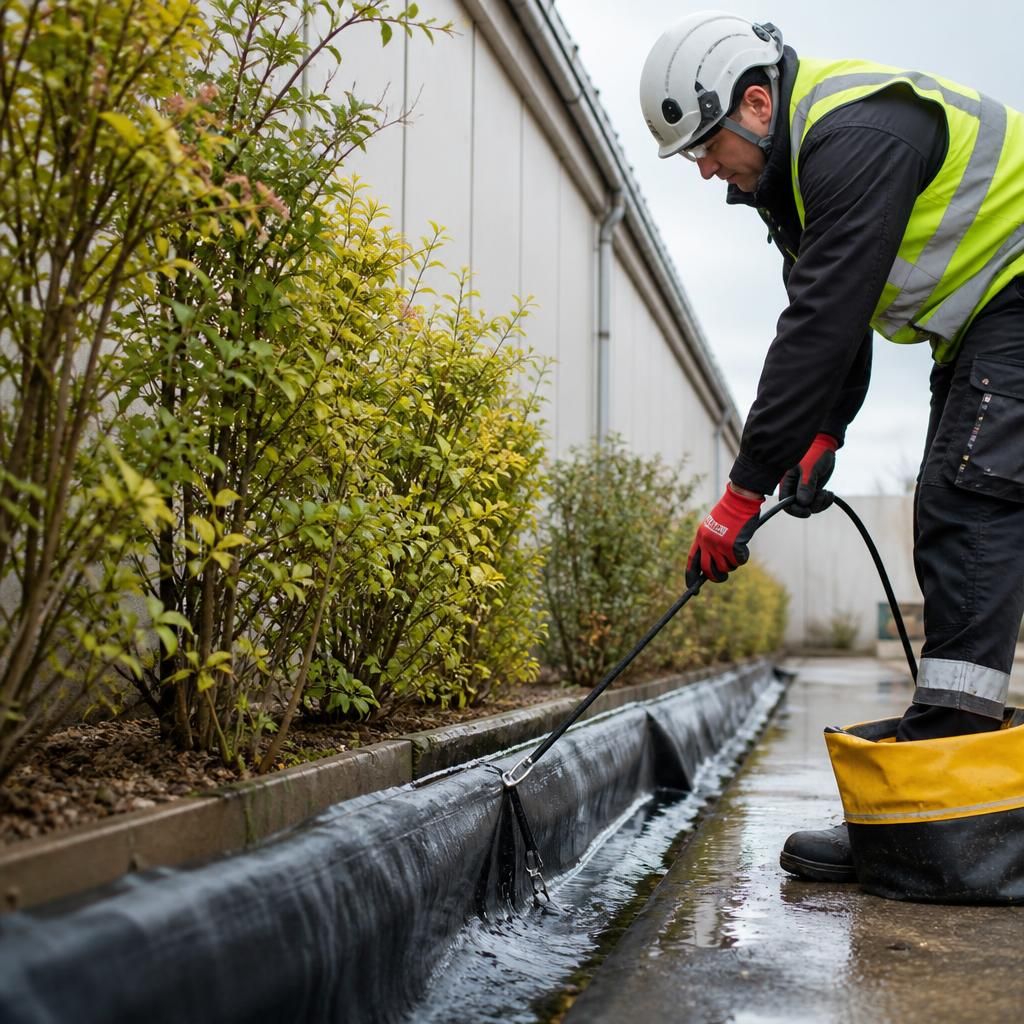
The main environmental consideration when using soft wash techniques on tile roofs is the management of cleaning solution and contaminated runoff. Although soft washing typically uses less water and lower pressure than jet washing, loosened moss, algae and product residue can still affect plants, soil, drains and watercourses if they are allowed to spread uncontrolled.
Responsible cleaning involves protecting nearby vegetation, applying the solution accurately, preventing discharge into surface-water drains and collecting or diverting debris where necessary. Using the mildest effective product at the correct dilution, followed by appropriate rinsing and wastewater handling, helps reduce the impact on the surrounding property and environment.
Arrange an environmentally responsible soft wash roof assessment
Arrange an environmentally responsible soft wash roof assessment so we can review the tile condition, surrounding vegetation and drainage before recommending a suitable cleaning approach. We will also identify practical measures for controlling runoff and protecting the wider property.