
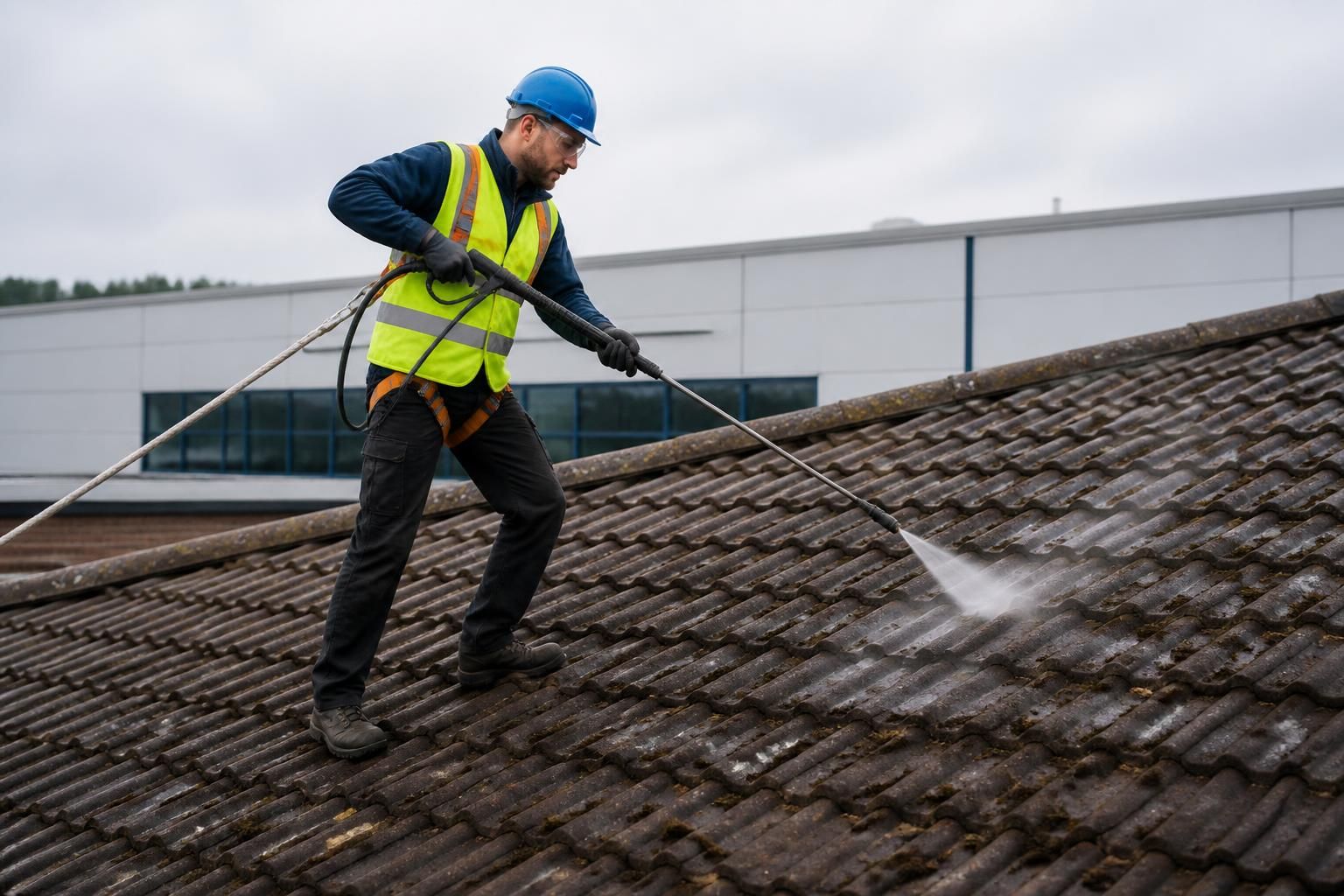
What are the cost considerations and factors affecting the pricing of a soft wash tile roof cleaning service?
The cost of soft wash tile roof cleaning depends on the roof’s size, condition, tile type, access requirements and the treatment needed to remove moss, algae, lichen and staining. Additional pricing factors can include protective measures for surrounding areas, equipment or access platforms, gutter clearing and any follow-up treatment required to maintain the result.
The cost of a soft wash tile roof cleaning service is determined mainly by the roof’s size, tile condition, access, level of contamination and the treatment required. A straightforward roof with safe access and light organic growth will normally cost less to clean than a large, steep or heavily contaminated roof requiring extensive preparation, specialist access equipment, several treatment stages or additional protection for the building and surrounding areas.
Soft washing uses low-pressure application rather than aggressive jetting. The price therefore covers more than the time spent applying a cleaning solution. It may include inspection, preparation, safe access, protection of surfaces, controlled treatment, rinsing where appropriate, waste-water management and a final inspection. A reliable quotation should explain what is included and identify any work that may be charged separately.
Roof size and layout
The total roof area is an important starting point because it affects the quantity of cleaning solution, water, labour and time needed. However, the measured footprint of a building does not always represent the area that must be cleaned. Roof pitches, dormers, hips, valleys, roof extensions, porches and detached sections can all increase the working area and make the process more involved.
A simple roof with broad, accessible slopes is generally more efficient to clean than one divided into several sections. Detailed roof geometry can also require more careful application to prevent solution from reaching adjacent walls, windows, rooflights or planted areas.
Condition of the tiles and level of contamination
Algae, light surface staining and limited moss growth may require less preparation than thick moss, lichen, embedded organic matter or long-standing discolouration. Where growth is substantial, loose material may need to be removed carefully before the soft wash treatment. This additional preparation takes time and must be carried out without damaging tiles, mortar joints, flashings or underlay.
The condition of the roof can also affect the scope of work. Brittle, cracked, slipped or heavily weathered tiles may need to be recorded before cleaning, and some areas may be unsuitable for direct access. Cleaning does not replace roof repairs, so remedial work is normally excluded unless it has been agreed separately. If damaged tiles or defective pointing are identified, the findings should be reported rather than concealed by the cleaning process.
Tile type and roof construction
Concrete, clay, slate-effect and other tile types can respond differently to cleaning solutions, dwell times and rinsing requirements. The technician may need to adjust the treatment after identifying the tile material, surface finish and level of weathering. Older or more delicate tiles usually require more conservative methods and closer monitoring.
Roof design also matters. Fragile features, conservatories, rooflights, solar equipment, leadwork and exposed insulation may require additional controls. A professional assessment should confirm whether the proposed treatment is suitable for the particular roof rather than applying the same process to every property.
Access and safety requirements
Access is often one of the most significant pricing factors. A low roof with clear ground access may be approached using standard equipment, while a high, steep or obstructed roof may require scaffold, a tower, a mobile elevating work platform or other specialist access equipment. The cost can also be affected by narrow entrances, sloping ground, public footpaths, neighbouring properties and restrictions on where equipment can be positioned.
Safe working arrangements may include edge protection, exclusion zones, suitable personal protective equipment and measures to control falling debris or overspray. These controls protect people and property and should not be omitted simply to reduce the initial price. Where access equipment is needed, the quotation should state whether delivery, installation, collection and any required permits are included.
Preparation and protection of surrounding areas
Soft wash solutions must be applied in a controlled manner. Before treatment, the cleaning team may need to protect walls, windows, doors, cladding, gutters, vehicles, garden areas, ponds and other sensitive surfaces. Plants may require pre-wetting, temporary covering or post-treatment rinsing, while water-sensitive equipment may need to be isolated or shielded.
The amount of preparation depends on the roof’s position and the surrounding property. A detached building with clear space around it may need fewer protective measures than a terraced property, commercial premises or roof above a landscaped area. Where run-off must be captured, diluted or directed carefully, this can add time and equipment to the work.
Cleaning treatment and follow-up options
The level of treatment required will depend on the type and severity of the growth. Some roofs can be cleaned with one controlled application, while others need a staged process or a later return visit to assess the result. In some cases, a residual treatment is offered to slow the return of algae, moss or lichen. This should be described clearly as an optional or included part of the service, along with any conditions attached to follow-up visits.
Soft washing may improve the appearance of staining without making every mark disappear immediately. Lichen can be firmly attached to the tile surface, and dead growth may weather away over time rather than being removed by force. The expected visual result should therefore be agreed before work begins. A quotation based on realistic treatment outcomes is more useful than one that implies every roof will look new.
Gutter clearing and related work
Moss and debris removed from roof areas can collect in gutters, outlets and downpipes. Clearing these areas may be included in the cleaning package, priced as an additional service or excluded altogether. The quotation should specify whether it covers gutter emptying, downpipe checks, fascia and soffit cleaning, roof sealing, tile replacement or biocidal after-treatment.
These services are not automatically part of soft wash roof cleaning. Separating them in the quotation makes it easier to compare the actual cleaning cost and prevents unexpected additions after the work has started.
Location, scheduling and site conditions
Travel distance, parking restrictions, site access times and the need to work around tenants, customers or other contractors can influence the price. Commercial or multi-property work may require method statements, risk assessments, insurance documentation and coordinated scheduling. Weather can also affect when treatment is safe and effective, particularly where wind, heavy rain or freezing conditions would increase the risk of overspray or uncontrolled run-off.
For larger sites, a planned maintenance arrangement may provide a different cost structure from a one-off clean. The suitable option depends on the roof’s exposure, rate of organic growth, building use and the client’s maintenance objectives. Regular inspection can help identify developing problems before heavy growth requires more preparation and access work.
What to check in a soft wash roof cleaning quotation
- Whether the price is based on an assessed roof area or an estimate from external measurements.
- The tile type, roof sections and level of moss, algae or lichen included in the scope.
- The cleaning method, solution application, rinsing procedure and any residual treatment.
- Access equipment, safety measures, travel, parking and permits.
- Protection of windows, walls, landscaping, water features and other surrounding property.
- Whether gutter clearing, waste removal and final rinsing are included.
- Any exclusions, including roof repairs, replacement tiles, scaffold, specialist access or follow-up visits.
- Whether the quoted price includes VAT and how additional work will be authorised.
A site assessment is the most dependable way to establish the cost because photographs or measurements alone may not reveal tile fragility, restricted access, run-off risks or the true extent of organic growth. When comparing quotations, the lowest figure may not represent the same level of preparation, protection or safety control. The most useful comparison is between clearly defined scopes of work, with any optional treatments and potential extra costs identified before cleaning begins.
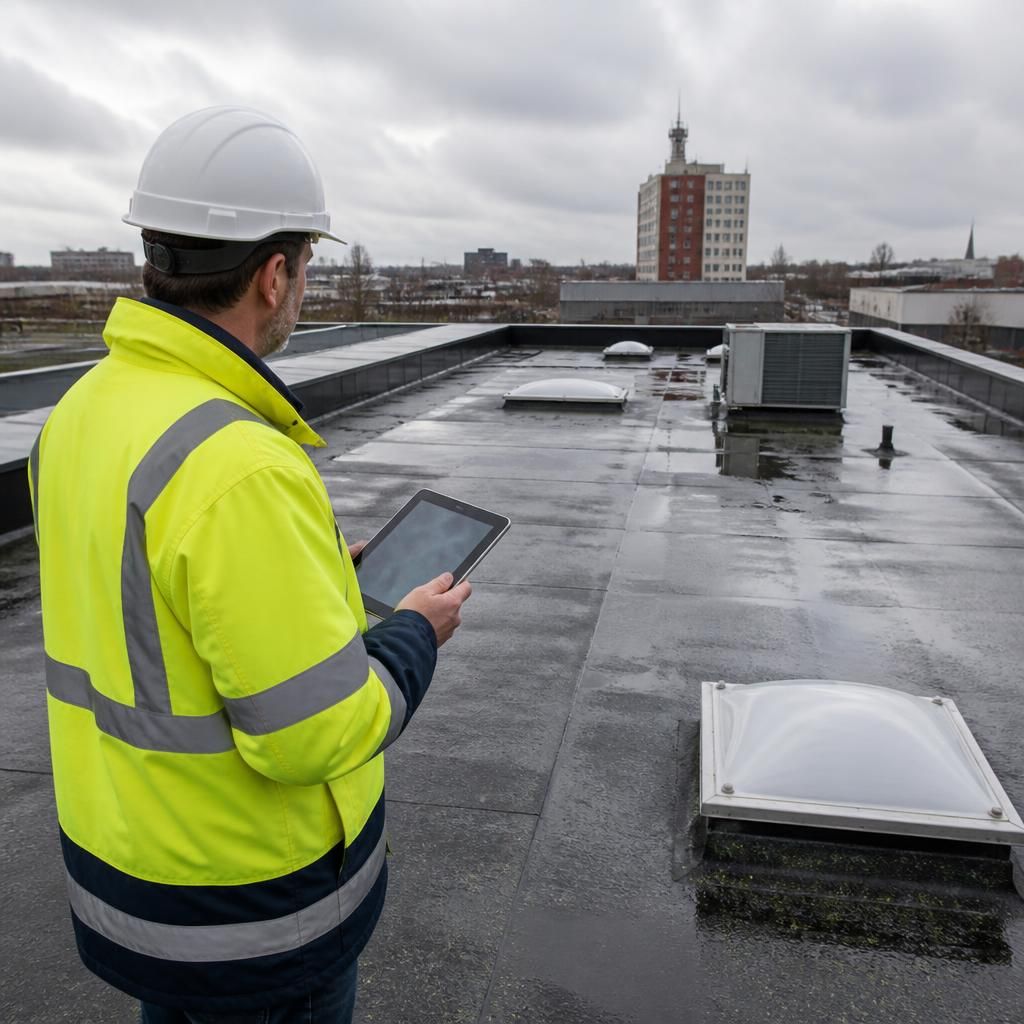
A site assessment is the most reliable way to establish the cost of soft wash tile roof cleaning. Photographs and measurements may show the approximate roof area, but they cannot always reveal fragile tiles, steep pitches, restricted access, surrounding landscaping or the controls needed to manage run-off and overspray.
During an assessment, the cleaning scope can be matched to the roof’s condition, tile type and level of moss, algae or lichen. The quotation should then identify what is included, such as preparation, access equipment, surface protection, treatment, gutter clearing and any follow-up visit. It should also state exclusions, VAT and how additional work will be authorised, making it easier to compare quotations on a like-for-like basis.