
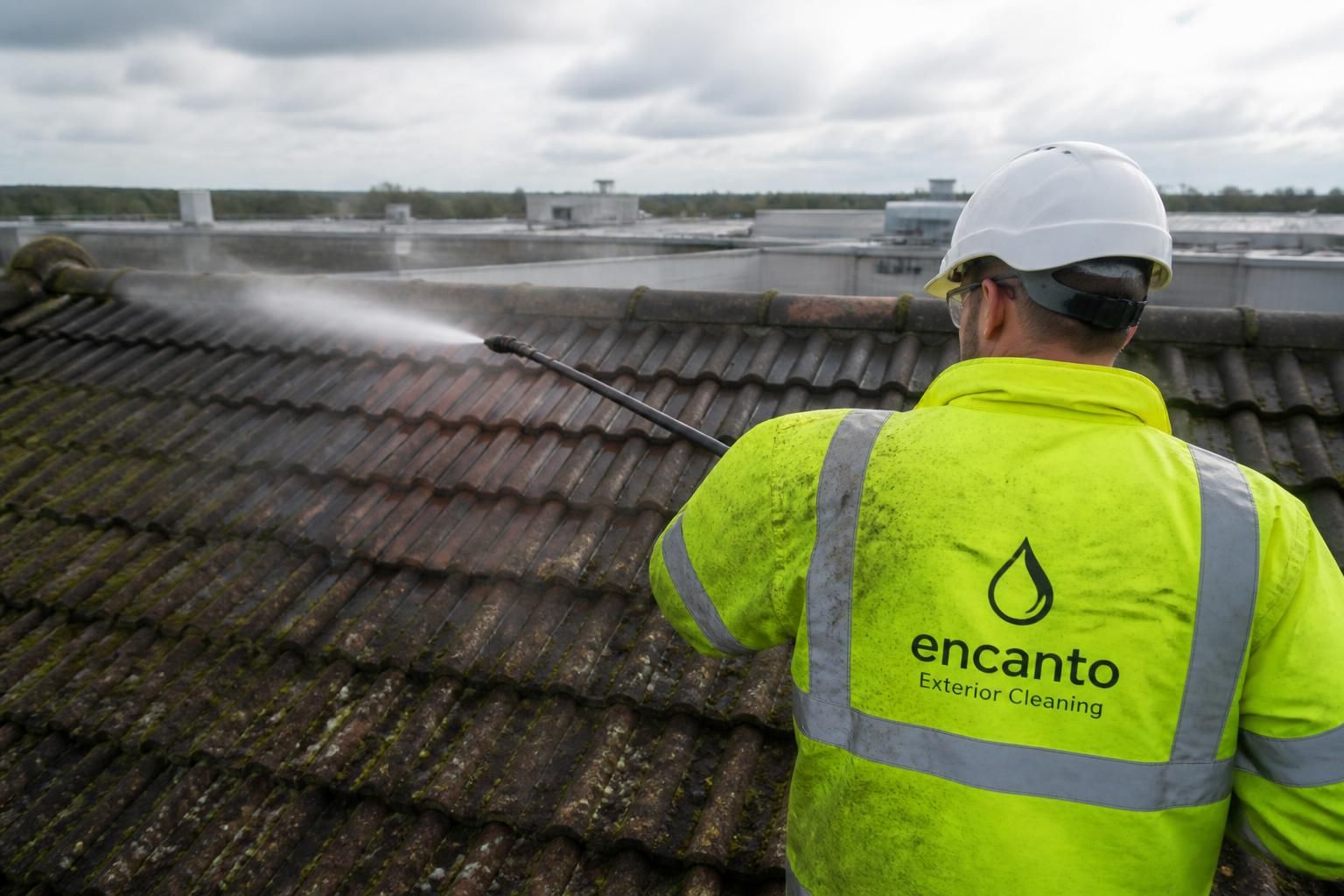
Is it necessary to schedule regular soft wash tile roof cleaning?
Regular soft wash tile roof cleaning is advisable where moss, algae, lichen or atmospheric dirt are recurring, but the schedule should be based on the roof’s condition and surroundings rather than a fixed interval. Planned inspections and timely cleaning help prevent build-up from retaining moisture, obstructing drainage and contributing to tile or roofline deterioration.
Regular soft wash tile roof cleaning is advisable when a roof is exposed to recurring moss, algae, lichen or atmospheric dirt, but it is not necessary to clean every tile roof on a fixed schedule. The appropriate frequency depends on the roof’s condition, surrounding environment, tile type, drainage and the amount of organic growth present. Planned inspections allow cleaning to be arranged before contamination causes avoidable deterioration.
Tile roofs are continually exposed to rain, wind pollution, falling leaves and airborne spores. Shaded or damp areas may retain moisture for longer, encouraging moss, algae and lichen to establish on the tiles and around the roofline. Moss can lift or displace tiles as it thickens, while organic growth and debris may obstruct valleys, gutters and outlets. A soft wash removes this contamination using suitable cleaning solutions and controlled application, rather than relying on aggressive pressure that could damage the tile surface or force water beneath the tiles.
Regular maintenance is particularly worthwhile where:
- the roof is shaded by trees or nearby buildings;
- the property is in a damp, sheltered or heavily vegetated location;
- moss, algae or lichen has previously returned after cleaning;
- leaves and organic debris collect in valleys, gutters or behind roof features;
- the roof has a north-facing or otherwise poorly sunlit elevation;
- the building is commercial, managed or frequently inspected for appearance and maintenance standards; or
- early signs of blocked drainage, staining or tile displacement have been noticed.
A roof in an open, well-drained position may need cleaning less often than one beneath overhanging trees. Conversely, arranging a clean only after heavy moss growth has developed can make the work more disruptive and increase the risk of damage during removal. Soft washing is most effective as part of preventative maintenance, not simply as a response to severe build-up.
There is no universal interval that suits every property. A sensible approach is to include the roof in routine property inspections and assess whether cleaning is required based on visible growth and contamination. Some roofs may remain in good condition for several years after treatment, while others may need more frequent attention because of shade, moisture or nearby vegetation. The roof should be reviewed after periods of heavy growth and following seasonal leaf fall, particularly where gutters and valleys are prone to blockage.
Signs that a soft wash assessment may be due include:
- green, black or grey staining across the tile surface;
- moss forming thick mats or spreading along laps and edges;
- lichen attached firmly to tiles;
- debris collecting in gutters, valleys or around roof penetrations;
- slow drainage or overflowing gutters during rainfall;
- tiles becoming difficult to see beneath organic growth; or
- loose, cracked or lifted tiles that may be associated with prolonged moisture and root growth.
A professional assessment should distinguish surface contamination from defects that require separate roof repairs. Soft washing can clean organic growth and atmospheric soiling, but it will not correct cracked tiles, failed flashing, defective pointing, damaged underlay or structural problems. Any such issues should be recorded and referred to an appropriate roofing professional before or alongside the cleaning work.
During scheduled maintenance, the cleaning process should be selected for the tile material and the condition of the roof. Loose growth may be removed with controlled, non-abrasive methods before a suitable soft wash solution is applied. The solution is allowed to work on the contamination and then rinsed or treated in a way that limits disturbance to the tiles. Surrounding walls, windows, paving, plants, water features and drainage points should be protected, and run-off should be managed responsibly.
Regular inspections also provide an opportunity to check gutters, downpipes, roof edges and accessible roofline details. Keeping nearby trees and vegetation under control can reduce the rate at which organic matter returns, although it cannot eliminate airborne spores or normal weather-related soiling. Any preventative treatment should be chosen with regard to the roof material, local conditions and environmental precautions.
For commercial and managed properties, scheduled roof cleaning can form part of a wider external maintenance plan. This makes it easier to coordinate access, protect occupants and visitors, maintain drainage and address defects before they become more disruptive. It also helps preserve a clean, professional appearance without waiting for staining or moss to become prominent.
In summary, regular soft wash tile roof cleaning is not an automatic requirement at a set interval, but planned inspection and condition-based cleaning are recommended where contamination is likely to recur. Cleaning before moss, lichen, algae and debris become excessive helps protect the roof surface, support effective drainage and reduce the likelihood of avoidable maintenance problems.
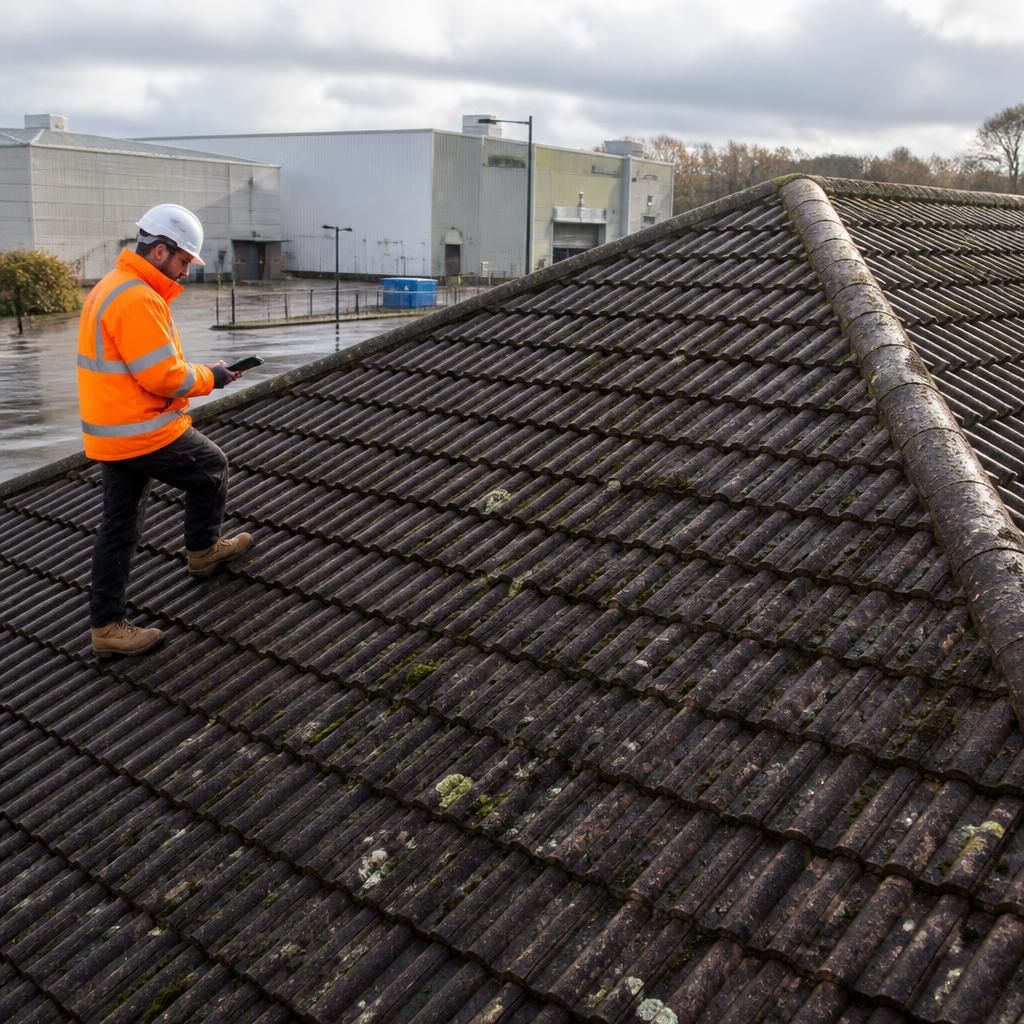
Regular soft wash tile roof cleaning is best scheduled according to the roof’s condition and exposure, rather than an automatic fixed interval. Shaded elevations, nearby trees, damp surroundings and poor drainage can encourage moss, algae and lichen to return more quickly.
Planned inspections help identify contamination before it becomes heavy enough to retain moisture, obstruct gutters or affect tile laps and edges. Cleaning at this stage is generally more controlled than removing thick, established growth, and it allows any cracked, loose or displaced tiles to be reported for separate roofing repairs. Include the roof within routine property maintenance checks, particularly after periods of wet weather or seasonal leaf fall, and arrange soft washing when visible growth or staining begins to develop.