
How often should a tile roof undergo soft wash cleaning to maintain its condition?
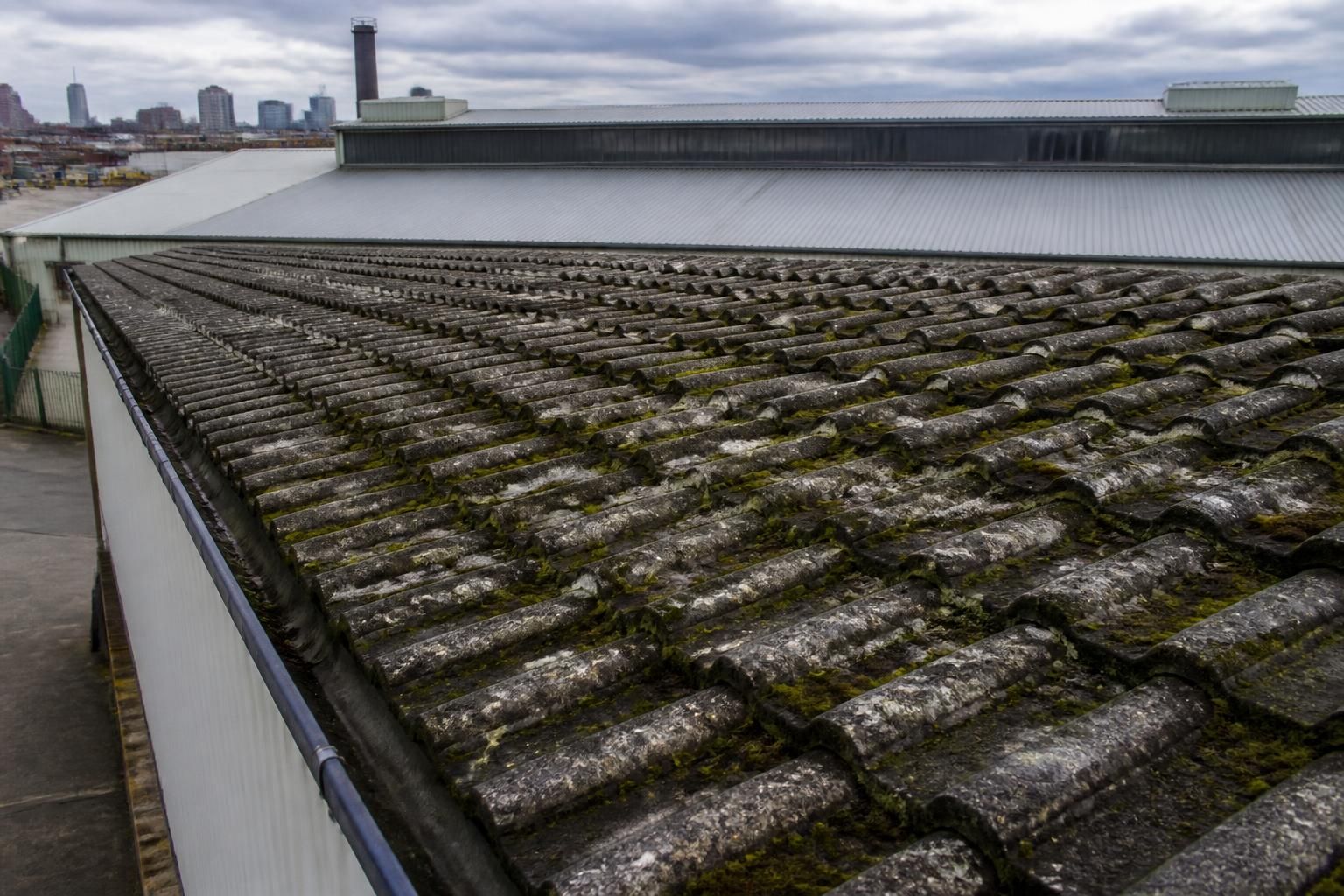
A tile roof should typically undergo soft wash cleaning every two to five years, with the exact interval depending on moss and algae growth, surrounding trees, roof aspect, local weather and the tile condition. Arrange an earlier inspection if moss, lichen or staining is returning, as timely treatment helps prevent moisture retention and deterioration.
A tile roof will typically benefit from soft wash cleaning every two to five years, although the appropriate interval depends on the roof’s exposure, tile condition and rate of moss, algae or lichen growth. Roofs beneath overhanging trees, in shaded areas or exposed to persistent damp weather may need attention more frequently, while a roof in an open, sunny position may remain clean for longer.
Soft washing should be planned as part of a wider roof maintenance programme rather than treated as a fixed calendar task. A visual inspection can identify whether cleaning is due and whether any underlying repairs should be completed first. Cleaning should not be delayed until moss becomes thick or widespread, because established growth can retain moisture against the tiles, obstruct drainage channels and make safe access more difficult.
Factors that affect the cleaning interval include:
- Shade and moisture: North-facing or shaded roof slopes dry more slowly, creating conditions in which moss, algae and lichen can return sooner.
- Nearby vegetation: Trees can deposit leaves, seeds and organic debris on the roof, while overhanging branches reduce sunlight and airflow.
- Roof aspect and exposure: Slopes that receive limited sunlight or are exposed to driving rain may require closer monitoring than well-drained, sunny areas.
- Tile type and condition: Older, weathered or porous tiles can hold moisture and organic growth more readily than sound, well-maintained tiles.
- Previous cleaning and treatment: The quality of the initial clean, the treatment used and ongoing maintenance all influence how quickly contamination returns.
- Local conditions: Birmingham, the wider West Midlands and other parts of the UK can experience damp conditions that support recurring biological growth, particularly during prolonged wet periods.
Arrange an inspection sooner if you notice green or black staining, moss along tile edges, lichen attached to the surface, blocked gutters or downpipes, or debris accumulating in roof valleys. Loose-looking moss, overflowing gutters and damp marks within the loft also warrant prompt investigation. These signs do not always mean that the whole roof requires cleaning, but they indicate that its condition should be assessed by a suitably experienced contractor.
Soft wash cleaning is generally preferred for tile roofs because it uses controlled application and low-pressure rinsing rather than relying on force to remove contamination. This helps reduce the risk of dislodging tiles, damaging the tile surface or driving water beneath overlaps. The cleaning method and solution must still be selected for the particular tile material, the level of growth and the surrounding property. A roof should not be cleaned aggressively simply to meet a predetermined schedule.
For many properties, a practical approach is to inspect the roof annually and schedule soft washing when contamination is established or beginning to return. An annual inspection does not mean annual cleaning is necessary. It allows early signs of growth, damaged tiles, failing bedding, blocked drainage and other maintenance issues to be identified before they become more costly or disruptive.
After cleaning, keeping gutters clear and trimming back vegetation can help extend the period between treatments. Regularly removing leaf build-up from accessible areas and checking that water is draining correctly can also reduce moisture retention. Roof work should only be carried out using appropriate access equipment and safety controls; walking directly on fragile or weathered tiles can cause damage.
The most suitable schedule should therefore be based on the roof’s actual condition. A two-to-five-year interval is a useful general guide, but a roof with persistent shade and heavy moss may require earlier treatment, whereas a clean, well-drained roof may only need inspection and occasional cleaning. If growth is returning rapidly after treatment, the cause should be investigated rather than repeatedly applying cleaning chemicals without addressing shade, vegetation, drainage or damaged tiles.
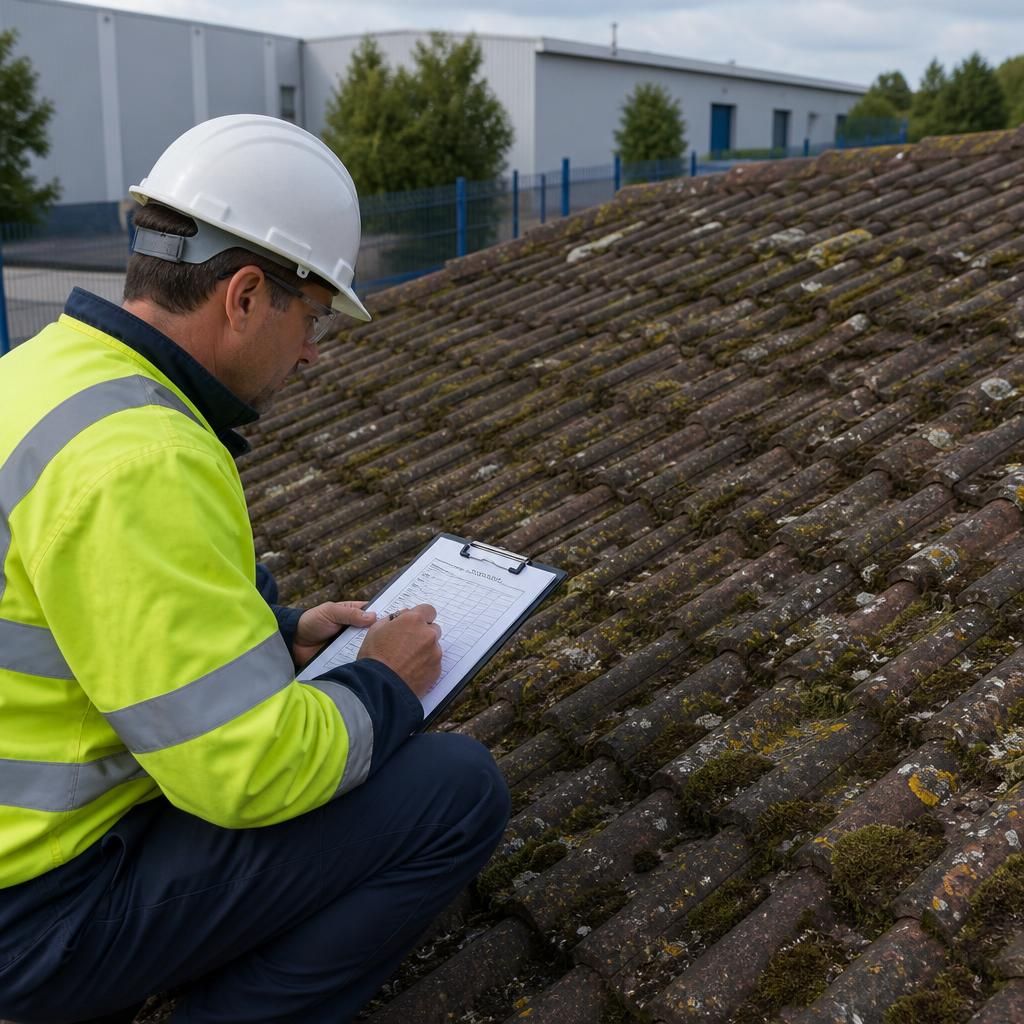
An annual roof inspection is usually more appropriate than automatically arranging annual soft wash cleaning. It allows moss, algae, lichen, blocked drainage and damaged tiles to be identified early, while cleaning is scheduled only when the roof’s condition requires it.
Roofs beneath trees, in persistent shade or exposed to damp conditions may need soft washing more frequently than open, sunny roofs. If growth is returning quickly, the cause should also be addressed by checking vegetation, gutters, drainage and airflow rather than repeatedly cleaning the tiles without resolving the underlying issue.