
Can soft wash tile roof cleaning help reduce energy costs?
Soft wash tile roof cleaning can help reduce energy costs indirectly by removing algae, moss and organic build-up that retain moisture and contribute to heat absorption. However, any saving will depend on the roof’s condition, colour, insulation and ventilation; cleaning supports roof performance but is not a substitute for improving insulation or repairing defects.
Soft wash tile roof cleaning can help reduce energy costs indirectly by removing algae, moss, lichen and other organic build-up that can retain moisture and increase heat absorption. A clean roof may remain closer to its intended thermal performance, particularly where contamination is extensive, but cleaning alone is not an energy-efficiency upgrade. The effect depends on the roof’s colour, condition, insulation, ventilation, orientation and the extent of the contamination.
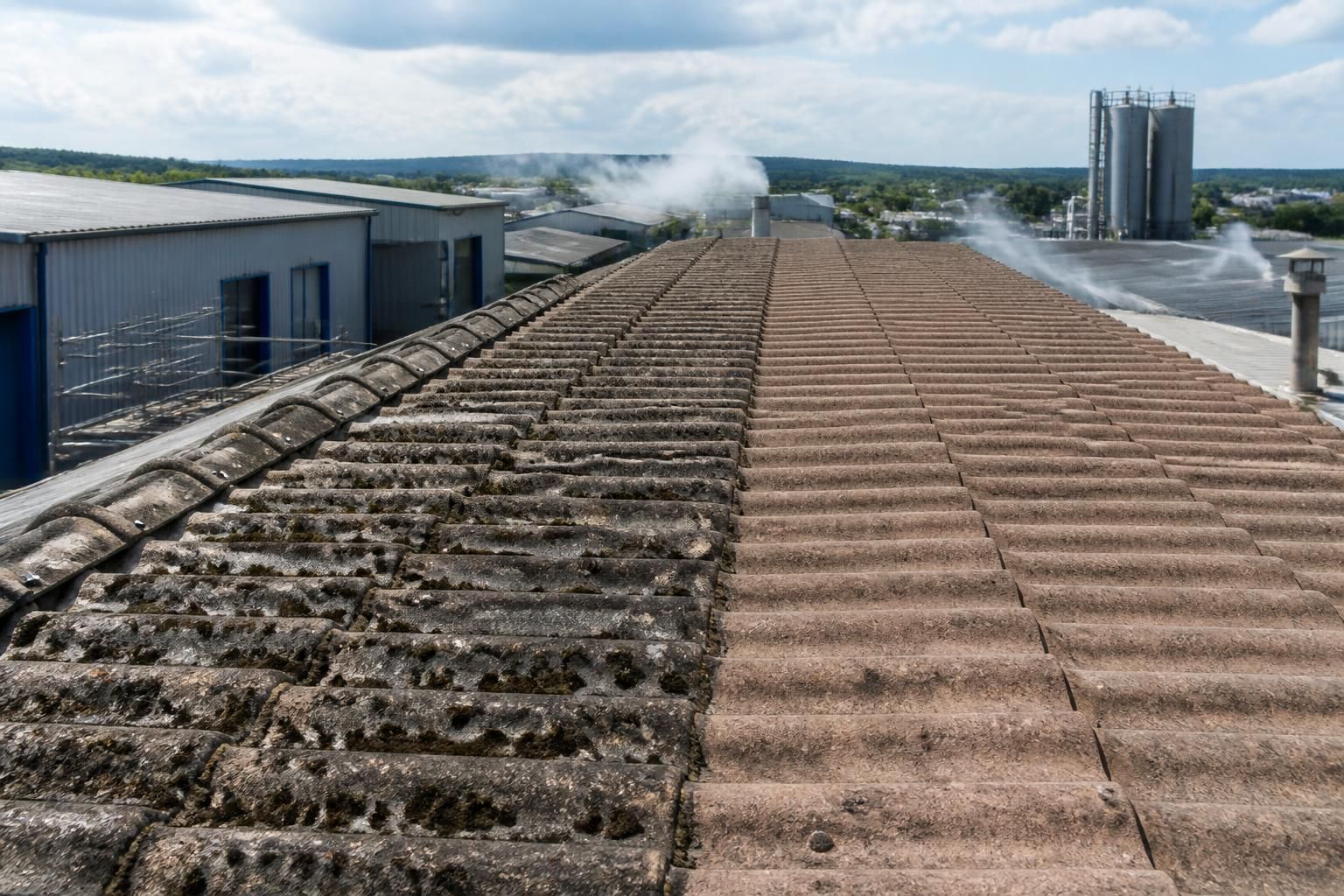
Roof coverings are exposed to sunlight, rain and changing temperatures. Dark organic growth and embedded dirt can alter how the surface absorbs and releases heat. In warmer weather, a heavily soiled roof may contribute to greater heat transfer into the roof space. Moss and other growth can also hold moisture against the tiles, which may keep the roof structure damp and reduce the effectiveness of some insulation materials if water reaches the underlying layers.
Soft washing addresses these issues by applying a suitable cleaning solution at low pressure, allowing it to break down biological growth before the surface is rinsed or treated as appropriate. Unlike aggressive pressure washing, the process is designed to clean the tiles without unnecessarily displacing protective finishes, damaging the tile surface or forcing water beneath the coverings. Removing the build-up helps the roof shed water more effectively and keeps the surface in the condition intended by the tile manufacturer.
The potential energy benefit is usually indirect rather than immediate. Cleaning may help to:
- reduce dark, heat-absorbing organic deposits on the roof surface;
- limit moisture retention around tiles and roof details;
- support more effective drainage by clearing obstructed channels and tile laps where appropriate;
- protect the roof covering from deterioration that could eventually allow dampness into the roof space; and
- help maintain the performance of the existing insulation and ventilation system by reducing avoidable moisture-related problems.
These benefits should be kept in proportion. A clean roof will not compensate for missing or compressed insulation, blocked ventilation, draughts, damaged underlay, defective flashing or gaps around roof penetrations. Heat loss during colder months is generally influenced more by the building envelope than by surface cleanliness. If the objective is to lower heating or cooling demand, the roof should be assessed alongside the loft insulation, ventilation and any signs of water ingress.
Tile colour and roof position also affect the likely outcome. A dark roof in full sun may experience more heat build-up than a lighter roof, while a north-facing or shaded roof may be more affected by persistent dampness and biological growth. The amount, thickness and location of the contamination matter as well. Light surface staining is unlikely to produce a noticeable change in energy use, whereas extensive moss or lichen growth may indicate a greater risk of moisture retention and blocked drainage.
Before cleaning, the roof should be inspected for cracked or loose tiles, failed pointing, damaged mortar, defective flashing and vulnerable roof details. Existing defects need to be recorded and addressed through the appropriate roofing contractor where necessary. Soft washing is intended to remove contamination safely; it should not be used to conceal structural problems or replace repairs. Identifying these issues before treatment also helps prevent avoidable water entry during the cleaning process.
A suitable service will also consider the surrounding property, rainwater systems and landscaping. Downpipes and collection points may need protection or temporary management, and run-off should be controlled in accordance with the cleaning method and the site conditions. Using the correct solution at the appropriate dilution and applying it only where required helps achieve effective cleaning without unnecessary chemical use or excessive rinsing.
After treatment, keeping gutters, valleys and roof drainage routes clear is important. Regular inspections can identify new growth, standing water or damaged tiles before these problems affect the roof space. The appropriate cleaning interval varies according to nearby trees, shade, moisture levels, roof orientation, tile condition and local exposure, so a fixed schedule is not suitable for every property.
In practical terms, soft wash tile roof cleaning can support lower energy consumption where roof contamination is contributing to heat absorption or dampness, but any saving should be treated as a possible secondary benefit rather than a guaranteed result. The most reliable approach is to combine professional roof cleaning with sound insulation, adequate ventilation, prompt repairs and sensible maintenance. Where energy costs are a concern, we can help identify whether roof contamination is the relevant issue or whether a separate roof-space or building-efficiency assessment is needed.
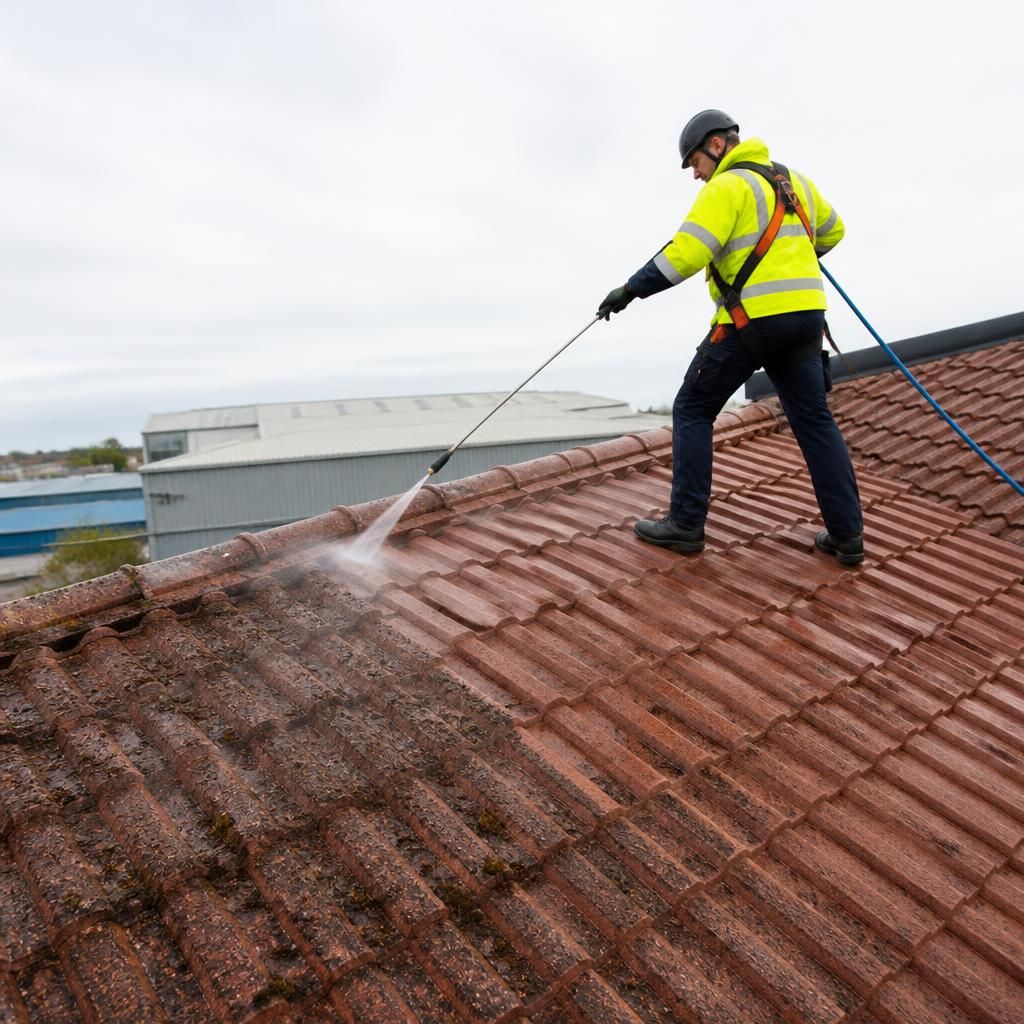
Soft wash tile roof cleaning can support lower energy use indirectly by removing dark moss, algae, lichen and dirt that retain moisture and absorb heat. This may help the roof perform closer to its intended condition, particularly where contamination is extensive, but cleaning is not a replacement for effective insulation, ventilation or roof repairs.
The likely benefit depends on the roof’s colour, orientation, condition and level of organic growth. A clean, well-maintained roof can shed rainwater more effectively and reduce moisture-related problems, while damaged tiles, blocked ventilation or damp insulation will usually have a greater effect on energy performance.
Arrange a soft wash roof assessment
Arrange a soft wash roof assessment with Encanto Exterior Cleaning to determine whether moss, algae or other build-up is affecting your tile roof’s condition and performance. We can identify visible defects and recommend the appropriate cleaning or maintenance approach.