
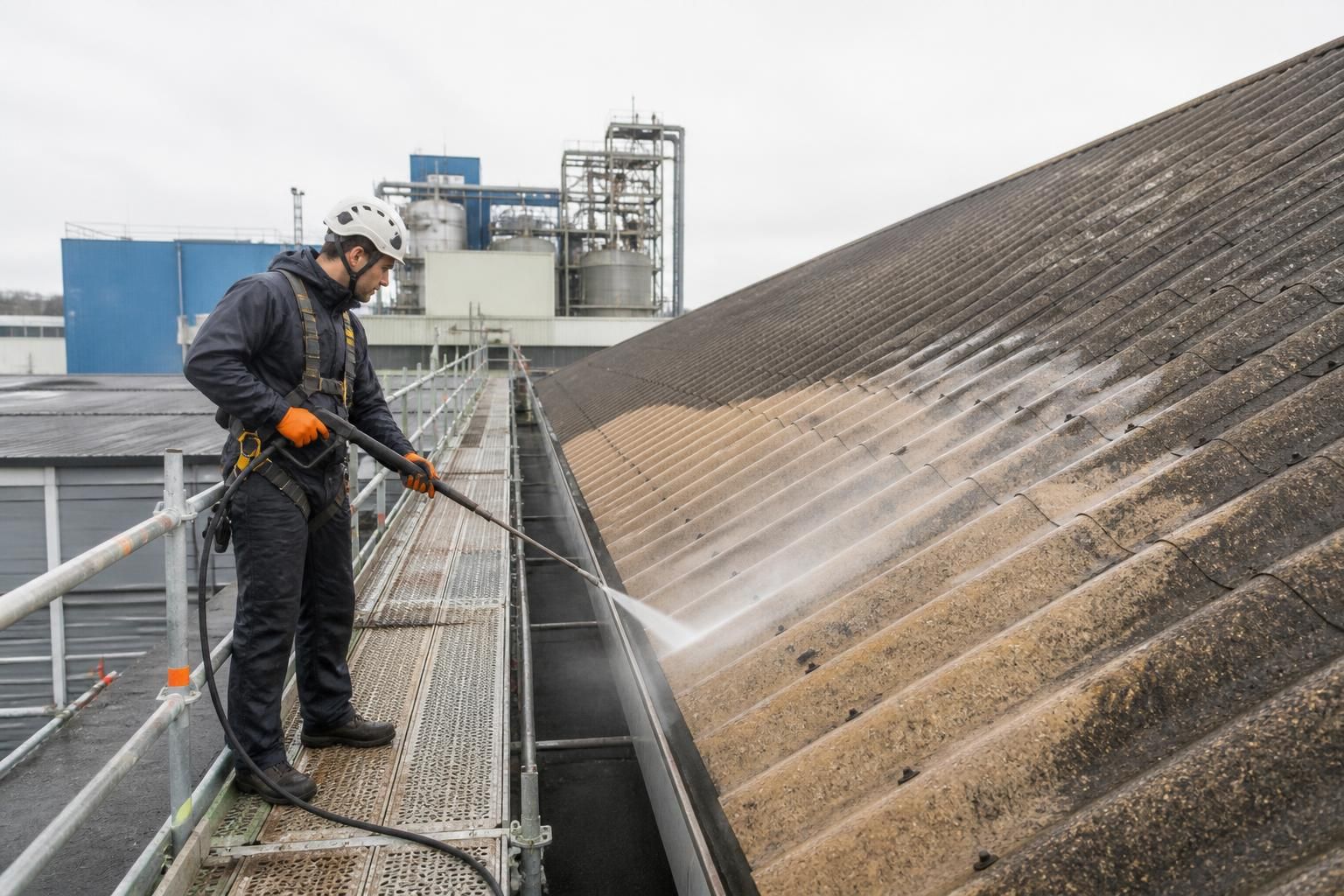
How do I decide between roof pressure cleaning and soft wash for my specific roof type?
Choose between roof pressure cleaning and soft washing by considering the roofing material, its condition, existing coatings and the type of contamination. Pressure cleaning may suit sound, durable surfaces, while soft washing is generally safer for fragile, weathered, coated or easily displaced materials; a professional inspection should confirm the method and pressure before work begins.
The right method depends on the roofing material, its condition, surface coatings, construction and the type of contamination present. Pressure cleaning can be suitable for sound, durable roof coverings when the equipment is correctly controlled, while soft washing is usually the safer option for fragile, aged, coated or easily displaced materials. A professional inspection should always determine the cleaning method, pressure level and cleaning products before work starts.
Start with the roof covering
- Concrete tiles: Sound concrete tiles can often tolerate controlled pressure cleaning, particularly where the main problem is heavy dirt, moss or lichen. However, older tiles may have become porous, cracked or loose, so pressure should not be assumed to be suitable simply because the material is concrete. Soft washing may be preferable where the tiles are weathered or where biological growth needs treating rather than forcibly removed.
- Clay tiles: Clay is durable but can be brittle, especially when aged or damaged. High-pressure cleaning may chip edges, disturb overlapping tiles or remove the surface finish. A low-pressure approach, gentle manual removal and a compatible soft-wash treatment are generally more appropriate where the roof is fragile.
- Natural slate: Slate can split, delaminate or become displaced if pressure is directed beneath the laps or fixings. Cleaning should normally use very low pressure or a soft-wash process, with particular care around exposed edges, nails, hooks and flashings. Loose or deteriorated slates should be repaired rather than cleaned with aggressive equipment.
- Metal roofing: Coated steel, aluminium and other metal systems can often be cleaned with controlled low pressure and a suitable detergent. Abrasive pressure or incompatible chemicals may damage paint, protective coatings, seals and fixings. Soft washing can be useful for organic growth, but the product must be compatible with the coating and thoroughly rinsed where required.
- Asphalt or mineral-finished shingles: These surfaces can lose their granules when exposed to excessive pressure, reducing protection and accelerating deterioration. Soft washing or a manufacturer-approved low-pressure method is normally more suitable. Walking on the surface and directing water beneath the shingle edges should also be avoided.
- Flat roofs: EPDM, single-ply membranes, felt, GRP and liquid-applied systems vary considerably. Pressure can lift seams, damage membranes or force water into joints. Soft washing may be appropriate for some systems, but chemical compatibility, drainage, ponding water and the condition of seams must be checked first. Cleaning should not replace repairs to blisters, splits or failed detailing.
Assess the roof’s condition, not just its material
A relatively robust roof may still be unsuitable for pressure cleaning if tiles are loose, cracked, porous or already losing their finish. Signs that call for additional caution include missing or slipped tiles, exposed underlay, failing mortar, deteriorated flashing, open laps, corrosion, surface erosion and previous coating failure. If the roof covering or its fixings are unstable, cleaning can worsen the defect and water ingress may occur even when the equipment is used carefully.
Soft washing is not automatically risk-free. Water and cleaning solution can still enter damaged areas, affect vulnerable coatings or reach adjoining surfaces. A professional should identify defects before applying either method and recommend repairs where cleaning would create an avoidable risk.
Match the method to the contamination
- Loose dirt, dust and surface staining: Controlled pressure or a low-pressure rinse may remove these deposits efficiently from a sound, water-resistant surface.
- Moss: Physical removal may be needed for thick growth, but aggressive pressure can damage the roof beneath it. Remaining roots and spores may require a compatible treatment rather than repeated high-pressure washing.
- Algae, lichen and other biological growth: Soft washing is often better suited because the treatment can address contamination without relying solely on force. Dwell time, rinsing and run-off control must be managed correctly.
- Oil, soot, traffic film or construction residue: The appropriate approach depends on the contaminant and the roof finish. A detergent or specialist cleaning product may be more effective than increasing pressure, particularly where force could damage a coating.
Consider coatings, warranties and previous treatments
Existing paint, factory finishes, waterproofing systems, biocidal treatments and protective coatings should be identified before cleaning. Pressure can lift or abrade a failing coating, while chemicals can soften, discolour or strip an incompatible finish. Product information and any available manufacturer guidance should be checked, particularly for commercial roofs and systems that remain under warranty. If the roof has previously been sealed or treated, a test area should confirm that the proposed method does not leave patchiness, staining or loss of adhesion.
Understand the difference between pressure and soft washing
Pressure cleaning uses water force to detach contamination. It can be efficient on suitable, sound surfaces, but the pressure, nozzle, distance, angle and water volume must be controlled. A professional roof clean does not necessarily mean using maximum pressure; low-pressure rinsing may be the correct approach.
Soft washing uses a low-pressure application of water and a purpose-selected cleaning solution, followed by an appropriate dwell period and rinse. It can reduce the mechanical stress placed on a roof, but the chemical selection and application process are critical. Solutions must be kept away from people, plants, vehicles, façades, rainwater systems and sensitive drainage points, with run-off contained or managed responsibly.
Use a practical decision process
- Confirm the roof covering, age where known, construction and any manufacturer or warranty requirements.
- Inspect tiles, membranes, seams, fixings, flashings, gutters, rooflights and penetrations for damage or movement.
- Identify whether the contamination is loose dirt, biological growth, staining, grease or a combination of deposits.
- Check existing coatings and nearby materials that could be affected by pressure, water or cleaning chemicals.
- Carry out a small test area to assess cleaning performance, colour change, coating stability and rinse requirements.
- Select the lowest-impact method that achieves the required result, rather than choosing pressure or chemical treatment by default.
- Plan access, protection, water management and post-cleaning checks before the main work begins.
For many roofs, the best solution is a controlled combination: careful manual removal of thick growth, low-pressure rinsing and a compatible soft-wash treatment. Other roofs may need gentle pressure cleaning without aggressive chemicals. The method should be based on the roof’s actual condition rather than its appearance alone.
Where the covering is fragile, heavily weathered, coated, under warranty or difficult to access, arrange an assessment before booking a specific cleaning method. The inspection should explain the proposed pressure range, products, protection measures, test area and any defects that need attention. This approach provides a defensible choice between pressure cleaning and soft washing while reducing the risk of avoidable damage to the roof and surrounding property.
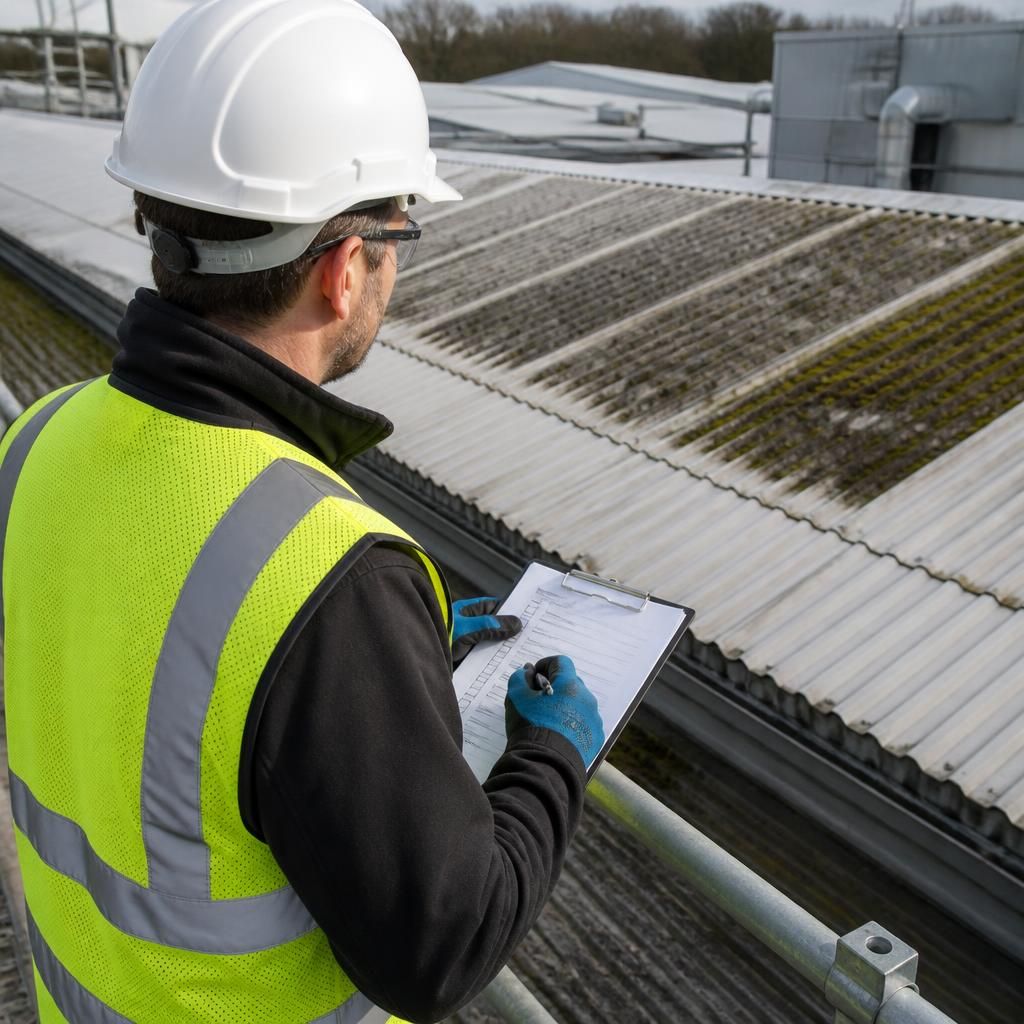
The safest choice between roof pressure cleaning and soft washing is determined by the roof’s condition as well as its material. A sound concrete tile roof may tolerate controlled, low-pressure cleaning, while an aged, cracked, coated or porous roof is usually better suited to a compatible soft-wash treatment.
Before work begins, inspect the covering, fixings, flashings, seams and existing coatings for defects. A small test area can then confirm whether the proposed pressure and cleaning solution remove the contamination without loosening tiles, stripping finishes or causing discolouration. The final method should use the least aggressive process that achieves the required result.