
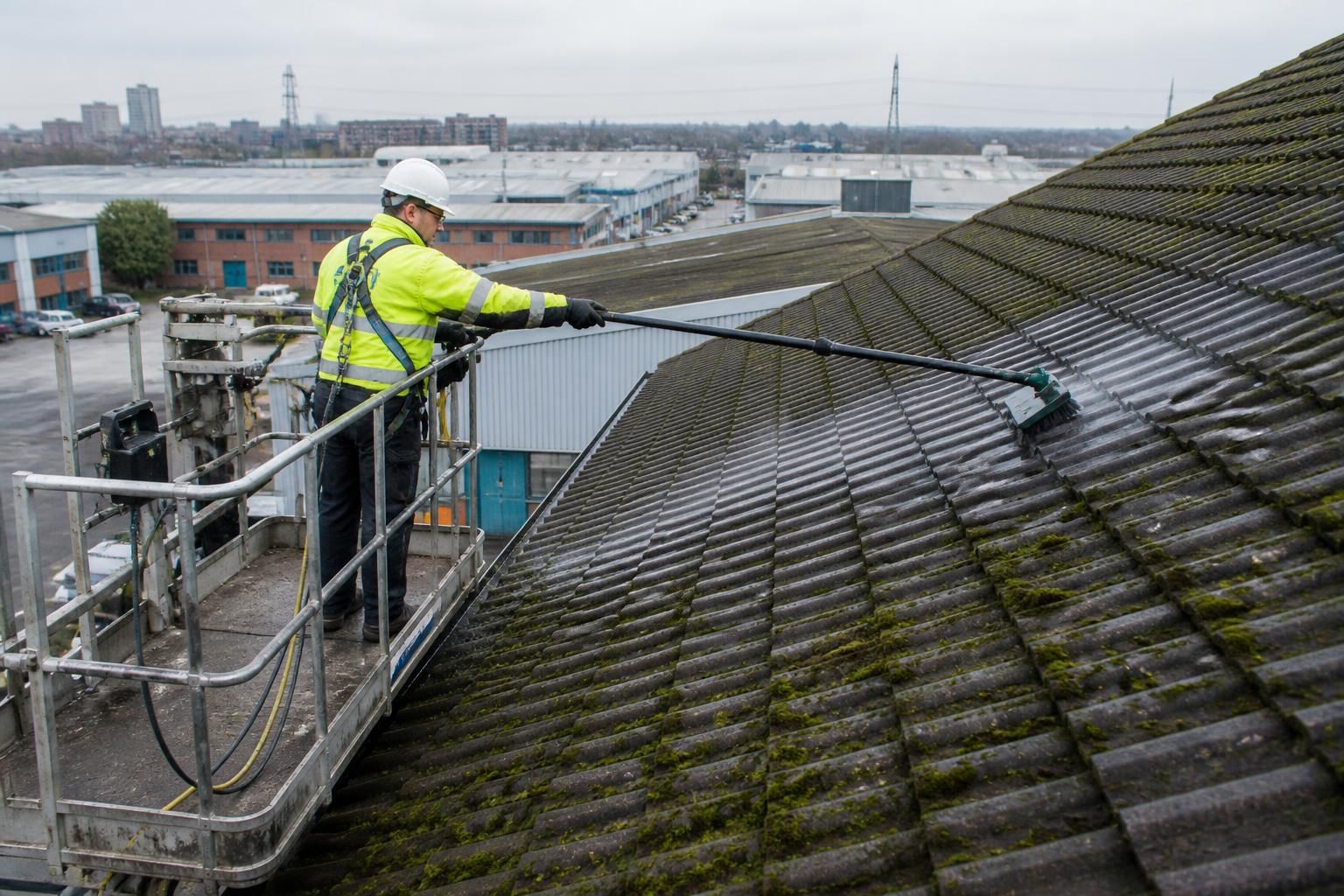
How do you determine the appropriate frequency for roof moss tile cleaning to prevent damage and maintain longevity?
The appropriate frequency for roof moss tile cleaning is determined by moss growth, roof condition, surrounding vegetation, moisture levels and the risk of blocked drainage or damaged tiles, rather than by a fixed schedule. Regular inspections, particularly after wet seasons or severe weather, allow cleaning to be arranged before moss causes deterioration, with higher-risk roofs requiring more frequent attention.
The appropriate frequency for roof moss tile cleaning is determined by the rate of moss growth, the condition and design of the roof, surrounding environmental conditions and the consequences of allowing moss to remain in place. A fixed cleaning interval is not suitable for every property. Instead, the roof should be inspected regularly and cleaned when moss coverage, moisture retention or blocked drainage creates a realistic risk of damage.
An annual roof inspection is a sensible baseline for many commercial properties, with additional checks after prolonged wet weather, severe storms or nearby building work. A visual inspection can identify early growth and drainage problems before a full cleaning operation is required. Where a roof is exposed to persistent shade, overhanging trees or heavy moisture, inspections may need to be arranged more frequently.
The main factors used to determine cleaning frequency include:
- Existing moss growth: Light, isolated growth may be monitored, while thick or spreading moss should be dealt with before it becomes established across the roof. Moss that is lifting at tile overlaps, growing around fixings or forming dense mats indicates a higher need for prompt attention.
- Roof pitch and tile profile: Low-pitched roofs and roofs with textured or interlocking tiles can retain more moisture and organic debris. These surfaces may support faster growth than steep, smooth roofs where rainwater removes loose material more readily.
- Shade and surrounding vegetation: Trees, adjoining buildings and roof-mounted equipment can limit sunlight and airflow. Falling leaves, needles and other debris also retain moisture, increasing the likelihood that moss will return after cleaning.
- Roof age and condition: Older tiles, weathered surfaces, deteriorating mortar and previous repairs require a more cautious maintenance plan. Cleaning frequency should take account of whether the roof can safely withstand the selected method and whether minor defects need to be addressed first.
- Drainage arrangements: Moss and debris can enter gutters, valleys, outlets and downpipes. A roof with complex drainage or a history of blockages may require closer monitoring, particularly where overflowing water could affect façades, insulation or occupied areas.
- Building use and risk: A warehouse, managed estate, public building or premises with valuable equipment may need a planned maintenance schedule to reduce the risk of water ingress and maintain a professional external appearance. The frequency should reflect the consequences of a blocked drainage system or damaged tile, not just the visible amount of moss.
Inspection findings are more useful than a calendar date alone. During an assessment, the extent and location of moss are recorded alongside loose or cracked tiles, failed mortar, staining, standing water, blocked gutters and access limitations. This helps distinguish between a roof that needs immediate cleaning, one that can be treated as part of planned maintenance and one that only requires continued observation.
Cleaning should generally be arranged before moss becomes thick enough to retain substantial moisture or interfere with water flow. Moss can keep tiles and joints damp for extended periods, encourage organic growth and contribute to the deterioration of some mortar joints. Its roots and attachment points may also make removal more disruptive when growth is allowed to spread. Early intervention normally allows a gentler, more controlled process than trying to remove a dense layer from a neglected roof.
Frequency should also be reviewed after each cleaning visit. If moss returns quickly, the underlying conditions may still be present, such as persistent shade, blocked gutters, overhanging branches or poor ventilation. Addressing these contributing factors can reduce the need for repeated intensive cleaning. A suitable protective treatment may also slow regrowth, but its performance depends on the roof material, exposure and weather conditions; it should not be treated as a permanent substitute for inspection.
For commercial and industrial sites, roof moss cleaning is often best incorporated into a wider planned maintenance programme. The programme can combine roof inspections, gutter and outlet clearance, checks for damaged tiles, inspection of flashings and review of areas affected by trees or adjacent structures. This approach makes it easier to identify changes in roof condition and schedule work during suitable weather and access conditions.
There is also a risk in cleaning too frequently or using an unsuitable method. Sound tiles do not benefit from unnecessary aggressive treatment, and excessive pressure or poorly selected chemicals can damage surfaces, dislodge finishes or affect surrounding materials. The cleaning interval should therefore be long enough to avoid unnecessary intervention, but short enough to prevent moss and debris from creating a maintenance or safety problem.
In practice, the recommended frequency is established by inspecting the roof, grading its moss and moisture risk, reviewing its history and considering the building’s operational requirements. Low-risk roofs may only need routine inspection and occasional cleaning, while shaded, tree-surrounded or heavily affected roofs may require a more active schedule. The plan should be reviewed whenever the roof is altered, the surrounding environment changes or signs of recurring growth and drainage problems appear.
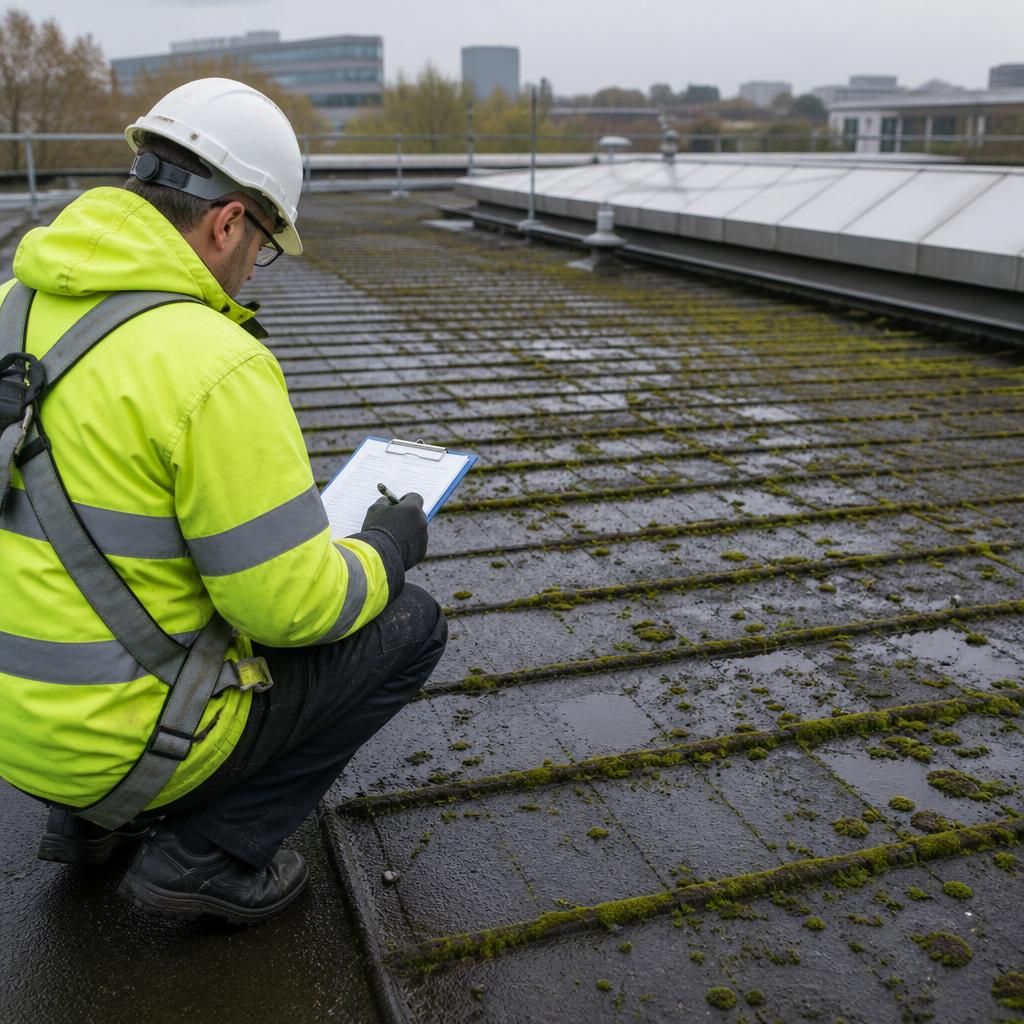
The appropriate frequency for roof moss tile cleaning is determined by the roof’s exposure to moisture, shade, organic debris and drainage problems, rather than by a fixed interval. Roofs beneath trees, beside taller buildings or with persistent damp areas usually need more frequent inspections because moss can establish and retain moisture more quickly.
During each inspection, the condition of the tiles, mortar, gutters, valleys and outlets should be reviewed together. Cleaning may be needed sooner where moss is spreading across tile overlaps, forming dense mats, obstructing water flow or contributing to dampness. After cleaning, the inspection schedule should be reviewed if regrowth is rapid, as overhanging branches, blocked gutters and limited airflow may need attention as well.