
Are there any precautions to take before starting roof moss tile cleaning?
Before starting roof moss tile cleaning, inspect the roof, tiles, flashing, gutters and surrounding property to identify damage, fragile areas, access hazards and suitable cleaning methods. Protect nearby surfaces, secure access equipment, check weather conditions, clear or cover drainage points, and test any cleaning solution on a discreet area before full application.
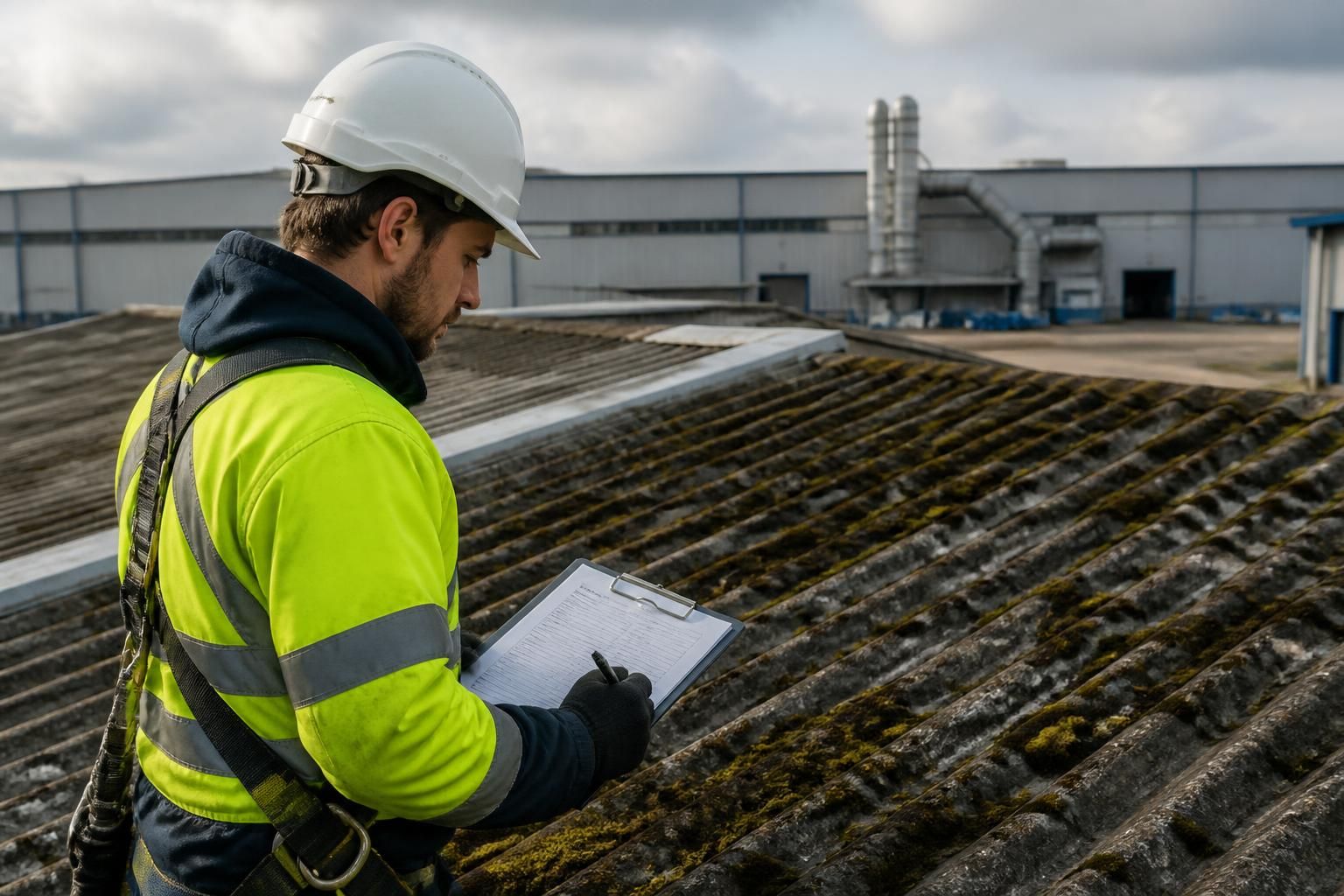
Before roof moss tile cleaning begins, the roof should be surveyed for fragile or damaged tiles, defective pointing, loose flashing, rooflights, access hazards and drainage risks. The findings determine whether cleaning can proceed safely, which method is appropriate and what protection is required for the building and surrounding property.
Inspect the roof and identify vulnerable areas. Moss can conceal cracked, slipped or badly weathered tiles, failed mortar, exposed underlay and damaged flashing. These defects should be recorded before work starts. Roof tiles should not be treated as a uniform surface: concrete, clay, slate and coated tiles can have different tolerances, and older materials may be particularly vulnerable to abrasion, impact or excessive water pressure. Areas that cannot safely support foot traffic should be cleaned from suitable access equipment rather than by walking directly on the roof.
- Check for cracked, loose, slipped or missing tiles.
- Inspect ridges, verges, valleys, abutments, flashings and pointing.
- Identify fragile rooflights, translucent panels and areas of corrosion.
- Check whether solar panels, vents, aerials or other roof-mounted equipment need protection.
- Look for blocked gutters, downpipes and outlets that could cause contaminated water to overflow.
Choose a method suited to the roof. Moss is often removed by controlled scraping or brushing followed by a suitable low-pressure or soft wash treatment. High-pressure washing is not automatically appropriate, particularly on aged or delicate tiles, because it can dislodge tiles, force water beneath laps, damage surface finishes and loosen pointing. Any cleaning solution should be compatible with the tile material and existing coatings. A small test area in an inconspicuous position helps confirm the likely appearance, dwell time and effect on adjacent surfaces before wider application.
Plan safe access and work at height. A roof cleaning job should have a documented risk assessment and method statement, with access equipment selected for the roof profile, building height and ground conditions. Depending on the site, this may include a properly installed scaffold, edge protection, roof ladders, access towers, mobile elevated work platforms or other suitable equipment. Equipment must be inspected before use and positioned on stable ground, away from fragile surfaces, overhead services and vehicle routes. Workers should use appropriate personal protective equipment, including suitable footwear, gloves, eye protection and fall protection where required.
Work should be postponed in unsafe weather. Rain, frost, ice and strong or gusting wind can make tiles, ladders and platforms hazardous, while excessive heat can cause cleaning solutions to dry too quickly. The forecast should also be considered when planning rinsing and treatment times. On commercial premises, the work area should be segregated with barriers and warning signs, and building occupants, visitors and other contractors should be told about access restrictions and possible falling debris.
Protect the building and nearby surfaces. Moss, silt, treatment residue and rinse water can stain walls, paving, vehicles and landscaping. Before cleaning, cover or shield vulnerable façades, windows, doors, signage, air-conditioning equipment, external lighting, loading areas and parked vehicles. Plants and planted areas should be protected from overspray, and any containment should allow water to be managed without creating a slip hazard. Where appropriate, downpipes should be temporarily disconnected or controlled so that loosened moss and cleaning residues do not enter the drainage system unchecked.
Consider runoff and chemical controls. Cleaning products must be handled in accordance with the product instructions and the site’s COSHH requirements. The team should establish where water will flow, prevent contaminated runoff from reaching watercourses or sensitive drainage systems, and collect or remove loosened moss and debris. Solutions should never be mixed unless the manufacturer specifically permits it. Nearby metals, painted surfaces, stonework and vegetation may react differently to a treatment, so they need suitable protection and rinsing.
Environmental and wildlife checks are also important. Roofs and eaves can provide nesting or roosting locations, particularly on older buildings. The roof should be checked for active nests and other signs of protected wildlife before work begins. If nesting birds or other protected species are present, the work may need to be delayed and specialist advice obtained. Moss and organic debris should be gathered rather than washed into drains wherever practical.
Confirm the condition of the surrounding property. A pre-clean inspection and photographic record can distinguish existing defects from any issue identified after cleaning. It is also useful to confirm the location of water supplies, electrical equipment, fire exits, drainage points and emergency access routes. Any fragile items, tenant equipment or vehicles below the work area should be moved or adequately covered. On larger sites, the cleaning sequence should be agreed with the property manager so that access, deliveries and other operations are not put at risk.
Finally, the cleaning plan should state how moss will be removed, how tiles and sensitive areas will be protected, how runoff will be controlled and what post-cleaning checks will be completed. Once the work is finished, gutters, valleys, outlets, façades and ground-level areas should be inspected and cleared of debris. These precautions reduce the risk of tile damage, water ingress, staining, blocked drainage and injury, while ensuring that the chosen treatment is appropriate for the roof rather than simply applying the most aggressive cleaning method.
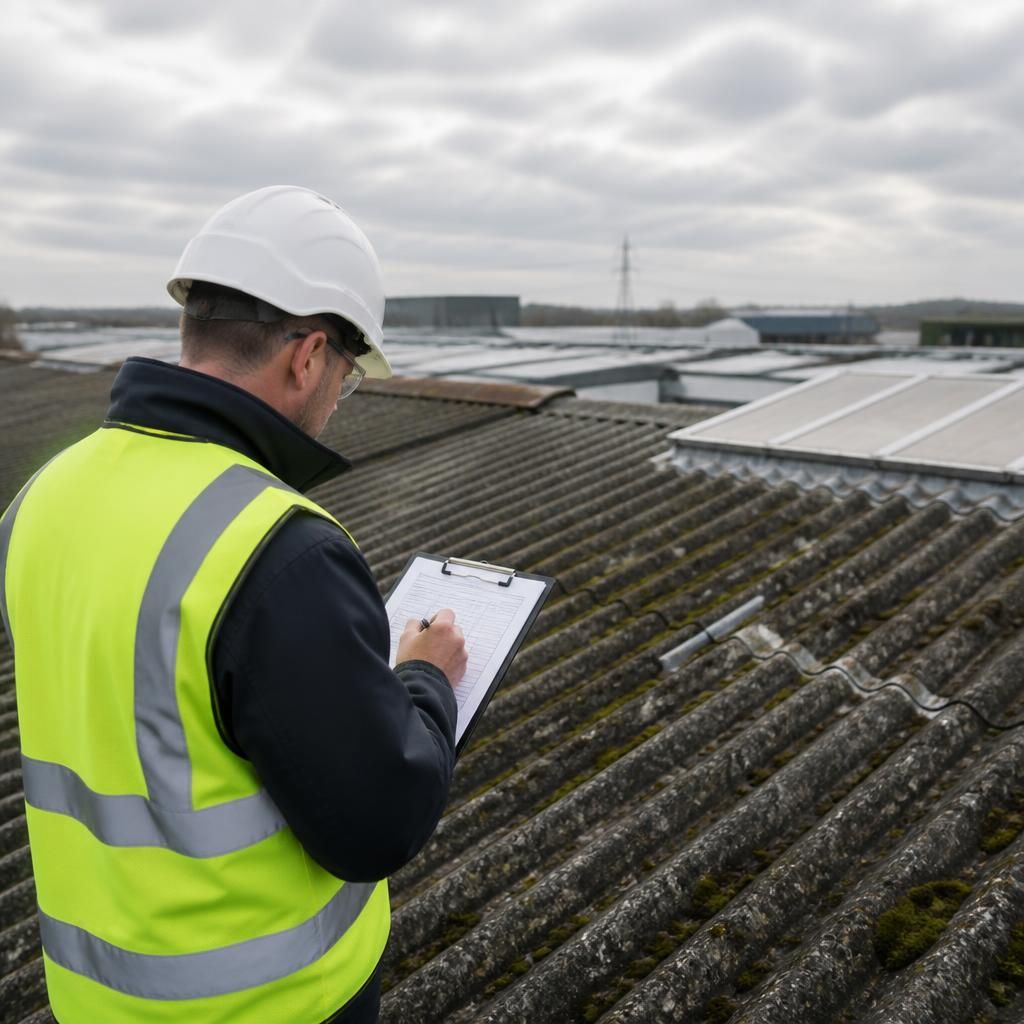
A thorough pre-cleaning inspection is essential because moss can conceal cracked, loose or slipped tiles, failed pointing and damaged flashing. These defects should be recorded before work begins so they are not mistaken for damage caused during cleaning. The inspection also identifies fragile rooflights, solar panels, vents and areas that cannot safely support foot traffic.
Findings from the survey determine whether cleaning can proceed, which method is suitable and what access equipment or protection is required. Delicate or weathered tiles may need controlled scraping and a low-pressure treatment rather than aggressive washing. This assessment helps reduce the risk of water ingress, tile breakage and damage to roof-mounted equipment.