
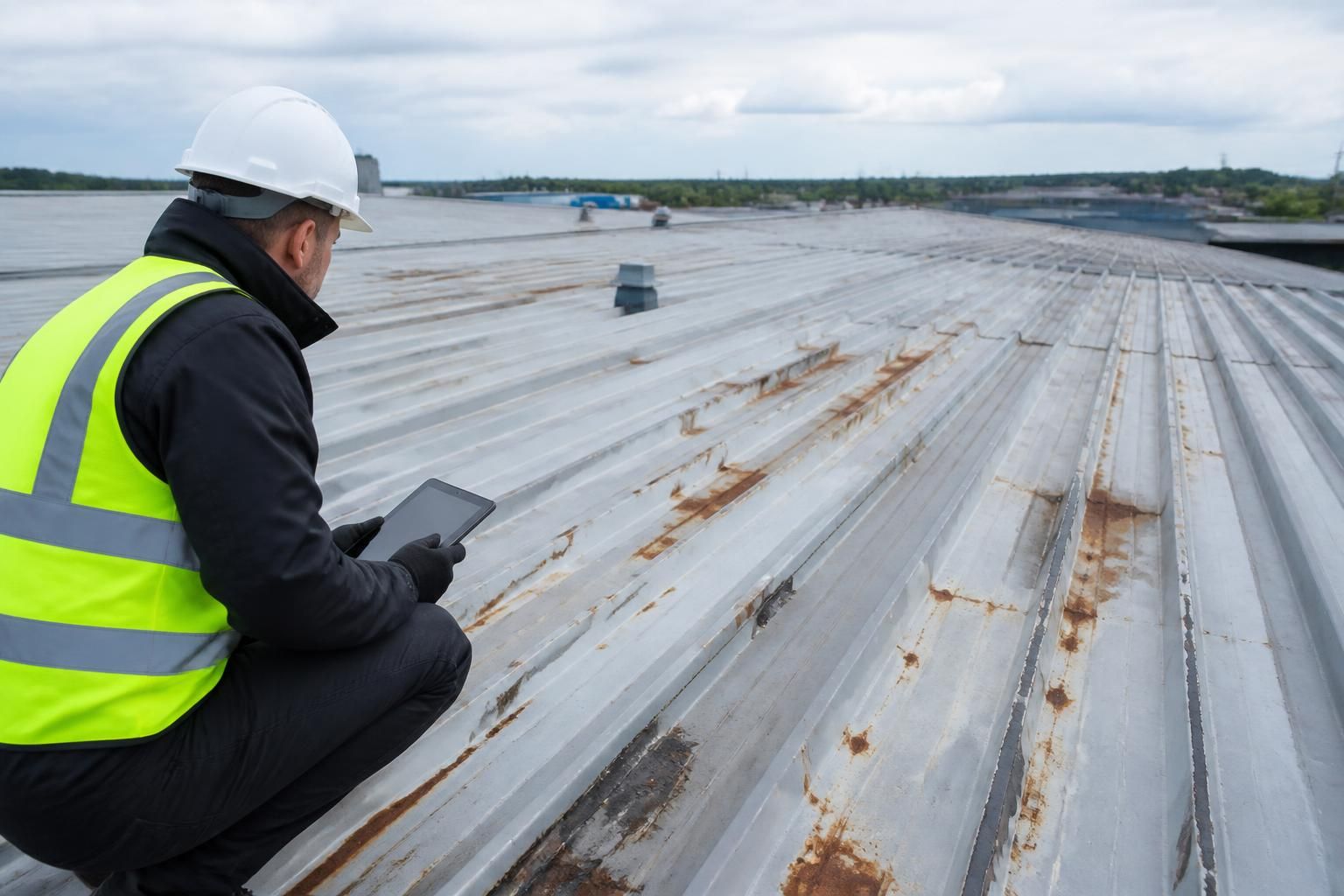
How does the current condition of a metal roof impact the effectiveness and safety of using a soft wash cleaning method?
The condition of a metal roof directly affects how safely and effectively it can be soft washed: sound, well-sealed coatings usually tolerate the process, while corrosion, loose finishes, failed seals or structural deterioration can allow water and detergent to enter or worsen existing damage. A pre-cleaning inspection is therefore essential to identify vulnerable areas, select suitable solutions and determine whether repairs or an alternative method are needed first.
The current condition of a metal roof determines whether soft washing will be safe, effective and appropriate. A roof with sound panels, intact protective coatings, secure fixings and properly sealed joints will usually respond well to a controlled soft wash. By contrast, corrosion, peeling coatings, open seams, failed sealants, loose panels or existing leaks can allow water and detergent to enter the building, spread damage or make access unsafe. Cleaning cannot correct these defects, so they must be assessed before work begins.
Roof coatings and surface finishes
Soft washing relies on applying a suitable cleaning solution and rinsing it away with controlled water pressure. On a stable painted, plastisol-coated or otherwise protected metal surface, this can remove organic growth, atmospheric soiling and some staining without the mechanical force associated with high-pressure cleaning. If the finish is chalking, blistered, flaking or already detached from the metal, however, the cleaning process may loosen more material. It can then leave an uneven appearance, expose the substrate and reduce the remaining protection against corrosion.
A pre-cleaning inspection should establish whether the visible dirt is sitting on the coating or whether the coating itself is failing. Areas showing widespread oxidation, exposed metal or active delamination may need repair, preparation or recoating before cleaning. Applying detergent to a failing finish does not restore it and may make the deterioration more apparent.
Corrosion and rust
Light surface oxidation does not always prevent soft washing, provided the metal remains sound and the protective system is stable. More advanced corrosion requires greater caution. Pitting, perforation, sharp rust scale and corrosion around laps or fixings can weaken the panel and create routes for water to enter. A cleaning solution may also remain in rough, porous corrosion if rinsing is incomplete.
Where corrosion is extensive, cleaning should normally be postponed until the affected areas have been assessed and repaired. The appropriate response may include removing loose corrosion, replacing damaged sections, renewing protective coatings or improving drainage. Soft washing is a maintenance treatment, not a substitute for corrosion remediation.
Joints, fasteners and penetrations
Metal roofs commonly have overlaps, seams, fixings, rooflights, vents, gutters and service penetrations. Their condition has a direct effect on water tightness during cleaning. Deteriorated washers, missing fasteners, failed sealant and open laps can permit water or detergent to reach the roof build-up and internal areas. Rooflights may also be more brittle than the surrounding metal panels and should not be treated as interchangeable with them.
These details should be checked before washing, with particular attention to staining on the underside, internal damp patches and previous leak locations. Defective seals should be repaired by a suitably qualified contractor before cleaning, or the affected areas should be excluded from the method statement. Rinsing should be controlled so that water is not driven into joints or directed towards vulnerable penetrations.
Structural condition and safe access
Soft wash equipment operates at lower pressure than conventional pressure washing, but the roof still has to support personnel, access equipment and the effects of wet surfaces. Corroded sheets, fragile rooflights, unsupported sections and areas affected by movement may not be safe to walk on. A low-pressure cleaning method does not remove the risk of falls, fragile surfaces or structural failure.
The inspection should therefore consider the roof’s construction, load-bearing capacity, edge protection, access routes and the condition of fragile areas. Where safe access cannot be established, cleaning may need to be carried out from suitable access equipment or postponed until a competent person has assessed the roof. Operatives should not use the absence of high pressure as a reason to work directly on an unsafe surface.
Existing leaks and internal damage
Any known leak should be recorded and investigated before cleaning. Washing a roof with unresolved water ingress can make it difficult to distinguish pre-existing defects from problems caused or revealed during the work. Moisture may also affect insulation, ceilings, stock, electrical equipment and occupied areas below the roof.
Where practical, the building should be checked internally before and after cleaning, and vulnerable assets should be protected. If the roof is already allowing water into the building, repair should take priority over cosmetic cleaning. A soft wash may remove the staining that indicates a leak without addressing its source.
How roof condition affects the cleaning result
Condition influences more than safety. Heavy organic growth, embedded pollution and porous corrosion can consume or retain cleaning solution, making rinsing more difficult and producing an inconsistent result. Areas with failed coatings may appear cleaner temporarily but can weather unevenly afterwards because exposed metal and intact coated sections react differently to the environment.
Loose debris should be removed using a method that will not damage the finish, and drainage routes should be cleared before applying detergent. Gutters, outlets and downpipes need particular attention because displaced growth and rinsed residue can cause blockages or carry contaminated run-off into areas that require protection. The cleaning solution should be selected for the roof finish and the type of contamination, then used in accordance with its safety and application requirements.
When soft washing may be suitable
Soft washing is generally more appropriate when:
- the panels and protective finish are stable;
- corrosion is limited and does not compromise the metal;
- seams, fixings, flashings and penetrations are watertight;
- there are no unassessed leaks or fragile roof areas; and
- safe access, controlled application and suitable run-off management can be provided.
Even in these circumstances, a small test area can help confirm how the finish reacts to the solution and rinsing process. The test should be checked for colour change, coating lift, staining and any sign that the surface is being affected before wider cleaning proceeds.
When cleaning should be modified or deferred
Cleaning should be modified, limited or deferred where inspection identifies widespread rust, perforation, loose or flaking coatings, failed sealants, unstable panels, fragile rooflights, active leaks or unsafe access. In some cases, only unaffected elevations can be treated. In others, repairs, replacement or a coating assessment should come first. The safest decision may be to recommend a roofing specialist’s inspection rather than proceed with the cleaning programme.
A condition survey should be documented with photographs and notes showing damaged areas, existing staining, access restrictions and any exclusions from the work. The agreed method should then define the cleaning solution, application technique, rinsing controls, protection of surrounding surfaces and action to take if defects become visible.
In practical terms, soft washing is safest and most effective when it is treated as part of a planned roof-maintenance process rather than as a way to conceal defects. A sound metal roof can usually be cleaned with controlled application and appropriate precautions; a deteriorated roof needs repair-led decision-making before any detergent or water is introduced.
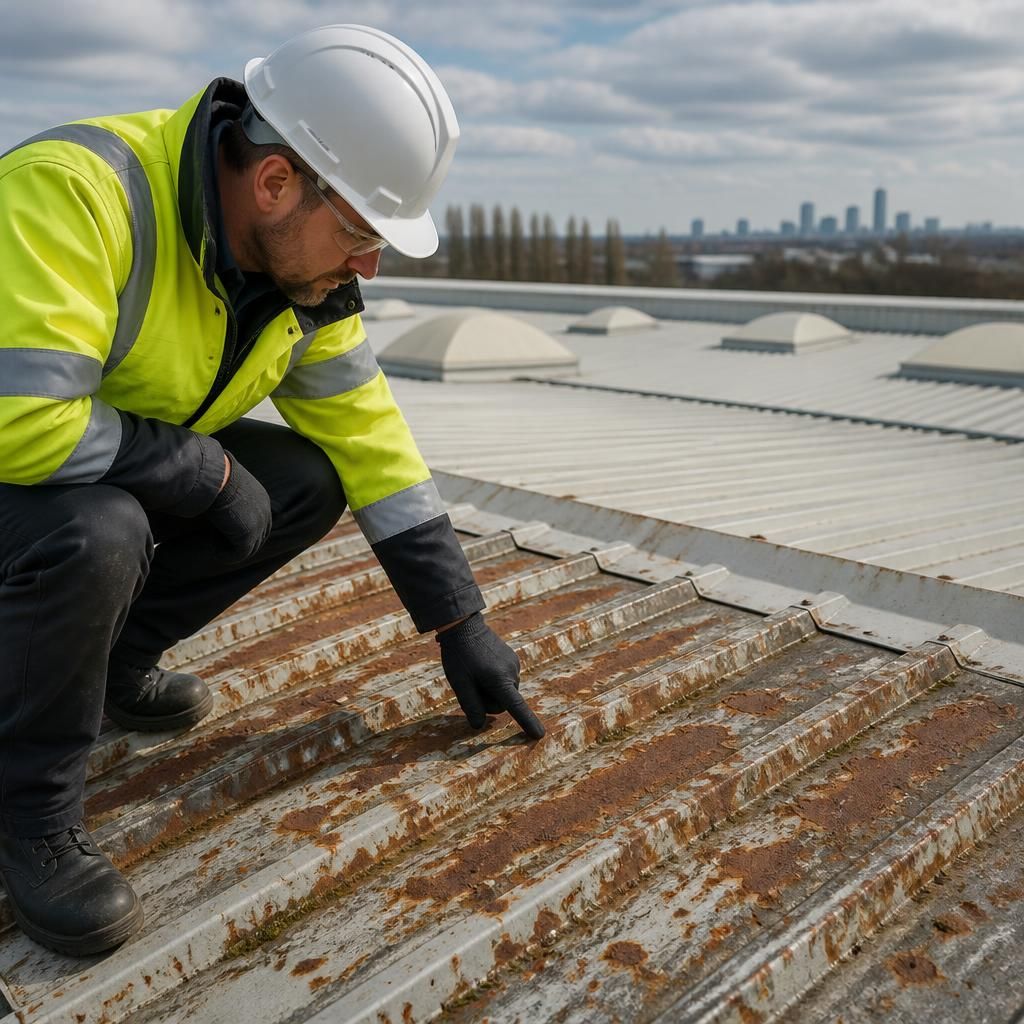
The condition of a metal roof determines whether soft washing can be carried out safely without worsening existing defects. Before cleaning, the panels, protective coating, fixings, seams, rooflights and penetrations should be checked for corrosion, looseness, failed sealant and signs of water ingress.
Soft washing uses less pressure than conventional pressure washing, but it still introduces water and cleaning solution to the roof. Flaking coatings may lift, corroded areas can retain detergent, and open joints or damaged fixings may allow moisture into the building. Fragile sheets and rooflights also present a fall or breakage risk, regardless of the washing pressure.
A small test area can confirm whether the finish reacts appropriately, while a documented inspection identifies sections that need repair or exclusion. If the roof has active leaks, perforation, unstable panels or unsafe access, remedial work and a competent roofing assessment should come before cleaning.