
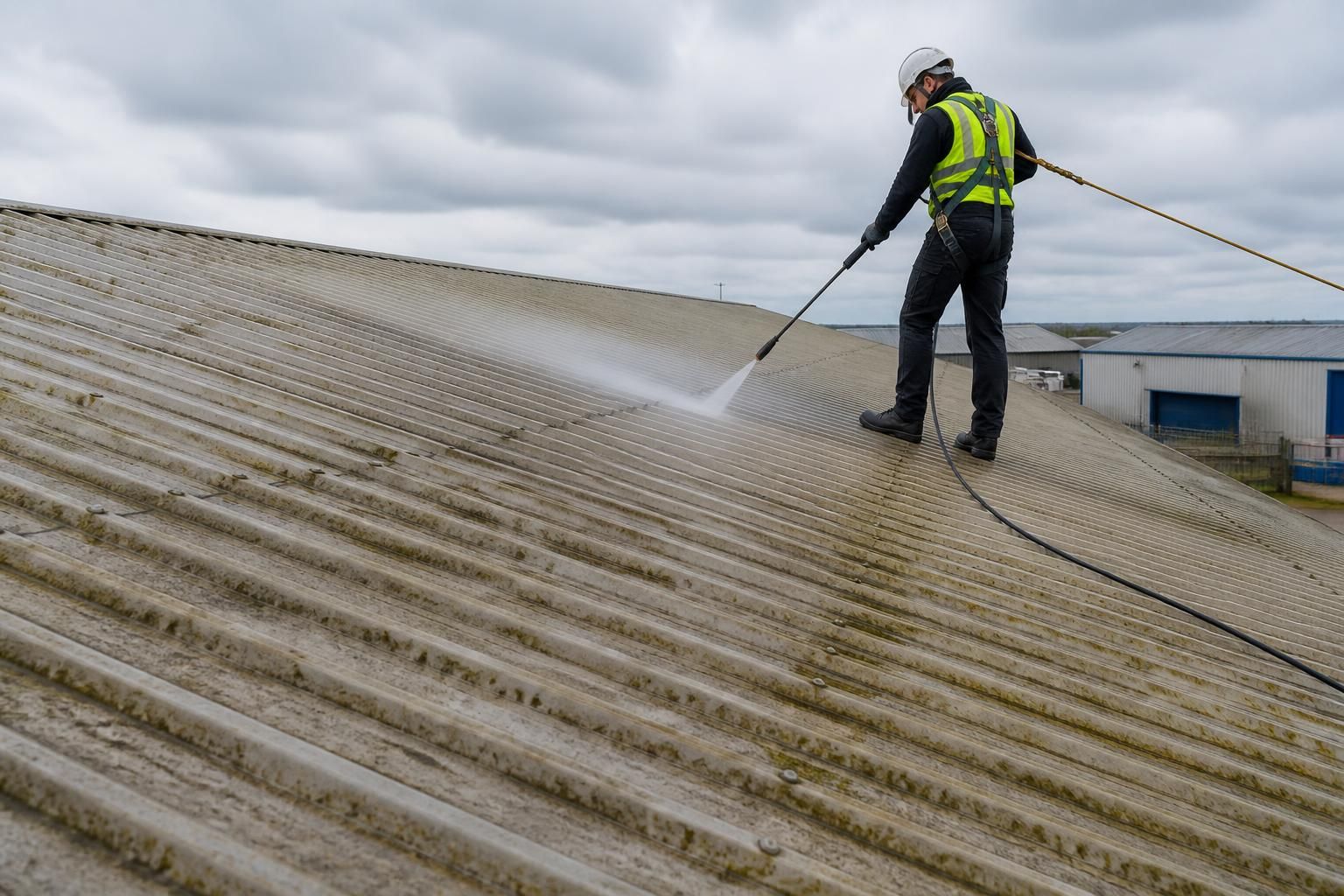
Is soft wash roof cleaning suitable for all types of roofing materials?
Soft wash roof cleaning is suitable for many roofing materials, including tiles, slate and some metal roofs, because it uses low pressure with a carefully selected cleaning solution. It is not suitable for every roof or condition, so the material, age, surface coating, existing damage and drainage arrangements should be assessed before treatment.
Soft wash roof cleaning is suitable for many common roofing materials, including concrete and clay tiles, slate, and some metal roofing systems, but it is not appropriate for every roof. Suitability depends on the material, its condition, surface coatings, age, previous repairs, drainage arrangements and the cleaning solution selected. A proper assessment should take place before treatment rather than assuming that every roof can be cleaned in the same way.
Materials commonly suited to soft washing
- Concrete tiles: These are often suitable for low-pressure application of a carefully selected treatment. Soft washing can remove organic growth such as moss, algae and lichen without the mechanical force associated with high-pressure cleaning. Heavily weathered or cracked tiles still require additional care.
- Clay tiles: Sound clay tiles can usually be treated with a suitable soft wash solution. Their surface, joints and any existing protective coating should be checked first, as aggressive chemicals or excessive water can affect older or delicate finishes.
- Slate: Natural slate may be suitable, provided the slates are secure and not already delaminating, fractured or excessively fragile. The fixings, laps and surrounding mortar should be assessed because cleaning will not correct underlying installation or deterioration problems.
- Some metal roofing: Coated steel, aluminium and other metal systems may be cleaned using a low-pressure method when the coating and cleaning product are compatible. The solution must be chosen carefully to avoid staining, corrosion or damage to protective finishes.
Materials requiring additional assessment
Flat and low-pitched roofs need a different approach from traditional pitched tiled roofs. Membranes such as EPDM, PVC, TPO, GRP and modified bitumen may tolerate cleaning, but compatibility varies between products and manufacturers. Ponding water, exposed laps, loose edges and damaged membranes can make treatment unsuitable until repairs have been completed. The cleaning method should not force water beneath seams, flashings or edge details.
Painted, powder-coated or factory-finished metal roofs should be inspected for chalking, peeling, exposed corrosion and failing sealants. A small test area can help confirm whether the proposed solution affects the finish. Copper, zinc and lead details also require particular care because some cleaning products can cause discolouration or accelerate corrosion. Runoff from treated areas should be controlled so that it does not damage adjoining materials, plants, vehicles or drainage systems.
Older roofs may contain previous coatings, patch repairs or materials that are no longer manufactured. These can react differently to the same treatment. Where asbestos cement is suspected, the roof should not be disturbed or cleaned without the appropriate specialist assessment and controls. Thatched roofs are not suitable for conventional soft wash roof cleaning; their construction and fire-safety requirements call for specialist advice.
Roof condition is as important as the material
A suitable roofing material can still be unsuitable for soft washing if it is in poor condition. Before work begins, the roof should be checked for cracked, slipped or loose tiles, missing slates, open joints, defective flashings, damaged valleys, blocked gutters and weak rooflights. Soft washing uses low pressure, but it is not risk-free: water and solution can enter through existing defects, while access equipment or foot traffic can damage fragile coverings.
Extensive moss growth should also be assessed rather than simply sprayed. Thick moss can conceal broken tiles, retain moisture and obstruct drainage. Removing it may require controlled manual work before the treatment is applied. On fragile or heavily deteriorated roofs, repair or replacement may be more appropriate than cleaning.
How the suitability assessment works
- Identify the roofing material, surface finish and any areas made from different materials.
- Inspect the roof from safe access points for damage, movement, fragile sections and failed repairs.
- Check gutters, downpipes, valleys and outlets so that loosened growth and treatment runoff can be managed.
- Review nearby surfaces, planting, watercourses, solar equipment and ventilation openings that may need protection.
- Select a solution that is appropriate for the material and the type of contamination present.
- Carry out a controlled test where the surface finish or chemical compatibility is uncertain.
- Apply the treatment at low pressure and follow the agreed method for rinsing, runoff control and post-cleaning inspection.
Soft washing is generally most effective against biological contamination such as moss, algae, lichen and organic staining. It is not a substitute for repairing leaks, replacing failed sealants, correcting inadequate falls or resolving structural defects. Some staining may also be embedded in a weathered surface and may not disappear immediately after treatment.
For commercial and larger properties, the assessment should also consider access, public protection, adjacent façades, tenant operations and the safe isolation or protection of rooftop equipment. Solar panels, roof vents, air-handling equipment and electrical installations should be identified before work starts and treated only in accordance with their requirements.
In summary, soft wash roof cleaning is suitable for a broad range of sound roofing materials, particularly many tiled, slate and compatible metal roofs, but there is no universal treatment for every roof. Material compatibility, roof condition, drainage and environmental controls determine whether it can be carried out safely. Where the covering is fragile, damaged, thatched, suspected to contain asbestos or affected by an incompatible coating, a different cleaning method, specialist advice or repair work may be necessary.
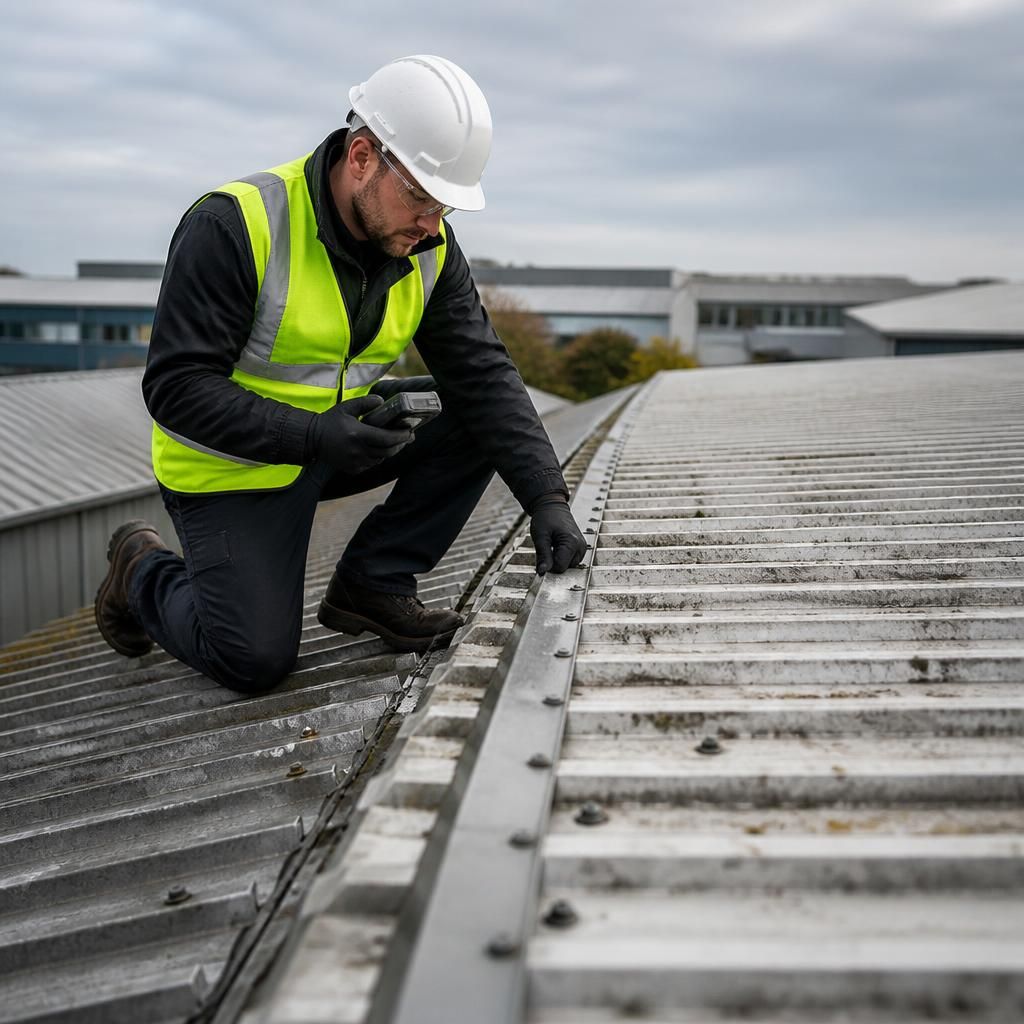
Soft wash roof cleaning is only suitable when both the roofing material and its condition can tolerate the treatment. A sound tiled, slate or compatible metal roof may respond well, but cracked coverings, loose fixings, failed flashings, exposed membranes or fragile coatings can make cleaning unsafe or ineffective.
Before work begins, the roof should be inspected for defects, heavy moss, blocked drainage and areas where water could enter beneath laps or joints. Where deterioration is significant, repairs or specialist advice may be needed before cleaning. A controlled test can also confirm that the proposed solution will not discolour or damage the surface finish.