
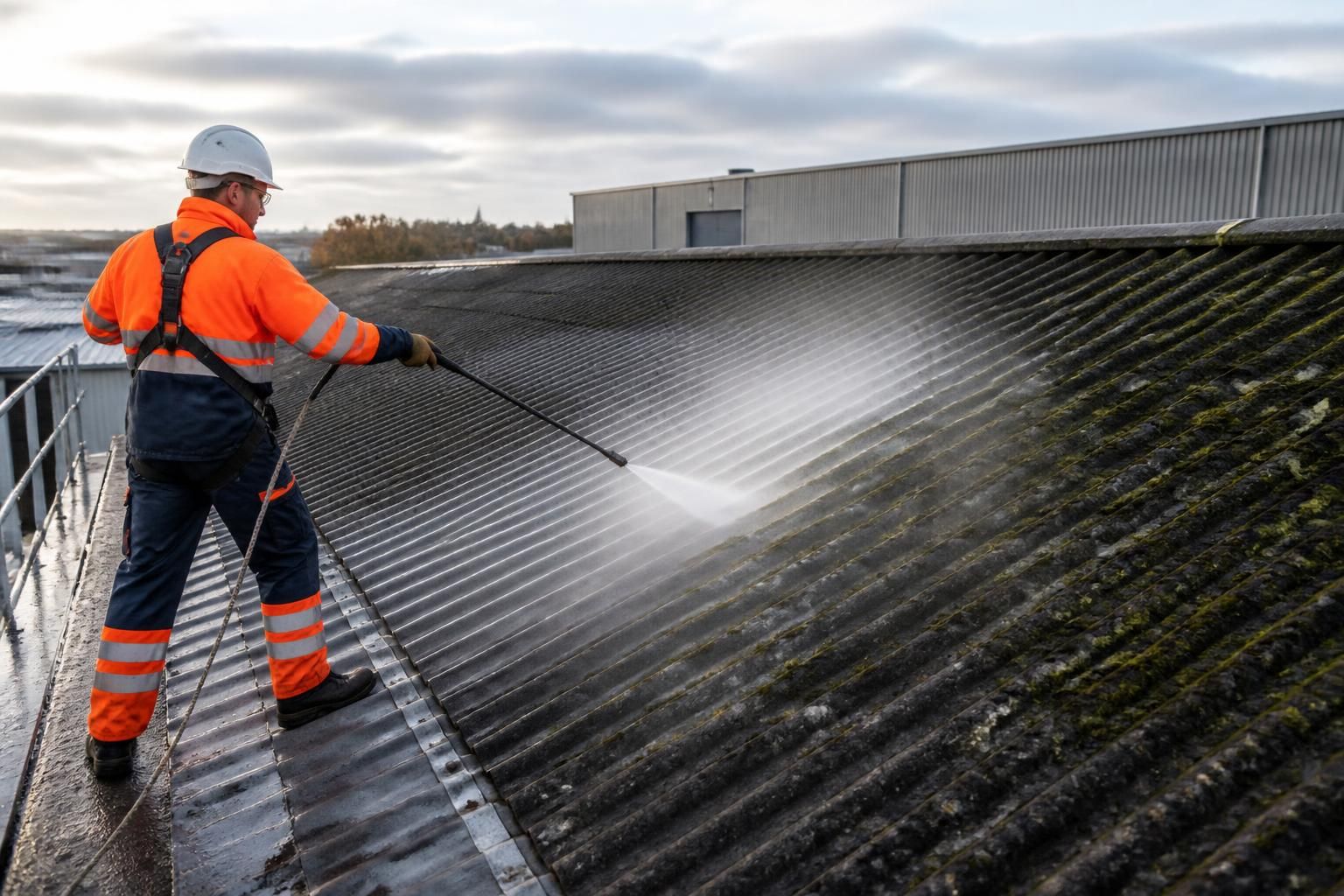
How often should a roof be cleaned using the soft wash method?
A roof cleaned using the soft wash method should usually be inspected annually and cleaned when moss, algae, lichen or heavy staining returns, rather than on a fixed schedule. Shaded, damp or tree-surrounded roofs may need more frequent treatment, while well-drained roofs in exposed locations can often go longer between cleans.
A roof cleaned using the soft wash method should normally be inspected at least annually and cleaned again when moss, algae, lichen or persistent staining begins to return. There is no single interval that suits every roof: shaded, damp or tree-surrounded roofs may need treatment more frequently, while a well-drained roof in an exposed position may remain presentable for longer.
Soft washing removes organic growth and treats the spores and residues left on the roof surface. The treatment can therefore provide longer-lasting results than simply removing visible moss or dirt, but it does not prevent future growth indefinitely. Weather, surrounding vegetation and the condition of the roof will gradually determine when another clean is appropriate.
Annual roof inspections are recommended even where cleaning is not required. An inspection should check for:
- New moss, algae, lichen or green discolouration;
- Staining beneath roof features, gutters or overhanging trees;
- Blocked or overflowing gutters caused by organic debris;
- Loose, cracked or slipped tiles and deteriorating pointing;
- Areas that remain damp because of poor drainage or restricted sunlight; and
- Surface damage or changes following severe weather.
For many properties, a soft wash is only needed when visible growth has returned or when the roof becomes difficult to maintain through routine inspections. Cleaning too frequently is not normally beneficial. Unnecessary treatment can disturb fragile surfaces, increase water and chemical use, and make it harder to identify whether an underlying roof defect is causing recurring staining.
Roof location has a major effect on cleaning frequency. A roof beneath trees is more likely to collect leaves, moisture and organic debris. North-facing and shaded elevations can dry slowly, creating conditions in which algae, moss and lichen establish more readily. Buildings in damp or sheltered locations may also require closer monitoring than exposed roofs that receive regular sunlight and wind.
Drainage is equally important. Moss and debris can retain moisture against tiles, cladding or other roof coverings, while blocked gutters can leave parts of the roof repeatedly wet. Keeping gutters, valleys and drainage outlets clear may help extend the period between soft wash treatments, although it does not replace an inspection of the roof itself.
The suitable interval also depends on the roofing material and its condition. Tile roofs with established moss or lichen may need a follow-up assessment after treatment to confirm that the growth has died back and weathering has removed the remaining residue. Metal roofs, coated surfaces and fragile or ageing materials require a more cautious assessment because the cleaning method and solution strength must be matched to the coating and substrate. A roof with loose tiles, failed pointing or other defects may need repairs before cleaning is considered.
After a soft wash, the roof should be observed rather than cleaned again automatically. Some dead growth can remain visible for a period after treatment and may weather away gradually. A return visit may be appropriate if active growth persists, if staining returns quickly, or if parts of the roof were heavily affected. The correct decision should be based on the roof’s condition, not simply on the appearance of isolated marks.
Commercial and industrial properties often benefit from a planned inspection and maintenance schedule. Large roofs, warehouses, managed estates, public buildings and premises surrounded by trees can be divided into areas so that drainage, access points and vulnerable elevations are checked consistently. Cleaning can then be arranged before moss and organic debris affect gutters, walkways, façades or the professional appearance of the site.
It is best to arrange a professional assessment before setting a recurring cleaning interval. The assessment should consider the roof covering, age and condition of the roof, access requirements, previous treatments, nearby vegetation, drainage and the type of growth present. Soft washing should be carried out using a method appropriate to the material, with suitable protection for gutters, surrounding surfaces, landscaping and rainwater systems.
In practical terms, arrange an inspection each year, monitor shaded and vegetation-heavy roofs more closely, and schedule the next soft wash when organic growth or staining is clearly re-establishing. This condition-led approach avoids premature cleaning while reducing the risk that moss, algae or lichen are allowed to become extensive and more difficult to remove safely.
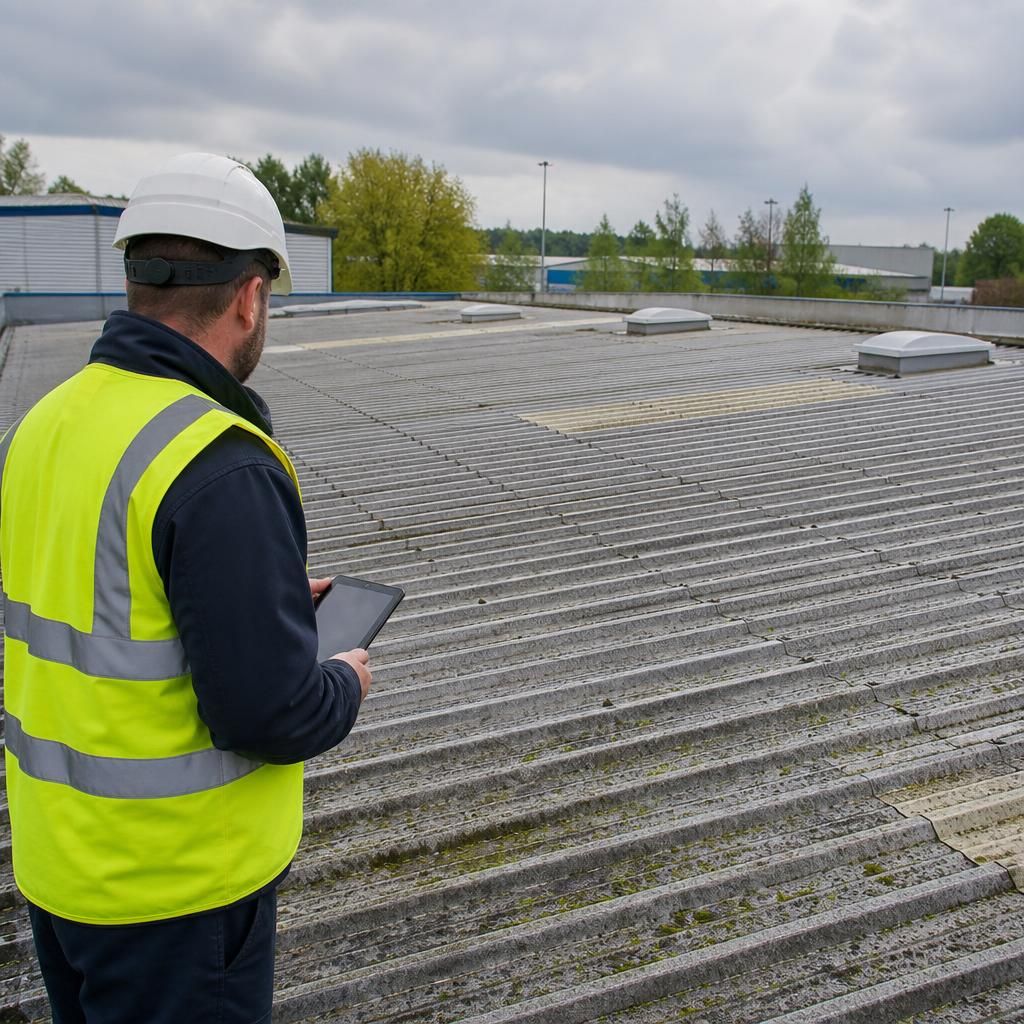
A roof cleaned using the soft wash method should usually be inspected annually, but it should not automatically be cleaned every year. The next treatment is best scheduled when active moss, algae, lichen or persistent staining begins to return.
Roofs beneath trees, on shaded elevations or in damp locations may need closer monitoring because moisture and organic debris encourage regrowth. During each inspection, check the roof covering, gutters, valleys and drainage points for returning growth or retained debris. Dead moss may remain visible for some time after treatment and can weather away naturally, so cleaning again should be based on active regrowth or a clear deterioration in condition rather than isolated marks.