
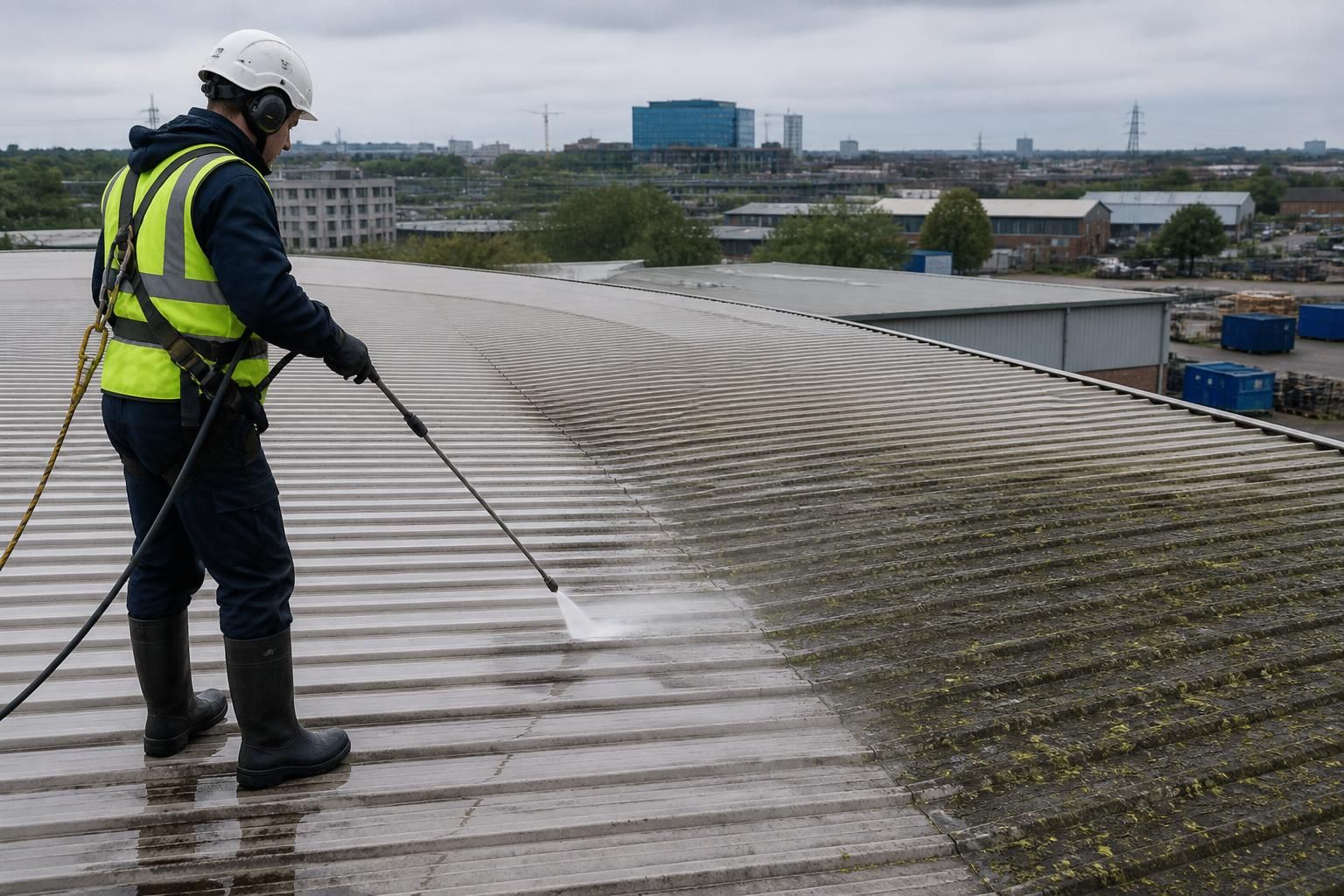
How long does a soft wash roof cleaning treatment typically last before another cleaning is needed?
A professionally applied soft wash roof cleaning treatment typically remains effective for several years before further cleaning is needed. The exact interval depends on the roofing material, local weather, surrounding trees, moisture levels and how quickly moss, algae or other organic growth returns.
A professionally applied soft wash roof cleaning treatment will typically remain effective for several years before another full treatment is needed. The precise lifespan depends on the roofing material, local weather, surrounding vegetation, moisture levels, roof pitch, drainage and how quickly moss, algae, lichen or other organic growth returns.
Soft washing removes existing biological growth and applies a suitable cleaning solution that continues to break down remaining spores and staining after the initial treatment. It is not a permanent barrier, however. Roofs remain exposed to rain, airborne pollutants, shade and organic debris, so regrowth will eventually occur. A clean roof may therefore need inspection and light maintenance before a further full soft wash is necessary.
Factors that affect how long the treatment lasts
- Roofing material: Tiles, slate, metal cladding and other roof surfaces retain moisture and soil at different rates. Porous or weathered materials can support regrowth more readily than smooth, well-maintained surfaces.
- Shade and surrounding trees: Overhanging branches, dense vegetation and north-facing roof areas receive less sunlight and may stay damp for longer. This creates more favourable conditions for moss, algae and lichen.
- Weather exposure: Persistent rain, mild temperatures and high humidity can encourage organic growth. Wind can also deposit leaves, seeds and airborne debris on the roof.
- Roof condition and drainage: Blocked gutters, standing water, damaged tiles and poorly draining areas can shorten the effective period of a cleaning treatment by maintaining moisture against the roof surface.
- Type and severity of contamination: Light algae staining generally behaves differently from established moss or lichen. Heavy growth may require more preparation and careful follow-up to ensure the roof is properly cleared.
- Application and site conditions: The condition of the roof, weather during application, correct solution selection and adequate dwell time all affect the quality and durability of the result.
When should a roof be cleaned again?
A further professional treatment is usually considered when organic growth begins to return, rather than according to a fixed calendar date. Early signs include green or black staining, moss appearing along tile laps, lichen spots, debris collecting in valleys, or darker damp areas that do not dry normally. A small amount of staining does not always mean that the entire roof needs immediate retreatment, so an inspection can help determine whether local maintenance or a complete clean is more appropriate.
For commercial premises, the timing should also reflect the condition and use of the site. Roofs above offices, retail units, warehouses, managed estates and public buildings may be reviewed as part of a planned exterior maintenance programme. Scheduling inspections alongside façade, cladding, gutter and car park cleaning can help identify regrowth early and reduce the risk of avoidable deterioration or blocked drainage.
How to extend the period between treatments
- Keep gutters, outlets, valleys and drainage channels clear so water does not remain on or against the roof.
- Trim branches and manage nearby vegetation where this can be done safely and without damaging the building.
- Arrange periodic visual inspections, particularly after prolonged wet weather or where the roof is shaded.
- Deal with damaged tiles, defective flashing, leaks and other maintenance issues promptly.
- Remove accumulated leaves and loose debris using a method suitable for the roof material.
- Avoid aggressive pressure washing, which can displace protective surface finishes, drive water beneath tiles or damage aged roofing materials.
Maintenance should not involve walking on fragile, wet or steep roof areas unless the work has been properly assessed and suitable access equipment is in place. A professional inspection can identify contamination without creating additional damage and can confirm whether a soft wash remains suitable for the roof’s condition.
The need for another cleaning should be based on the roof’s appearance, moisture behaviour, contamination level and maintenance requirements rather than an assumed guarantee period. With suitable inspections and routine upkeep, a soft wash treatment can provide a durable clean for several years, while roofs in damp, shaded or heavily vegetated locations may need attention sooner.
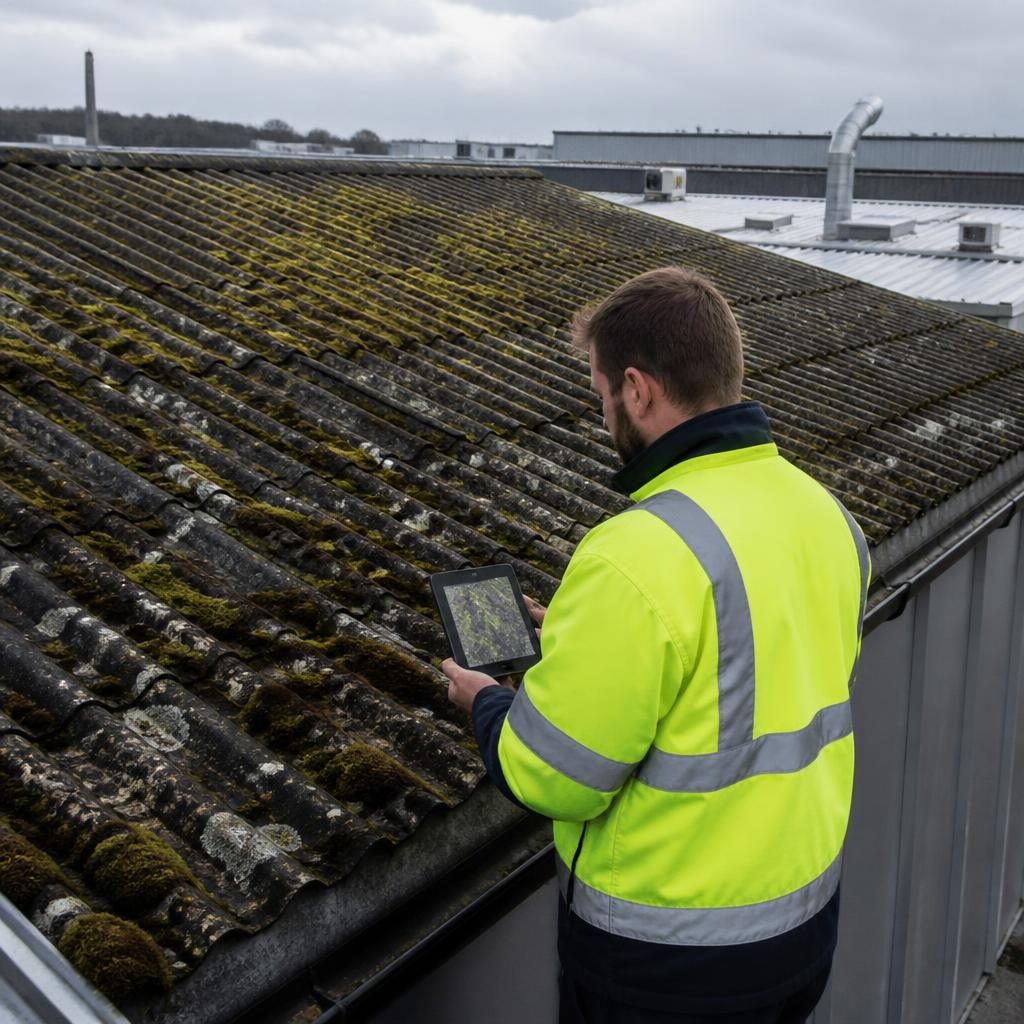
The length of time a soft wash roof cleaning treatment remains effective depends largely on how quickly moisture and organic debris return to the roof. Keeping gutters, valleys, outlets and drainage channels clear helps prevent damp conditions that encourage moss, algae and lichen to regrow.
Regular visual inspections are also important, particularly on shaded roofs or premises surrounded by trees. Early staining, moss along tile laps, debris build-up and areas that remain damp may indicate that local maintenance is needed before a complete soft wash treatment becomes necessary. Any inspection or debris removal on steep, fragile or wet roofing should be carried out using suitable access equipment rather than by walking directly on the roof.