
Are there any maintenance recommendations after a soft wash roof cleaning?
After a soft wash roof cleaning, keep gutters and downpipes clear, inspect the roof and flashing periodically, and arrange any repairs promptly to prevent water ingress. Avoid pressure washing or harsh chemicals, remove overhanging debris where safe, and monitor for renewed moss, algae or staining so further treatment can be planned before growth becomes established.
After soft wash roof cleaning, the main maintenance recommendations are to keep gutters and drainage channels clear, inspect the roof and associated details periodically, remove debris safely, and deal with defects or renewed biological growth promptly. A soft wash treatment removes or treats moss, algae and lichen without the aggressive impact of high-pressure cleaning, but it does not prevent future contamination if the roof remains damp, shaded or exposed to overhanging vegetation.
Allow the treatment to work. Some staining and dead organic matter may continue to weather away after the visit, particularly where moss has established around tiles, edges or roof details. Do not brush, scrape or pressure wash the surface immediately afterwards unless this has been specifically recommended. Unnecessary disturbance can dislodge protective coatings, damage fragile tiles or force water beneath laps and seals.
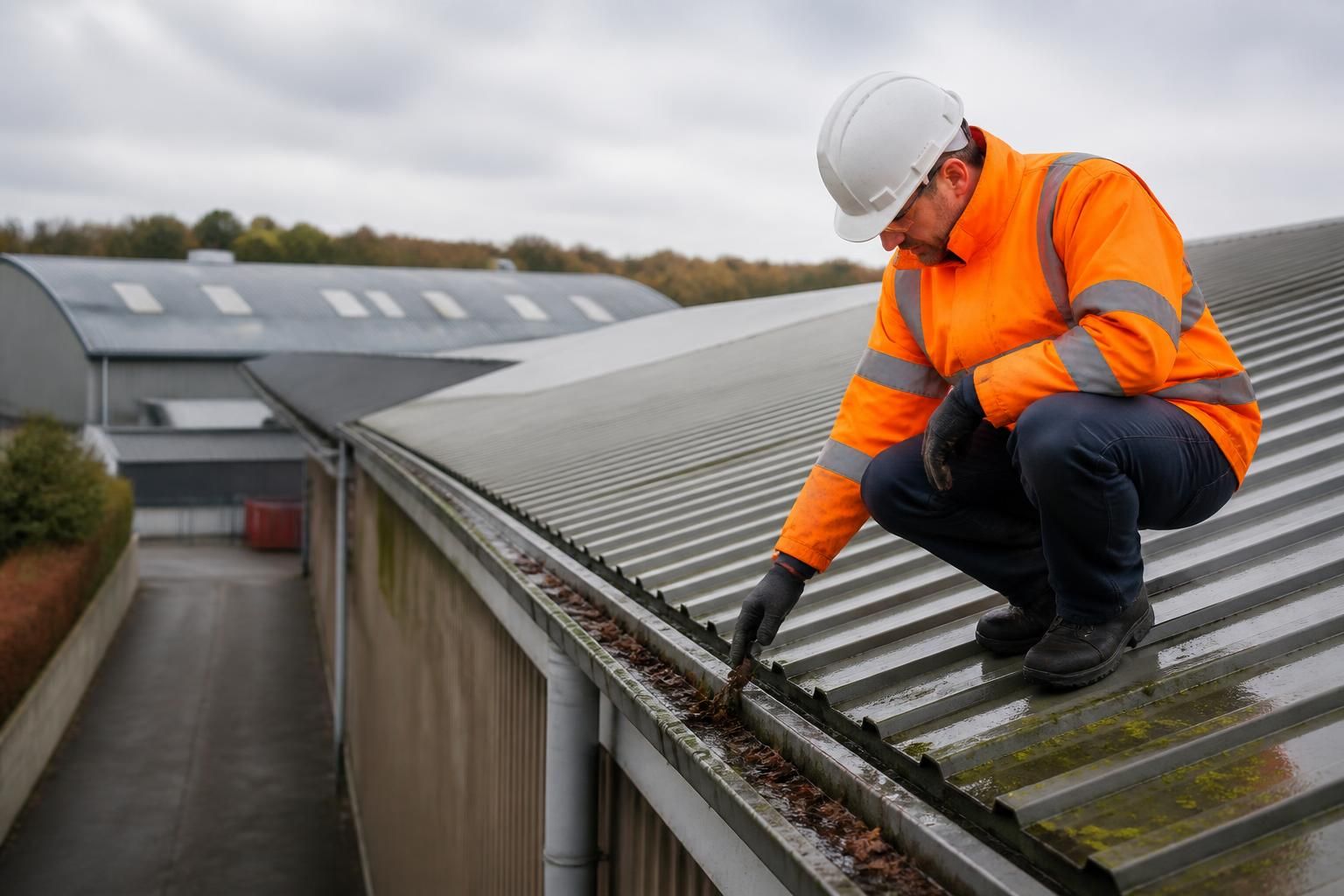
Keep gutters, outlets and downpipes clear. Soft wash work can loosen organic debris, which may be carried into the rainwater system. Check that gutters are flowing freely after cleaning and remove any accumulation of moss, leaves or sediment. Blocked outlets can cause water to back up beneath roof edges, stain external walls and contribute to damp around fascias and soffits. Downpipes should also be checked for restricted flow, particularly where they discharge into gullies or drainage channels.
Inspect the roof and related components. Periodic visual checks can identify slipped, cracked or broken tiles, damaged slates, deteriorated mortar, open joints, defective flashing and loose ridge or verge materials. Pay attention to valleys, abutments, rooflights, penetrations and areas beneath trees, as these details are more likely to collect debris or remain damp. Do not walk on the roof to carry out an inspection; use a safe ground-level view or arrange a suitably equipped professional inspection.
Arrange repairs promptly. Cleaning can make existing defects easier to see, but it does not repair them. A damaged tile, failed flashing or defective gutter should be assessed and repaired by an appropriately qualified roofing contractor. Delaying minor defects can allow water ingress, timber deterioration or insulation damage to develop. Where a repair requires access over a recently treated roof, the cleaning contractor and roofing contractor should coordinate the work so the surface is not unnecessarily damaged or contaminated.
Reduce sources of recurring growth.
- Keep tree branches and dense vegetation away from the roof where this can be done safely and without damaging the building.
- Remove leaves and twigs that collect in valleys, behind roof features or at the edge of the roof.
- Check that nearby gutters, outlets and drainage routes do not leave parts of the roof persistently wet.
- Improve ventilation where condensation is contributing to damp conditions inside the roof space, subject to suitable building advice.
Overhanging branches can deposit organic matter, restrict airflow and shade the roof, creating conditions in which moss and algae return more quickly. Tree work should be completed by a competent person, particularly close to buildings, cables or access equipment.
Use suitable cleaning methods only. Avoid applying household bleach, acidic products, solvents, biocides or other chemicals without professional advice. Mixing products can damage roof coverings, seals, rainwater goods and surrounding materials, while uncontrolled run-off may affect plants, soil and drainage systems. Do not use a pressure washer on a roof simply to remove remaining marks or moss. High-pressure water can drive moisture beneath tiles, strip surface finishes and loosen pointing or flashing.
Monitor the roof rather than waiting for heavy regrowth. Look for renewed green growth, dark streaking, lichen, moss at tile laps or increased debris in the gutters. The return of light staining does not necessarily mean the treatment has failed; biological growth may reappear gradually depending on the roof material, exposure and surrounding environment. If growth begins to establish again, an early maintenance treatment is usually preferable to allowing thick moss to retain moisture and obstruct drainage.
Plan future maintenance according to the roof’s condition. There is no single interval that suits every property. A roof beneath mature trees or on a shaded, damp elevation may need attention sooner than an exposed roof with good drainage. The appropriate timing depends on the covering, pitch, local weather, surrounding vegetation, previous contamination and the condition of the roof and gutters. Keep a record of the cleaning date, areas treated and any defects noted so future inspections and maintenance can be planned sensibly.
During routine property inspections, also check loft spaces and upper walls for signs of water ingress, such as damp patches, staining, mould or musty odours. These symptoms should not automatically be attributed to the cleaning process, but they should be investigated promptly. If access, roof height, fragile materials or the condition of the covering makes inspection unsafe, arrange a professional assessment rather than attempting maintenance from a ladder or by walking on the roof.
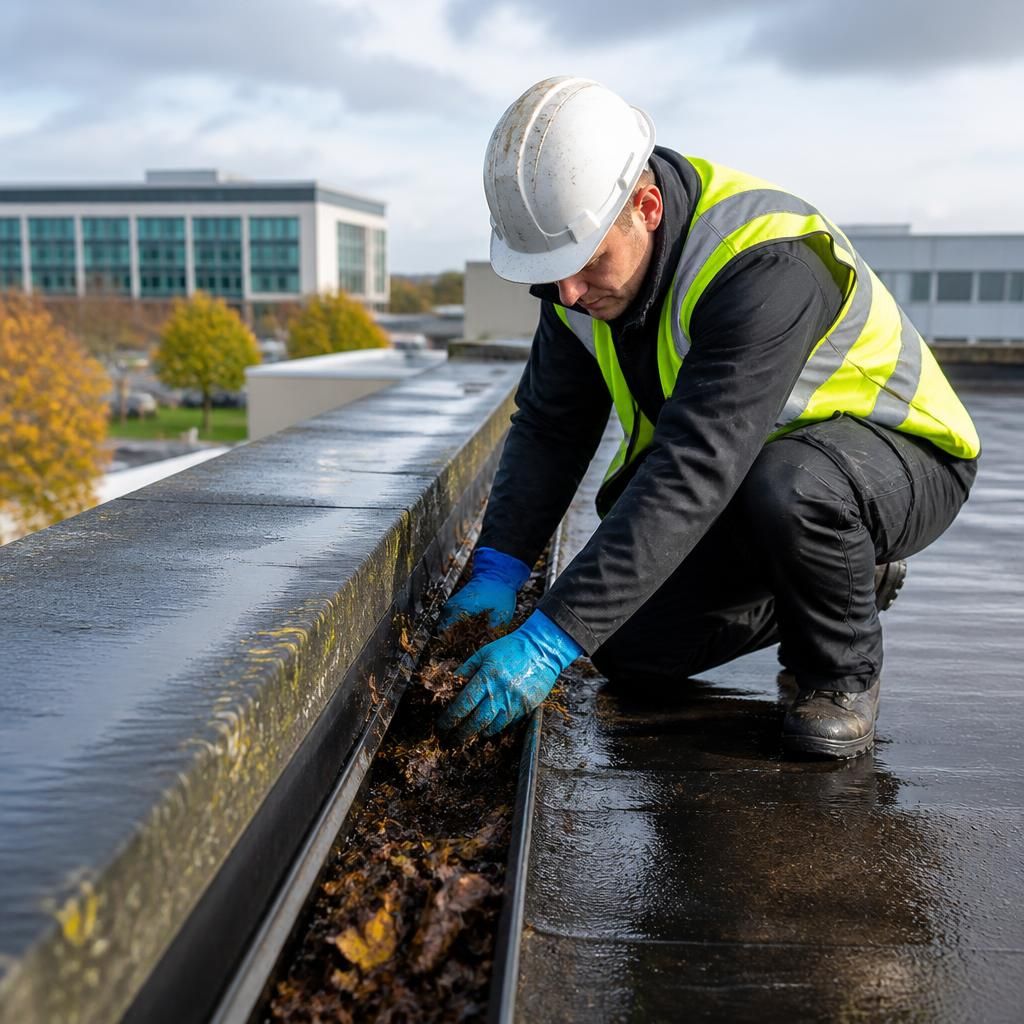
After a soft wash roof cleaning, keeping the roof drainage system clear is one of the most important maintenance tasks. The treatment can loosen moss, leaves and other organic debris, which may wash into gutters, outlets and downpipes after the visit.
Check that gutters are flowing freely and remove any build-up from outlets and valleys where it is safe to do so. Blocked drainage can cause water to back up beneath roof edges, stain fascias and external walls, and contribute to damp. Arrange a professional inspection if access is difficult, the roof covering is fragile, or you notice damaged tiles, defective flashing or signs of water ingress. Avoid walking on the roof or using high-pressure equipment to remove remaining marks or growth.
Arrange Your Roof Maintenance Inspection
Arrange a professional roof maintenance inspection if you notice renewed moss, blocked drainage, damaged coverings or signs of water ingress after soft washing. Encanto Exterior Cleaning can assess the roof and gutters safely and advise on any further maintenance required.