
What specific cleaning techniques are best suited for my roof tile and gutter material?
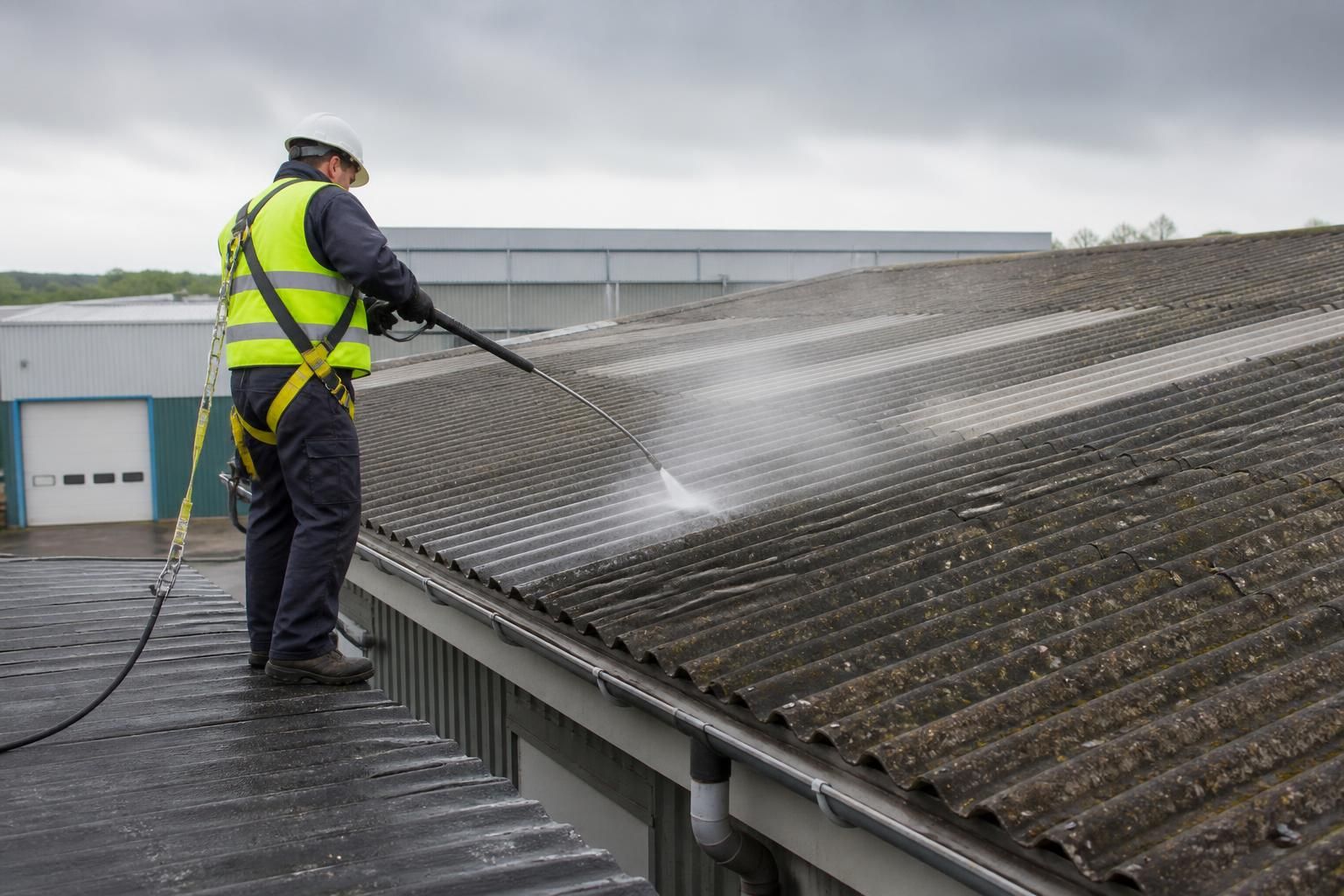
The best technique depends on the material and its condition: use controlled low-pressure soft washing for concrete and clay tiles, gentler treatment and careful rinsing for slate, and avoid aggressive jetting on fragile, aged or coated surfaces. Gutters are usually cleaned with manual removal or suitable vacuum equipment, followed by low-pressure rinsing for uPVC and cautious, non-abrasive cleaning for aluminium, steel or copper to prevent scratching, corrosion or damage to protective finishes.
The most suitable cleaning technique depends on the roof or gutter material, its age, condition, surface finish and the type of contamination present. In most cases, controlled low-pressure cleaning, soft washing, manual removal and careful rinsing are safer than aggressive jet washing. Concrete and sound clay tiles can generally tolerate more controlled pressure than slate, aged tiles or coated surfaces, while gutters require different methods according to whether they are made from uPVC, aluminium, steel, cast iron, copper or zinc.
Concrete roof tiles
Sound concrete tiles are commonly cleaned using a controlled low-pressure rinse, soft washing or a carefully regulated pressure-washing process where the tile condition allows it. This removes moss, algae, lichen, dirt and atmospheric deposits without unnecessarily forcing water beneath the tile laps. Heavily established organic growth may first require a suitable treatment to loosen the contamination, followed by gentle agitation or rinsing.
Pressure should be adjusted to the tile profile, age and finish. Direct, concentrated blasting can remove surface coatings, expose the aggregate, damage weathered edges or drive water beneath overlapping tiles. Cleaning should proceed from the ridge towards the eaves where practicable, with care taken around flashings, pointing, roof penetrations and vulnerable details.
Clay roof tiles
Clay tiles can often be cleaned with a low-pressure rinse and a compatible soft-washing treatment. Older clay tiles may be porous, brittle or weakened by repeated frost and weather exposure, so a pre-cleaning inspection is important. Strong jetting can chip the tile surface, disturb the bedding or remove the appearance of naturally weathered finishes.
Where clay tiles have a glazed, engobed or otherwise finished surface, abrasive pads and harsh chemicals should be avoided unless their compatibility has been confirmed. Loose contamination is usually removed with controlled rinsing and, where necessary, light manual brushing using tools that will not scratch the surface.
Slate roof tiles
Slate requires a particularly gentle approach. Natural slate can split, delaminate or develop damaged edges if subjected to aggressive pressure, impact or harsh abrasion. Suitable methods usually involve manual removal of larger growth, low-pressure soft washing and a controlled rinse that does not lift or displace the slates.
Attention should also be given to the fixings and supporting details. Corroded nails, deteriorated battens, damaged flashings and loose slates are maintenance issues rather than cleaning problems. Cleaning should not proceed as though the roof were sound if the inspection identifies movement, fragile slate or defective fixings.
Coated, painted or sealed tiles
Roof coatings and sealants can be marked, lifted or stripped by excessive pressure, abrasive cleaning or incompatible chemicals. The cleaning method should therefore be tested on an inconspicuous area before wider application. Low-pressure rinsing and a material-compatible treatment are generally preferable, with the surface finish monitored throughout the work.
A coating that is already peeling or chalking may require repair or specialist preparation rather than routine washing. Cleaning can reveal existing defects, but it should not be used to conceal or compensate for a failing coating.
uPVC gutters
uPVC gutters are usually cleaned by hand to remove leaves, silt and compacted debris, followed by low-pressure rinsing where required. A suitable soft cloth or non-abrasive brush can be used to remove surface staining. Strong solvents, abrasive pads and excessive heat should be avoided because they can discolour, scratch or distort the plastic.
Particular care is needed around joints, unions, stop ends, outlets and brackets. These areas should be checked after cleaning for leaks, movement and blockages. A clean gutter will not perform correctly if the fall is incorrect or the outlet and downpipe remain obstructed.
Aluminium and steel gutters
Painted or powder-coated aluminium and steel gutters should be cleaned with a non-abrasive method and a detergent or treatment confirmed as suitable for the finish. Manual debris removal followed by a gentle rinse is normally appropriate. Abrasive brushes and concentrated jetting can scratch the coating and expose the metal to corrosion.
Uncoated or damaged steel requires additional care because standing water, trapped silt and damaged finishes can accelerate rusting. Any corrosion, failed joints or perforations should be recorded rather than concealed by cleaning. Aluminium is less prone to rust but can still mark, oxidise or suffer finish damage if cleaned aggressively or with unsuitable chemicals.
Cast iron gutters
Cast iron gutters should usually be cleared manually and rinsed at low pressure, with particular care around painted surfaces and joints. High-pressure water can remove protective paint, worsen existing corrosion and enter defective connections. After cleaning, the guttering should be inspected for rust, splits, loose brackets and areas where paint has failed.
Where cast iron is being restored, preparation, rust treatment and repainting are separate maintenance operations and should use products compatible with the existing coating system. Cleaning alone will not repair corrosion or structural deterioration.
Copper and zinc gutters
Copper and zinc can develop a natural patina as they weather. If that appearance is intended, cleaning should remove debris and harmful deposits without attempting to return the metal to a new-looking finish. Abrasive cleaning can create scratches and uneven colour, while unsuitable chemicals may cause staining or accelerate surface reactions.
Manual removal and a gentle rinse are generally the safest options. Run-off from adjacent materials should also be considered, as residues from treated roofs, masonry or incompatible metals can stain or react with the gutter surface.
Choosing between soft washing and pressure washing
Soft washing uses a low-pressure application of a suitable cleaning solution, usually followed by controlled rinsing. It is useful for organic growth and for surfaces where high pressure could cause damage. The treatment must be selected for the material, applied at an appropriate concentration and managed so that it does not reach sensitive landscaping, watercourses, painted surfaces or neighbouring materials.
Pressure washing can be appropriate for robust, sound surfaces when the equipment is correctly regulated and the operator understands the roof construction. It is not automatically the best method simply because it removes contamination quickly. The risks include damaged tile surfaces, displaced tiles, water ingress, stripped coatings, disturbed pointing and contamination entering the building or drainage system.
How the cleaning method is assessed
-
The roof and gutter materials are identified, including any coatings, repairs or mixed materials.
-
The condition is checked for loose tiles, brittle slate, failed mortar, defective fixings, corrosion, leaks and unstable guttering.
-
The contamination is assessed to distinguish loose debris, moss, algae, lichen, bird deposits, staining and embedded atmospheric dirt.
-
A suitable method is selected, normally starting with the least aggressive technique likely to achieve the required result.
-
A small area can be tested to confirm that the treatment does not mark, soften, strip or discolour the surface.
-
Run-off, access, weather conditions and protection of surrounding areas are planned before cleaning begins.
-
The roof and gutters are inspected after cleaning so that blocked outlets, damage and maintenance issues are not left unidentified.
Some materials should not be cleaned using routine pressure-washing equipment. Fragile or heavily weathered slate, damaged tiles, failing coatings, asbestos-containing components and roofs with significant structural defects require a more cautious assessment and, where appropriate, specialist advice. Cleaning should be postponed if wind, rain, frost or other conditions make safe access or controlled application impractical.
For gutters, the most effective approach is often a combination of manual clearance and suitable vacuum equipment, followed by selective low-pressure rinsing. This removes compacted debris while reducing the risk of damaging joints and finishes. The correct technique is therefore determined by the material and condition rather than by the equipment alone: the objective is to remove contamination while preserving the roof surface, protective coatings, fixings and drainage function.
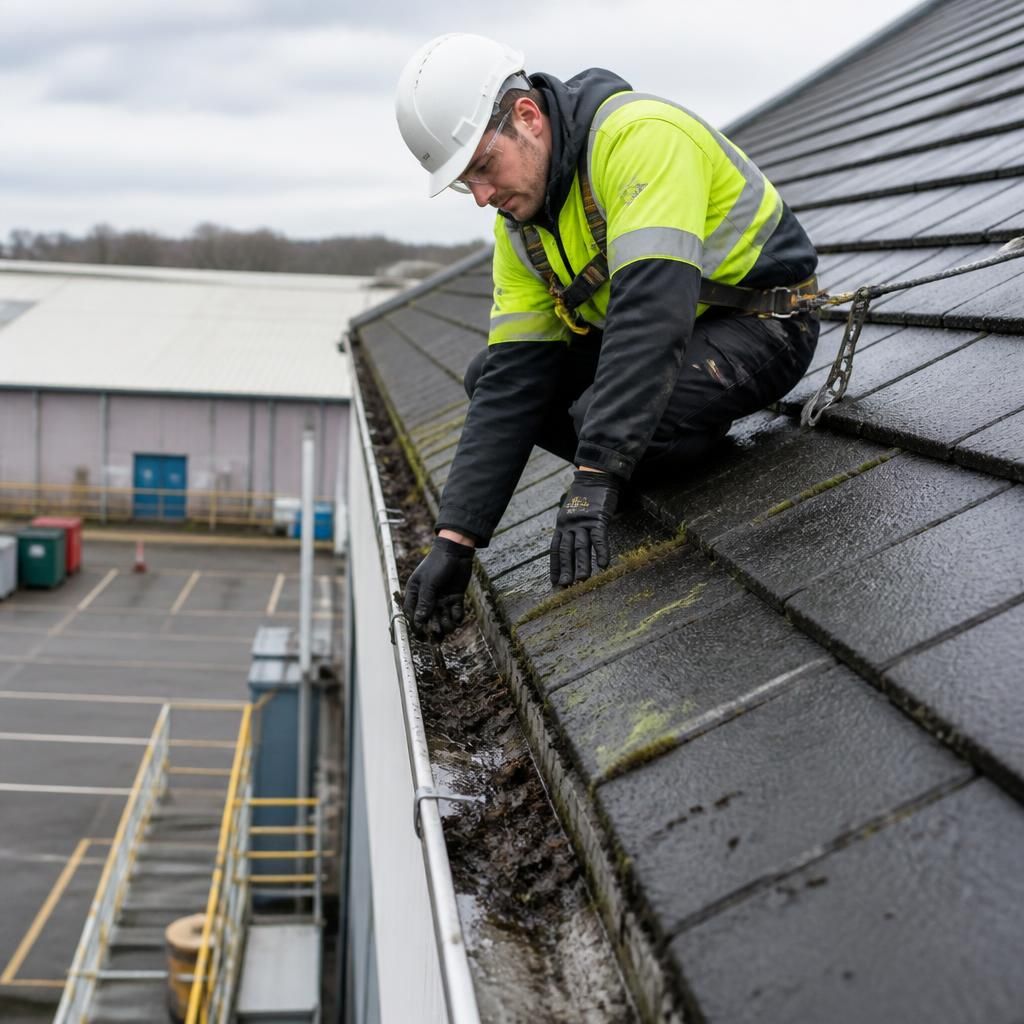
The safest roof and gutter cleaning technique is the least aggressive method that will remove the contamination without damaging the material. A small test area should be cleaned first, particularly where tiles are coated, weathered, porous or made from natural slate.
For roof tiles, this commonly means applying a compatible soft-washing treatment and rinsing at controlled low pressure. Gutters are usually cleared manually, with suitable vacuum equipment used where access is restricted, followed by gentle rinsing where necessary. The test should confirm that the surface is not being scratched, stripped, discoloured or loosened before work continues.
- Check the tile or gutter material, surface finish and condition.
- Use non-abrasive tools and material-compatible treatments.
- Protect coatings, flashings, joints, landscaping and drainage outlets.
- Stop and reassess if tiles move, coatings lift, corrosion is exposed or water enters beneath the roof covering.
Arrange a Roof and Gutter Material Assessment
Arrange a roof and gutter material assessment with Encanto Exterior Cleaning to confirm the safest cleaning method for your tiles, coatings and guttering. We will review the material, condition and contamination before recommending suitable cleaning techniques.