
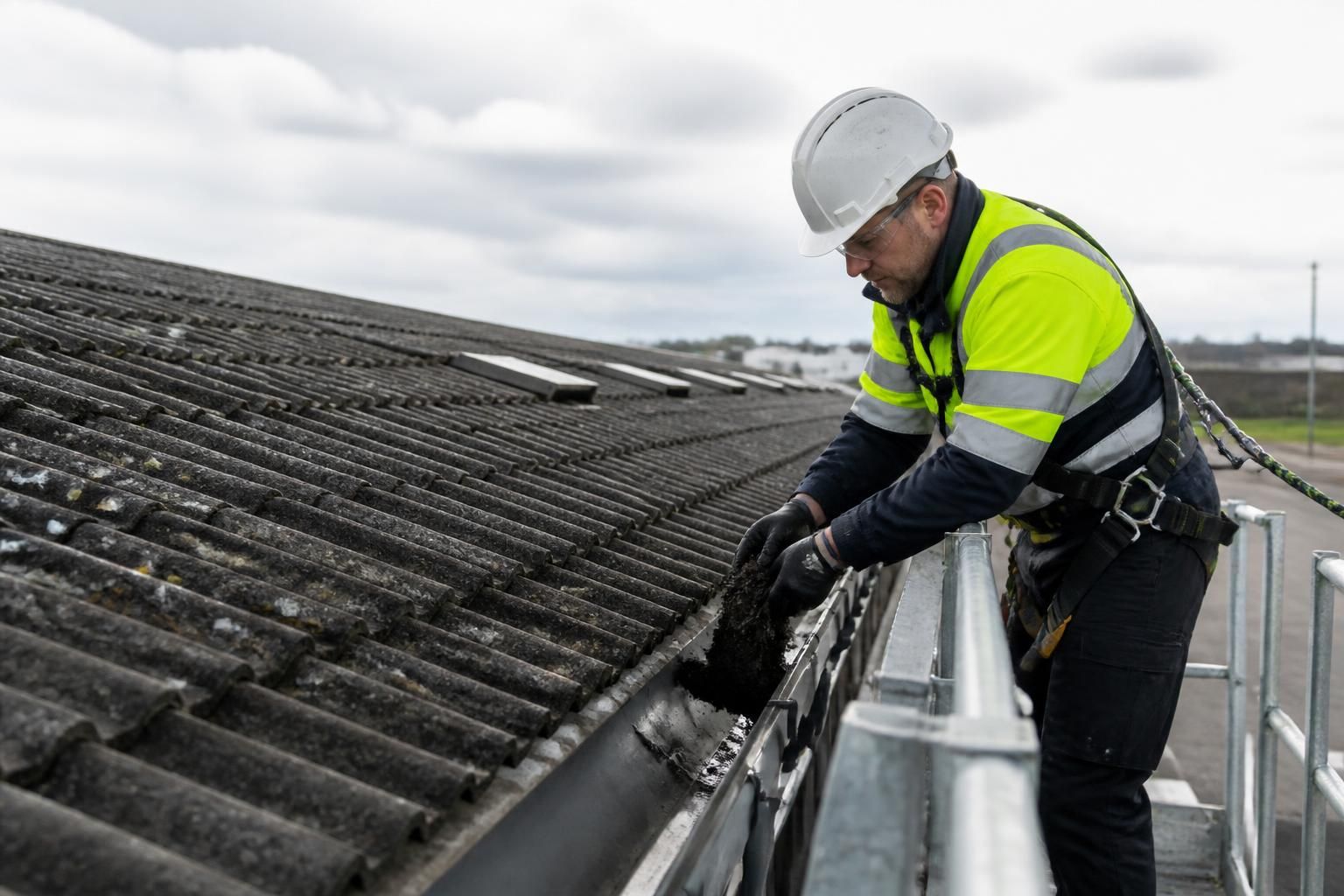
What factors should be considered when choosing a roof tile and gutter cleaning service provider?
When choosing a roof tile and gutter cleaning service provider, consider their relevant experience, risk assessments, insurance, cleaning methods, access equipment, environmental controls and ability to work safely on your type of property. Check that they provide a clear quotation, explain the proposed process and can demonstrate reliable standards for protecting roof tiles, gutters and surrounding areas.
The right roof tile and gutter cleaning provider should be able to demonstrate relevant experience, safe working procedures, suitable equipment, appropriate insurance and a cleaning method matched to the roof and gutter materials. A clear quotation should also explain the work included, access arrangements, protection for the building and how waste or run-off will be managed.
Relevant experience and technical assessment
Roof cleaning is not a single process that can be applied to every property. Before work begins, the provider should assess the roof covering, its condition, pitch, access requirements and the type of contamination present. Concrete tiles, clay tiles, slate and coated or fragile surfaces can respond differently to pressure, steam, detergents and manual cleaning. Gutters may also contain compacted debris, plant growth, silt or damaged sections that require more than routine vacuuming or washing.
Ask whether the contractor has experience with the type of roof and property involved, particularly where the work forms part of a larger commercial or managed property programme. A competent assessment should identify cracked or loose tiles, deteriorated pointing, defective seals, corroded guttering, fragile areas and any restrictions on access. Cleaning should not be presented as a substitute for roof repairs, and defects should be reported rather than concealed by the cleaning process.
Cleaning methods and equipment
The proposed method should be selected according to the material and the level of soiling. Controlled low-pressure washing, steam cleaning, soft washing, manual removal and gutter vacuuming may each be appropriate in different circumstances. High-pressure jetting can be unsuitable for older, loose, porous or damaged roof coverings because it may dislodge tiles, drive water beneath overlaps or remove surface coatings. A reliable provider should explain the advantages and limitations of the recommended method instead of automatically using the same equipment on every roof.
Equipment should be suitable for the building and the work area. This may include gutter vacuums with inspection cameras, controlled pressure-washing systems, steam-cleaning equipment, water-recovery equipment and access systems. Where mobile elevated work platforms, towers or other access equipment are required, the contractor should plan their use, check the ground conditions and prevent damage to paving, landscaping, façades and other property.
Health and safety arrangements
Roof tile and gutter cleaning involves work at height, wet surfaces, falling debris, electrical hazards and possible exposure to cleaning products. The provider should carry out a site-specific risk assessment and provide suitable method statements or RAMS where required. These should cover access, exclusion zones, weather conditions, fragile surfaces, falling materials, public safety, equipment positioning and emergency arrangements.
Check that operatives are appropriately trained for the access equipment and cleaning systems being used. Ladders should not be treated as the automatic solution for prolonged or complex work at height. The contractor should also consider pedestrians, tenants, vehicles and neighbouring premises, particularly on commercial sites and shared access routes. Work may need to be postponed during unsuitable wind, rain, frost or other conditions that increase the risk of falls or uncontrolled run-off.
Insurance and professional controls
Confirm that the provider holds suitable public liability insurance and, where relevant, employers’ liability cover. For larger projects, clients may also need evidence of health and safety documentation, training records, equipment inspections and site-specific RAMS before allowing work to start. Ask for copies of relevant certificates if they are required by the building owner, managing agent, principal contractor or local authority.
Insurance does not by itself prove that a contractor is competent, but the absence of appropriate cover is a significant concern. A professional quotation should identify the contracting business, its responsibilities and any exclusions, rather than relying on an informal verbal agreement.
Protection of the building and surrounding areas
Cleaning can affect windows, render, brickwork, cladding, painted surfaces, vents, roof lights, solar equipment, landscaping and vehicles. The provider should explain how vulnerable areas will be protected and how loose debris, dirty water and cleaning products will be controlled. Downpipes may need to be disconnected or temporarily isolated where appropriate, and gutters should be checked for blockages before water is introduced.
Run-off should be managed so that contaminated water, moss, silt and treatment residues do not enter unsuitable drainage systems or spread across public areas. Environmental controls should be proportionate to the site and the cleaning method. The contractor should also explain how removed material will be collected and disposed of, rather than allowing it to accumulate around the property.
Scope of work and quotation
A useful quotation should state whether it includes roof tile cleaning, gutter clearance, downpipe checks, rinsing, treatment, waste removal, access equipment, protection of surrounding areas and final inspection. It should distinguish between cleaning and additional work such as tile replacement, gutter repairs, sealant application, biocide treatment or repainting. Any optional treatment should be explained in terms of its purpose, suitability and maintenance implications.
Compare quotations on the basis of the proposed method and scope, not simply the lowest price. A low quotation may exclude access, waste removal, protection, treatment or remedial reporting. It may also indicate that the provider has not allowed enough time for safe preparation and controlled cleaning. The final price should be clear about potential variations and what would happen if previously hidden damage is found.
Evidence of workmanship and reliability
Ask for relevant examples of completed work, particularly on similar roof materials, building types or access conditions. Photographs can help, but they should support—not replace—a clear explanation of the process and safety controls. A reliable provider should be willing to explain what the work involved, what limitations applied and how fragile or damaged areas were handled.
Communication is also important for planned maintenance. The contractor should confirm the programme, site contacts, access requirements, parking or delivery restrictions and any measures needed to keep occupants and the public away from the work area. After completion, request confirmation of the areas cleaned, any defects observed, waste removal and recommendations for future maintenance.
Questions to ask before appointing a provider
- Have you assessed the roof covering, gutters, access and existing condition?
- Which cleaning method do you recommend, and why is it suitable for these materials?
- How will you protect tiles, roof features, walls, windows, landscaping and vehicles?
- What risk assessments, method statements and access controls will be used?
- Do you hold appropriate insurance and can you provide the documentation required for the site?
- Does the quotation include access equipment, waste removal, gutter and downpipe checks, and reporting of defects?
- How will dirty water, treatment products and removed debris be contained and disposed of?
- What happens if cracked tiles, damaged gutters or other defects are identified during cleaning?
Warning signs include a quotation issued without a site assessment, a promise to use one aggressive method on every roof, no explanation of run-off controls, unclear insurance arrangements, pressure to proceed before the scope is agreed, or a price that omits access and waste handling. Choosing a provider that can explain its process in practical terms helps protect the roof covering, reduce disruption and ensure that the finished work meets the property’s maintenance requirements.
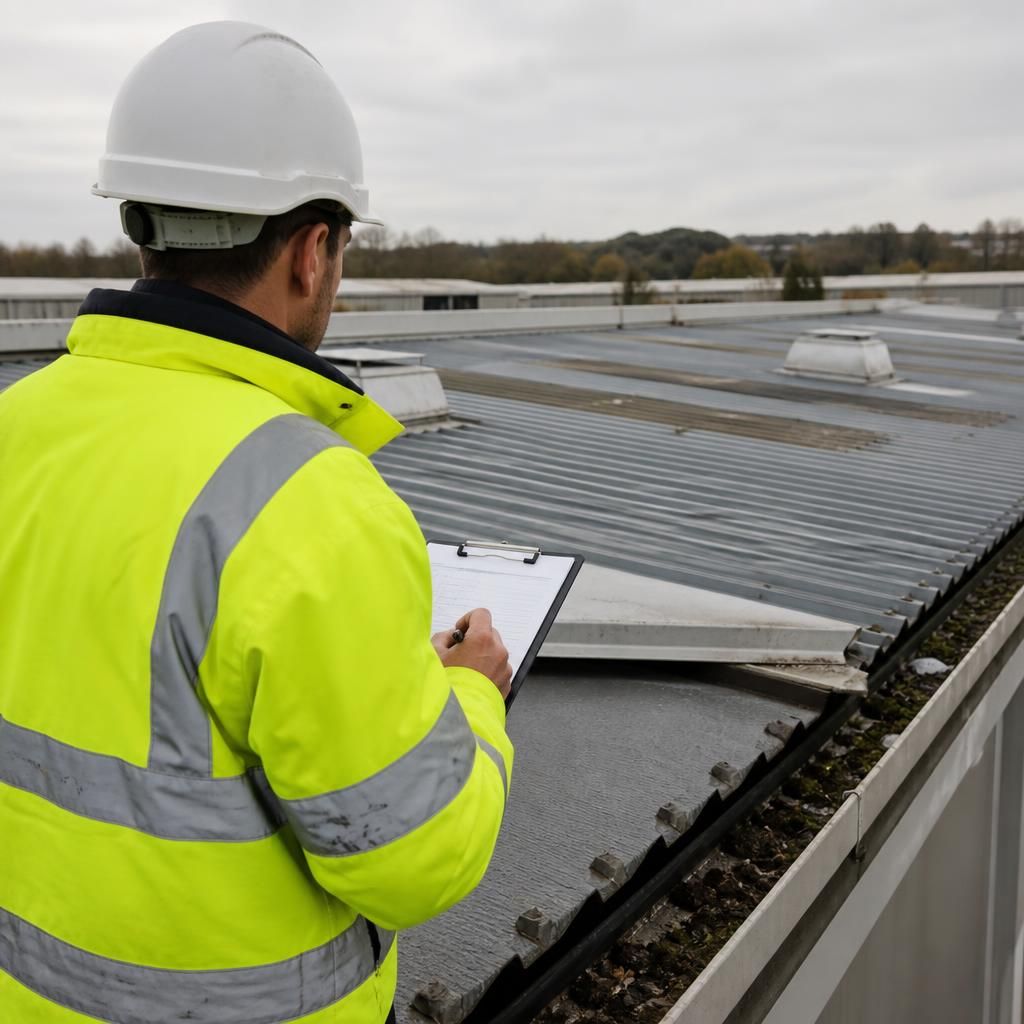
A proper site assessment is the most important part of choosing a roof tile and gutter cleaning provider. Before quoting, the contractor should inspect the roof covering, gutter condition, level of contamination, roof pitch, access points and nearby surfaces that may need protection.
This assessment allows the cleaning method to be matched to the materials. Clay tiles, concrete tiles, slate and coated surfaces can require different combinations of manual cleaning, controlled low-pressure washing, steam cleaning or gutter vacuuming. The provider should explain why the proposed method is suitable and identify any cracked tiles, loose sections, damaged gutters or other defects that cleaning will not repair.
A clear assessment should also cover work-at-height controls, access equipment, exclusion areas, debris collection and dirty-water management. If a contractor recommends the same aggressive process for every roof, provides a price without examining the property or cannot explain how surrounding areas will be protected, seek further clarification before appointing them.