

What potential issues should I monitor during regular inspections to ensure the effectiveness of my roof tile treatments?
During regular inspections, monitor for cracked, slipped or loose tiles, failed sealant, peeling or patchy coatings, moss and algae regrowth, blocked gutters, water staining, dampness and deterioration around roof penetrations. Also check whether the treatment is still repelling water and inspect flashings, joints and adjacent areas for defects that could allow moisture beneath the tiles.
Regular inspections should focus on whether the roof tile treatment remains intact, water-repellent and free from defects that could allow moisture into the roof structure. Check the tiles, coating or sealant, mortar joints, flashings, roof penetrations, gutters and nearby surfaces together, because a treatment can appear sound while water is entering through an unrelated defect.
Check the condition of the roof tiles. Look for cracked, chipped, broken, slipped or loose tiles, as well as tiles that have become brittle or heavily weathered. Damage can create direct routes for rainwater and may also allow treated areas to deteriorate more quickly. Compare sections of the roof where practical, noting any patches that look different in colour, texture or coverage. Localised changes may indicate wear, previous repairs or an unevenly applied treatment.
Inspect the coating or sealant. A protective coating should remain reasonably consistent across the treated surface. Monitor for:
- Peeling, flaking, blistering or powdering;
- Visible cracks, pinholes or areas where the coating has worn thin;
- Patchy coverage or exposed tile surfaces;
- Discolouration that may indicate weathering, contamination or a reaction with the tile;
- Loss of adhesion around tile edges, ridges, verges and roof penetrations; and
- Sealant that has split, shrunk, hardened or pulled away from the surface.
Do not assume that a change in appearance always means treatment failure. Some coatings weather gradually, while dirt, organic growth and surface staining can make an otherwise sound finish look uneven. The surface should be assessed alongside its adhesion, coverage and water-shedding performance.
Assess water repellency and drainage. Where it is safe and appropriate to do so, check whether rainwater continues to run off the treated tiles rather than soaking into the surface. Persistent darkening after rainfall, areas that remain damp for longer than surrounding tiles, or recurring water marks inside the roof space may indicate reduced repellency or a separate defect. Avoid informal water testing on a roof unless it has been planned and carried out by a competent professional, as water can be directed into vulnerable joints or openings.
Inspect gutters, hopper heads, downpipes and outlets for leaves, moss, silt and coating residue. Blocked or slow-draining systems can cause water to back up beneath tiles or saturate adjacent walls, even when the tile treatment itself is performing properly. Check for overflowing gutters, damp staining below outlets and water collecting on flat or low-pitched sections.
Monitor moss, algae and lichen regrowth. Regrowth can retain moisture against the tile surface and may disturb coatings or sealants as it develops. Pay particular attention to shaded, north-facing and poorly ventilated areas, as well as locations below trees. Small isolated growth may require cleaning, but widespread or recurring growth can point to persistent dampness, poor drainage or a treatment that is no longer suited to the conditions.
Examine joints, flashings and roof penetrations. Treatment cannot compensate for failed detailing. Inspect mortar bedding, ridge and verge joints, leadwork or other flashings, rooflights, vents, soil pipes, skylights and service penetrations for cracking, lifting, open joints or gaps. Water staining around these areas should be investigated promptly, particularly if it appears after wind-driven rain. Also check abutments, parapets and roof-to-wall junctions, where small defects can allow water beneath otherwise sound tiles.
Look for internal signs of water ingress. If access is available, inspect the roof space for damp insulation, staining, mould, timber discolouration, water droplets or musty odours. Trace marks back to their highest visible point where possible, but bear in mind that water can travel along battens, rafters and membranes before appearing internally. Dampness may result from condensation as well as rain penetration, so the cause should be confirmed rather than attributed automatically to treatment failure.
Check the surrounding building fabric. Staining, blistering paint, efflorescence or damp patches on upper walls, fascias, soffits and ceilings can indicate defective roof drainage or flashing. Inspect vegetation close to the roof, overhanging branches and debris that may abrade the coating or obstruct drainage. On commercial premises, also consider plant, signage, access systems and maintenance work that may have disturbed tiles or the treated finish.
Keep inspection records that identify the roof area, observed defect, likely cause, photographs and any action taken. Comparing current observations with the condition recorded after treatment makes gradual coating wear easier to identify and helps distinguish new damage from pre-existing defects. Records are particularly useful where several roof sections have different tile types, exposure levels or treatment systems.
Arrange professional assessment where tiles are unstable, access is difficult, defects are widespread, or water ingress is suspected. Roof inspections should not involve walking on tiles without suitable training, access equipment and controls, as tiles can be fragile and treatments may make surfaces slippery. Minor issues should be addressed before cleaning or re-treatment is considered; otherwise, a new coating may conceal defects without resolving the source of moisture.
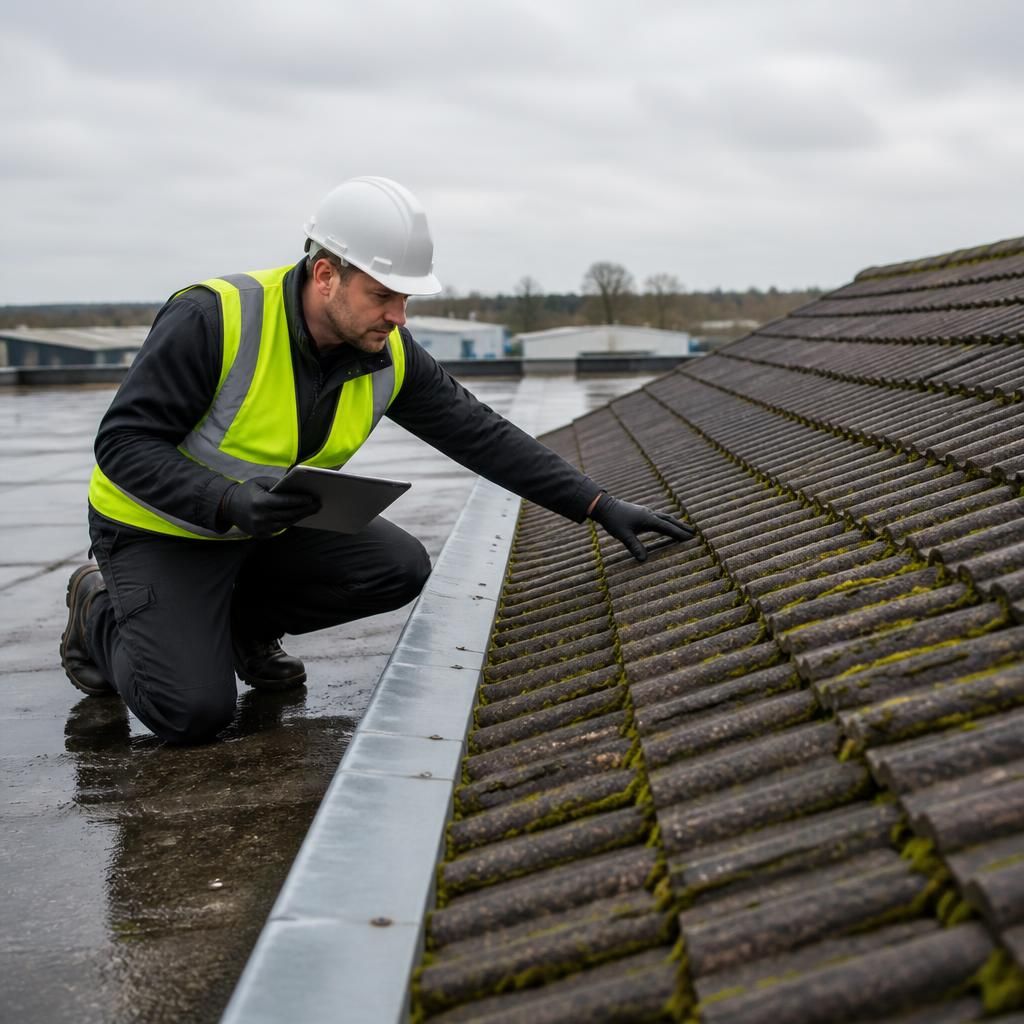
Regular inspections should monitor whether the roof treatment is still shedding water and protecting the tiles from moisture-related damage. Persistent darkening after rainfall, damp patches, peeling or blistering coating, moss regrowth and water staining inside the roof space may indicate reduced performance or a separate defect in the roof covering.
Pay particular attention to flashings, tile joints, ridges, verges, roof penetrations and gutters, as failures in these areas can allow water beneath otherwise sound treated tiles. Record photographs and locations during each inspection so gradual changes can be identified. Any suspected water ingress, unstable tiles or widespread coating failure should be assessed by a competent roofing professional before further cleaning or treatment is arranged.
Arrange a Professional Roof Tile Treatment Inspection
Arrange a professional roof tile treatment inspection if you identify coating failure, unstable tiles, suspected water ingress or defects around flashings and roof penetrations. Encanto Exterior Cleaning can assess the treatment, identify underlying issues and recommend appropriate maintenance or remedial work.