
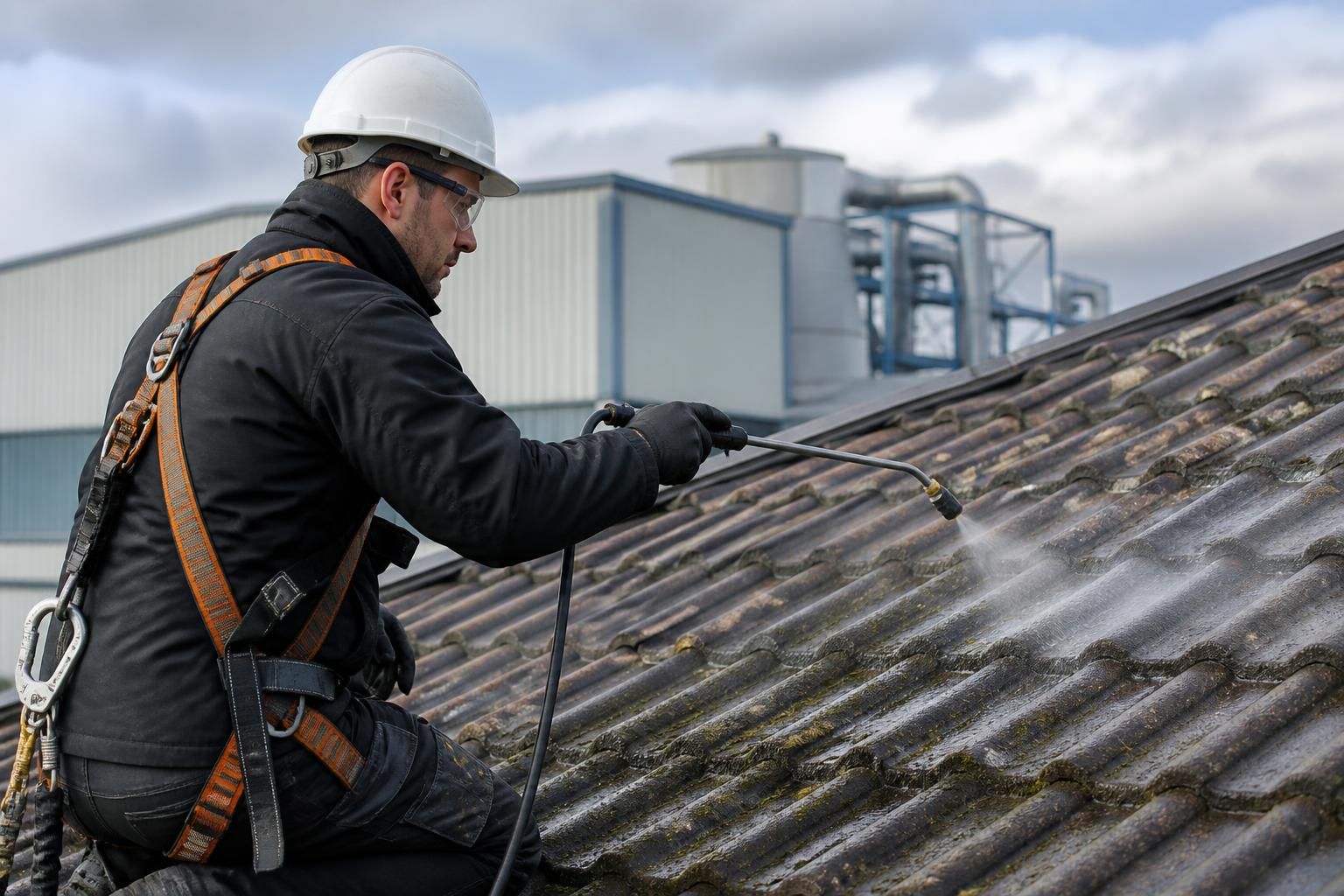
What materials and coatings are typically used in roof tile treatment?
Roof tile treatment typically uses breathable water-repellent sealants, acrylic or polymer coatings, and specialist protective finishes formulated for concrete, clay or slate tiles. The appropriate material depends on the tile type, condition and desired result, as a coating must provide protection without trapping moisture or affecting the roof’s appearance and performance.
Roof tile treatment usually involves a breathable water-repellent sealant, a pigmented acrylic or polymer coating, or a specialist protective finish selected for the tile material and its condition. Treatments may be applied to concrete, clay, slate and some fibre-cement tiles, but the product must be compatible with the substrate. The objective is to reduce water penetration, limit the attachment of dirt and organic growth, and improve appearance without trapping moisture within the roof structure.
The most suitable material depends on whether the roof needs water repellency, colour restoration, surface protection or a combination of these. A coating is not a substitute for repairing cracked tiles, defective flashings, failed mortar or blocked drainage. Those defects should be addressed before any treatment is applied.
- Water-repellent sealants: Silane- and siloxane-based products penetrate the surface of porous tiles and reduce the absorption of rainwater. They are generally clear or low-colour and can preserve the existing appearance while allowing water vapour to escape. These products are often considered for sound concrete, clay and some masonry-based roof materials where the primary requirement is moisture resistance rather than colour change.
- Acrylic coatings: Acrylic roof coatings form a surface film and are available in clear or pigmented formulations. They can provide colour enhancement, resistance to weathering and a more uniform finish on suitable concrete tiles. Their performance depends on thorough preparation and good adhesion, so loose material, contamination and previous incompatible coatings must be removed or stabilised first.
- Polymer and resin-based coatings: Specialist polymer formulations are designed to provide a durable protective layer with improved resistance to rain, sunlight and surface contamination. Some are formulated to remain flexible as the roof experiences normal movement, although flexibility does not compensate for damaged or unstable tiles.
- Elastomeric coatings: These flexible coatings may be specified where the substrate requires a degree of movement tolerance. They are more commonly associated with compatible profiled or cement-based roofing surfaces than with traditional clay or natural slate. Product selection is particularly important because an unsuitable film can affect the appearance, breathability or future maintainability of the roof.
- Pigmented protective finishes: Coloured finishes are used to refresh faded concrete tiles or create a more consistent appearance after cleaning. The pigment and binder need to be suitable for external exposure, and the colour should be assessed on the actual roof material because a sample may appear different once applied across a larger surface.
- Biocidal and fungicidal treatments: These are used to remove or control algae, moss, lichen and other organic growth before sealing or coating. They are usually a preparatory treatment rather than the final protective coating. Organic growth must be dealt with carefully, as simply painting over it can leave contamination beneath the new finish and compromise adhesion.
- Primers and bonding coats: A compatible primer may be required where the tile is highly porous, previously painted, weathered or difficult to coat. Primers help regulate absorption and improve adhesion, but they should only be used where the coating manufacturer specifies them. Adding an unnecessary primer can create compatibility problems.
Concrete tiles are often suitable for breathable acrylic, polymer or water-repellent systems once they have been cleaned and allowed to dry properly. Their porosity can make them receptive to penetrating sealants, while pigmented coatings may be appropriate when the surface has become faded or uneven. The coating should not bridge open cracks or conceal defects that require repair.
Clay tiles require a more cautious approach. Many traditional clay tiles are durable and do not need a film-forming coating purely for protection. A penetrating, breathable treatment may be preferable where water absorption needs to be reduced, provided it is approved for the specific tile. A dense coating can alter the appearance and may interfere with the way moisture moves through an older roof.
Natural slate varies considerably in porosity, surface texture and mineral composition. Some slate roofs should remain untreated apart from cleaning and repair, while others may accept a specialist breathable water-repellent product. Coatings intended for concrete or clay should not automatically be used on slate. The condition of the slate, its source and any existing surface treatment should be checked before specification.
Fibre-cement and other manufactured roofing materials also need product-specific advice. Their surface may contain fibres, cement binders or existing finishes that respond differently to pressure washing, solvents and film-forming coatings. A small test area can help confirm adhesion, colour, coverage and the effect of the treatment before work proceeds across the roof.
Breathability is one of the most important characteristics to assess. A breathable product allows water vapour within the roof construction to escape while reducing the entry of liquid rainwater. This does not make a roof waterproof in the structural sense, and it cannot correct poor ventilation or concealed leaks. Non-breathable or unsuitable coatings may retain moisture, encourage deterioration and make later repairs more difficult.
Before choosing a material, the roof should be assessed for tile type, age, porosity, existing coatings, biological growth, cracking, friability and signs of moisture ingress. The specification should also consider the roof’s exposure to weather, the required appearance, compatibility with adjoining materials and the manufacturer’s cleaning and recoat requirements. Any product used should be intended for roofing, suitable for the substrate and applied in accordance with its technical instructions.
In practice, a sound roof may need only a breathable water-repellent treatment, while a faded concrete-tile roof may benefit from a compatible pigmented acrylic or polymer finish. Where the surface is heavily contaminated or has an unknown previous coating, testing and careful preparation are more important than selecting the most visually attractive finish. A suitable treatment protects the tile while allowing the roof to continue performing as designed.
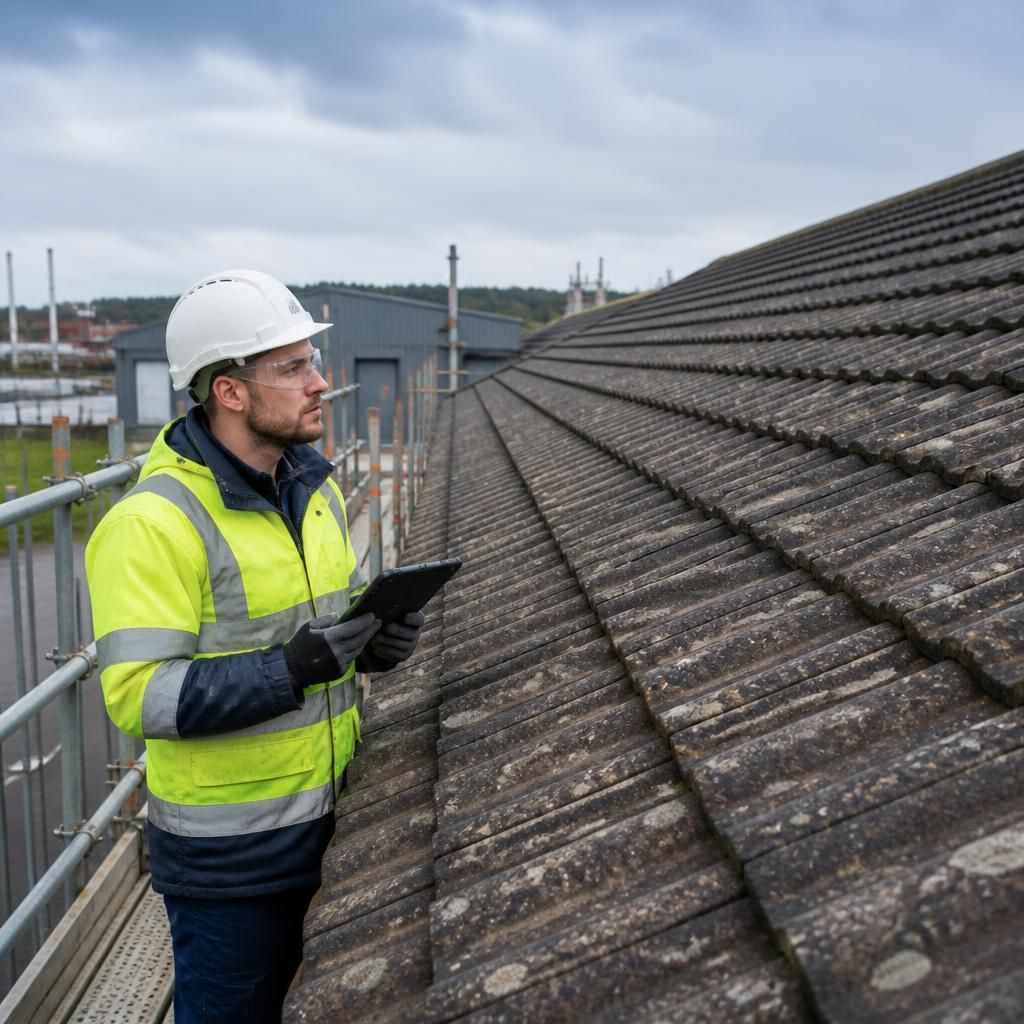
Breathability and compatibility are more important than appearance alone. A roof tile treatment should reduce water absorption while allowing moisture vapour to escape from the roof structure. Breathable silane- or siloxane-based sealants can be suitable for porous concrete and some clay tiles, whereas pigmented acrylic or polymer coatings form a surface film and are generally considered where colour restoration is also required.
The same product should not be assumed suitable for every roof. Natural slate, older clay tiles, fibre-cement and previously coated surfaces may require specialist advice and a test area before full application. Checking adhesion, colour, porosity and moisture behaviour first helps prevent peeling, trapped moisture or an appearance that is difficult to maintain.