
What factors should I consider when selecting the best treatment for my specific roof tiles?
Select the treatment by assessing the tile material and condition, existing coatings, roof pitch, exposure to weather, and the type of protection required. A suitable treatment must be compatible with the tiles, allow the roof to breathe where necessary, and address issues such as moss, dirt, water absorption, cracking or surface deterioration without causing further damage.
The best roof tile treatment depends on the tile material, its condition, existing finishes, the roof’s exposure and the result required. A treatment suitable for sound concrete tiles may be inappropriate for clay tiles, natural slate or older, weathered materials. Before any product is selected, the roof should be inspected to identify damage, contamination, water absorption, previous coatings and any areas where treatment could interfere with ventilation or drainage.
Start by identifying the tile or slate type. Common roof coverings have different levels of porosity and different responses to cleaning and coatings:
- Concrete tiles can become porous as their surface wears. Depending on their condition, they may be suitable for a compatible water-repellent treatment or a breathable protective coating after cleaning and drying.
- Clay tiles can be affected by aggressive pressure, unsuitable chemicals and impermeable coatings. Treatments should preserve the tile’s surface and should not trap moisture within the roof covering.
- Natural slate varies considerably in composition and condition. It may not require a coating, and treatment must not obscure delamination, cracks or other signs that the slate is nearing the end of its serviceable life.
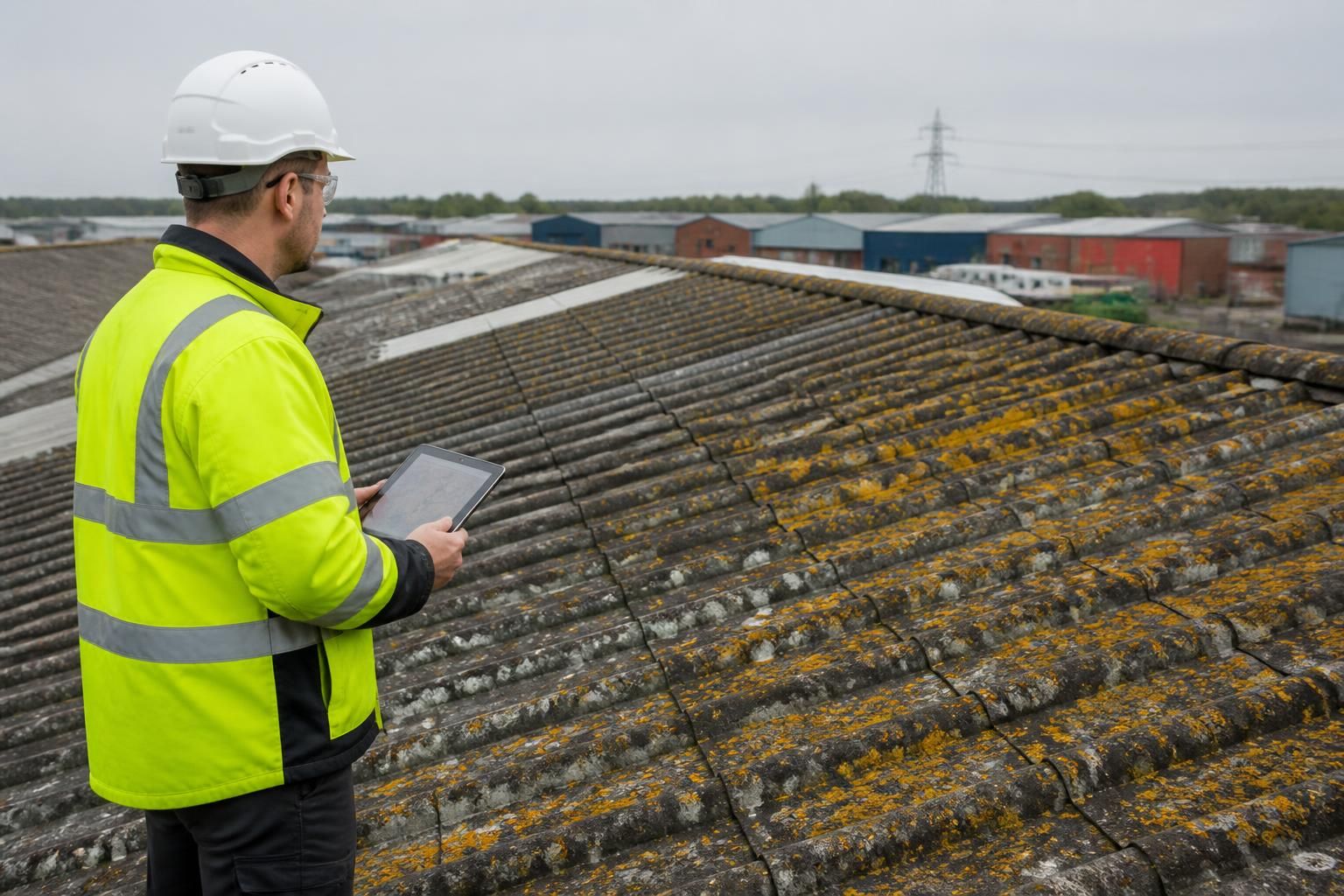
- Fibre-cement or older specialist materials require additional care. Some older products may contain asbestos, so they should not be disturbed, pressure washed or treated until their composition has been professionally assessed.
The tile profile and age also matter. Interlocking tiles, plain tiles and heavily weathered or reclaimed tiles can have different drainage characteristics. A product that forms a continuous film may alter how water runs over the surface or restrict the release of moisture from beneath the tiles.
Assess the roof’s current condition before deciding on a treatment. Treatment is not a substitute for repairs. Broken, slipped, loose or missing tiles, defective ridge and verge pointing, damaged flashings, blocked valleys and failing underlay should be addressed as part of the maintenance plan. Applying a coating over defects can conceal problems and make later inspection more difficult.
Look for:
- cracks, chips, spalling or surface erosion;
- powdering or loss of the original tile finish;
- persistent damp areas, staining or water ingress;
- moss, algae, lichen, bird fouling and accumulated organic debris;
- rusting fixings, exposed fasteners or movement around roof details; and
- previous paint, sealant, water repellent or other coating that may be loose or incompatible.
Where the tiles have deteriorated significantly, replacement or repair may provide better protection than applying a new treatment. A coating can improve the appearance of sound, stable tiles, but it cannot restore structural strength to a tile that is cracked or failing.
Consider the type of protection actually required. Different treatments address different problems and should not be treated as interchangeable:
- Cleaning removes dirt, moss, algae, lichen and other deposits. The method should be chosen to avoid driving water beneath tiles or damaging the surface.
- Biocidal treatment helps control organic growth and may be appropriate where moss or algae is the main concern. It does not repair damaged tiles or provide a permanent waterproof layer.
- Water-repellent treatment reduces surface water absorption while allowing the roof covering to retain an appropriate level of vapour permeability. It must be compatible with the tile and applied only to a suitably prepared surface.
- Pigmented or protective coating can improve uniformity and provide a defined surface finish, but it needs sound, clean, dry tiles and careful preparation. It may be unsuitable where the roof needs to release trapped moisture or where future inspection would be obscured.
- Repair or replacement is the correct response to structural defects, extensive deterioration or failed roof details rather than relying on a surface treatment.
Check whether the treatment is breathable. Roof coverings and the layers beneath them can contain moisture from rain, condensation and normal building use. An impermeable product may trap that moisture, particularly where ventilation is limited or the roof has an older construction. This can contribute to damp, frost damage, timber deterioration or failure of the coating itself. The selected treatment should be suitable for the roof build-up and should not obstruct designed ventilation at eaves, ridges or other details.
Take account of the roof’s exposure and local climate. Roofs in Birmingham, the wider West Midlands and other parts of the UK may experience prolonged rainfall, frost, wind-driven water, shade and repeated wetting and drying. A north-facing or tree-shaded roof may remain damp for longer and support more organic growth. A roof exposed to strong sunlight may experience greater thermal movement and surface weathering. Coastal locations add salt exposure, while industrial or urban environments may add airborne dirt and pollution. These conditions influence whether the priority should be biological control, water repellence, surface protection or more frequent inspection.
Roof pitch and drainage are also relevant. Steeper roofs may shed water quickly but can be more difficult to access safely. Low-pitched roofs and areas around valleys, abutments and roof penetrations need particular attention because standing water or slow drainage can increase moisture exposure. Treatment should never obstruct channels, outlets or laps between tiles.
Review existing coatings and previous maintenance. A new product should not normally be applied over chalking, flaking, peeling or poorly bonded material. Residual coatings can prevent adhesion, create an uneven finish or cause the new treatment to fail prematurely. In some cases, controlled removal is necessary; in others, applying another coating is not advisable. Small-scale compatibility testing and a discreet trial area can help confirm the expected appearance, adhesion and reaction of the tile before full application.
Check the preparation and application requirements. The roof generally needs to be clean and sufficiently dry, with loose deposits removed and repairs completed before treatment. The chosen product may have limits relating to temperature, rainfall, surface moisture, application method and curing time. These requirements are particularly important in the UK, where changing weather can affect drying and adhesion. Applying treatment to a damp, contaminated or unstable surface can trap residue beneath the coating or lead to uneven coverage.
Preparation must also protect the surrounding property. Run-off should be controlled so that cleaning residues, biocides, paint particles and contaminated water do not enter surface-water drains, planting areas or neighbouring property. Access equipment, edge protection and safe work methods should be selected according to the roof height, pitch, condition and surrounding hazards. Avoid unnecessary foot traffic on fragile or weathered tiles.
Consider the desired appearance and future maintenance. If the objective is simply to reduce moss and surface contamination, cleaning followed by an appropriate biological treatment may be sufficient. If the tiles are sound but absorbent, a breathable water-repellent treatment may be more suitable. If a consistent colour or finish is required, a compatible coating may be considered, provided it will not conceal defects or restrict moisture movement. The treatment should also allow the roof to be inspected and maintained in future.
A suitable maintenance plan should include checks for renewed organic growth, coating breakdown, cracking, colour changes, blocked drainage and movement of tiles. Treatments do not remove the need for inspection, particularly on roofs exposed to trees, heavy weather or recurring damp conditions. The condition of the roof and the performance of the treatment should guide the timing of future cleaning or reapplication rather than relying on a fixed assumption.
For a reliable decision, compare the proposed treatment against the tile manufacturer’s guidance where available, the roof’s construction, its age and condition, the surrounding environment and the intended service life. A professional assessment should record the tile type, defects, contamination, existing finishes, access requirements and any environmental controls before recommending a product. This approach helps ensure that the treatment protects the roof without trapping moisture, damaging the tile surface or covering up repairs that are still needed.
The tile material and condition are the most important factors when selecting a roof treatment. Concrete, clay, natural slate and fibre-cement coverings differ in porosity, strength and tolerance of cleaning methods, so a product suitable for one may damage another or trap moisture within the roof.
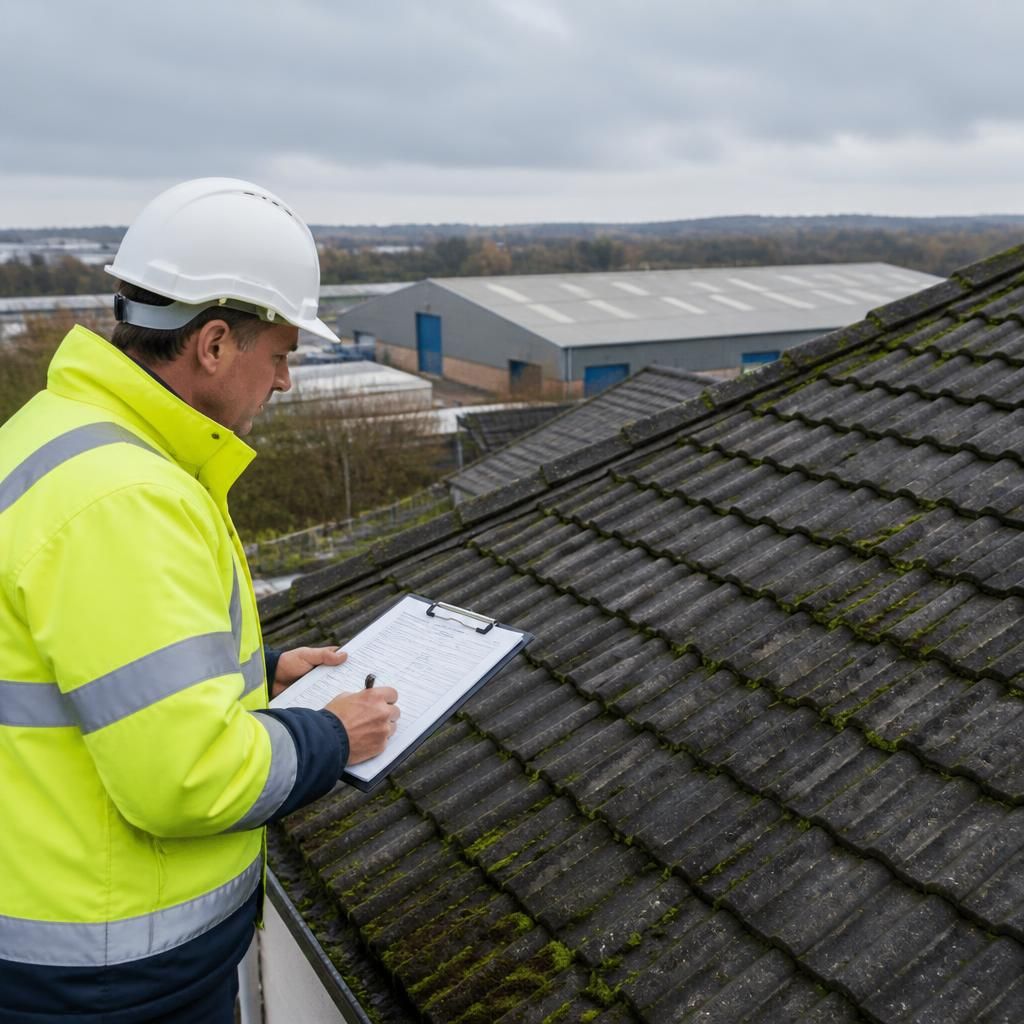
Before treatment, the roof should be checked for cracks, surface erosion, moss, previous coatings and signs of water ingress. Cleaning and repair may be required first. A breathable water-repellent treatment may suit sound, absorbent tiles, while heavily deteriorated tiles may need repair or replacement rather than a coating. A small trial area can help confirm compatibility, appearance and adhesion before wider application.
Arrange a professional roof tile treatment assessment
Arrange a professional roof tile treatment assessment with Encanto Exterior Cleaning to confirm the tile type, roof condition, existing coatings and most suitable treatment. We can also identify repairs, access requirements and environmental controls before work begins.