
What factors influence the cost of roof tile treatment and maintenance?
The cost of roof tile treatment and maintenance is influenced by the roof’s size, tile condition, access requirements, contamination levels, cleaning method, and the type of protective treatment required. Repairs, difficult working conditions and the need for specialist access equipment can also increase the overall cost.
The cost of roof tile treatment and maintenance is mainly determined by the roof’s size, condition, accessibility, level of contamination, cleaning method and the treatment or repair work required. A straightforward roof with good access and limited organic growth will generally require less preparation and labour than a large, heavily soiled or difficult-to-reach roof requiring specialist equipment, repairs and several treatment stages.
Roof size and layout affect the amount of labour, materials and equipment needed. A larger roof has more tiles and greater surface area to inspect, clean and treat. However, total area is not the only consideration. Multiple roof sections, steep pitches, dormers, valleys, ridges, rooflights, plant installations and changes in level can slow the work and make application more detailed. Complex layouts may therefore cost more to maintain than a larger but uncomplicated roof.
The condition and type of the tiles also influence the scope of work. Concrete, clay, slate and other roofing materials have different cleaning tolerances and treatment requirements. Older, weathered or fragile tiles may need gentler methods and additional care to avoid damage. Cracked, loose, slipped or porous tiles can require remedial work before cleaning or coating begins. If the roof covering is already deteriorated, treatment alone may not be suitable, and repairs or replacement may need to be considered separately.
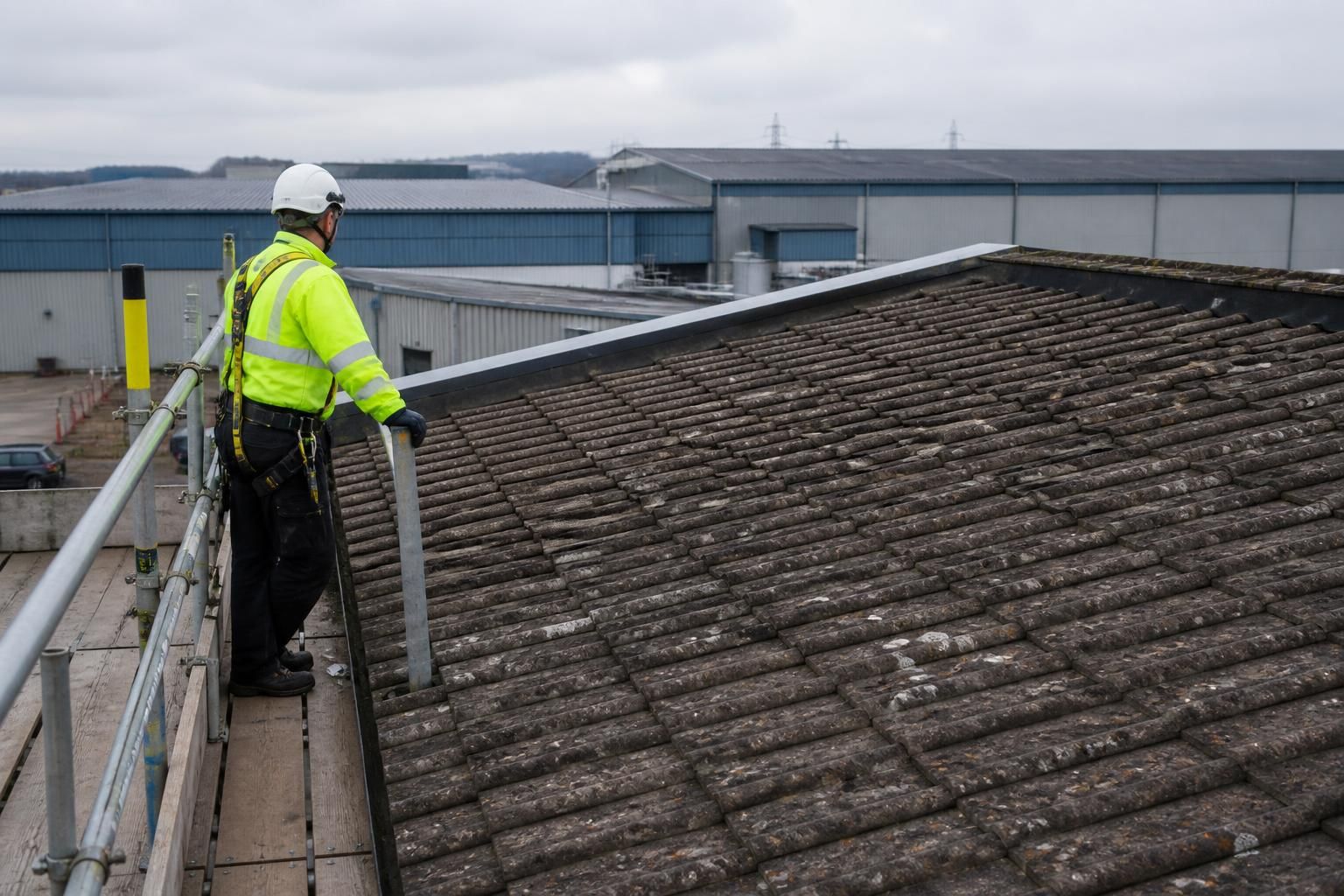
Access and working conditions are significant cost factors on commercial and industrial properties. The contractor may need to assess the building’s height, roof pitch, surrounding ground, nearby structures and available access points before deciding how the work can be carried out safely. Scaffolding, mobile elevated work platforms, roof access systems, edge protection or other specialist equipment may be necessary. Restricted yards, busy service areas, fragile surfaces and limited parking can increase setup time and equipment requirements.
Work at height must be properly planned, and the safest access method is not always the least expensive. A method statement, risk assessment, exclusion zone and additional supervision may be required, particularly where the building is occupied or located beside public areas. These controls are part of responsible roof maintenance rather than optional extras.
The level and type of contamination determine how much preparation is needed. Moss, algae, lichen, dirt, atmospheric staining, bird fouling and industrial deposits may each require a different approach. Light surface soiling may be removed with a relatively simple process, while established growth can be firmly attached to the tile surface and may need careful mechanical removal, steam cleaning or a controlled biocidal treatment. Thick contamination can also conceal defects, meaning further inspection is needed once the roof has been cleaned.
The selected cleaning method affects both labour and equipment costs. Pressure washing can be appropriate for some robust roof coverings when carried out at a controlled pressure and with suitable precautions, but it is not suitable for every roof. Steam cleaning or other low-impact methods may be preferable where tiles are aged, delicate or vulnerable to water penetration. The method must take account of the tile material, condition, surrounding surfaces, drainage arrangements and the risk of dislodging contaminants into gutters or nearby areas.
The treatment or coating specified is another variable. A roof may need a biocidal treatment to control organic growth, a water-repellent treatment to reduce moisture absorption, or a compatible protective coating to improve weather resistance and appearance. Products differ in preparation requirements, application method, coverage and the number of coats needed. The cheapest product is not necessarily the most suitable: compatibility with the existing tile, vapour movement, colour, expected exposure and future maintenance requirements should all be assessed.
Preparation often accounts for a substantial part of the work. Before treatment, the roof may need to be cleared of loose debris, gutters protected or cleaned, surrounding walls and windows covered, and vulnerable fixtures isolated. The surface may also need to dry fully before a coating can be applied. If preparation is incomplete, the treatment may bond poorly or fail to perform as intended, creating additional maintenance costs later.
Repairs and additional maintenance can increase the overall cost but may be necessary to achieve a durable result. Typical requirements include replacing broken tiles, securing loose ridge or verge components, renewing defective pointing, repairing flashing, clearing gutters and addressing areas where water is collecting. These items should be identified during the initial survey and priced separately where possible, so the treatment cost is not confused with unrelated roof repairs.
Site-specific environmental and operational requirements may also affect the price. Commercial premises may need work completed outside normal operating hours to avoid disrupting staff, tenants, vehicles or production. Measures may be required to prevent cleaning residues, biocides or contaminated water entering drains, soil or watercourses. Properties in conservation areas or buildings with unusual materials may require additional consultation and more carefully controlled methods.
For ongoing maintenance, the cost is influenced by the proposed inspection interval and the roof’s exposure. Roofs beneath trees, near industrial activity or in damp, shaded locations may accumulate organic growth more quickly than exposed roofs. Regular inspections and smaller maintenance visits can help identify blocked drainage, failed coatings and minor tile movement before more extensive work is needed. A planned maintenance programme is usually easier to budget for than infrequent reactive cleaning after contamination and defects have become established.
When comparing quotations, check that each one covers the same scope. The specification should state whether it includes a roof survey, access equipment, protection of surrounding areas, cleaning, waste and residue management, repairs, treatment application, gutter cleaning, final inspection and any follow-up visit. It should also identify the proposed products and methods rather than describing the work only as “roof cleaning” or “roof treatment”.
An accurate assessment should therefore be based on a site survey or suitable inspection information, not roof area alone. Photographs, roof plans and details of access can help with an initial estimate, but the final recommendation should reflect the actual tile condition, contamination, drainage, working environment and treatment compatibility. This approach provides a clearer comparison of costs and helps ensure that the chosen maintenance work protects the roof without introducing avoidable damage or future remedial work.
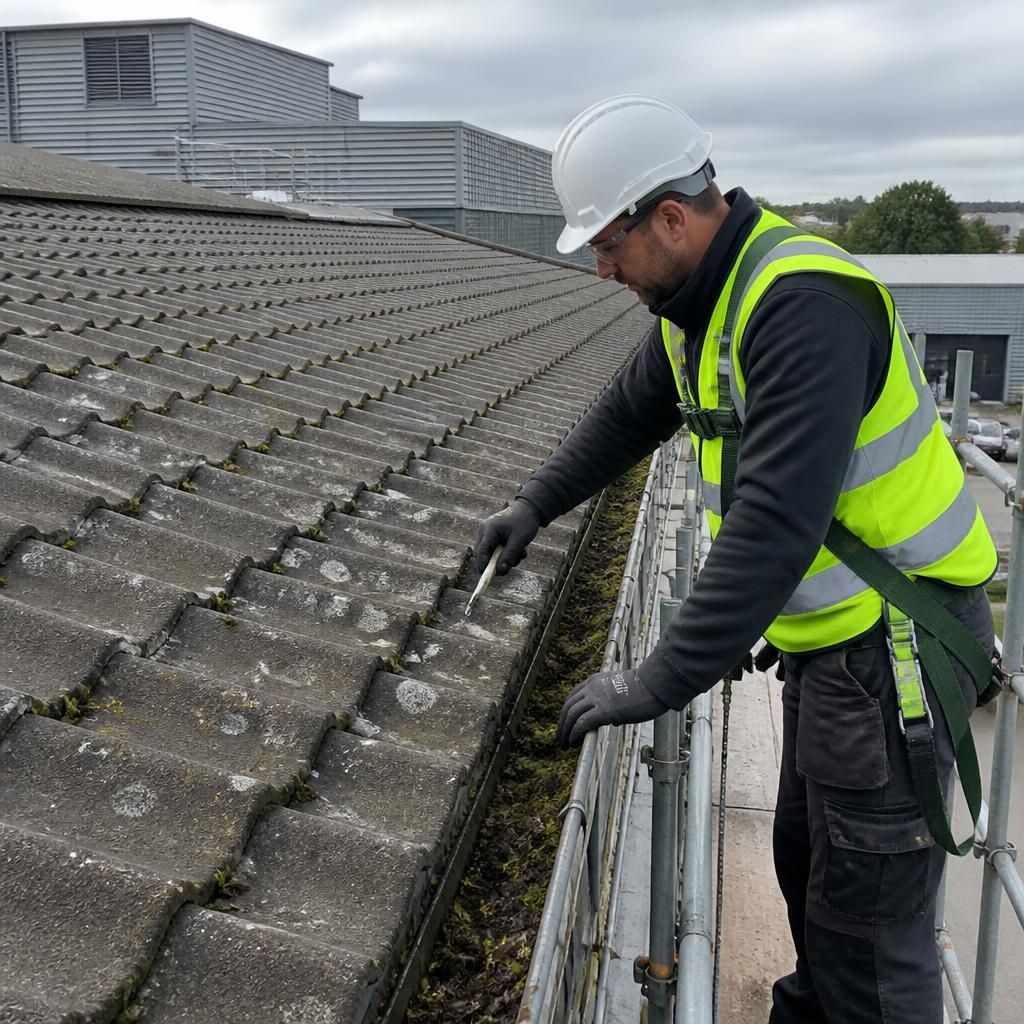
Roof access is a major factor in the cost of tile treatment and maintenance because it determines how safely the work can be inspected, prepared and completed. A low-pitched roof with clear access may need less setup, while a steep, high or obstructed roof can require scaffolding, edge protection or specialist access equipment.
The roof’s condition also affects the price. Broken or loose tiles, defective pointing, blocked gutters and damaged flashing should be identified before cleaning or applying a treatment. Completing necessary preparation and repairs helps the treatment perform properly and prevents avoidable remedial work later. A site survey provides the most reliable basis for assessing these requirements and producing a clear quotation.