
What are the benefits of applying a sealant to roof tiles?
Applying a suitable sealant to roof tiles creates a protective barrier that helps reduce water penetration, weathering, staining and surface deterioration. It can extend the serviceable life and appearance of sound tiles, while making the roof easier to maintain, although it will not repair damaged tiles or resolve underlying defects.
Applying a suitable sealant to sound roof tiles creates a water-repellent protective barrier over the tile surface. This can reduce the absorption of rainwater, slow weather-related deterioration, limit staining and make the roof easier to maintain. The result depends on the tile material, the condition of the roof, the preparation carried out and whether the sealant is compatible with the existing surface.
Key benefits of applying a roof tile sealant include:
- Reduced water absorption: Porous concrete, clay and some older roof tiles can absorb moisture. A suitable sealant helps limit this absorption, reducing the amount of water held within the tile and helping the roof shed rain more effectively.
- Improved resistance to weathering: Repeated exposure to rain, frost, wind, sunlight and temperature changes can gradually affect unprotected tiles. By reducing moisture penetration and surface exposure, a sealant can help slow surface erosion, discolouration and general weathering.
- Protection against staining and organic growth: A smoother, less absorbent surface is generally less likely to retain dirt, algae, moss spores and other contaminants. Sealant does not remove established growth or prevent it permanently, but it can make future cleaning and routine maintenance more manageable.
- Longer serviceable life: Where tiles are fundamentally sound, reducing moisture-related deterioration can help preserve their condition for longer. This may postpone the need for extensive remedial work or replacement, although sealant is not a substitute for repairing defective tiles, failed mortar or faulty flashing.
- Improved appearance: Some products restore a more even finish or enhance the existing colour of roof tiles. The final appearance depends on the coating selected; some sealants are clear, while others are pigmented or designed to provide a particular finish.
- Easier ongoing maintenance: Dirt and organic deposits may be less likely to bond firmly to a sealed surface. This can make subsequent inspections and cleaning more straightforward, provided the roof is still maintained using methods and products appropriate for the tile type.
- Additional protection after cleaning: Cleaning can remove accumulated dirt, moss and staining, but it may also leave exposed pores in older tiles. Applying a compatible sealant after the roof has been cleaned, dried and inspected can provide a further protective layer.
Sealant can also help reduce the effects of freeze–thaw weathering on porous tiles. When water enters a tile and subsequently freezes, it expands and can contribute to cracking or surface breakdown. Limiting water absorption may reduce this risk, but it cannot eliminate it, particularly where tiles are already cracked, delaminated or structurally weakened.
The suitability of sealing depends heavily on the roof covering. Concrete tiles are often suitable for a compatible penetrating treatment or surface coating, subject to their condition. Clay tiles, slate, fibre-cement products and coated or glazed tiles require more careful assessment because their porosity, surface finish and moisture behaviour differ. Some manufacturers’ finishes should not be coated, and a product intended for one tile type may cause poor adhesion, trapped moisture or an uneven appearance on another.
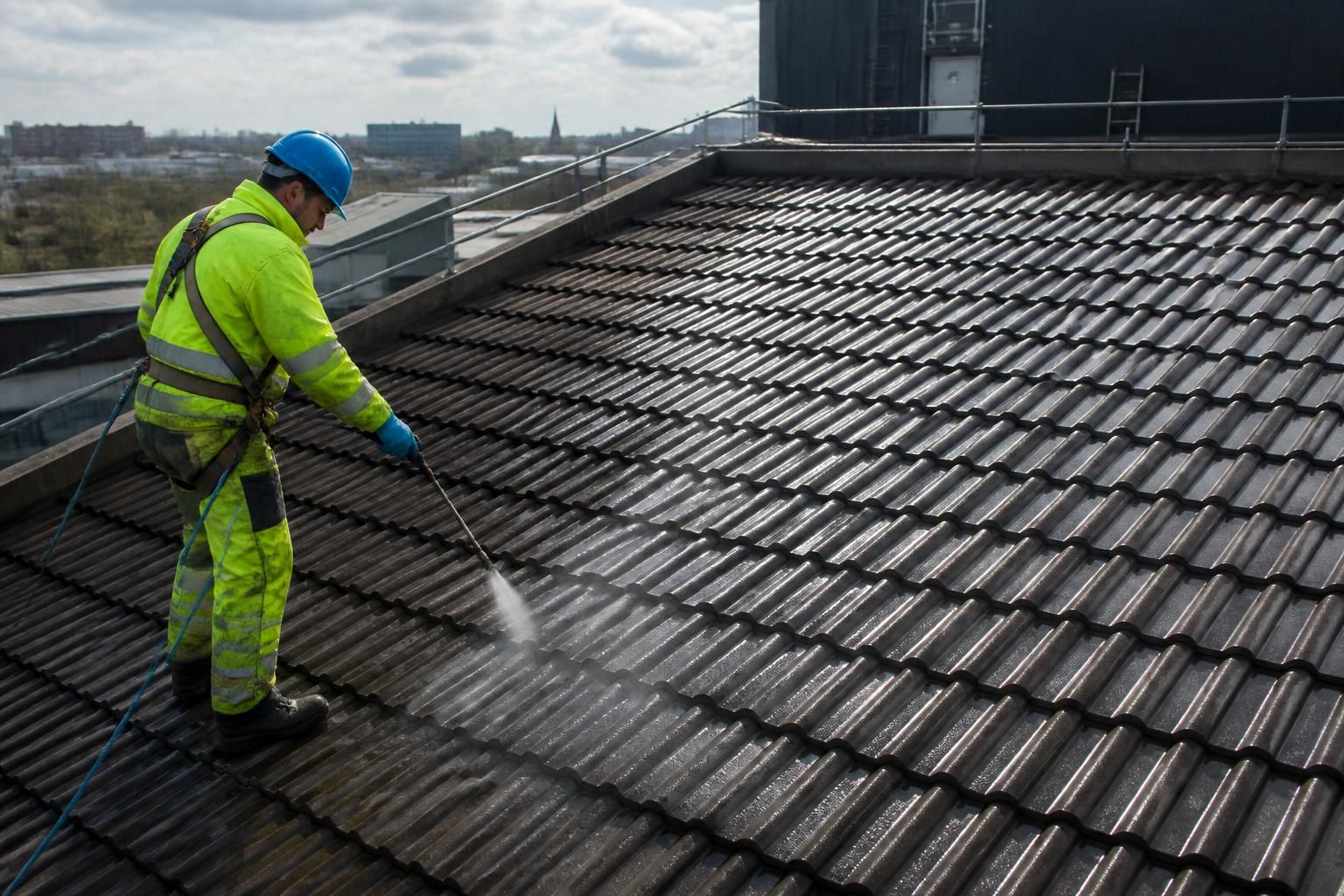
Preparation is essential to achieving the benefits. Before application, the roof should be inspected for cracked, loose or slipped tiles, defective ridge and verge pointing, damaged flashings, blocked valleys and signs of water ingress. Moss, algae, dirt and previous loose coatings should be removed using a method that will not damage the tiles. The surface must then be allowed to dry sufficiently, and any necessary repairs should be completed before sealing. Applying a coating over contamination or dampness can lead to poor adhesion, patching, blistering or premature failure.
The sealant should be applied evenly and at the coverage rate specified for the product and surface. Over-application does not necessarily provide better protection and may leave runs, pooling or an excessively impermeable film. Application conditions also matter: rain, condensation, strong wind, very low temperatures and excessive heat can affect curing and the finished result. Access equipment and suitable edge protection are normally required because roof treatment involves significant work-at-height risks.
A correctly selected roof tile sealant should help repel liquid water while allowing the roof construction to manage moisture appropriately. This distinction is important. Roof tiles are part of a wider system that includes underlay, battens, ventilation, flashings, valleys, gutters and roof junctions. A coating cannot compensate for inadequate ventilation, failed underlay, defective flashing or water entering through a structural fault. In some situations, sealing a damp or poorly ventilated roof could conceal a defect or restrict drying, so the cause of any moisture problem should be established first.
Sealant also has clear limitations. It will not:
- repair cracked, broken or badly eroded tiles;
- secure loose tiles or correct defective fixings;
- replace failed pointing, flashing, underlay or roofline components;
- stop moss or algae returning where surrounding conditions support growth;
- make an unsafe or structurally defective roof safe; or
- guarantee that a roof will remain maintenance-free.
The expected durability of a treatment varies with the product, exposure, roof orientation, surface condition, preparation and quality of application. South-facing and exposed elevations may experience stronger sunlight and weathering, while shaded areas can remain damp for longer and support organic growth. Regular visual inspections should therefore continue after sealing. Look for renewed staining, flaking or chalking, localised dampness, cracked tiles, failed joints, blocked drainage and areas where the coating appears thin or damaged.
For commercial and larger properties, a planned treatment programme can combine roof inspections, cleaning, minor repairs, gutter maintenance and condition records. This makes it easier to identify whether deterioration is caused by the coating, the tile itself or another part of the roof system. It also helps avoid applying additional product before the existing treatment has been assessed.
In summary, sealing sound roof tiles can reduce moisture absorption, improve resistance to weathering and staining, preserve appearance and simplify future maintenance. Its value is greatest when the roof is properly inspected and prepared, the product is matched to the tile, and application is carried out under suitable conditions. A sealant should be regarded as a protective maintenance measure rather than a repair for existing roof defects.
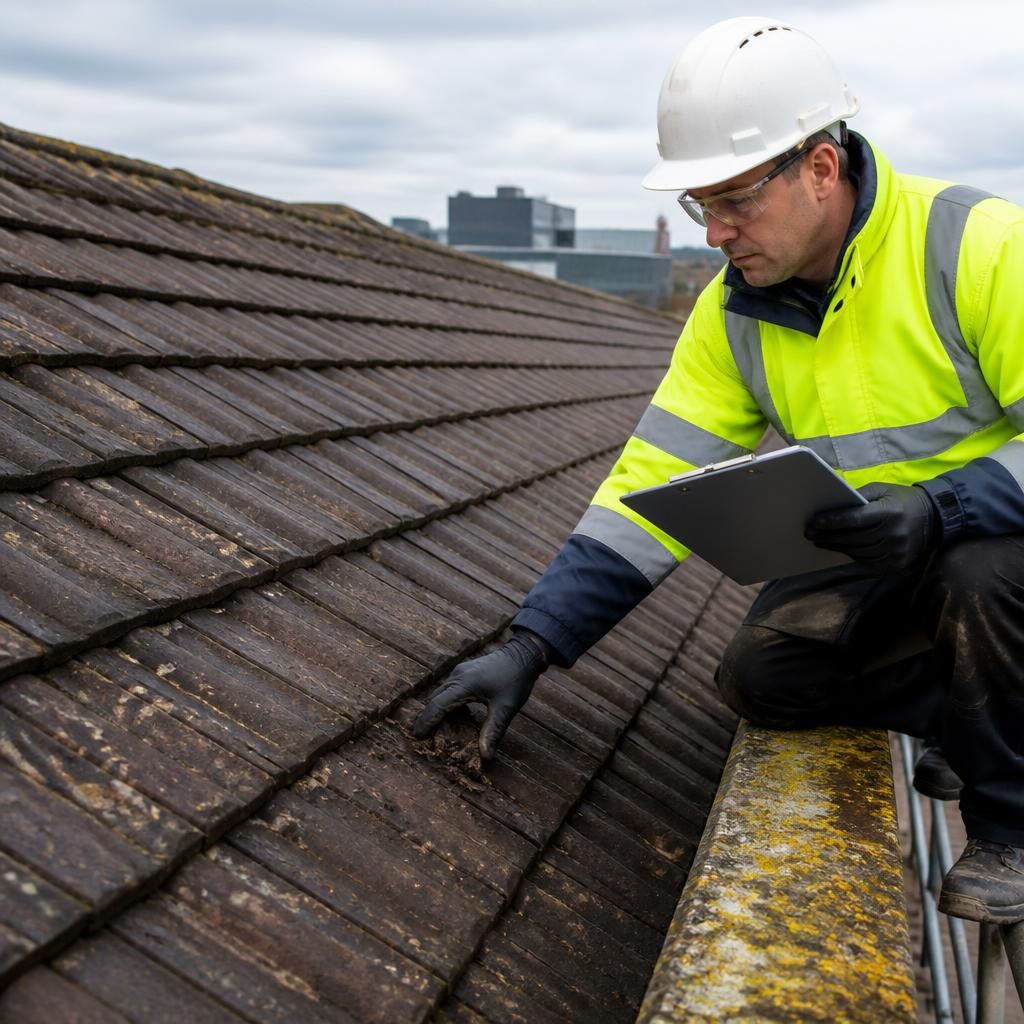
Roof tile sealant is most effective when it is applied to a clean, dry and fundamentally sound roof. It cannot correct cracked tiles, failed pointing, defective flashings or moisture problems, so these issues should be identified and addressed before treatment begins.
Professional preparation normally includes removing moss, algae, dirt and loose coatings using a method suitable for the tile material. The surface is then inspected, allowed to dry, and checked for repairs that may be needed. The sealant must also be compatible with the tiles: a product suitable for porous concrete may not be appropriate for clay, slate, fibre-cement or glazed coverings. Correct preparation and product selection help prevent poor adhesion, patchy coverage, blistering and trapped moisture, allowing the sealant to provide more reliable long-term protection.