
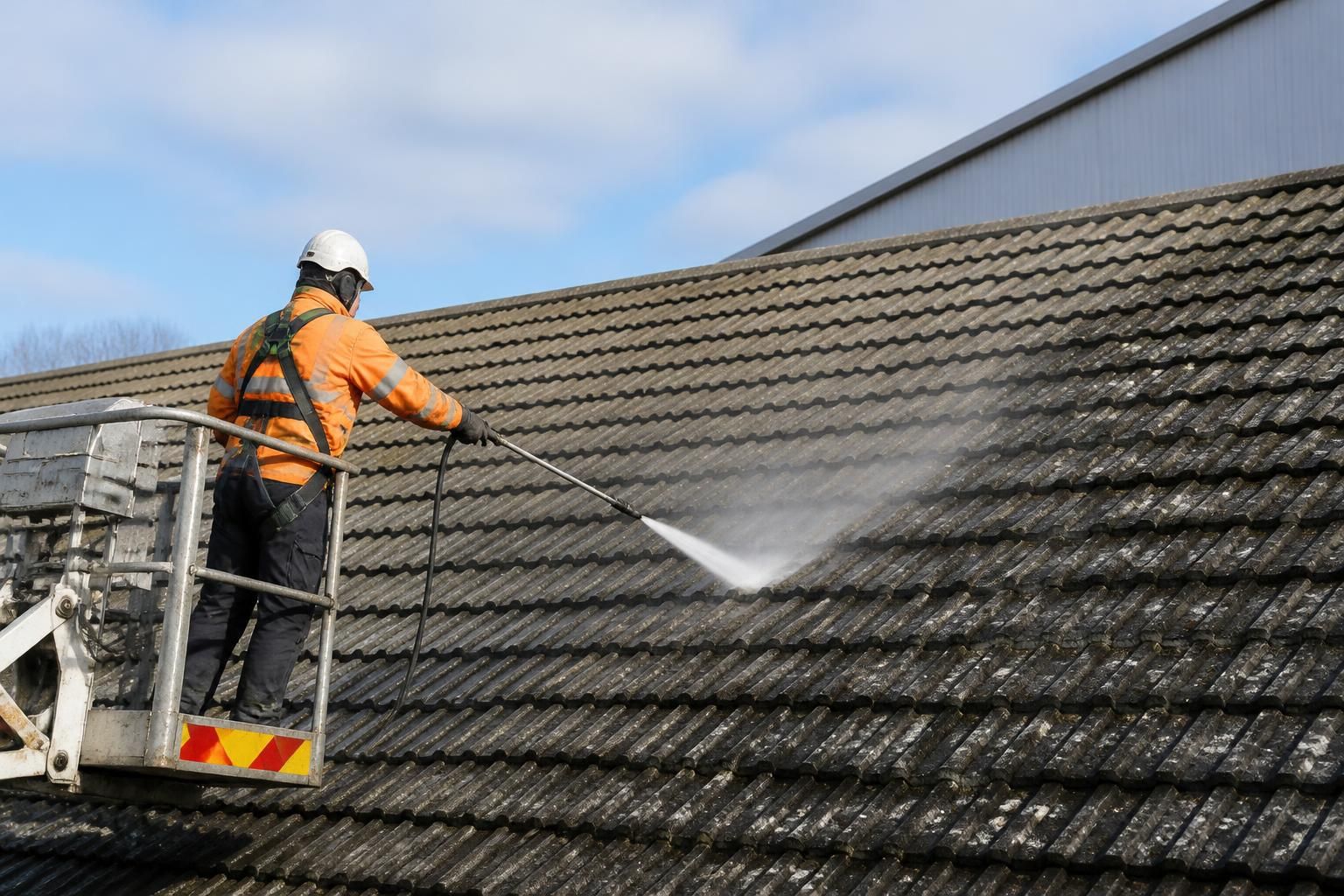
Roof tiles should be inspected at least annually, with additional checks after severe weather or when the building is exposed to heavy pollution, overhanging trees or persistent damp. Cleaning, moss and algae treatment, repairs and any protective coating should be carried out when the inspection shows they are needed, rather than following a fixed timetable. The service interval depends on the tile material, roof condition, local environment, previous treatment and the coating manufacturer’s guidance.
An annual inspection should assess the condition of the tiles and the wider roof system. It should include checks for cracked, slipped or missing tiles, loose ridge and verge components, deteriorated mortar, blocked gutters, damaged flashings and signs of water penetration. Moss, algae, lichen, staining and surface erosion should also be recorded, as these can indicate that the roof is retaining moisture or that an earlier treatment is no longer providing adequate protection.
Roof cleaning is generally required when organic growth, accumulated dirt or pollution is affecting drainage, appearance or the condition of the tiles. Moss should not be allowed to build up until it lifts tiles or obstructs gutters. Algae and lichen may require treatment even where moss growth is limited, particularly on shaded or north-facing roof slopes. Cleaning too frequently or using excessive pressure can be as damaging as leaving contamination untreated, so the method should be selected according to the tile type and its condition.
Protective treatments and sealants should be reviewed when the existing coating has weathered, become patchy, lost water repellency or started to fail around exposed areas. The expected service life of a coating varies according to the product, application conditions, roof exposure and ongoing maintenance. Manufacturer instructions should take priority over a generic renewal interval. Reapplying a coating over loose dirt, moss, damaged tiles or a failed previous layer will not provide reliable long-term protection.
Several conditions can shorten the interval between maintenance visits:
- Overhanging trees, nearby vegetation and shaded roof slopes, which encourage moss and algae growth.
- High exposure to wind, rain, frost and direct sunlight, which can accelerate surface weathering.
- Industrial pollution, dust and airborne debris, which can settle on tiles and retain moisture.
- Older or more porous tiles, which may absorb water more readily and be more vulnerable to frost damage.
- Complex roof designs, valleys and areas with poor drainage, where debris and organic growth can accumulate.
- Previous cleaning or coating work that was incomplete, unsuitable for the tile material or not adequately maintained.
Commercial and industrial properties may benefit from planned roof inspections as part of a wider external maintenance programme. The most suitable schedule can combine an annual condition survey with routine visual checks by the property team and additional inspections before or after periods of severe weather. High-level roofs, large buildings and premises with vulnerable occupants or valuable contents should not be assessed solely from ground level when important areas cannot be seen safely.
Maintenance may be due sooner if there are visible changes between scheduled visits. Warning signs include moss returning rapidly, dark or green staining spreading across the roof, water collecting in valleys, overflowing gutters, damp patches inside the building, increased tile movement or granules and surface material appearing in drainage channels. Any suspected leak or structural movement should be investigated promptly rather than waiting for the next planned treatment.
A typical maintenance process begins with a condition assessment and identification of the tile material. The roof is then prepared by removing suitable debris and protecting vulnerable areas, followed by cleaning with a method appropriate to the surface. Repairs should be completed before any treatment is applied. Once the roof is clean and sufficiently dry, the selected moss inhibitor, water-repellent treatment or protective coating can be applied in accordance with the product instructions. The completed work should be recorded, including defects found, areas treated and recommendations for future inspections.
It is important not to treat roof maintenance as a substitute for repairs. Coatings cannot restore cracked tiles, defective flashings, failed mortar or inadequate drainage. Likewise, moss treatment can reduce regrowth but cannot correct the environmental conditions that cause persistent damp. Where access is difficult or the roof is extensive, inspection and treatment should be carried out using suitable access equipment and safe working controls.
In practical terms, arrange a thorough inspection every year, monitor the roof throughout the year, clean and treat it when contamination or coating failure is identified, and bring forward the next inspection after extreme weather or repair work. Keeping inspection records and following the treatment manufacturer’s recommendations provides a more reliable maintenance plan than applying the same treatment at an arbitrary interval.
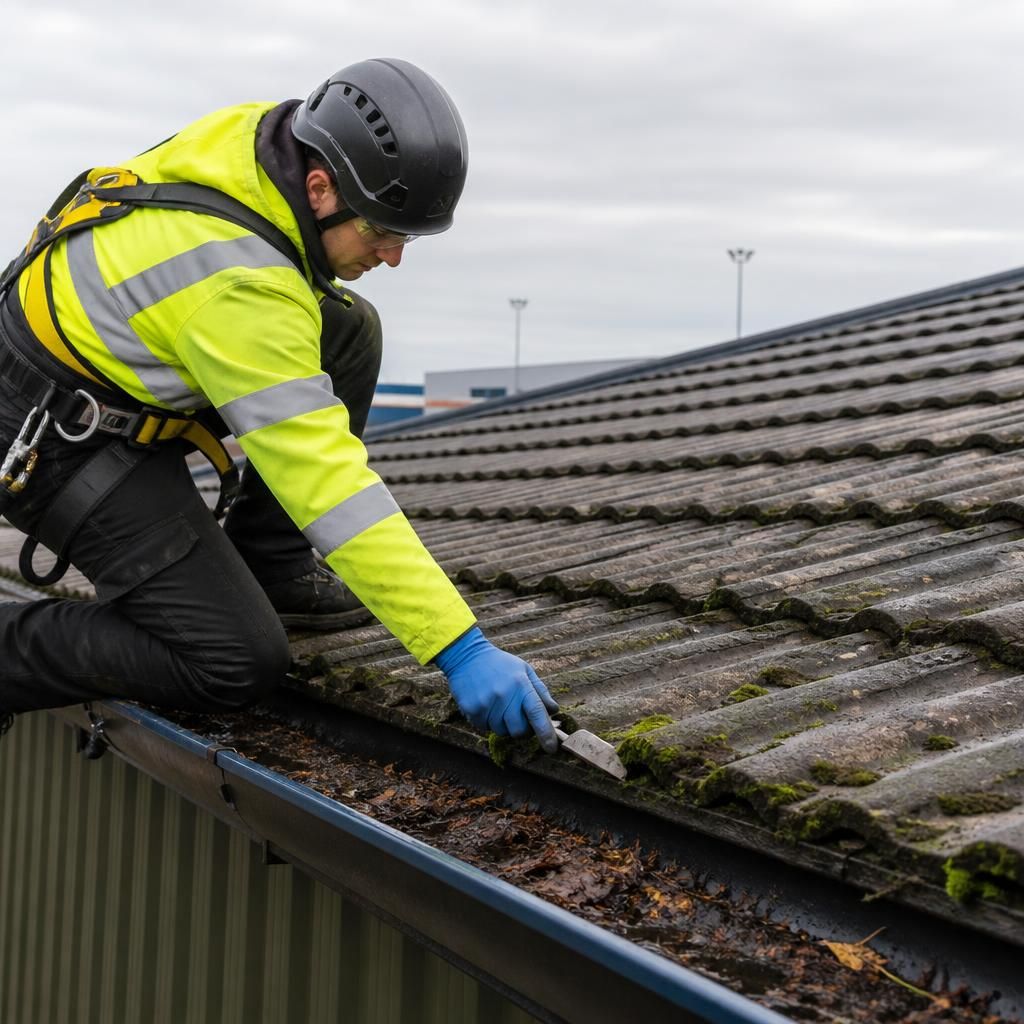
Roof tiles should be inspected annually, but cleaning and protective treatment should be scheduled according to their condition rather than an arbitrary renewal date. Moss, algae, lichen, staining, cracked tiles, blocked gutters and loss of water repellency indicate that maintenance may be required sooner.
Inspection intervals should be shortened for shaded roofs, buildings beneath overhanging trees, older or porous tiles, and properties exposed to severe weather or industrial pollution. After cleaning or coating, follow the product manufacturer’s guidance and record the work completed. Repairs to tiles, flashings, mortar or drainage should always be carried out before a new treatment is applied.
Arrange a Roof Tile Inspection and Maintenance Plan
Arrange a professional roof tile inspection and maintenance plan with Encanto Exterior Cleaning to identify cleaning, repair and treatment requirements. We can recommend a suitable schedule based on your roof’s condition, exposure and previous maintenance.