
How often should roof tile maintenance be scheduled to ensure long-term protection and efficiency?
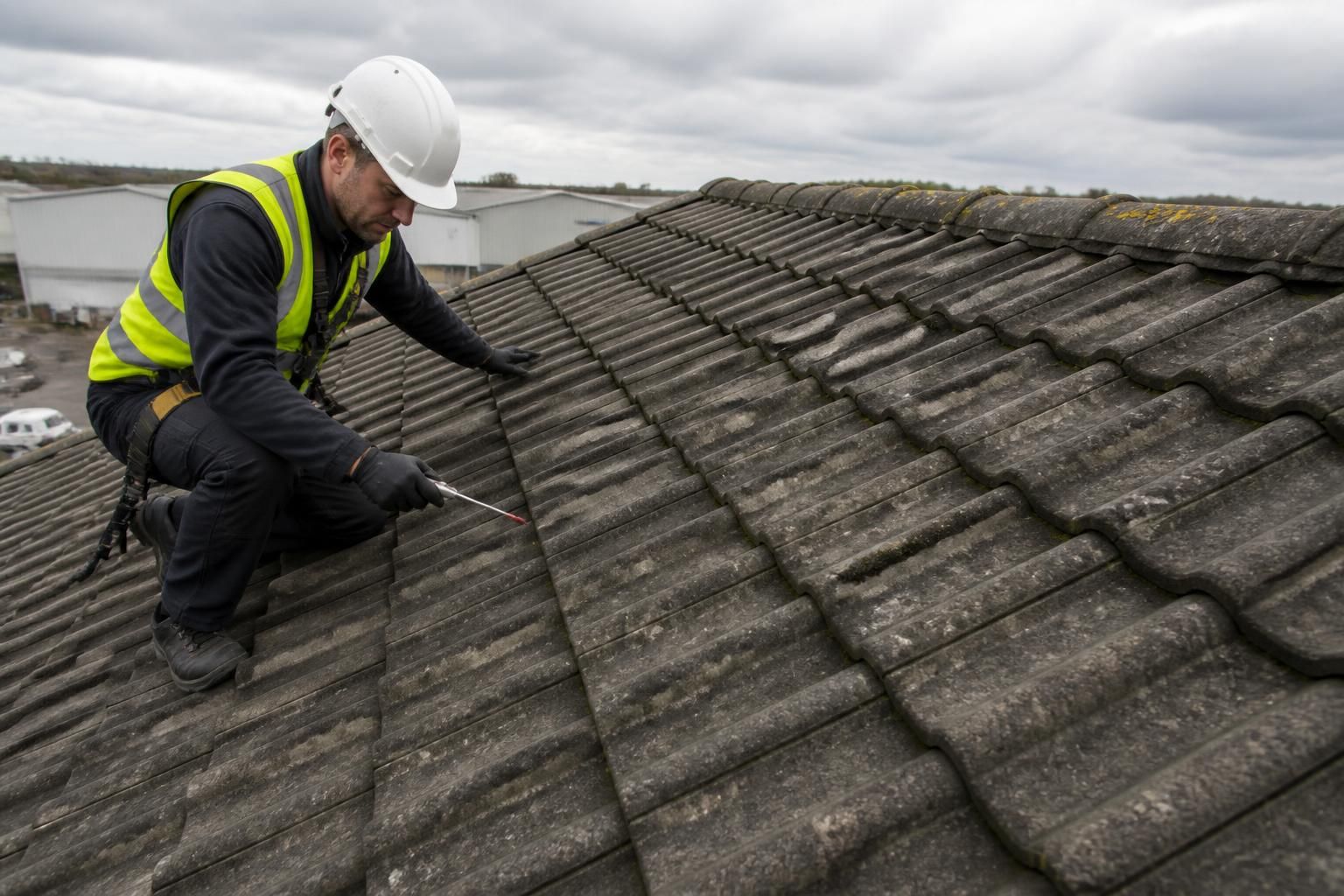
Roof tile maintenance should normally be scheduled at least annually, with additional inspections after severe weather, visible damage or nearby building work. The exact interval depends on tile condition, roof age, exposure and previous treatments, so cleaning, repairs and protective re-treatment should be planned around inspection findings rather than a fixed timetable.
Roof tile maintenance should generally be scheduled at least annually, with additional checks after severe weather, visible damage, nearby construction work or any change in the building’s use. The correct interval depends on the roof’s age, tile type, condition, exposure, drainage arrangements and any previous cleaning or protective treatment. A planned inspection should determine whether the roof needs routine cleaning, minor repairs, treatment, or a more detailed survey rather than relying on a fixed timetable alone.
Annual maintenance is a practical baseline for most commercial and managed properties. It allows developing defects to be identified before they lead to water ingress, damaged insulation, timber deterioration or disruption inside the building. Roofs that are exposed to driving rain, strong winds, frost, airborne pollution, overhanging trees or persistent organic growth may need more frequent visual checks, particularly where moss, algae and leaf debris can retain moisture or obstruct drainage.
Maintenance should also be reviewed according to the age and condition of the roof. A relatively new roof in good condition may only require a routine inspection and cleaning assessment, while an older roof may need closer monitoring of slipped or cracked tiles, brittle bedding and pointing, worn flashings, ridge and verge details, and areas where previous repairs have been carried out. If the roof has a history of leaks or repeated tile movement, a more structured inspection programme is usually appropriate.
A typical maintenance schedule can include the following activities:
- Routine inspection: Check the visible roof covering, ridges, verges, valleys, flashings, roof penetrations, gutters, downpipes and nearby surfaces for signs of deterioration or blockage.
- Removal of unsuitable growth and debris: Moss, algae, leaves and accumulated deposits should be assessed and removed using a method suitable for the tile material and roof condition.
- Tile and detail repairs: Replace or secure damaged tiles and inspect mortar joints, ridge and verge components, flashings and other vulnerable details.
- Drainage maintenance: Clear gutters, outlets and downpipes where necessary so that rainwater can discharge without overflowing onto walls or roof structures.
- Protective treatment review: Check whether a previous sealant or coating remains sound, is showing signs of breakdown, or needs re-treatment in line with the product specification and the condition of the tiles.
- Record keeping: Document findings, photographs, completed work and recommendations so that changes can be compared during future inspections.
Severe weather should trigger an additional inspection rather than waiting for the next planned visit. High winds can dislodge or crack tiles, while heavy rain may reveal failed flashings, blocked drainage or water entry points. Frost and repeated freeze-thaw conditions can worsen small cracks and weaken porous or weathered materials. A post-weather check is particularly important where roof tiles are already aged or where access is difficult and defects may not be visible from ground level.
Building work near the roof is another reason to bring an inspection forward. Scaffolding, plant movement, material storage, dust, vibration and access by other contractors can affect tiles, gutters and roof edges. The roof should be checked before and after such work where practical, with any damage recorded clearly so that responsibility and remedial requirements are not uncertain.
Cleaning and treatment should not automatically be carried out every year. Over-cleaning or using excessive pressure can damage the surface of tiles, dislodge coverings or force water into vulnerable areas. The appropriate approach is to inspect the roof first, identify the cause of the problem and select a cleaning or treatment method compatible with the tile type. Protective coatings and sealants should be reviewed according to their condition and the manufacturer’s requirements, rather than applied simply because a calendar date has been reached.
Some warning signs require prompt attention between scheduled visits. These include water staining or damp patches inside the building, visible daylight in the roof space, loose or missing tiles, cracked tiles, overflowing gutters, unusually heavy moss growth, damaged flashing, sagging roof lines and persistent debris around outlets. Changes in heating or ventilation costs may also justify investigation, although they should not be treated as proof of a roof defect without a proper assessment.
For commercial properties, the maintenance interval should also reflect the consequences of failure. Buildings containing stock, equipment, occupied offices or sensitive operations may benefit from planned inspections coordinated with wider facilities management arrangements. Property managers should retain inspection reports and define who is responsible for arranging follow-up work, especially where roofs are shared, leased or covered by a planned maintenance contract.
Roof inspections and cleaning must be planned with suitable access equipment, weather conditions and safety controls. Roof tiles can be fragile, and moss or moisture can make surfaces especially hazardous. Work should be assessed by competent personnel using appropriate edge protection, fall prevention and access methods; workers should not be expected to walk on a roof merely to complete a routine visual check. The surrounding area should also be protected from falling debris and cleaning run-off.
In practice, a sound programme combines an annual professional assessment with additional checks when conditions change. The inspection findings should determine whether the next action is simple monitoring, local repair, drainage clearance, specialist cleaning or protective re-treatment. This approach helps preserve the roof covering, reduce avoidable water damage and maintain the building’s weather resistance without carrying out unnecessary work.
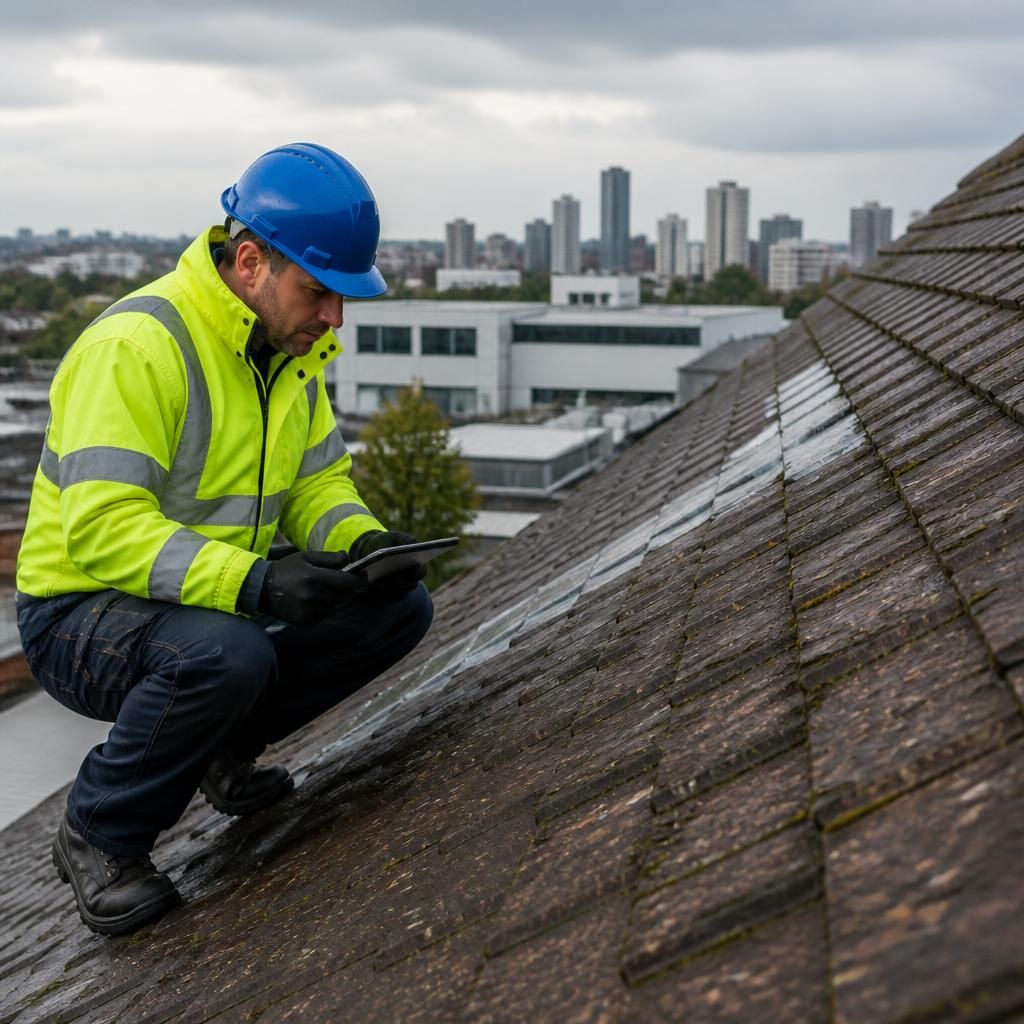
Roof tile maintenance should usually be reviewed annually, with additional inspections after severe weather, visible damage or nearby construction work. This schedule helps identify cracked or displaced tiles, failing flashings, blocked drainage and deteriorating mortar before they develop into leaks or wider building damage.
The interval should be adjusted to suit the roof’s age, tile material, exposure and condition. Roofs affected by driving rain, frost, overhanging trees, pollution or persistent moss may require more frequent visual checks. Cleaning, repairs and protective re-treatment should be recommended following the inspection rather than carried out automatically at fixed intervals.
Arrange a Professional Roof Tile Maintenance Assessment
Arrange a professional roof tile maintenance assessment to review the condition of your tiles, flashings, mortar, drainage and previous treatments. We can recommend any cleaning, repairs or protective work needed and help establish a suitable inspection schedule.