
What environmental considerations should be taken into account when choosing roof tile and gutter cleaning methods?
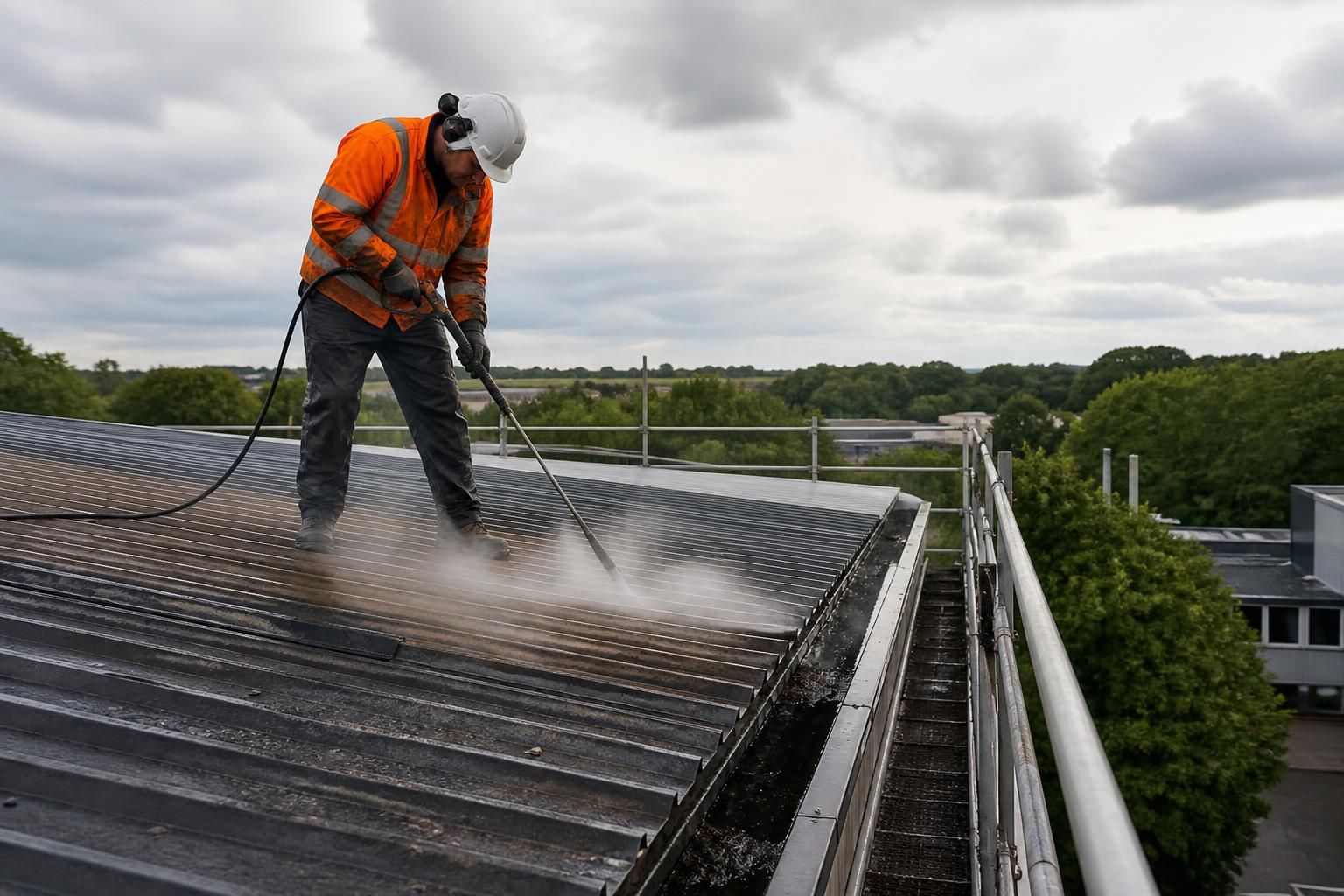
Choose roof tile and gutter cleaning methods that minimise water use, prevent contaminated runoff entering drains or watercourses, and avoid unnecessary chemical treatments that could harm plants and wildlife. The method should also suit the roof material, capture or safely dispose of debris, and use controlled pressure or steam where appropriate to protect the property while achieving effective cleaning.
Environmentally responsible roof tile and gutter cleaning uses the least intensive method that will safely remove the required contamination, while controlling water use, preventing polluted runoff and avoiding unnecessary harm to roof materials, vegetation, wildlife and drainage systems. The correct choice depends on the tile type, the condition of the roof, the nature of the growth or debris, the surrounding site and how wastewater can be contained and disposed of.
Water use and runoff control should be assessed before work begins. Pressure washing can produce substantial runoff, particularly on large commercial roofs or buildings with extensive hardstanding. A suitable method uses controlled water application rather than excessive flow, and avoids directing dirty water towards surface-water drains, planted areas, neighbouring property or watercourses. Where runoff may contain moss, silt, dirt, paint residues or cleaning products, it should be contained, diverted or collected in accordance with the site’s drainage arrangements and applicable environmental requirements.
It is important to distinguish between foul-water and surface-water drainage. Surface-water systems commonly discharge to local watercourses without the same treatment as foul drainage, so contaminated cleaning water should not be allowed to enter them. Before starting, the operative should identify drain locations, check whether they are surface-water or foul-water outlets, and agree suitable protection and wastewater handling measures with the client or site manager.
Chemical selection is another important consideration. Moss, algae and lichen may sometimes be treated with a biocidal or other specialist cleaning product, but chemicals should not be used automatically where mechanical cleaning, low-pressure washing or steam will achieve the required result. Any product must be suitable for the roof material, used in accordance with its instructions and applied at the lowest effective concentration. The risk to nearby planting, ponds, watercourses, animals and building materials should be considered before application.
Runoff from chemical treatments requires particular care. Gutters and downpipes may carry residues beyond the roof edge, so protecting outlets and collecting or controlling discharge can be necessary. The team should also consider overspray from spray application, wind conditions and the proximity of sensitive areas. Product labels, safety data and site-specific controls should guide storage, handling, application and disposal.
Roof material and cleaning intensity affect environmental impact as well as the risk of damage. Older clay or concrete tiles, slate, coated tiles and fragile or weathered surfaces do not all respond to the same equipment. Excessive pressure can strip protective finishes, loosen pointing, break tiles or force water beneath the roof covering. This can create additional waste and lead to avoidable repairs or replacement. A controlled-pressure approach, soft washing or steam cleaning may be more appropriate than aggressive jet washing, depending on the contamination and the roof’s condition.
Gutter cleaning also needs a planned debris-management process. Leaves, moss, silt and nesting material should be removed from the roof and gutters rather than washed into the drainage system. Debris should be contained, separated where practical and disposed of through an appropriate waste route. If material is heavily contaminated or mixed with other site waste, the disposal requirements may differ. Gutter guards, downpipes and surrounding gullies should be checked so that cleaning does not simply transfer the blockage further into the system.
Wildlife should be considered before access equipment or cleaning begins. Roof spaces, eaves, gutters and vegetation around buildings can provide nesting or roosting habitat. A pre-work inspection should identify visible nests, occupied areas and other signs of wildlife. Work may need to be adapted, postponed or referred for specialist advice where protected species or active nests could be disturbed. Debris should not be removed blindly from concealed areas, particularly around older buildings, industrial structures and properties with established vegetation.
Timing can reduce environmental disturbance. Cleaning during dry, calm conditions may help limit chemical drift and uncontrolled runoff, although the method must still account for weather changes during the work. Heavy rain can spread loosened debris and residues across the site, while strong wind increases the risk of overspray and makes access equipment less suitable. The programme should also avoid known nesting periods where an inspection indicates that this is necessary.
Equipment and access arrangements contribute to the overall footprint. The chosen system should be proportionate to the work and capable of reaching the area without unnecessary vehicle movements or repeated visits. Water-fed equipment, steam systems, vacuum collection and controlled-pressure tools each have different water and energy requirements. In some situations, steam can reduce water consumption and limit chemical use; in others, a carefully controlled low-pressure system may be the more practical option. The right choice is based on the surface, contamination, access and wastewater controls rather than on one method being suitable for every roof.
For commercial and industrial premises, the environmental review should form part of the method statement and site risk assessment. It should record:
- the roof and gutter materials, their condition and any vulnerable areas;
- the type of contamination and whether chemical treatment is genuinely required;
- water sources, estimated use and measures to prevent uncontrolled discharge;
- the location and type of drainage outlets, nearby watercourses and sensitive landscaping;
- how loosened debris and collected wastewater will be contained, transported and disposed of;
- the presence of nests, wildlife, ponds or other ecological constraints;
- weather limitations, access requirements and emergency arrangements for spills or runoff; and
- any site, landlord, local authority or regulatory requirements that apply to the premises.
A professional contractor should be able to explain why a particular cleaning method has been selected and what controls will be used before, during and after the work. This includes protecting drains, monitoring runoff, preventing overspray, using suitable products and leaving gutters and surrounding areas free from displaced waste. On larger sites, photographs, work records and waste-transfer documentation may also be useful for the client’s environmental and facilities-management records.
The most environmentally suitable method is therefore not necessarily the one using the least water or the fewest chemicals in isolation. It is the method that achieves the required standard with the lowest overall risk of pollution, material damage, waste, repeat visits and disturbance. A site-specific assessment allows roof tile and gutter cleaning to remain effective while protecting drainage systems, wildlife, landscaping and the long-term condition of the property.
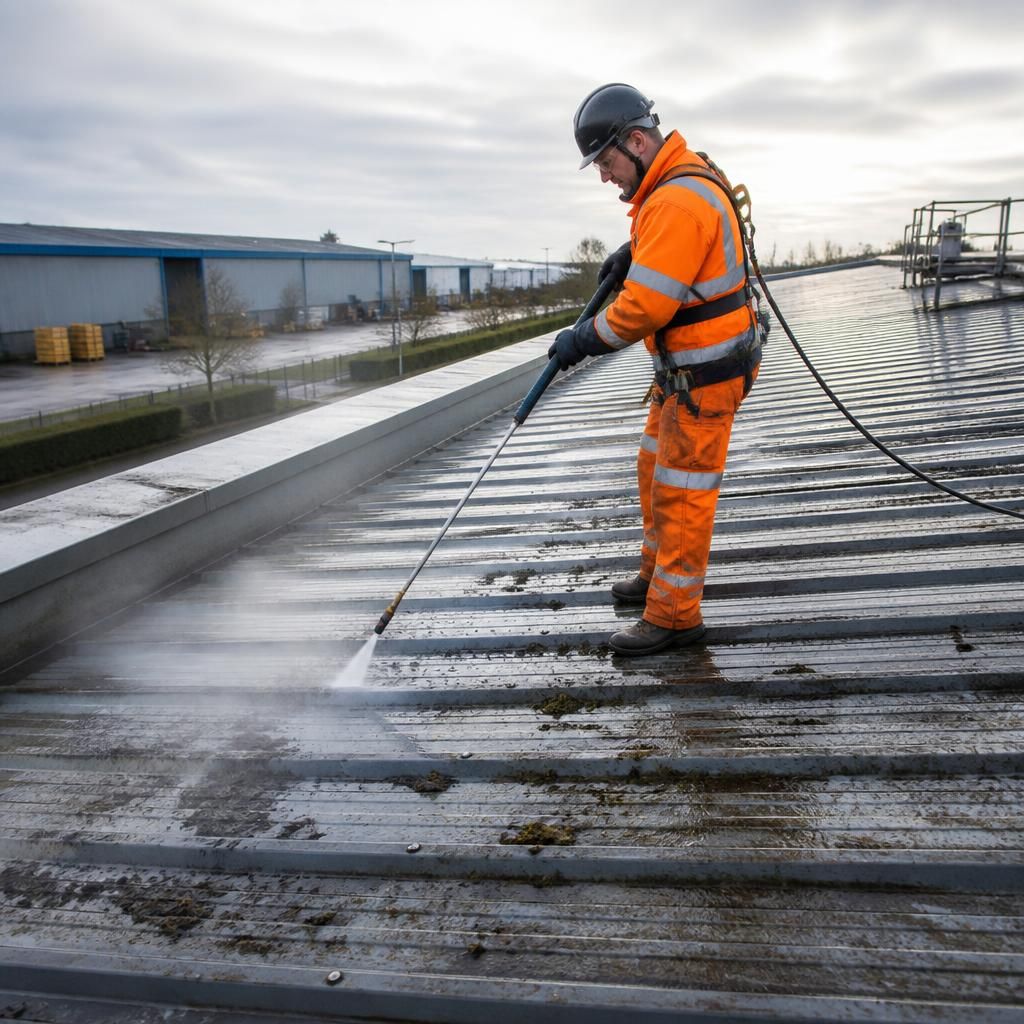
The most important environmental consideration when choosing a roof tile and gutter cleaning method is how contaminated water and loosened debris will be controlled. Cleaning runoff can contain moss, silt, dirt and treatment residues, which must not be allowed to flow into surface-water drains, planted areas or nearby watercourses.
A suitable method should therefore use controlled water application and include a clear plan for protecting drains, collecting debris and managing wastewater. Before work starts, the drainage layout should be checked so that surface-water outlets are protected and any discharge is handled through an appropriate route. Mechanical removal, low-pressure washing or steam may be preferable to chemical treatment where they can achieve the required result without creating additional contamination.
This approach reduces pollution risk while also preventing debris from being transferred into downpipes and causing blockages elsewhere on the site.