
What are the potential risks of not maintaining regular jet washing on roof tiles, and how can this impact the overall integrity of the roof?
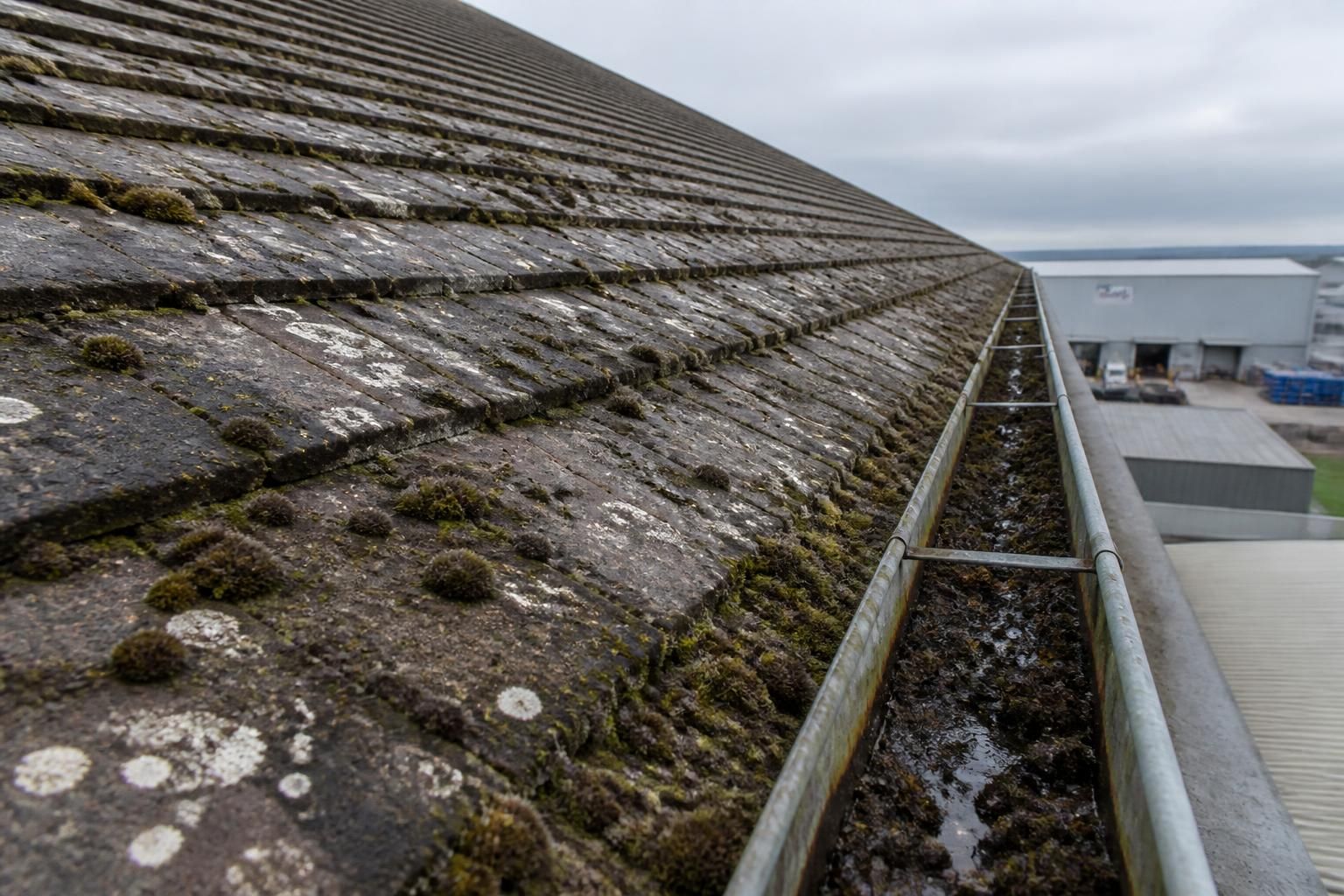
Neglecting regular jet washing of roof tiles allows moss, algae, dirt and organic debris to build up, retaining moisture and increasing the risk of blocked drainage, frost damage, cracked or displaced tiles and leaks. If left unchecked, these issues can allow water into the roof structure, damage underlay and timbers, and reduce the roof’s overall service life.
Failing to maintain roof tiles allows moss, algae, dirt and organic debris to accumulate, which can retain moisture, obstruct drainage and increase the risk of cracked, displaced or leaking tiles. Over time, these defects can allow water into the roof build-up, affecting the underlay, battens, insulation and supporting timbers. Regular inspection and suitably controlled cleaning help identify and address these problems before they affect the roof’s overall integrity.
Moss and organic growth increase moisture retention. Moss can hold water against the tile surface and may extend into joints, laps and fixing points. Algae and lichen can also form a persistent coating that prevents the roof from drying efficiently. Repeated wetting can accelerate surface deterioration, particularly where tiles are already weathered or have small defects.
Where moisture remains on or beneath tiles, periods of cold weather can make existing weaknesses worse. Water entering small cracks or porous areas may expand when it freezes, gradually enlarging the damage. This can result in fractured tiles, loose sections and water finding a route beneath the intended weatherproof layer. Jet washing is not a substitute for repairing defective tiles, but appropriate cleaning can remove growth and expose issues that need attention.
Blocked roof drainage is another significant risk. Debris and dislodged moss can collect in valleys, gutters, outlets and downpipes. When rainwater cannot drain freely, it may back up beneath tile edges or overflow onto fascias, wall surfaces and roof junctions. Persistent saturation around these areas can contribute to damp, staining, timber decay and damage to associated building fabric.
Unchecked water ingress can affect more than the visible roof covering. Moisture may reach:
- Roof underlay, reducing its effectiveness and potentially causing sagging or deterioration.
- Timber battens and rafters, where prolonged dampness can encourage rot or fungal decay.
- Insulation, reducing its performance when it becomes wet and increasing drying requirements.
- Ceilings, internal finishes and electrical components below the affected area.
The longer a leak continues, the more difficult it can be to identify its original entry point. Water may travel along underlay, battens or structural members before appearing internally, meaning a small tile defect can eventually lead to wider remedial work. In severe cases, deterioration of supporting timbers can affect the stability of part of the roof, although the extent of risk depends on the roof design, materials, exposure and duration of the problem.
Neglected growth can also obscure cracked, slipped or missing tiles. This delays repairs and may allow wind-driven rain to enter the roof. Loose moss and debris can fall from roof edges, creating a hazard for people, vehicles and entrances below. On commercial or managed premises, blocked gutters and visible staining can also contribute to maintenance issues, access restrictions and disruption to occupants.
Regular maintenance does not necessarily mean applying high pressure to every roof. The appropriate approach depends on the tile material, age, condition, previous coatings, roof pitch and the type of contamination present. Concrete, clay, slate and coated tiles can respond differently to pressure and water flow. Excessive or poorly directed pressure may damage a sound roof, so cleaning should be preceded by a condition assessment and carried out using a method suitable for the specific covering.
A responsible maintenance process should include checking for loose, cracked or missing tiles; inspecting valleys, verges, ridges and flashings; clearing and protecting drainage routes; managing loosened debris; and reviewing the condition of the underlay where access allows. Any defects identified during cleaning should be recorded and referred for repair rather than concealed with further washing. Where jet washing is unsuitable, a lower-pressure, soft-washing or manual method may be more appropriate.
Warning signs that maintenance may be overdue include visible moss or lichen, overflowing gutters, damp patches in roof spaces, stained ceilings, musty odours, slipped tiles and water marks around roof penetrations. These signs should be assessed promptly, particularly after heavy rainfall or periods of high wind. Early cleaning and repair generally help preserve the weatherproofing layers and reduce the likelihood of more extensive structural intervention.
In practice, the aim is to maintain a clean, freely draining and inspectable roof without removing the protective surface of the tiles. A planned programme combining visual inspections, suitable cleaning and prompt repairs is more effective than waiting for leaks or structural deterioration to become apparent. The correct frequency varies with the roof’s location, surrounding trees, exposure and material, so the maintenance interval should be based on its actual condition rather than a fixed schedule.
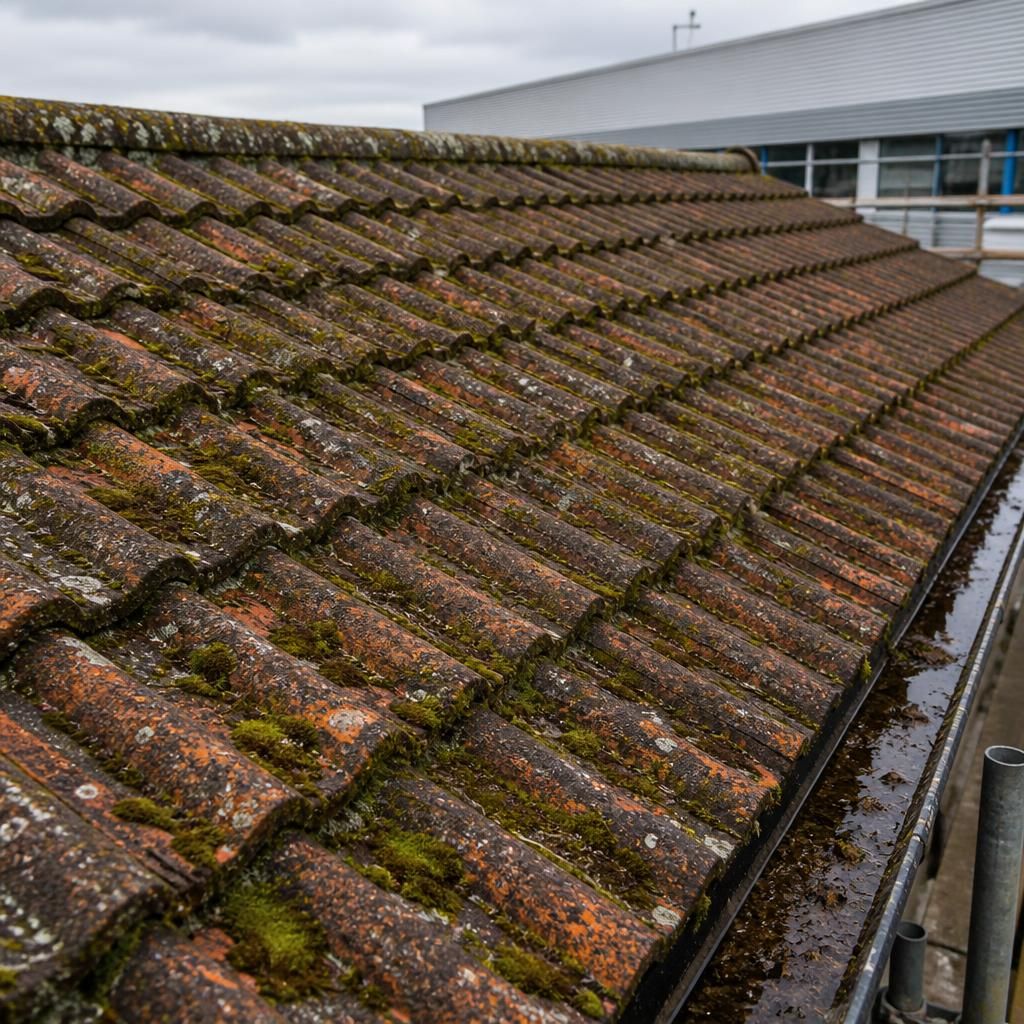
Neglecting regular roof tile maintenance allows moss, algae and debris to retain moisture against the roof covering, increasing the risk of blocked drainage, frost damage and water ingress. As tiles become cracked, displaced or porous, rainwater can reach the underlay, battens, insulation and supporting timbers.
Early cleaning and inspection help reveal defects before they develop into wider roof problems. Any damaged tiles, blocked valleys or overflowing gutters should be addressed promptly, using a cleaning method and pressure level suitable for the roof material and condition. This helps preserve the roof’s weatherproofing and reduces the likelihood of costly structural repairs.