
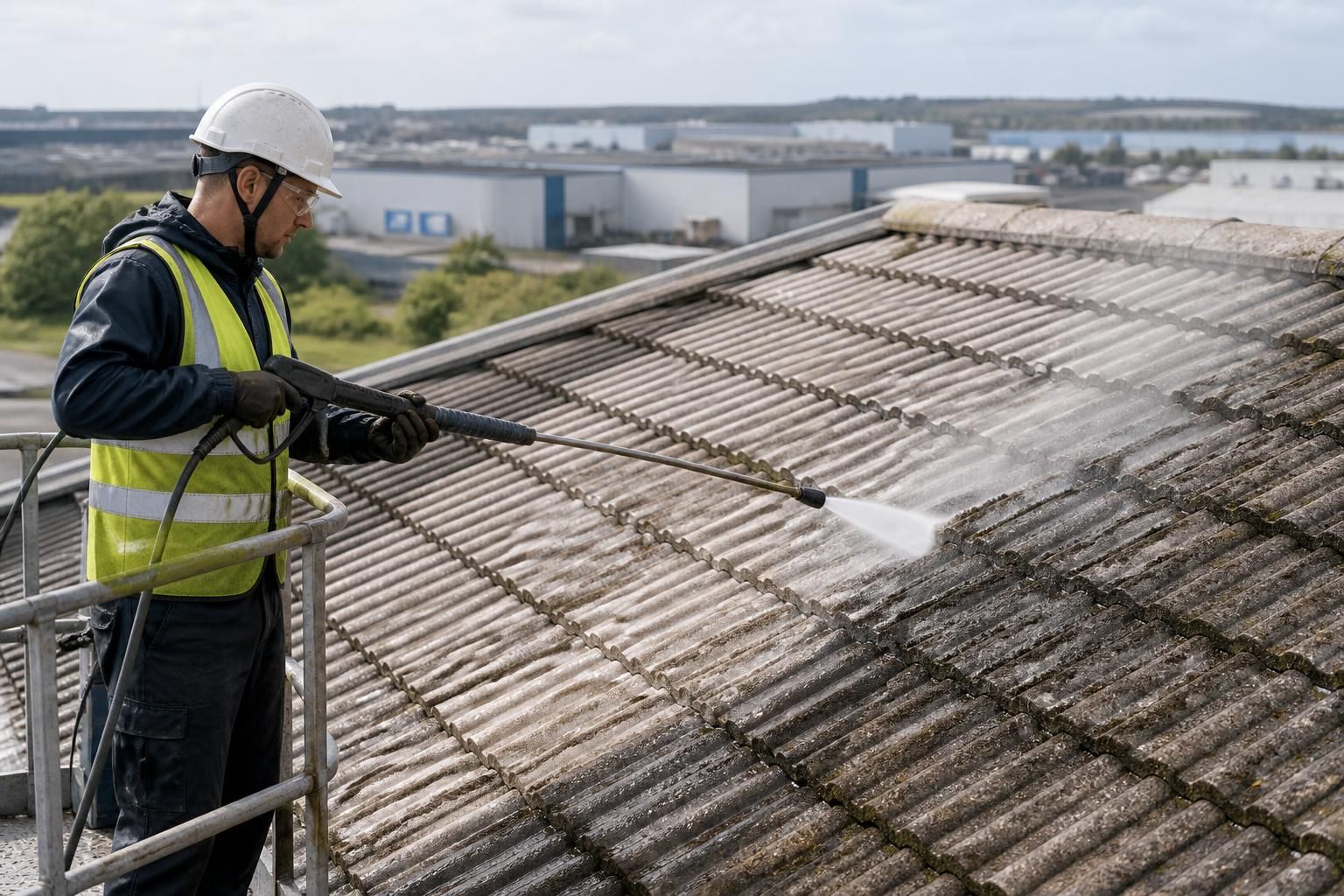
How does jet washing affect the warranty of roof tiles?
Jet washing roof tiles can affect the warranty if the manufacturer’s terms prohibit pressure washing or if the process causes damage through excessive pressure, incorrect technique or unsuitable equipment. Check the tile warranty and manufacturer’s cleaning guidance before work begins; where jet washing is permitted, use a suitably controlled method carried out by an experienced professional.
Jet washing does not automatically invalidate a roof tile warranty, but it can affect your cover if the manufacturer’s terms prohibit pressure washing, require an approved cleaning method, or if the work causes damage. Warranty decisions usually depend on the specific wording, the type and condition of the tiles, who carried out the work and whether the cleaning can be linked to the reported defect.
Most roof tile warranties are intended to cover manufacturing defects, such as premature failure caused by a problem with the tile itself. They do not normally cover damage resulting from misuse, unsuitable maintenance, accidental impact, alterations or cleaning carried out outside the manufacturer’s instructions. Some warranties also require the roof to be maintained in a particular way or exclude work completed by contractors who are not suitably qualified.
Before arranging jet washing, check the following documents:
- the original tile warranty and its exclusions;
- the manufacturer’s cleaning and maintenance guidance;
- any warranty provided by the roofing contractor or installer; and
- building or property maintenance records, particularly if the roof forms part of a managed or commercial site.
Terms vary between concrete tiles, clay tiles, slate and coated or specialist products. A method that is acceptable for one material may damage another. Older tiles, brittle tiles, weathered surfaces and roofs with failing mortar or exposed fixings may be particularly unsuitable for high-pressure cleaning. Pressure can remove protective finishes, erode the tile surface, disturb laps and pointing, force water beneath the tiles or damage associated components such as flashings, membranes and seals.
A warranty is more likely to be questioned if there is no record of the roof’s condition before cleaning, the operator uses excessive pressure, rotary equipment or an unsuitable nozzle, or the work leaves visible impact marks, displaced tiles or water ingress. Cleaning moss and surface dirt does not by itself prove that a tile has been damaged, but any later defect may be investigated in relation to the cleaning process. A manufacturer or warranty provider may request photographs, invoices, method statements and details of the equipment used.
The safest approach is to obtain written confirmation before work starts. Send the manufacturer or warranty provider details of the tile material, age, product type if known, roof condition and proposed cleaning method. A general statement that pressure washing is suitable for roof tiles may not be enough; confirmation should cover the particular product and the proposed technique. Keep the response with the warranty records.
Where cleaning is permitted, the work should be planned and controlled rather than treated as a standard pressure-washing job. A competent contractor should:
- inspect the roof, tiles, ridges, verges, flashings, valleys and drainage routes before cleaning;
- identify fragile, loose, cracked or previously repaired areas;
- use the lowest effective pressure and a suitable nozzle, keeping the lance at a safe angle and distance;
- avoid directing water beneath tile laps, around flashing details or towards vulnerable roof penetrations;
- complete a small test area where appropriate and assess the result before proceeding;
- protect gutters, outlets, walls, windows, plant and other building components from contaminated run-off; and
- record the completed work, including the method, products, equipment and any pre-existing defects.
Jet washing may not be the best option for every roof. Manual removal, a controlled soft-washing treatment or low-pressure steam cleaning can sometimes reduce the risk to the tile surface and surrounding details, although each method still needs to be assessed against the manufacturer’s instructions. Softer cleaning is not automatically warranty-compliant: chemicals, agitation and water penetration can also be restricted, so the proposed process should still be checked.
If the warranty wording is unclear, do not rely on an assumption that cleaning will be acceptable. Ask for clarification before booking the work, particularly where the roof is relatively new, the property is under an installer’s guarantee, or a future warranty claim could be significant. If cleaning has already taken place and a defect has appeared, retain photographs and the contractor’s records, avoid further work that could obscure the cause, and contact the warranty provider for an inspection.
In practice, careful preparation, written approval where required and a documented, tile-specific cleaning method provide the strongest protection. The purpose is not simply to remove dirt and organic growth, but to maintain the roof without breaching the conditions that support its warranty.
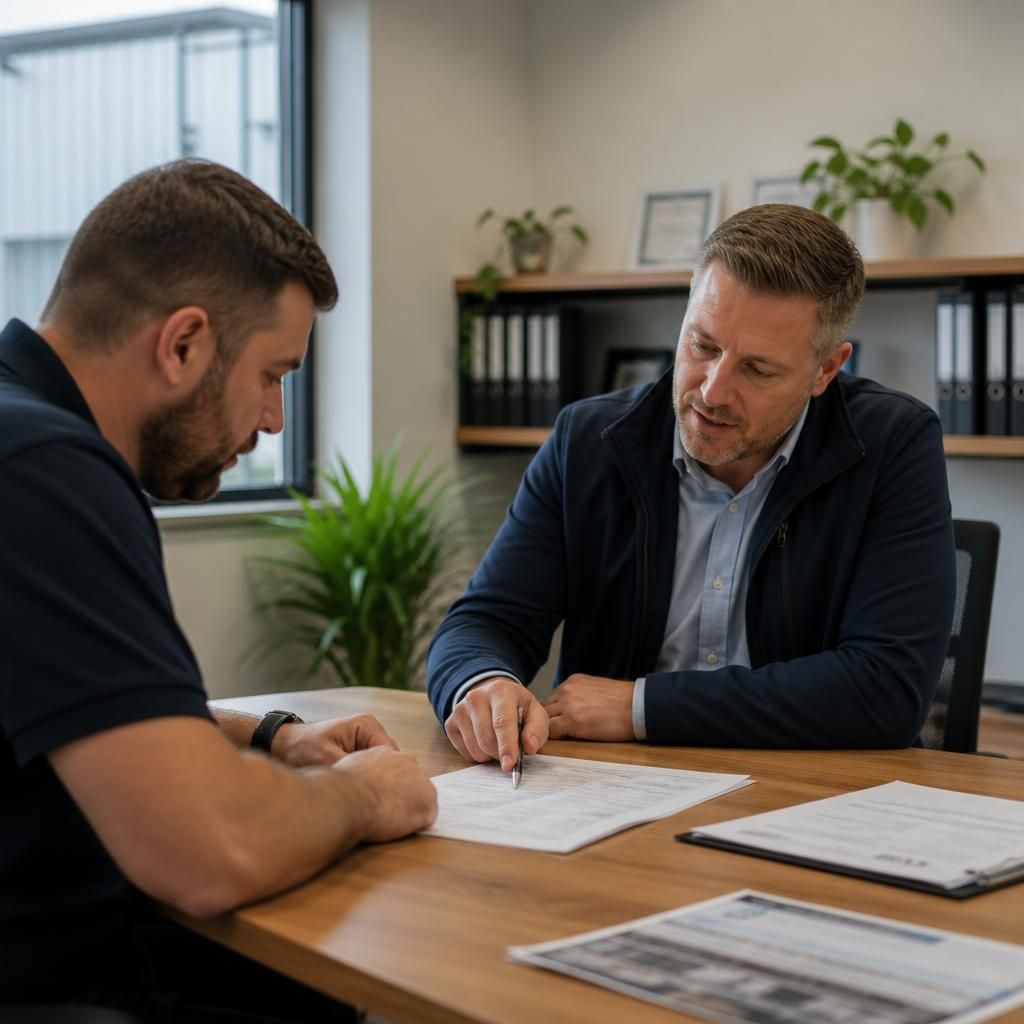
Written confirmation from the tile manufacturer or warranty provider is the clearest way to establish whether jet washing is permitted without affecting roof tile warranty cover. Approval should relate to the specific tile material, product, roof condition and proposed cleaning method rather than relying on general advice.
Keep the confirmation with the warranty documents, together with the contractor’s inspection photographs, method statement, equipment details and completion records. This provides evidence that the work was planned in accordance with the manufacturer’s guidance if a defect is reported later. Where approval is refused or the warranty wording is unclear, a lower-impact method such as manual cleaning, controlled soft washing or low-pressure steam cleaning may be more appropriate, subject to the same warranty checks.