
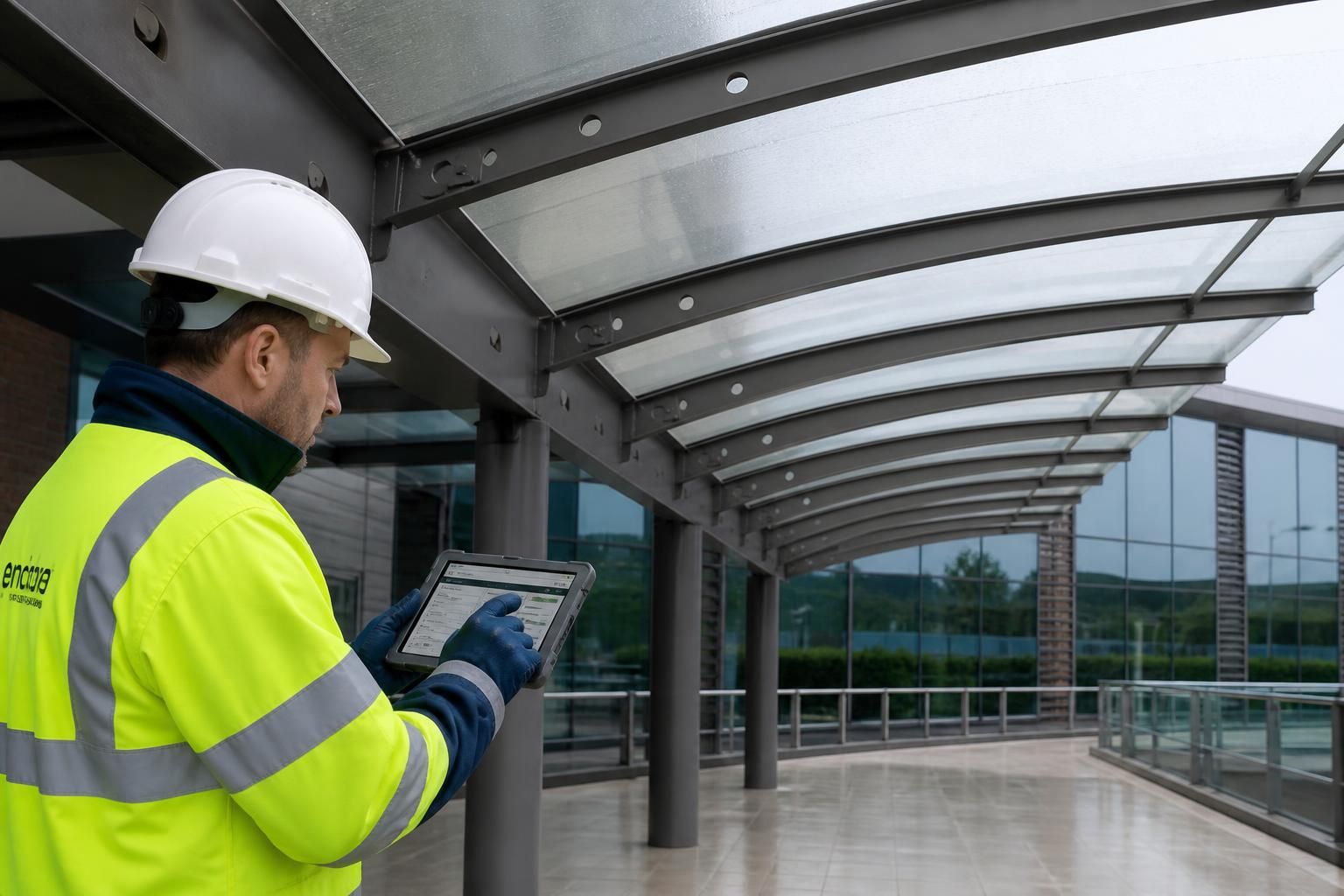
How do you assess the specific cleaning needs of different canopy and tile materials?
We assess each canopy and tile surface by identifying its material, construction, condition, age, existing coatings and type of soiling before selecting a cleaning method. This assessment determines the safest combination of pressure, steam, temperature and cleaning solution, with testing on an inconspicuous area where necessary to protect the surface.
We assess canopy and tile cleaning needs by identifying the material, construction, surface condition, age, protective coatings and type of soiling before choosing a method. This inspection determines whether the surface is suitable for pressure washing, steam cleaning, soft washing, manual detailing or a controlled combination of techniques. Where the material or coating is uncertain, we carry out a small test clean in an inconspicuous area before proceeding.
The assessment normally considers the following factors:
- Material and finish: We establish whether the canopy is made from glass, polycarbonate, acrylic, fabric, powder-coated metal, aluminium, steel or another material. For tiled areas, we identify whether the tiles are concrete, clay, slate, stone or another composite. Different materials vary in porosity, strength, heat tolerance and resistance to detergents.
- Construction and fixing: We examine joints, seals, frames, fasteners, drainage channels, flashing and adjoining surfaces. A cleaning method that is suitable for the main panel or tile may still be inappropriate around vulnerable seals, open joints or aged fixings.
- Surface condition: Cracking, crazing, delamination, corrosion, loose tiles, damaged pointing, worn coatings and existing scratches can affect the method selected. Cleaning cannot safely compensate for a substrate that is already unstable, so defects are recorded and discussed before work starts.
- Age and previous treatment: Older surfaces may have weakened coatings, weathered sealants or repairs that respond differently to heat, pressure or cleaning chemicals. We also look for paint, protective treatments, anti-graffiti coatings and previous cleaning damage.
- Type of soiling: Organic growth, traffic film, dust, bird fouling, algae, moss, lichen, oil, rust staining, mineral deposits, adhesive residue and graffiti each require a different treatment. We assess whether the contamination is loose, embedded, chemically bonded or likely to return without addressing drainage or surrounding conditions.
Canopy materials require particularly controlled assessment. Glass can usually tolerate carefully controlled cleaning, but seals, films and adjacent frames may be more sensitive. Polycarbonate and acrylic can scratch, haze or develop stress damage if abrasive tools, unsuitable solvents or excessive pressure are used. Fabric canopies are assessed for stitching, tension, waterproofing and areas of wear before any detergent or rinsing process. Powder-coated and painted metal are checked for flaking, oxidation and coating failure, as aggressive cleaning can expose the underlying substrate.
Tile assessment focuses on porosity, stability and the condition of the surface. Concrete and clay tiles can hold organic growth and atmospheric deposits within their texture, while slate and natural stone may be affected by pressure, inappropriate chemicals or trapped moisture. We check for loose, cracked or spalled tiles, deteriorated mortar, open joints and fragile edges. On roof areas, the tile profile and the condition of the underlay, gutters and access points are also relevant. A method suitable for robust hard-standing tiles may not be suitable for roof tiles or weathered natural stone.
We then match the cleaning process to the material and contamination. Steam cleaning can be useful where controlled heat and low moisture help loosen organic or greasy deposits, particularly on suitable hard surfaces. Low-pressure rinsing and soft washing may be preferable for delicate materials or areas where high pressure could drive water behind panels and seals. Manual brushing, non-abrasive pads or localised treatment may be used for sensitive details, edges and joints. Pressure, temperature, distance, nozzle selection, dwell time and chemical concentration are controlled rather than applied uniformly across the site.
Before full cleaning, we consider the result of the test area. We check that the surface does not discolour, lose its finish, become abraded, soften, bleed or show changes to a coating. We also confirm that the selected process removes the intended soiling without damaging adjacent materials. If the test indicates that a surface is too fragile or that a deposit needs specialist treatment, the method is revised and the limitation is explained before the wider work begins.
The surrounding environment forms part of the assessment. We review water run-off, nearby entrances, vehicles, planting, drainage systems and surfaces that could be affected by dirty water or cleaning solution. For commercial premises, the inspection also considers pedestrian movement, vehicle access, working hours, access equipment and the need to keep operational areas safely separated from the cleaning activity.
Findings are used to produce a method statement suited to the site rather than relying on a standard treatment. It will normally identify the surfaces, observed risks, proposed equipment, cleaning agents, pressure or steam controls, protection requirements, access arrangements and final rinsing or inspection procedure. Any pre-existing damage or areas that cannot be safely cleaned are noted so that the condition of the canopy or tiles is not confused with the cleaning outcome.
This material-led approach helps preserve finishes, reduces unnecessary chemical and water use, and provides a consistent basis for deciding whether a surface needs routine detailing, deeper restoration or repair before cleaning. It also ensures that canopy and tile detailing is carried out with the appropriate balance of cleaning effectiveness, surface protection and safe access.
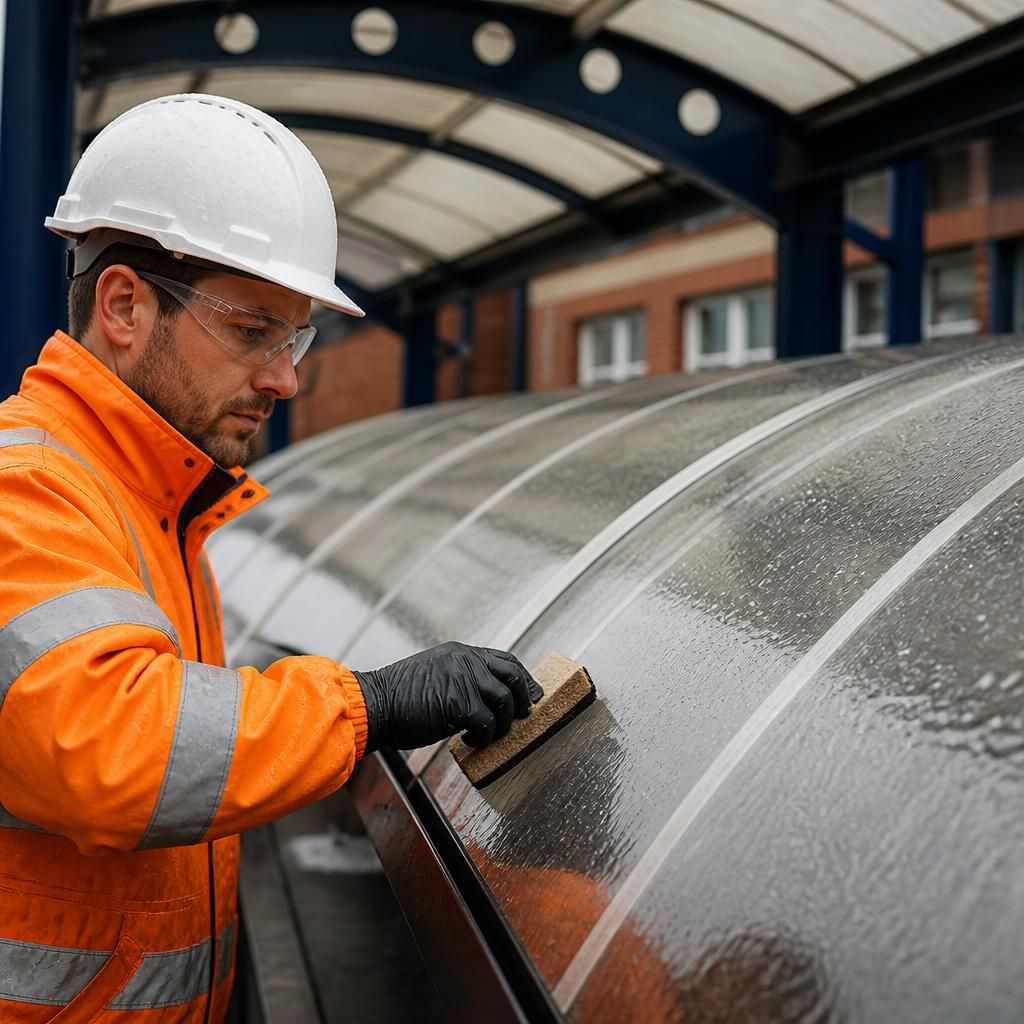
Material testing is a key part of assessing canopy and tile cleaning needs because the same cleaning method can produce different results on glass, polycarbonate, fabric, coated metal, clay, concrete, slate or natural stone. We inspect the surface and its condition before selecting pressure, steam, detergent or manual cleaning.
Where the material, coating or existing damage makes the response uncertain, we carry out a controlled test clean in an inconspicuous area. This allows us to check for discolouration, scratching, softening, coating failure, water ingress or changes to the finish before treating the wider surface. The method is adjusted if the test shows that lower pressure, reduced heat, a different cleaning solution or more precise manual work is needed.
Arrange Your Canopy and Tile Cleaning Assessment
Contact Encanto Exterior Cleaning to arrange a canopy and tile cleaning assessment tailored to the materials, surface condition and soiling at your property. We will recommend a suitable cleaning method and identify any areas requiring repair or additional protection before work begins.