
What preventive measures can be taken to reduce playground maintenance costs?
Playground maintenance costs can be reduced by preventing damage before it becomes expensive: schedule regular inspections and cleaning, remove hazards promptly, protect equipment and surfaces from water and contamination, and keep accurate maintenance records. Early repairs, suitable surface care and clear user guidance help extend the service life of playground equipment while maintaining safe conditions.
Playground maintenance costs can be reduced by preventing deterioration, identifying defects early and keeping equipment, safety surfacing and surrounding areas clean and well drained. A planned programme of inspections, routine cleaning, prompt repairs and accurate records helps prevent minor defects becoming expensive replacements, while also supporting compliance with the relevant safety requirements.
Use a planned inspection and maintenance schedule
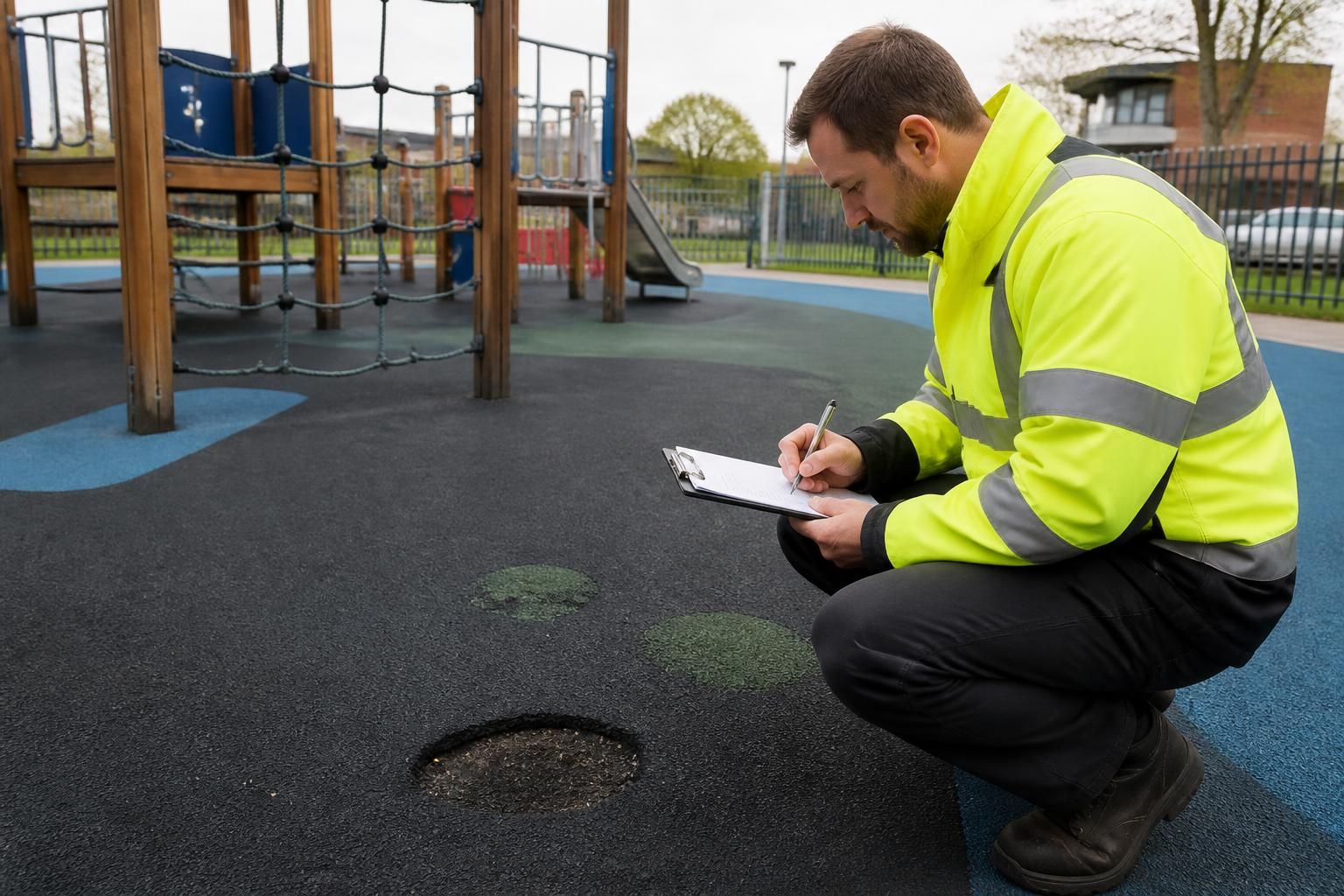
Reactive maintenance is usually more costly than planned work because defects may worsen before they are identified and repairs may need to be arranged urgently. A written schedule should set out routine visual checks, operational inspections, detailed technical inspections and planned servicing. The frequency should reflect the equipment, the intensity of use, the site environment, vandalism risk and the manufacturer’s instructions.
Inspection findings should be recorded consistently, including the location of the defect, its apparent cause, the risk it presents and the action required. This makes it easier to identify recurring problems and plan repairs during scheduled visits rather than waiting for a failure.
Carry out regular cleaning before contamination causes damage
Dirt, organic matter, food waste, bird fouling, algae and other contamination can make surfaces slippery and can contribute to staining, corrosion and premature wear. Routine removal is particularly important around entrances, seating, drainage points and areas beneath equipment where debris collects.
Cleaning methods should be matched to the material and construction of the playground. Excessive pressure or unsuitable chemicals can damage coatings, timber, rubber surfacing, fixings and drainage components. Pressure washing, steam cleaning and manual cleaning should therefore be used in a controlled manner, with care taken to avoid forcing water into bearings, joints, electrical components or vulnerable edges.
Removing contamination promptly also reduces the need for more aggressive cleaning later. Where specialist cleaning is required, the method should be agreed with the equipment or surface manufacturer and followed by an inspection for any damage that has been revealed.
Control water, moss and vegetation
Poor drainage is a common cause of accelerated surface deterioration. Standing water can weaken or contaminate safety surfacing, encourage algae and moss growth, damage adjacent ground and contribute to corrosion of metal components. Drains, channels, gullies and soakaway areas should be kept clear of leaves, silt, litter and loose surfacing material.
Vegetation should be managed before roots, branches or overhanging growth interfere with equipment, obstruct sightlines or lift edges around the play area. Moss and algae should be removed using a treatment and cleaning process that is suitable for the surface and safe for subsequent use. Cutting vegetation back without addressing the underlying drainage or moisture problem may only provide a temporary improvement.
Protect safety surfacing from avoidable damage
Safety surfacing is exposed to constant foot traffic, weather, contamination and impact. Preventive measures include keeping the surface free from sharp litter, removing debris that may abrade or stain it, and maintaining any loose-fill material at the required level. Edges, joints, seams, patches and transitions should be checked for lifting, separation, trip hazards and water ingress.
Access by maintenance vehicles should be restricted where their weight could deform rubber or other impact-absorbing surfaces. Temporary protection may be needed during nearby construction, landscaping or grounds work. Any spillages, including oil, paint or other chemicals, should be isolated and dealt with promptly using a method that will not degrade the surface or leave it slippery.
Repairs should be completed using compatible materials and appropriate preparation. Applying an incompatible patch or coating can result in repeated failure and increased costs. Where surface performance may have been affected, the area should be assessed before the playground is returned to normal use.
Prevent corrosion, loosening and material deterioration
Metalwork, fixings, welds, posts and joints should be checked for rust, cracking, distortion and movement. Early treatment of surface corrosion can prevent it spreading into structural components. Damaged protective coatings should be repaired with suitable products, and water traps should be addressed rather than repeatedly painted over.
Bolts, fasteners, clamps and moving parts should be checked in accordance with the manufacturer’s instructions. Tightening a loose fixing may be appropriate, but replacing a worn, stretched or corroded component is safer than repeatedly adjusting it. Lubrication should only be used where specified, since excess lubricant can attract grit and create a contamination or entrapment risk.
Timber equipment benefits from checks for splitting, rot, fungal growth, sharp edges and water retention. Coatings and sealants should be maintained before moisture penetrates deeply into the material. Plastic components should be examined for cracking, brittleness, UV degradation and sharp edges, particularly where they are exposed to strong sunlight or repeated impact.
Reduce vandalism and misuse
Clear site rules, visible supervision and prompt removal of graffiti can reduce repeated damage. Graffiti should be removed using a surface-appropriate process; abrasive methods or strong solvents may permanently mark coated metal, plastic, rubber or painted panels. Damage caused by climbing on roofs, attaching bicycles or using equipment for purposes outside its design can often be reduced through suitable signage and site management.
Lighting, fencing, gates and access controls should also be maintained because damaged boundaries can increase unauthorised access and vandalism. Where the same type of damage occurs repeatedly, inspection records can help identify whether changes to layout, supervision, signage or security are more cost-effective than repeated repairs.
Manage the site around the equipment
Playground maintenance should include the surrounding paths, fences, gates, seating, bins, trees and drainage features. Broken glass, litter, animal fouling, loose stones and fallen branches can create immediate hazards and may damage surfacing or equipment if left in place. Keeping bins covered and emptied regularly can help limit pests and contamination.
Tree roots, low branches and unstable vegetation should be assessed before they affect foundations, surfacing or visibility. Grounds maintenance activities should be coordinated with playground inspections so that grass cuttings, soil, mulch and other debris are not left on impact-absorbing surfaces.
Repair defects while they remain manageable
Minor defects should be prioritised according to risk, not simply left until a larger refurbishment is planned. A loose handrail, exposed fixing, damaged edge or small area of surface separation may be relatively straightforward to correct when first found. If ignored, it may result in further damage, equipment closure or the replacement of connected components.
Any defect presenting an immediate risk should be isolated or taken out of use until it has been made safe. Temporary measures should not become a substitute for a permanent repair. Repairs should use approved or compatible replacement parts and should be followed by a check that the equipment and surrounding area are safe to reopen.
Keep accurate records and review recurring defects
Maintenance records should include inspection dates, cleaning completed, defects found, photographs where useful, parts fitted, contractors involved and the date the area was returned to use. These records provide an auditable history and help identify patterns such as repeated drainage blockages, recurring corrosion or accelerated wear in high-use areas.
Reviewing the records periodically allows the maintenance plan to be adjusted. For example, a site may need more frequent cleaning after wet weather, additional checks during periods of heavy use or a different approach to a surface that repeatedly retains water. This targeted planning is more efficient than applying the same level of work to every area regardless of its condition.
Use competent personnel and suitable methods
Cleaning and repairs should be carried out by people who understand playground equipment, impact-absorbing surfaces and the risks associated with water, chemicals, access equipment and temporary closures. Staff should follow risk assessments, method statements and manufacturer guidance, particularly when working near moving parts, elevated equipment or confined drainage areas.
Equipment should be isolated from users during cleaning or repair, and the area should only be reopened after residues, standing water, tools and loose materials have been removed. Choosing the correct method at the outset helps avoid damage caused by excessive pressure, unsuitable chemicals or inappropriate machinery.
Plan seasonal and project-related work
Weather and nearby works can create predictable maintenance demands. Wet conditions increase the risk of algae, mud and drainage problems, while frost, heat and prolonged sunlight can affect certain materials. Planned checks before and after seasonal periods can identify deterioration before it becomes more extensive.
Construction, resurfacing, tree work and other projects should include protection for the playground. Clearly defined exclusion zones, covered or protected surfaces, controlled vehicle routes and a post-work inspection can prevent avoidable damage and contamination. Coordinating these activities with routine maintenance may also reduce duplicated access, cleaning and inspection costs.
In practice, the most effective cost-control approach is preventative rather than cosmetic: inspect methodically, clean with suitable techniques, keep water moving away from the play area, protect surfaces, repair defects promptly and use records to target recurring causes. These measures extend the serviceable life of equipment and surfacing while keeping the playground available and safe for its users.
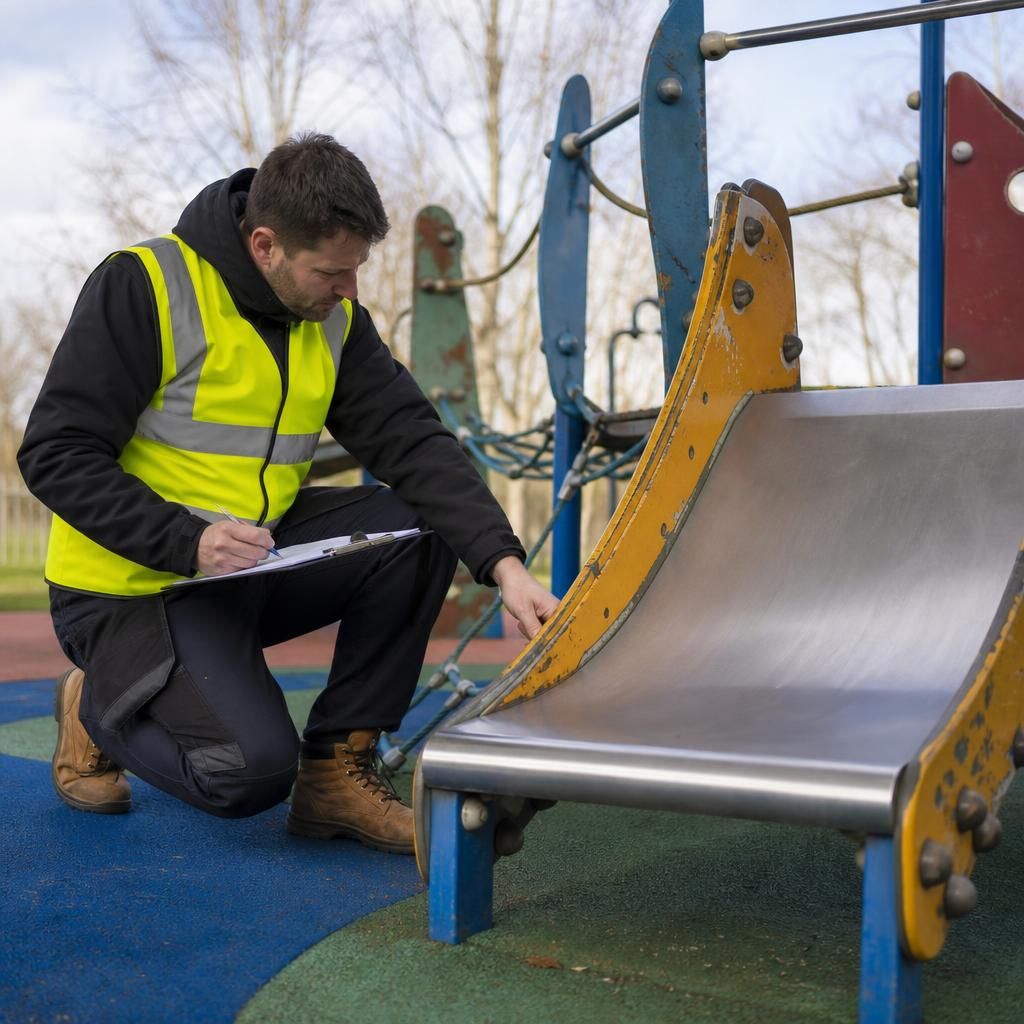
Regular inspection and prompt repair are among the most effective ways to control playground maintenance costs. Identifying a loose fixing, damaged edge, blocked drain or small area of surface wear early usually allows a targeted repair before the defect affects connected components or requires equipment to be taken out of use.
Inspection records should note the defect, its location, likely cause and required action. Reviewing these records helps identify recurring problems, such as standing water or repeated vandalism, so the underlying cause can be addressed rather than paying for the same repair repeatedly. Any defect presenting an immediate safety risk should be isolated and repaired before the area is reopened.
Arrange a Preventive Playground Maintenance Assessment
Arrange a preventive playground maintenance assessment to identify defects, drainage issues, surface wear and recurring causes of damage before they lead to higher repair costs. We can recommend a practical inspection and cleaning programme suited to your site and equipment.