
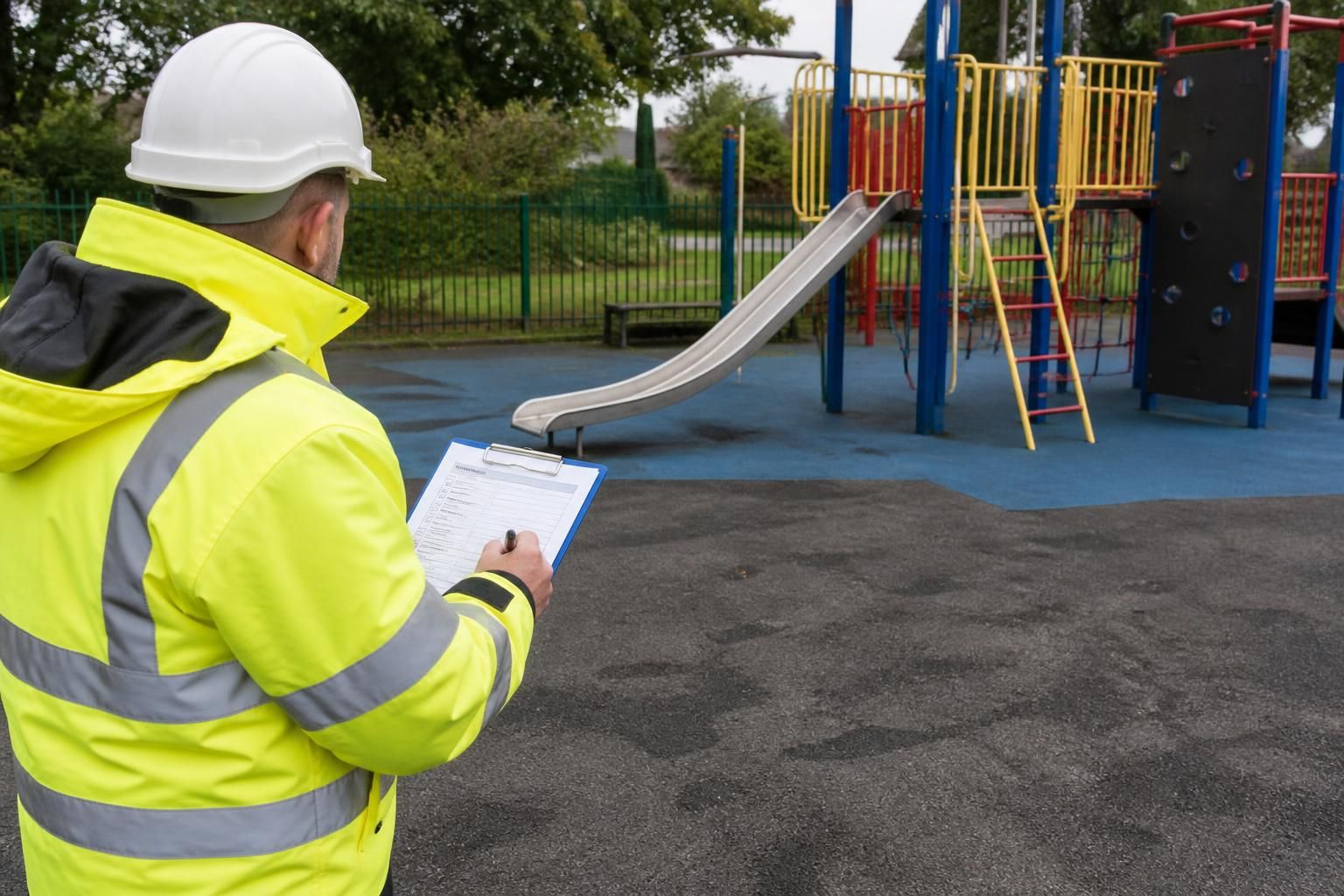
How can playground maintenance practices help reduce long-term costs?
Effective playground maintenance reduces long-term costs by identifying wear, contamination and minor defects before they develop into expensive repairs or replacement work. Regular inspections, surface cleaning, prompt repairs and accurate maintenance records also help preserve equipment, reduce disruption and maintain a safe, compliant play area.
Effective playground maintenance reduces long-term costs by preventing minor defects, contamination and drainage problems from developing into major repairs or premature replacement. A planned programme of inspections, surface cleaning, prompt remedial work and accurate record-keeping protects equipment, preserves safety surfaces and reduces disruption to site users.
Identify defects before they become expensive
Routine inspections provide an opportunity to find loose fixings, damaged components, sharp edges, cracked coatings, worn surfacing and signs of vandalism at an early stage. Small defects can often be repaired or isolated without replacing a complete item. If they are left untreated, continued use, water ingress and repeated impact can increase the extent of damage and make specialist repair more difficult.
Inspections should cover play equipment, safety surfacing, fencing, gates, seating, signage, drainage and surrounding hardstanding. Particular attention is needed around heavily used access routes, entrances, swings, slides and areas where water or debris tends to collect. Any defect that could create an immediate risk should be dealt with or the affected equipment should be taken out of use until suitable remedial work is completed.
Keep safety surfacing effective for longer
Impact-attenuating surfaces can become less effective when blocked by soil, moss, algae, litter, leaves or other debris. Contamination may also retain moisture and encourage organic growth, which can contribute to slippery conditions and surface deterioration. Regular, suitable cleaning helps maintain the surface and allows defects such as cracking, gaps, loose edges or displaced materials to be identified.
Cleaning methods should be matched to the material. Rubber wet-pour, tiles, artificial grass, engineered wood fibre, loose-fill materials and concrete or tarmac each require different controls. Excessive pressure, unsuitable chemicals or poor water management can damage a surface, remove aggregate or force water beneath bonded areas. Using the correct process helps avoid creating a repair problem while trying to remove dirt.
Control water and drainage problems
Blocked drains, standing water and poor falls can accelerate the deterioration of surfacing, timber, metalwork and fixings. Water can enter joints and cracks, undermine edges and contribute to frost-related damage. Keeping gullies, channels and drainage points clear is therefore a cost-control measure as well as a cleanliness task.
After cleaning, water should be managed so that it does not flow into play areas, neighbouring properties or public routes. Where recurring ponding is observed, the underlying drainage or grading issue should be investigated rather than repeatedly treating the visible symptom.
Use planned repairs instead of reactive replacement
A planned maintenance schedule makes it easier to prioritise work according to risk, condition and likely consequences. For example, removing graffiti, treating corrosion or replacing a worn fixing at an early stage may prevent damage to adjacent materials and reduce the need for a larger area to be taken out of service.
Planned work can also be grouped with scheduled cleaning, inspections or other site activities. This may reduce repeat mobilisation, access arrangements and periods when the playground is unavailable. Reactive call-outs are sometimes unavoidable, but they should not be the main maintenance strategy for predictable problems such as seasonal organic growth, leaf accumulation or recurring graffiti.
Protect equipment and finishes
Correct cleaning protects painted, galvanised, coated and plastic components from abrasive deposits and corrosive contamination. Graffiti should be removed using a method appropriate to the affected finish, followed by any required protective treatment. Aggressive cleaning can strip coatings or mark surfaces, increasing future maintenance requirements.
Access equipment and pressure-washing systems should be selected according to the site layout and the materials being cleaned. Operators need to control pressure, temperature, chemical use and run-off, particularly near safety surfacing, planted areas and drainage systems. A controlled process helps extend the serviceable life of finishes and reduces avoidable damage.
Maintain clear records
Inspection and cleaning records support better budget planning. They should note the date, areas inspected, defects found, actions taken, photographs where useful and any items requiring follow-up. Comparing records over time can reveal recurring problems, such as a particular drainage point blocking or one section of surfacing wearing faster than the rest.
This information helps site owners distinguish between routine maintenance and capital replacement. It also provides evidence that safety checks and remedial actions are being managed in line with the relevant risk assessments, manufacturer guidance and applicable UK requirements, including the principles set out in BS EN 1176 and BS EN 1177 where relevant.
Reduce closure time and disruption
Well-maintained play areas are less likely to require unexpected closure. Where cleaning or repair is needed, work should be planned around periods of lower use, with the area clearly segregated until surfaces are safe and sufficiently dry. Coordinating tasks can reduce repeated closures and help schools, housing providers, local authorities and other site managers maintain reliable access for users.
In practice, the greatest savings usually come from combining regular visual checks, competent cleaning, timely minor repairs and documented follow-up. This approach does not remove the need for eventual replacement, but it can delay avoidable deterioration, support more predictable expenditure and preserve a safe, usable playground for longer.
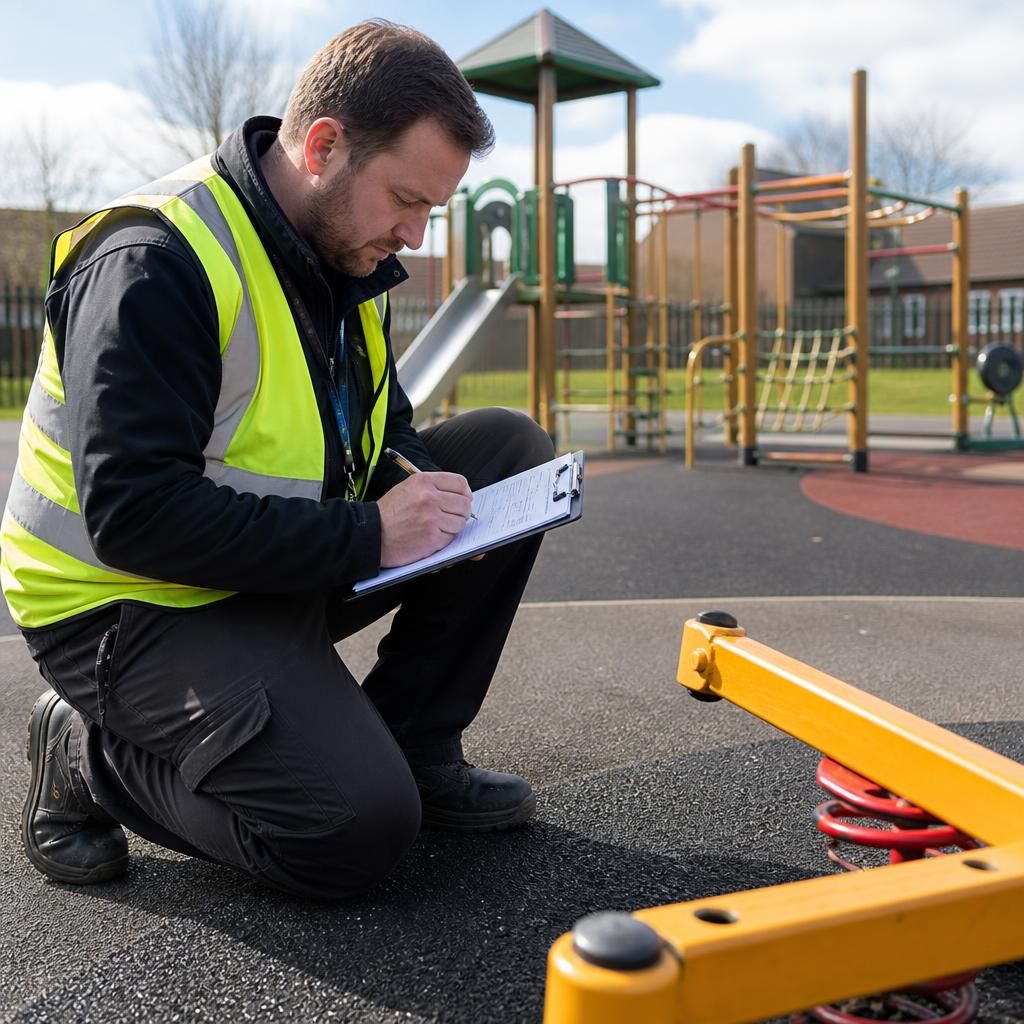
Planned inspections reduce long-term playground costs by identifying minor defects before they develop into extensive damage or require full component replacement. Checking fixings, safety surfacing, drainage, fencing and equipment finishes allows suitable repairs to be scheduled before deterioration affects adjoining materials or forces an unexpected closure.
Maintenance records should note defects, cleaning completed, photographs and any follow-up action required. Reviewing these records helps identify recurring issues, coordinate repairs with scheduled cleaning and manage expenditure more predictably. Prompt attention to blocked drainage, loose edges, corrosion, graffiti and organic growth can extend the serviceable life of the playground while maintaining a safe, usable area.
Plan Your Playground Maintenance Programme
Speak to Encanto Exterior Cleaning about planning a playground maintenance programme that combines inspections, surface cleaning and timely repairs. We can help you schedule practical maintenance around site use and reduce avoidable repair and closure costs.