
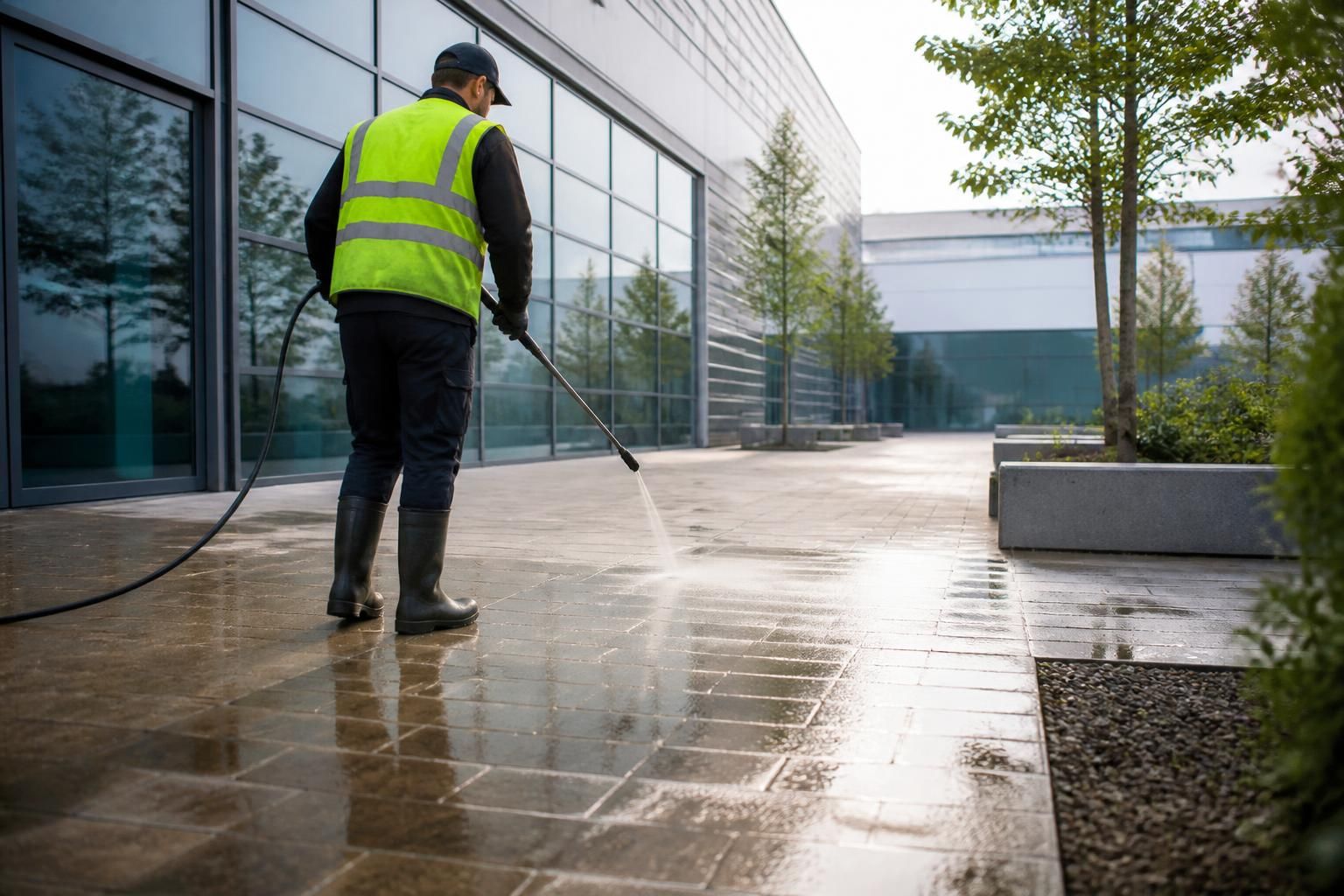
What techniques prevent moss and algae from returning after removal?
Moss and algae are best prevented from returning through a suitable biocidal treatment after removal, followed by routine inspections and maintenance of the affected surface. Improving drainage, reducing shade and trapped moisture, clearing nearby vegetation and repairing damaged areas also helps limit regrowth.
The most effective way to prevent moss and algae returning after removal is to apply a suitable biocidal treatment, then control the moisture, shade and debris that support regrowth. Cleaning removes the visible growth, but treatment and ongoing maintenance are needed to deal with remaining spores and reduce the conditions in which moss and algae thrive.
Apply a compatible post-cleaning treatment
After the surface has been cleaned, a professional-grade biocide or specialist treatment can be applied to the affected area. This helps suppress residual moss, algae and lichen that may not be visible immediately after cleaning. The product and application method must be selected for the surface, as treatments suitable for roof tiles may not be appropriate for painted cladding, paving, render or other building materials.
A treatment should be applied to a clean, suitably dry surface and used in accordance with the manufacturer’s instructions. Weather conditions are also important. Heavy rain shortly after application can reduce its effectiveness by washing the product away before it has had time to work. Where appropriate, treatment may be incorporated into a soft washing process, which uses controlled application rather than aggressive pressure that could damage the substrate.
Remove the causes of persistent moisture
Moss and algae are more likely to return where surfaces remain damp for long periods. Check that gutters, outlets, channels and drainage points are clear and working properly. Overflowing or leaking gutters can keep roof edges, walls, paths and façades wet, creating favourable conditions for regrowth. On paved areas and car parks, standing water may indicate blocked drainage, inadequate falls or damaged surfaces that need attention.
Where practical, correct leaks, clear obstructions and improve the movement of rainwater away from the cleaned surface. Cleaning alone will not provide lasting results if the same drainage problem continues to introduce moisture.
Reduce shade and improve air movement
Shaded surfaces dry more slowly, particularly when they are enclosed by buildings, walls, trees or dense planting. Pruning overhanging branches and managing vegetation around the property can increase daylight and airflow. This is especially useful on north-facing roofs, sheltered paths and areas beneath trees, where damp conditions commonly persist.
Vegetation should be managed carefully so that pruning does not create a risk to the roof, façade, gutters or surrounding surfaces. Any work near overhead services, fragile roofing or difficult access areas should be planned and carried out using suitable access and safety controls.
Keep surrounding surfaces and drainage features clear
Leaves, soil, organic debris and bird fouling can retain moisture and introduce nutrients that support algae and moss. Regularly remove accumulated debris from roof valleys, gutters, gullies, steps, walkways and other vulnerable areas. Pay particular attention after autumn leaf fall, storms and periods of heavy rainfall.
For commercial and industrial premises, maintenance should include inspection of service yards, loading areas, pedestrian routes and concealed drainage channels. Keeping these areas clear also helps reduce slip risks and prevents contamination from being spread across clean surfaces by foot or vehicle traffic.
Repair damaged or unsuitable surfaces
Cracked tiles, open joints, failing pointing, damaged coatings and porous or deteriorating materials can hold water and provide places for organic growth to establish. Repairs should be assessed before or after cleaning, depending on the condition of the surface and the planned method. Loose materials may need to be secured, while defective sealants, joints or coatings may require renewal by an appropriate contractor.
It is important not to seal, coat or treat a surface until it is adequately clean and dry. Applying a coating over remaining contamination or trapped moisture can lead to poor adhesion, staining or further deterioration.
Use the least aggressive effective cleaning method
Preventative work begins with removing moss and algae without unnecessarily damaging the underlying material. Excessive pressure can erode roof tiles, dislodge pointing, strip protective coatings or force water into vulnerable areas. A low-pressure or soft wash approach is often more suitable for delicate surfaces, although the correct method depends on the material, level of contamination, access and condition of the structure.
On hard-wearing paving or industrial surfaces, controlled pressure washing may be appropriate. On roofs, façades and coated materials, a lower-pressure application with a compatible treatment may reduce the likelihood of surface damage. A site assessment should determine the safest combination of cleaning, rinsing and treatment.
Establish a planned inspection and maintenance schedule
Regular inspections allow early signs of regrowth to be dealt with before moss or algae becomes established again. The inspection frequency should reflect the surface, exposure, surrounding vegetation, drainage performance and the property’s use. High-traffic commercial sites, shaded areas and locations beneath trees may need more frequent checks than exposed, well-drained surfaces.
Inspections should look for green or dark staining, small moss deposits, blocked gutters, standing water, leaf accumulation, failed joints and areas that remain damp after nearby surfaces have dried. Early spot treatment is generally more controlled than allowing widespread growth to develop and then requiring another intensive clean.
Record the condition of the property
For managed commercial premises, keep records of cleaning dates, treatments used, weather conditions where relevant, defects identified and follow-up work required. Photographs can help compare the condition of roof areas, façades, paths and drainage points during future inspections. These records support planned maintenance and help identify recurring problems, such as a leaking outlet or a persistently shaded elevation.
Consider the environment around the property
Biocidal treatments should be selected and applied responsibly, with care taken around drains, watercourses, planted areas, pets and members of the public. Run-off must be managed in accordance with the product instructions and applicable environmental requirements. Professional application should include suitable controls to prevent unnecessary contamination of adjacent surfaces or drainage systems.
Prevention is therefore a combination of treatment, surface care and site management rather than a single product. Once the moss and algae have been removed, maintain clear drainage, reduce persistent shade and moisture, repair defects, remove organic debris and arrange periodic inspections. This approach helps extend the clean appearance of the property, reduce repeat cleaning requirements and maintain safer external areas across commercial and industrial sites.
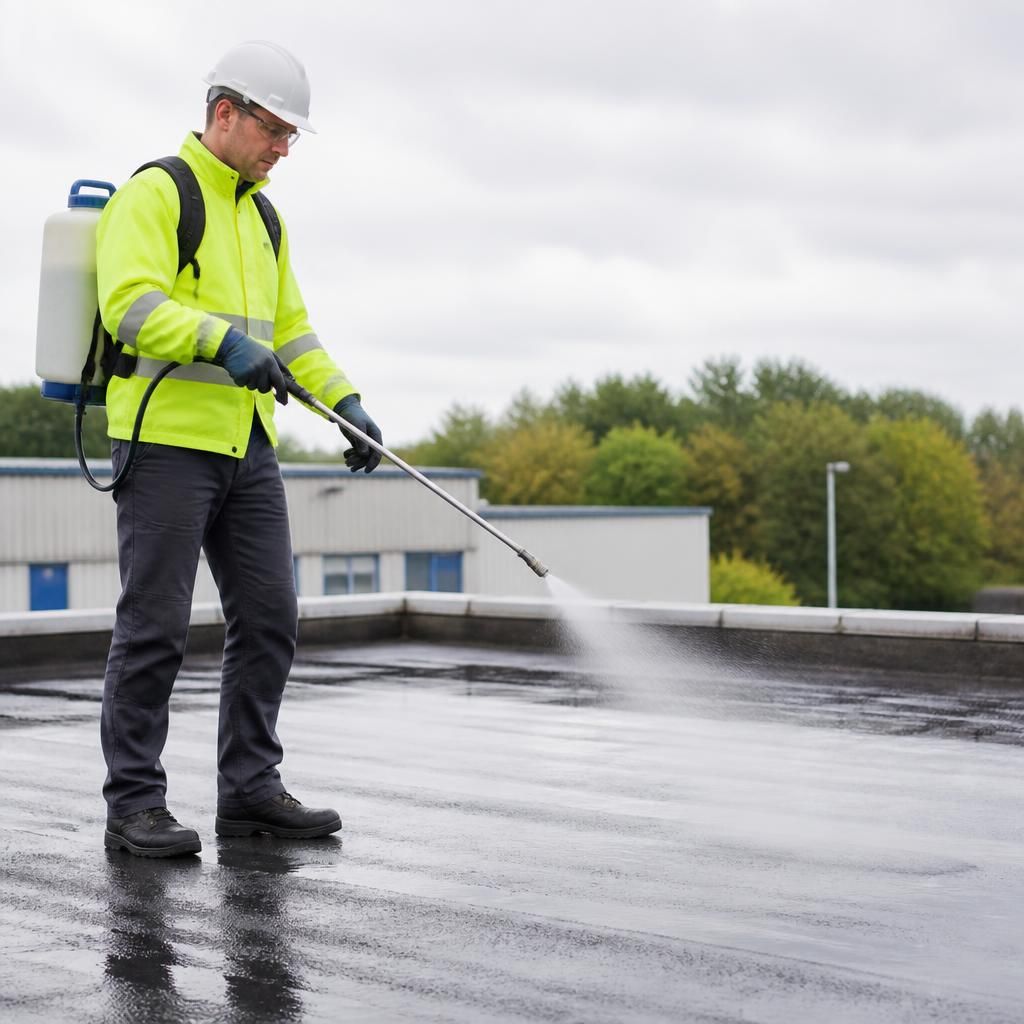
A compatible post-cleaning biocidal treatment helps prevent moss and algae returning by suppressing residual growth after the visible contamination has been removed. It should be applied to a clean, suitably dry surface using a method appropriate for the material, whether that is roof tile, paving, cladding or render.
Treatment is most effective when combined with practical maintenance. Keeping gutters and drainage channels clear, reducing overhanging vegetation, removing leaf debris and repairing areas that retain water will make the surface less favourable to regrowth. Regular inspections can then identify early staining or small deposits, allowing prompt treatment before widespread growth develops.
Plan Your Moss and Algae Prevention Treatment
Plan your moss and algae prevention treatment with Encanto Exterior Cleaning, including post-cleaning treatment and ongoing maintenance for your roof, façade, paths or other external surfaces. Contact our team to discuss the site conditions and suitable approach.