
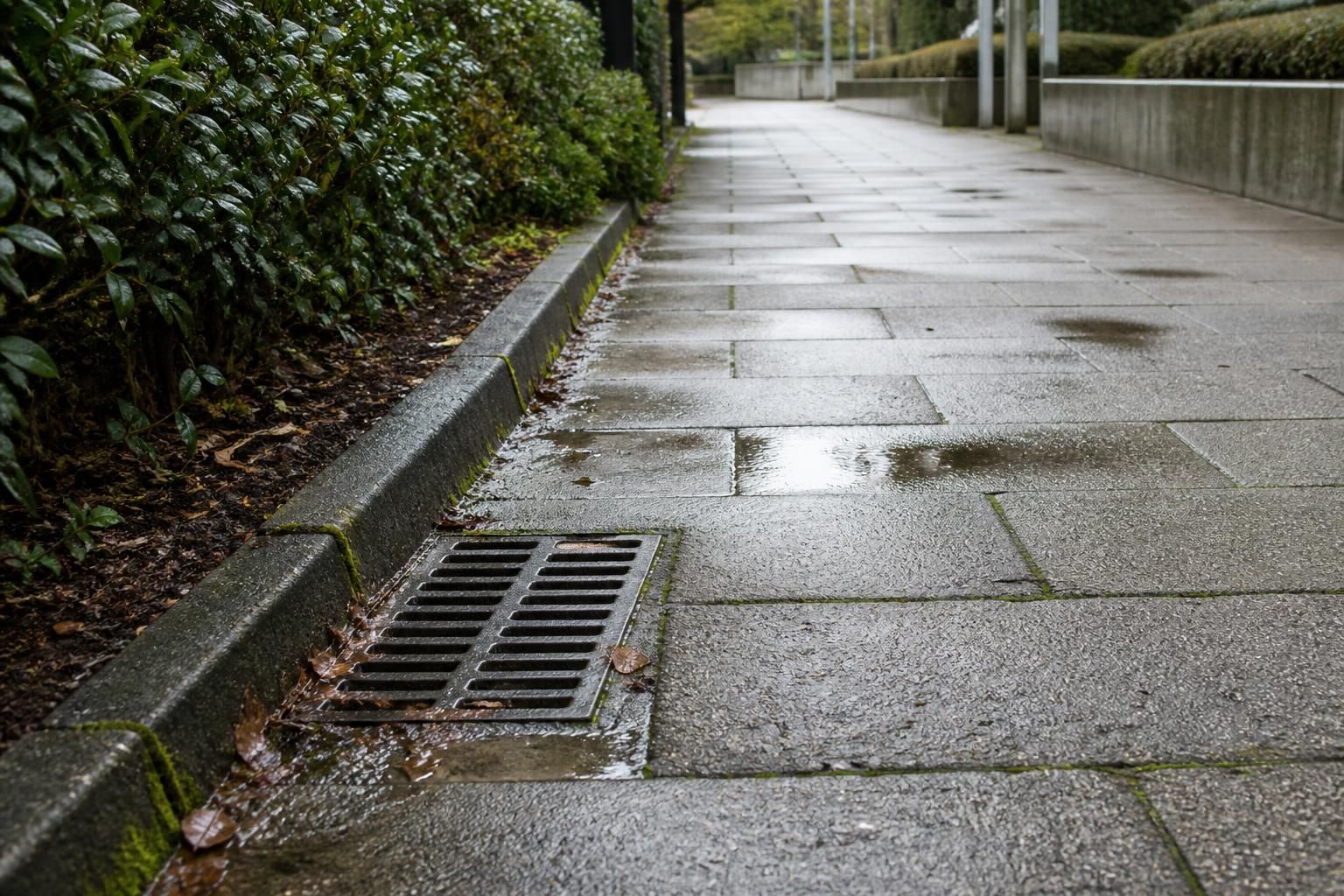
What preventative strategies can be adopted to minimise moss growth on paths and surfaces?
To minimise moss growth on paths and surfaces, improve drainage and sunlight, remove leaves and debris promptly, control nearby vegetation, and schedule regular inspections and cleaning. Keeping surfaces dry, clear and free from organic matter reduces the damp, shaded conditions moss needs to establish.
Preventing moss growth on paths and external surfaces depends on reducing persistent dampness, shade and organic build-up. The most effective approach is a planned combination of drainage improvements, vegetation control, routine cleaning, surface inspections and suitable preventative treatments, rather than relying on occasional moss removal once growth has become established.
Moss commonly develops where surfaces remain wet for extended periods and receive limited sunlight or air movement. Leaves, soil, dust and other organic matter retain moisture and provide a suitable base for spores to settle. The following measures can help property managers, facilities teams and other site owners minimise regrowth.
- Improve drainage and remove standing water: Inspect paths, paved areas, steps and hardstandings for pooling after rainfall. Blocked gullies, silted drains, damaged channels and uneven surfaces can all leave moisture against the surface. Keep drainage points clear and arrange repairs where settlement, cracked paving or failed falls are preventing water from leaving efficiently.
- Reduce shade where practical: Overhanging branches, dense shrubs, boundary planting and nearby structures can create cool, damp conditions. Pruning vegetation to improve light and air circulation can make the surface less favourable to moss. Any work should be planned around local requirements, nesting wildlife and the condition of adjacent buildings or services.
- Control nearby vegetation: Weeds, grass and moss at path edges can retain moisture and spread onto the walking surface. Maintain clear margins around paths, kerbs, ramps and paved areas, taking care not to undermine edging or disturb joints. Vegetation management should form part of the normal grounds maintenance schedule rather than being left until growth is extensive.
- Remove leaves and organic debris promptly: Regular sweeping or mechanical removal prevents decomposing leaves, soil and wind-blown material from accumulating in shaded areas and drainage channels. Pay particular attention to corners, areas beneath trees, loading bays, steps and sections that are rarely used.
- Schedule condition inspections: Inspect surfaces at appropriate intervals and after periods of prolonged wet weather. Look for green discolouration, slippery films, moss at joints, blocked drainage, damaged pointing and areas where water is collecting. Early signs can usually be addressed more efficiently than thick growth with established roots and debris.
- Use a surface-appropriate cleaning programme: Routine low-pressure washing, controlled pressure cleaning or steam cleaning can remove early organic build-up before it develops into a heavier infestation. The method should reflect the material, jointing, age and condition of the surface. Excessive pressure can damage concrete, paving, masonry, coatings and pointing, so cleaning should be controlled and undertaken by suitably trained operatives.
- Consider preventative treatments carefully: Where appropriate, a professionally selected biocidal or moss-inhibiting treatment may help slow regrowth after cleaning. The product, application method and dwell time must be suitable for the surface and the surrounding environment. Treatment is not a substitute for correcting poor drainage or excessive shade, and runoff must be controlled in accordance with relevant environmental and site requirements.
- Maintain joints, edges and surface defects: Open joints, failed pointing, cracks and damaged paving can retain moisture and allow organic matter to collect. Repairing defects helps reduce areas where moss can establish and also limits trip hazards and water penetration. Repairs should be compatible with the existing material and completed after the surface has been properly assessed.
- Manage site use and contamination: Keep soil, aggregate, compost and construction debris away from finished paths wherever possible. During building or landscaping work, protect clean surfaces and remove deposited material promptly. Areas around entrances, pedestrian routes and vehicle access points may need more frequent attention because traffic spreads moisture and debris across the surface.
A preventative programme should be based on the conditions at each site. North-facing elevations, tree-lined walkways, poorly ventilated courtyards and areas beside leaking downpipes generally require closer monitoring than open, well-drained surfaces. High-use pedestrian routes may need frequent light maintenance, while less-used paths can require more detailed inspections because early growth is less visible.
After moss has been removed, allow the surface and surrounding drainage to be assessed rather than treating the cleaning visit as the end of the process. Record the affected locations, likely causes, surface material, cleaning method and any recommended repairs. This creates a practical maintenance history and helps identify recurring problems, such as a blocked gully or a persistently shaded section.
Preventative work should also protect people and the environment. Keep pedestrians and vehicles away from wet or treated surfaces until they are safe to use, use suitable signage and follow the product manufacturer’s instructions. Operatives should prevent contaminated wash water or treatment solution from entering surface-water drains, watercourses or planted areas where this could cause harm. Site-specific risk assessments and control measures are particularly important on commercial premises, public paths and shared access routes.
In practice, the most reliable strategy is a planned cycle of inspection, debris removal, vegetation and drainage management, appropriate surface cleaning and targeted repairs. Addressing the conditions that allow moss to grow will extend the period between intensive removal visits, support safer pedestrian access and help maintain a cleaner, more professional appearance across the site.
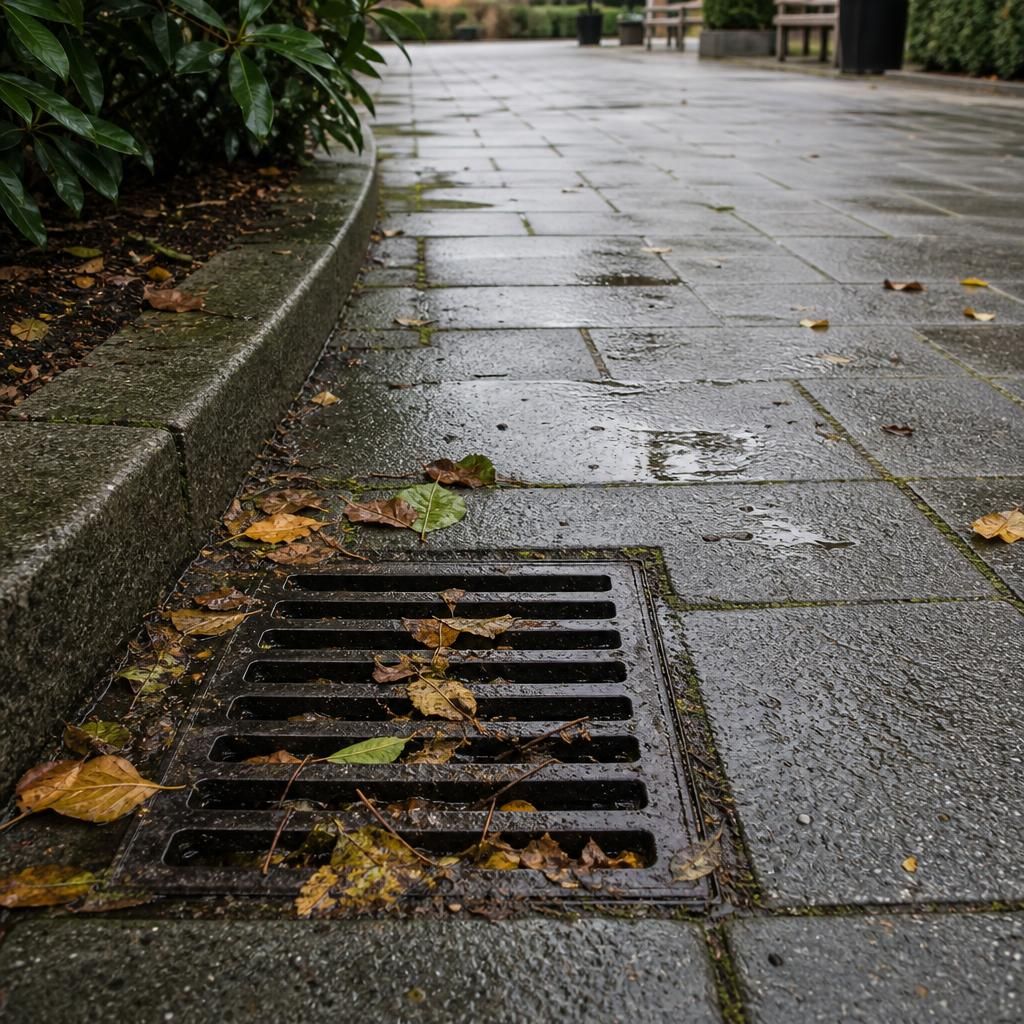
Improving drainage is one of the most effective preventative strategies for minimising moss growth on paths and external surfaces. Standing water keeps paving, concrete and joints damp for longer, creating the conditions moss needs to establish.
Keep gullies, channels and grates clear of leaves, silt and debris, and investigate recurring pooling after rainfall. Repair damaged drainage, failed pointing or uneven sections where practical. Regular sweeping and prompt removal of organic matter will also reduce moisture retention, particularly in shaded areas beneath trees and alongside buildings.