
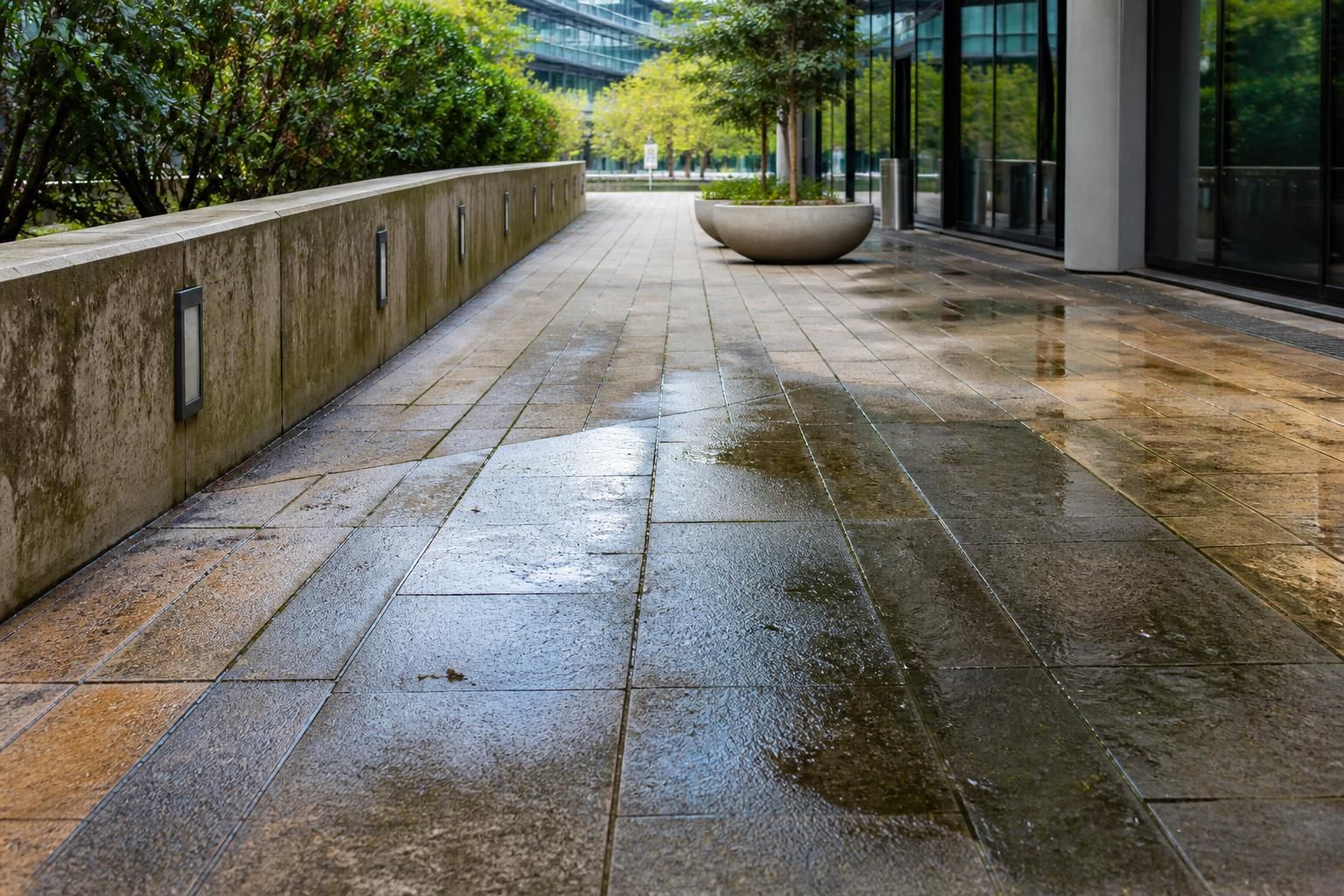
How can I prevent moss growth on paths and surfaces after cleaning?
Prevent moss from returning after cleaning by keeping paths clear of leaves and debris, improving drainage, and reducing persistent shade and dampness where possible. Regular inspections, prompt removal of organic build-up and an appropriate post-clean treatment can help maintain safer, cleaner surfaces for longer.
Preventing moss from returning after cleaning depends on controlling the moisture, shade and organic debris that allow it to re-establish. A thorough clean should therefore be followed by suitable surface treatment, improved drainage where necessary and a planned maintenance routine. Cleaning alone removes existing growth but does not remove every airborne spore or correct the conditions that caused the moss to develop.
Keep paths and surfaces free from organic debris. Fallen leaves, soil, seed pods and other debris retain moisture against the surface and provide nutrients for moss and algae. Arrange regular sweeping or mechanical brushing, paying particular attention to shaded walkways, kerbs, gullies, steps and areas beneath trees. Debris should be removed rather than washed into drainage channels, where it can contribute to blockages and standing water.
Manage water and drainage. Persistent dampness is one of the main reasons moss returns. After cleaning, check whether rainwater drains away efficiently or remains in depressions, joints and low points. Keep channels, grates and gullies clear, and investigate blocked or damaged drainage where water repeatedly collects. On larger commercial sites, drainage inspections should form part of routine grounds and external fabric maintenance. Any changes to falls, joints or drainage infrastructure should be assessed and completed by an appropriately qualified contractor.
Reduce avoidable shade and overhanging vegetation. Moss is more likely to develop where surfaces receive limited sunlight and remain damp for long periods. Prune back vegetation that overhangs paths, remove excessive leaf accumulation and manage planting so that air can circulate across the surface. Trees and shrubs should only be cut back in accordance with site policies, access requirements and any relevant wildlife or planning considerations. Where shade cannot be removed, more frequent inspections and cleaning may be needed.
Use a compatible post-clean treatment. A professionally selected biocidal or moss-inhibiting treatment can help slow regrowth after the visible contamination has been removed. The product and application method must be suitable for the surface, surrounding landscaping, drainage arrangements and intended use of the site. Treatments should be applied in accordance with the manufacturer’s instructions and relevant environmental controls. They should not be regarded as a substitute for removing debris or correcting poor drainage.
Surface type is important when selecting a preventative treatment. Concrete, block paving, natural stone, brick, tarmac, painted finishes and coated surfaces can respond differently to chemicals, moisture and mechanical agitation. Delicate or porous materials may require a gentler approach, while some sealed surfaces may need a compatible resealing system. A small test area can help confirm that the treatment will not cause staining, etching, colour change or loss of an existing coating.
Consider sealing where it is appropriate. A suitable sealer can reduce water penetration and make some hard surfaces less receptive to organic contamination. It will not prevent moss if water continues to stand on the surface, and it must be compatible with the substrate and its existing finish. Sealing should only be considered after the surface has been thoroughly cleaned, allowed to dry as required and checked for defects. On block paving, attention should also be given to jointing sand, as damaged or missing joints can retain moisture and allow weeds or moss to establish.
Inspect surfaces regularly rather than waiting for heavy regrowth. Early signs include a green film, dark staining, soft deposits in joints and areas that remain visibly damp after surrounding surfaces have dried. Prompt, localised treatment is generally easier to manage than allowing moss to spread across a large area. Inspections should cover:
- shaded paths, ramps, steps and north-facing elevations;
- areas beneath trees, gutters, downpipes and irrigation systems;
- low points, joints, cracks and places where water collects;
- car parks, service yards and pedestrian routes with heavy organic debris;
- surfaces near leaking plant, wash-down areas or defective drainage.
For commercial premises, record the inspection findings and any remedial work. A simple maintenance schedule can identify the areas requiring seasonal attention, the cleaning method used, products applied and any drainage or landscaping issues still outstanding. This is particularly useful for property managers overseeing multiple buildings or sites, as it supports consistent standards and helps recurring problems to be traced to their source.
Schedule maintenance around site conditions. Moss control is often more effective when planned before prolonged wet and shaded periods, while allowing enough suitable weather for the surface and any treatment to dry. Cleaning frequency should reflect the location rather than follow a fixed pattern for every site. A heavily shaded pedestrian route beside mature planting may need closer monitoring than an exposed yard with good drainage. Maintenance planning should also account for foot traffic, deliveries, public access, weather and the need to keep routes safely available.
Do not rely on pressure alone to prevent regrowth. Excessive pressure can damage mortar joints, erode softer stone, dislodge block-paving material or affect coatings, creating rough and porous areas that retain moisture. Likewise, applying chemicals without controlling run-off can affect planted areas, watercourses and drainage systems. The safest approach is to combine a surface-appropriate cleaning method with controlled treatment, good housekeeping and repairs to the underlying causes of dampness.
Finally, keep the surface safe while preventative work is being carried out. Moss, treatment residues and loosened deposits can make paths slippery, so affected areas may need to be segregated, signed or cleaned again before being returned to normal use. For commercial and public-facing sites, preventative moss control should be included within the wider external maintenance plan, alongside drainage checks, vegetation management, inspection of trip hazards and periodic deep cleaning. This approach helps preserve the condition of the surface and reduces the likelihood of moss becoming a recurring safety and maintenance problem.
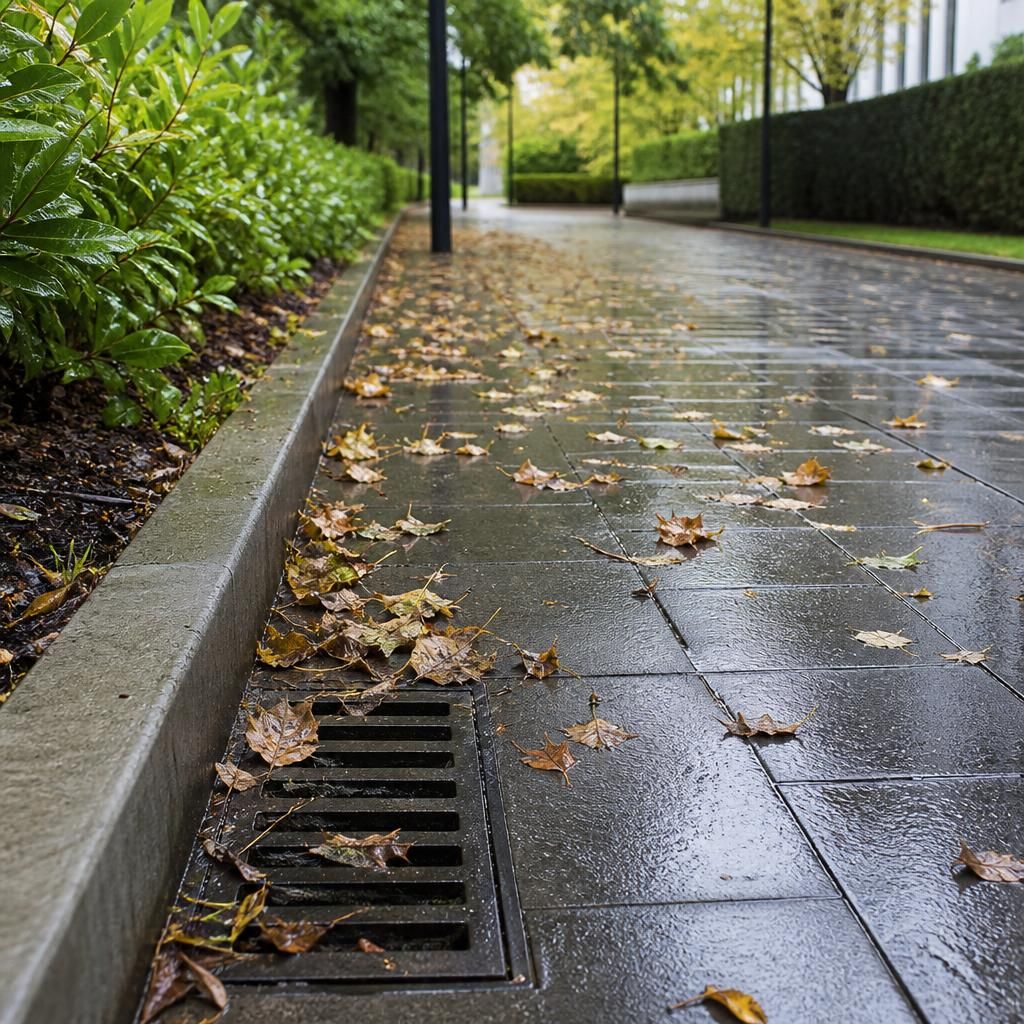
Preventing moss from returning after cleaning starts with controlling the moisture and organic debris that allow it to re-establish. Keep paths swept, remove leaves and soil promptly, and check that gullies, channels and downpipes are not allowing water to remain on the surface. Where damp patches persist, investigate drainage, low points, leaking irrigation or overhanging vegetation rather than relying on repeated pressure washing. A compatible post-clean treatment may slow regrowth, but it should support—not replace—good housekeeping and drainage maintenance.