
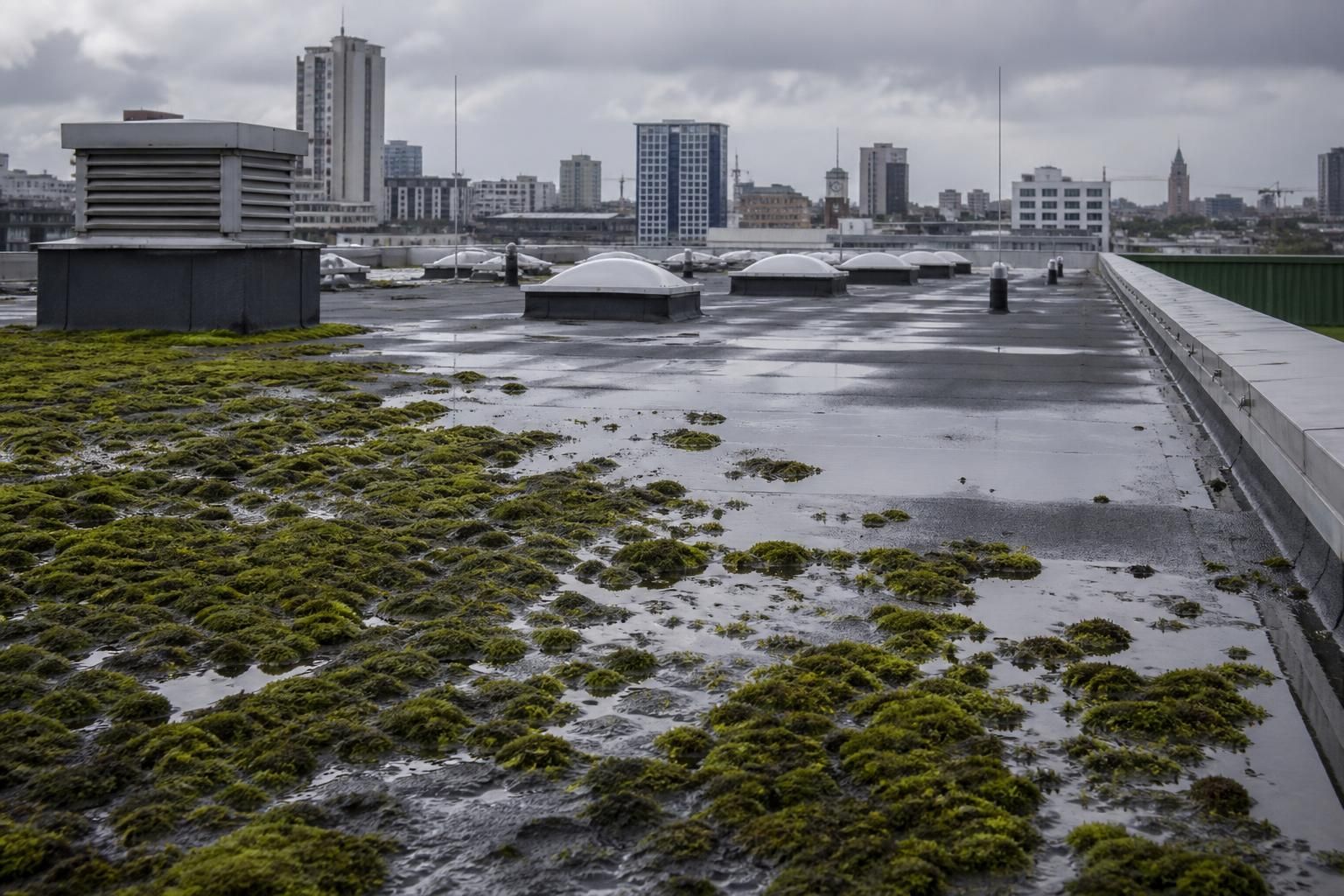
How does the local climate impact the effectiveness of roof moss treatment and prevention methods?
The local climate directly affects how well roof moss treatments work: Birmingham and wider UK conditions are often mild, damp and overcast, which encourage moss growth and can slow treatment drying. Applying treatments during a dry spell, allowing sufficient contact time and scheduling follow-up prevention around seasonal moisture helps produce longer-lasting results.
Local climate has a direct effect on both the performance and durability of roof moss treatment. In Birmingham, the West Midlands and much of the UK, mild temperatures, frequent rainfall, high humidity and limited winter sunlight create conditions in which moss remains active for much of the year. These conditions can slow treatment drying, dilute products through rainfall and encourage regrowth, so timing, product selection and follow-up maintenance are important parts of an effective roof care programme.
Moisture affects treatment contact time. Most roof moss treatments need to remain on the affected surface for a suitable period before rainfall significantly reduces their effectiveness. If heavy rain follows application too soon, the solution may be diluted or washed from the tiles before it has acted on the moss. Conversely, a period of light moisture after an appropriate contact period may help some treatments continue working, depending on the product instructions. Weather forecasts should therefore be checked before work begins, with application postponed when persistent or heavy rain is expected.
Damp conditions also make moss physically heavier and more firmly attached to roof surfaces. On a saturated roof, removal can be slower and more disruptive, particularly where moss has spread beneath tile laps, around roof edges or into gutters. Professional cleaning methods need to take account of the roof construction and its condition rather than relying on pressure alone. Excessive pressure can dislodge tiles, force water beneath overlaps or damage weathered surfaces.
Temperature influences how quickly a treatment works. Mild conditions generally support biological activity, meaning moss may continue growing or recovering when temperatures remain above freezing. Cold weather can slow the action of some treatments, while frost can affect both the surface and the application process. Applying a product to frozen, icy or very cold materials may lead to uneven coverage and poor results. Treatment should be carried out in conditions permitted by the product manufacturer and avoided where freezing is expected during or immediately after application.
Warm, dry weather can improve drying and make treatment application more predictable, but it does not automatically provide better long-term prevention. Extended dry periods may temporarily suppress visible moss without removing the underlying spores and organic matter. If shaded areas remain damp, regrowth can begin when rainfall returns. Very hot or sunny conditions may also cause a product to dry too quickly, reducing the time available for it to work evenly. Application teams should consider the roof temperature, exposure and manufacturer’s instructions rather than treating during the hottest part of the day.
Shade, aspect and exposure create different microclimates across the same roof. North-facing slopes, areas beneath trees, sections beside taller buildings and roof surfaces close to parapets often receive less sunlight and retain moisture for longer. These areas commonly develop moss more quickly than exposed south-facing slopes. Overhanging branches can add leaf litter and organic debris, while blocked gutters and poor drainage keep roof margins damp. A treatment may therefore appear effective on open areas while shaded sections require more detailed cleaning and closer inspection.
Wind and airborne debris also affect prevention. Exposed commercial roofs may dry faster, but wind can carry seeds, spores, leaves and dirt onto the surface. Trees near a building can increase the supply of organic material that supports moss establishment. Removing debris, keeping drainage routes clear and managing vegetation near the roof can extend the useful life of a treatment, although tree work should only be undertaken where it is safe and appropriately authorised.
Seasonal timing is especially important in the UK. Spring and autumn often combine adequate moisture with moderate temperatures, creating favourable conditions for moss growth but also providing practical treatment windows when a dry spell occurs. Summer may offer better drying, although rainfall patterns and heat still need to be considered. Winter work is more restricted because of short daylight hours, frost, saturated surfaces and increased slip risk. A planned treatment before the wetter months can reduce existing growth, but it should not be viewed as a permanent barrier against future moss.
Prevention products can help reduce regrowth, but their performance depends on complete and even coverage, a suitably prepared surface and continued control of moisture and debris. Treatment will not correct damaged tiles, defective flashings, leaking gutters, poor ventilation or persistent drainage problems. Where these issues are present, moss is likely to return regardless of the product used. Roof condition should be assessed before cleaning so that treatment is appropriate for the covering, age and level of weathering.
For commercial and industrial properties, weather should be considered alongside access, public safety and environmental controls. Roof work may need to be rescheduled if surfaces become slippery, high winds affect access equipment or rainfall creates a risk of contaminated runoff entering drains. Any treatment must be used in accordance with its label and suitable measures should be taken to prevent unacceptable runoff or exposure to people, vehicles and surrounding areas.
The most reliable approach is to inspect the roof, identify its damp and shaded zones, remove moss and debris using a method suitable for the roof material, apply treatment during a suitable dry-weather window and monitor the surface afterwards. Follow-up inspections should be timed according to the site’s exposure and the speed of regrowth rather than relying on a fixed schedule. In Birmingham and similar UK locations, regular checks are particularly valuable because mild, wet conditions can allow moss to re-establish before it becomes obvious from ground level.
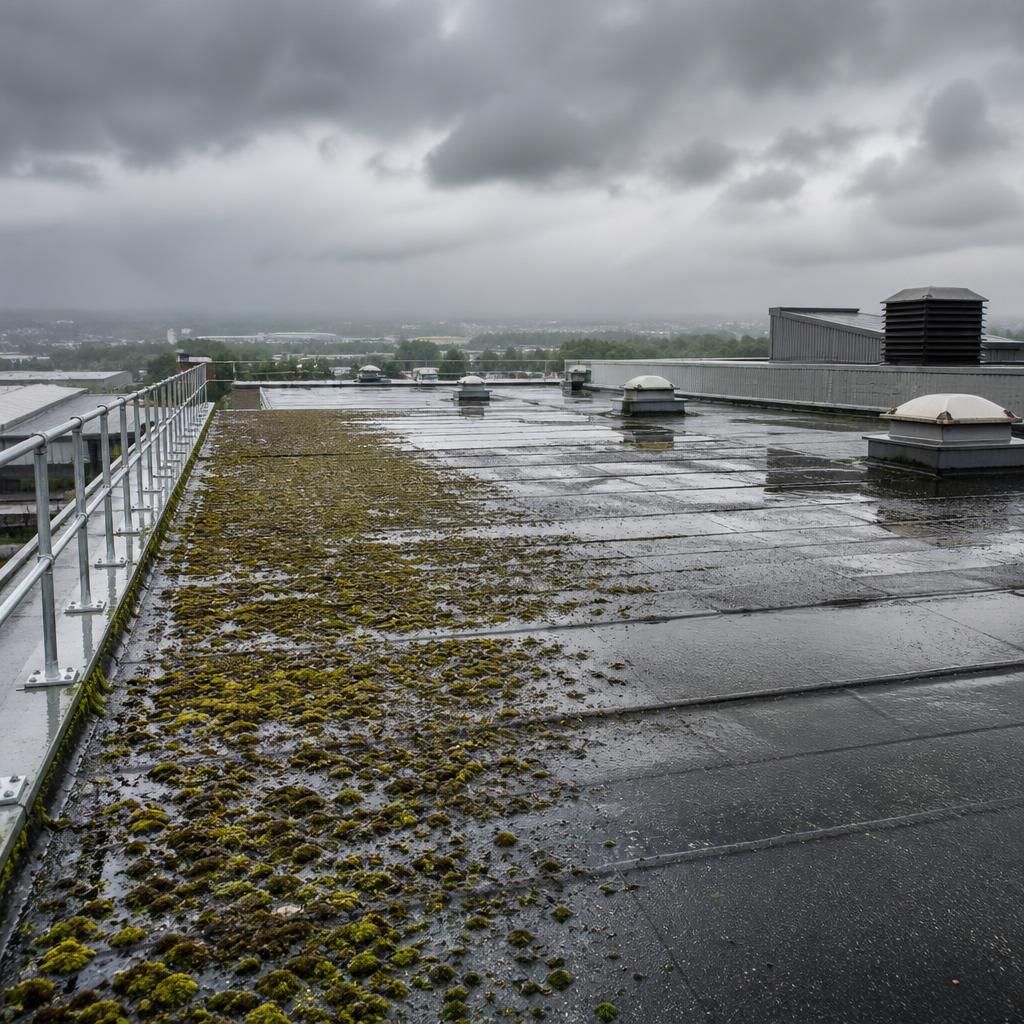
UK rainfall and humidity can reduce the effectiveness of roof moss treatment if rain arrives before the product has had sufficient contact time. On commercial roofs in Birmingham and the West Midlands, application should therefore be planned for a suitable dry-weather window, with the roof surface free from standing water and heavy rain not expected immediately afterwards.
Local microclimates also affect how long the result lasts. Shaded roof pitches, areas beneath trees and sections beside parapets stay damp for longer than exposed surfaces, allowing moss to return sooner. These areas may need more thorough preparation, closer inspection and targeted follow-up treatment. Clearing organic debris and keeping gutters and drainage routes free-flowing helps prevent moisture from undermining the prevention programme.
Arrange a Climate-Suitable Roof Moss Treatment Assessment
Arrange a climate-suitable roof moss treatment assessment so we can review your roof’s exposure, drainage, condition and likely treatment window. We can then recommend an appropriate cleaning and prevention plan for your Birmingham, West Midlands or UK property.