
How can roof moss affect the longevity of roofing materials?
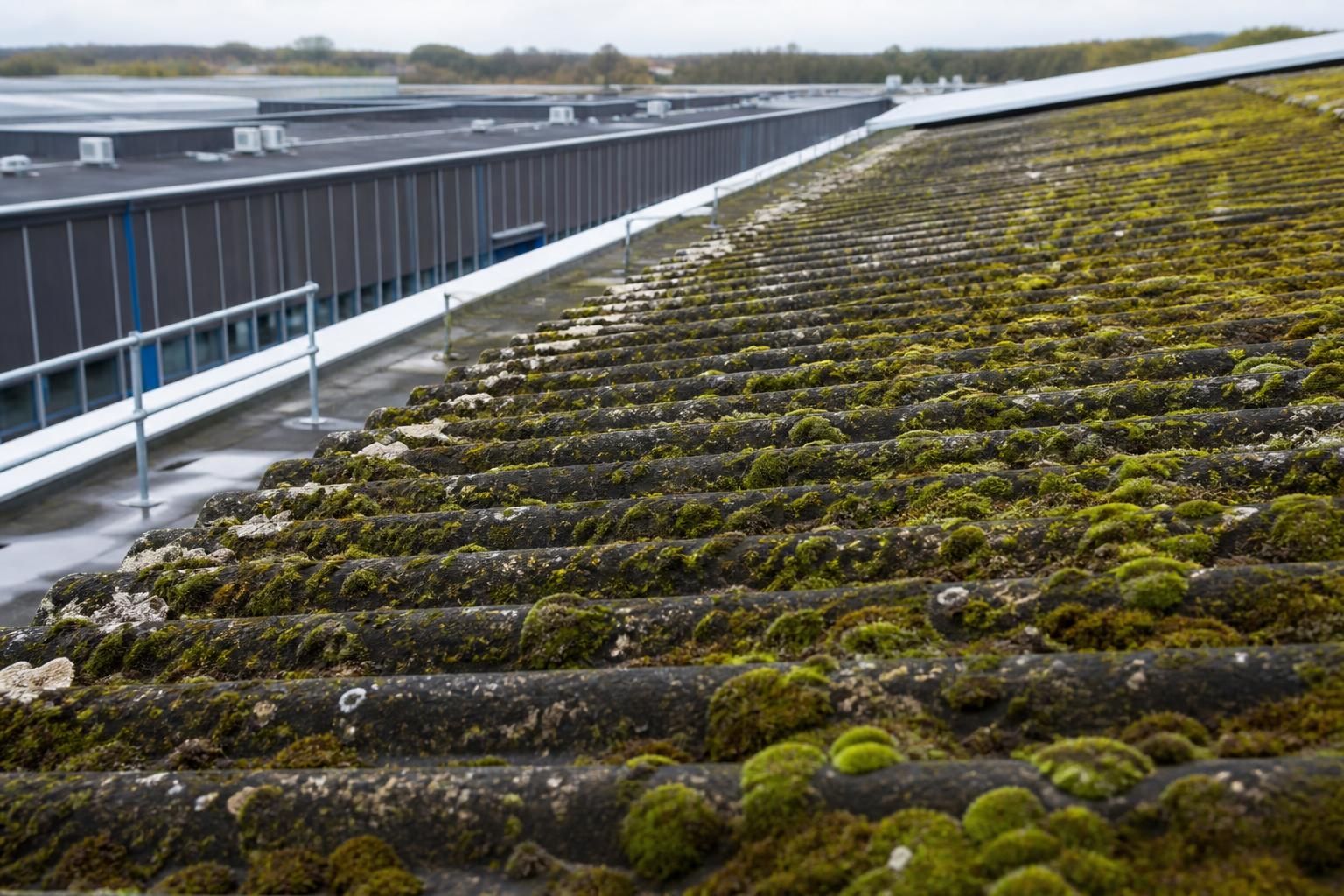
Roof moss can shorten the service life of roofing materials by trapping moisture against tiles, slates and fixings, increasing the risk of frost damage, surface deterioration, corrosion and leaks. If it is left untreated, moss growth can also obstruct drainage and allow roots to work into joints, making professional removal and preventative maintenance important.
Roof moss can shorten the service life of roofing materials by holding moisture against the surface, increasing frost damage, encouraging deterioration and obstructing the movement of rainwater. As moss spreads, its roots and growth pads can work into joints and overlaps, while the added dampness can affect tiles, slates, roof fixings, underlay and supporting timber. The extent of damage depends on the roof material, pitch, exposure, drainage and how long the moss has been established.
How moss causes deterioration
- Persistent moisture: Moss acts like a sponge, retaining water on the roof after rainfall. Materials that would normally dry between wet periods remain damp for longer, increasing the risk of surface wear, staining and biological growth.
- Frost-related damage: If retained water freezes, it expands within small pores, cracks and surface imperfections. Repeated freezing and thawing can gradually cause some tiles, slates and mortar joints to flake, fracture or become loose.
- Damage to joints and overlaps: Moss can grow through laps, around ridge and verge details, and within mortar joints. This may lift or displace materials, reduce the effectiveness of weather seals and create routes for water ingress.
- Blocked drainage: Dislodged moss can collect in valleys, gutters, outlets and downpipes. Restricted drainage allows water to back up beneath roof coverings or overflow onto fascias, walls and other building elements.
- Corrosion of fixings: Nails, clips and other metal components can corrode more quickly in persistently damp, debris-filled conditions. Corroded fixings may lose strength, increasing the risk of slipped or unstable tiles and slates.
- Underlay and timber exposure: Once water gets beneath the roof covering, it can dampen underlay and roof timbers. Prolonged dampness may contribute to decay, staining, mould growth or loss of structural integrity, particularly where ventilation is poor.
Impact on different roofing materials
Concrete and clay tiles can tolerate normal weathering, but heavy moss growth can accelerate surface degradation and make tiles more vulnerable to cracking or frost damage. Concrete tiles may lose their protective surface finish over time, leaving the underlying material more exposed to water and weather. Clay tiles can become brittle with age, so aggressive growth or unsuitable removal methods may increase the chance of breakage.
Natural slate is durable, but it is not immune to moss-related problems. Moisture retained around slate laps and fixings can contribute to delamination, edge damage and corrosion of nails or hooks. Older slate roofs require particular care because the slates and fixings may already be weakened by age or previous weather exposure.
Mortar bedding, ridge tiles and verge joints are especially vulnerable to moisture penetration and frost action. Moss does not always cause the original failure, but it can conceal defects and create conditions in which existing cracks, open joints or loose components deteriorate more quickly.
On flat or low-pitched roofs, moss may be more disruptive because water drains away less rapidly. Growth and organic debris can obstruct outlets, retain standing water and place additional demands on waterproofing systems. The effect varies according to the roof construction, membrane type, drainage design and condition of the existing surface. Flat roofs should be assessed carefully rather than treated as if they were pitched tile or slate roofs.
Signs that moss may be affecting roof longevity
- Thick or spreading moss across tiles, slates, ridges or valleys
- Tiles or slates that appear cracked, chipped, loose or displaced
- Flaking surfaces, crumbling mortar or exposed fixings
- Water staining in loft spaces, ceilings or upper walls
- Gutters and downpipes repeatedly filling with moss and roof debris
- Damp patches, musty odours or visible mould beneath the roof covering
- Overflowing gutters or persistent wetting of fascias and external walls
These signs do not prove that moss is the sole cause of a problem. Roof coverings also deteriorate through age, storm damage, poor installation, condensation, inadequate ventilation and general weathering. A proper assessment should distinguish moss-related deterioration from defects that require repair or replacement.
Why removal technique matters
Removing moss can help reduce retained moisture and restore drainage, but careless cleaning can cause more damage than the growth itself. Excessive pressure can lift tiles, strip protective finishes, drive water beneath laps or damage fragile slates and mortar. Scraping tools can also crack aged materials or disturb fixings.
The appropriate approach should be selected according to the roof covering and its condition. Controlled manual removal, suitable low-pressure cleaning, steam cleaning or an appropriate biocidal treatment may be considered, but no single method is suitable for every roof. Chemicals must be compatible with the roofing material and managed so that run-off does not damage plants, surfaces or drainage systems. Work at height should also be planned with suitable access equipment and precautions rather than relying on unsafe roof access.
How treatment helps extend service life
Prompt moss treatment does not restore materials that are already cracked, decayed or structurally unsound, but it can reduce the conditions that accelerate deterioration. Removing established growth, clearing drainage routes and monitoring the roof afterwards helps identify defects before they become leaks or larger repair issues. Preventative treatments can also slow regrowth where the roof environment remains shaded, damp or exposed to organic debris.
For commercial and industrial properties, roof moss management should form part of planned exterior maintenance. Inspections can be coordinated with gutter clearance, roof drainage checks, façade maintenance and other access work. This is particularly useful on larger or less accessible buildings, where a small blockage or failed detail may affect internal areas and interrupt normal operations.
The most reliable protection is a combination of suitable moss removal, timely repair of defective tiles or joints, effective gutter and valley maintenance, and periodic inspections. Keeping nearby trees managed, improving ventilation where appropriate and addressing recurring damp areas can further reduce the conditions that support moss growth. If moss is extensive, the roof is fragile or water ingress is suspected, professional assessment is advisable before any cleaning or treatment begins.
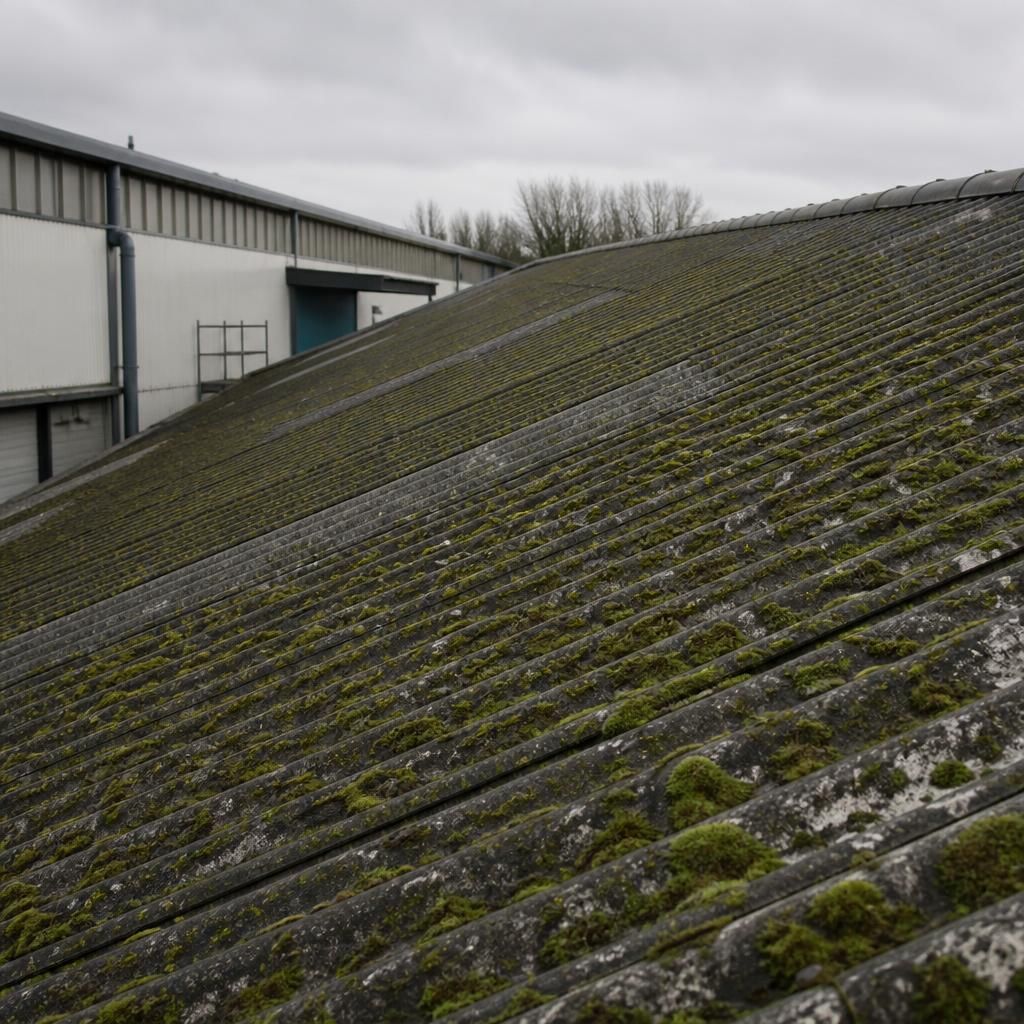
Roof moss affects longevity mainly by retaining moisture against tiles, slates, mortar and fixings. This keeps the roof damp for longer after rainfall and can increase the risk of frost damage, surface deterioration and corrosion, particularly where materials are already aged or weathered.
As moss spreads through joints and overlaps, it can also obstruct valleys and gutters, allowing water to back up or overflow. Removing established growth carefully, keeping drainage clear and repairing damaged areas helps prevent moisture-related deterioration from shortening the roof’s service life.
Arrange a professional roof moss assessment
Arrange a professional roof moss assessment with Encanto Exterior Cleaning to identify moisture-related deterioration, blocked drainage and vulnerable roofing materials before they lead to more serious damage. We can recommend a suitable treatment and maintenance approach for your roof.