
How can I determine the most suitable moss treatment method for my specific roof type?
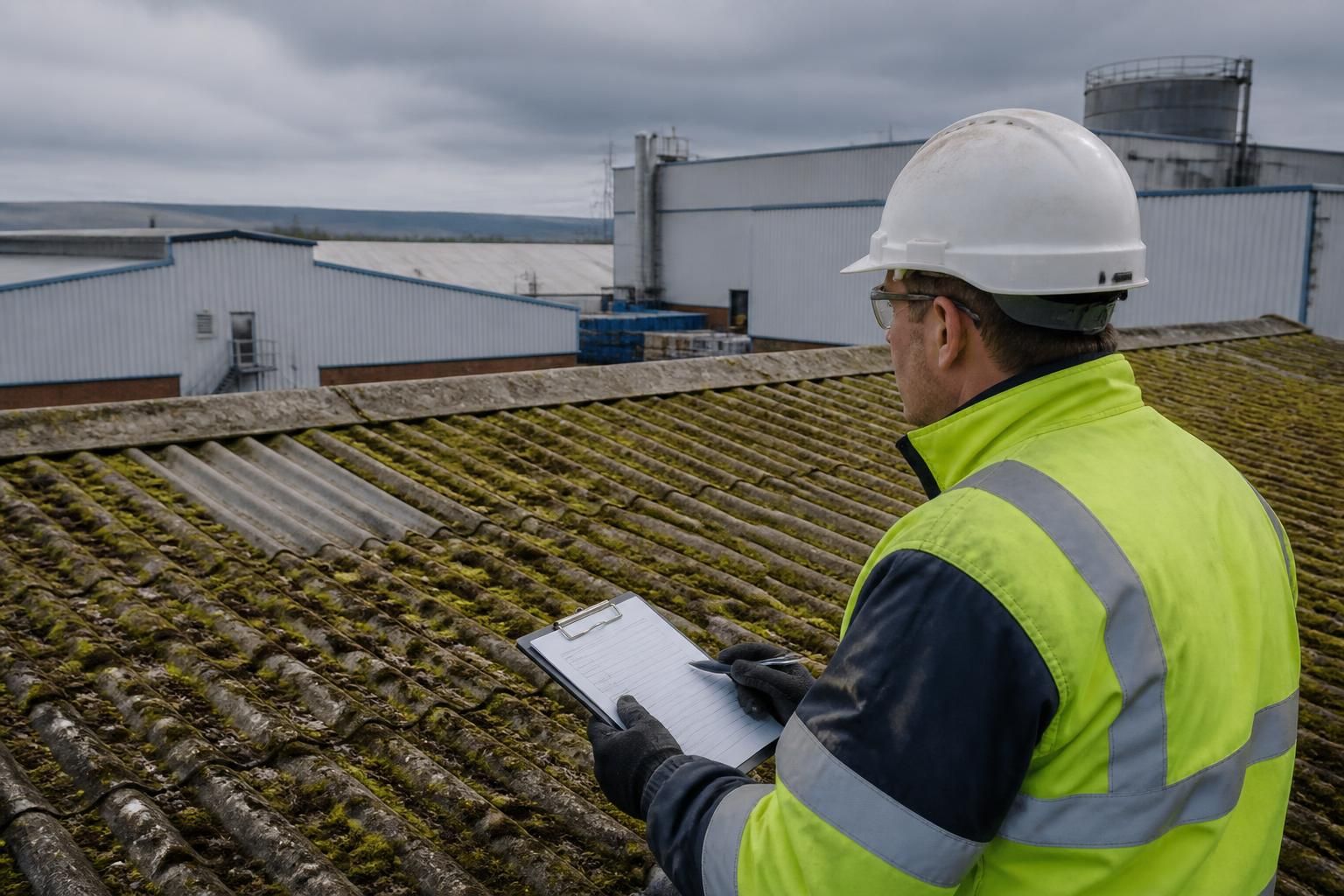
The most suitable roof moss treatment depends on the roofing material, roof age and condition, moss coverage, drainage and safe access requirements. A professional inspection can determine whether gentle manual removal, low-pressure cleaning or a compatible biocidal treatment will control the moss without damaging the roof.
The most suitable roof moss treatment is determined by the roof covering, its age and condition, the extent of moss growth, and the way the roof can be accessed safely. A method that is appropriate for robust concrete tiles may damage slate, loosen aged pointing or force water beneath a roof membrane. A roof inspection should therefore be completed before choosing between manual removal, low-pressure cleaning, steam cleaning and a compatible biocidal treatment.
Start with the roofing material
- Concrete tiles: Sound concrete tiles can usually tolerate controlled manual removal followed by low-pressure washing where necessary. A suitable biocidal treatment may then be applied to deal with remaining spores and slow regrowth. Older, porous or already damaged tiles need a gentler approach because aggressive pressure can strip the surface and expose the material to faster weathering.
- Clay tiles: Clay tiles vary considerably in their finish, age and condition. Manual removal and a compatible treatment are often preferable to high-pressure cleaning, particularly where tiles are brittle, weathered or have a delicate surface. The method must avoid lifting tiles or disturbing the laps and fixings.
- Natural slate: Slate can split, delaminate or become loose if handled incorrectly. Moss should generally be removed carefully by hand, working with the roof’s construction rather than forcing material beneath the slates. Low-pressure or steam cleaning may be suitable in some cases, but only after checking the slate, fixings, flashings and surrounding mortar.
- Metal roofing and cladding: The treatment must be compatible with the metal finish and any protective coating. Abrasive cleaning, excessive pressure and unsuitable chemicals can damage coatings or accelerate corrosion, especially around fixings and cut edges. Gentle cleaning and a carefully selected treatment are normally more appropriate than aggressive mechanical work.
- Asphalt shingles and similar sheet coverings: These surfaces can lose their protective granules when scrubbed or pressure washed. Moss should be removed using a method that does not tear the covering, disturb laps or dislodge granules. Any treatment must be confirmed as suitable for the specific product and applied with careful control of runoff.
- Flat roofs: Flat roofs may be finished with felt, EPDM, PVC, TPO, GRP or another membrane. Moss is often concentrated around outlets, seams, edges and areas where water remains after rainfall. Cleaning must avoid puncturing or stretching the membrane, opening joints or directing water beneath the covering. Drainage and outlet condition should be assessed at the same time.
Assess the roof’s age and condition
A roof that is technically suitable for a particular treatment may still require a different approach because of its condition. The inspection should identify cracked or slipped tiles, exposed underlay, failed sealants, damaged flashings, loose ridge components, corrosion, ponding water and weak or deteriorated areas. Moss can sometimes conceal these defects, so removing it without checking the surface first may reveal problems that need repair rather than further cleaning.
Fragile coverings, older roofs and roofs with previous water ingress usually require the least aggressive effective method. In some cases, treatment should be limited to accessible areas until repairs have been completed. Cleaning is not a substitute for replacing failed materials or correcting a drainage defect.
Match the method to the level of moss growth
Light surface growth may be controlled with a compatible biocidal treatment, particularly where the roof covering is delicate and the moss is not forming thick mats. Established moss normally needs controlled manual removal first, followed by treatment to address residual growth and spores. Thick growth may also be holding moisture against the covering or obstructing gutters, so the work should include inspection and clearance of affected drainage routes.
Pressure washing should not be selected simply because it is quicker. High pressure can remove protective finishes, drive water beneath tiles, damage pointing and dislodge slates or membrane edges. Where washing is appropriate, the pressure, water flow, nozzle position and working direction should be controlled for the roof material. Steam cleaning can provide a lower-chemical option in suitable circumstances, but it still requires assessment of heat tolerance, surface condition and water management.
Choose the treatment product carefully
A biocidal treatment should be selected for the particular roofing material and used in accordance with its product instructions. Compatibility matters because some products can affect coatings, painted surfaces, sealants, plants or nearby drainage systems. The expected weather conditions, contact time and method of application also influence the result. Treatment should not be applied where rainfall is likely to wash it rapidly from the roof or carry uncontrolled runoff onto sensitive areas.
Before full application, a small test area can help confirm how the roof reacts and whether the proposed method produces the required result. The test should check for colour change, surface damage, coating failure and any effect on adjacent materials. Runoff should be controlled so that treatment residues do not enter watercourses or damage landscaping.
Include access and safety in the decision
The safest method is also influenced by roof pitch, height, fragile areas, nearby plant and equipment, pedestrian routes and the availability of suitable access equipment. Walking directly on some roofs is unsafe or can cause damage, particularly on fragile sheets, aged coverings and flat-roof membranes. A professional assessment should determine whether work can be completed from a suitable platform, scaffold, access system or another controlled position.
Where the roof may contain asbestos cement or another hazardous material, its condition and composition must be established before cleaning. Disturbing such materials can create serious health and compliance risks, so they should not be treated as an ordinary roof-cleaning surface.
Use a treatment plan rather than a single cleaning technique
For most roofs, the appropriate solution is a sequence of controlled steps:
- Inspect the roof covering, fixings, flashings, outlets, gutters and surrounding surfaces.
- Identify defects that require repair before or alongside moss treatment.
- Remove loose moss using the gentlest effective method for the material.
- Clean remaining staining or residue only where the covering can safely tolerate it.
- Apply a compatible treatment under suitable weather and runoff conditions.
- Clear gutters and outlets, then check that water can drain correctly.
- Record areas requiring future monitoring and agree a maintenance schedule.
For a commercial or industrial property, the decision should also consider the roof’s operational importance, access restrictions, tenant activity, public safety, environmental controls and the need to minimise disruption. The right method is not necessarily the most powerful one; it is the least aggressive process that removes or controls the moss while preserving the roof covering and maintaining safe access.
After treatment, periodic inspections are important because moss often returns where shade, trapped moisture, blocked drainage or overhanging vegetation remains. If regrowth is dealt with while it is limited, future work can usually remain more controlled and less intrusive. Where the roof type, condition or access is uncertain, an inspection by a suitably experienced exterior cleaning contractor provides the most reliable basis for selecting the treatment.
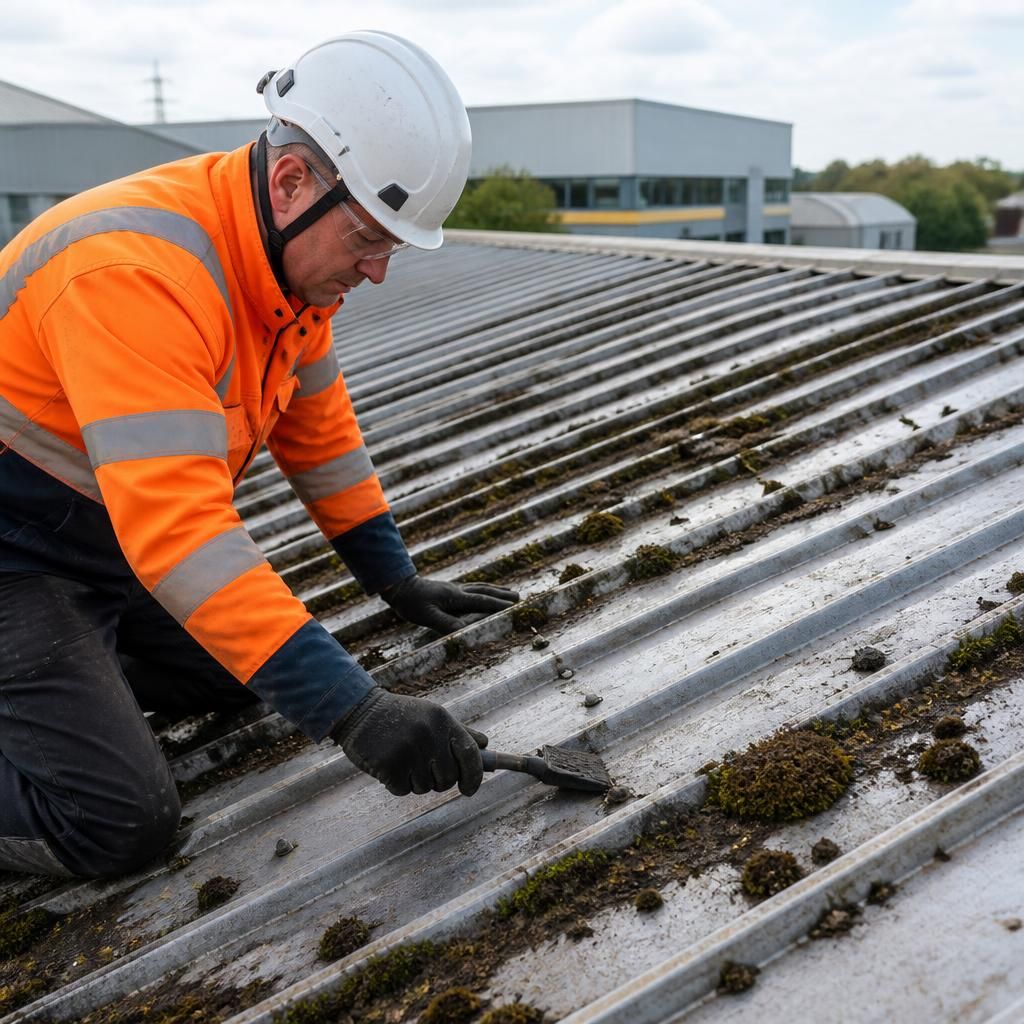
The safest roof moss treatment is the least aggressive method that suits the roof covering, its condition and the extent of growth. Sound concrete tiles may tolerate controlled manual removal and low-pressure cleaning, while slate, clay tiles, membranes and coated metal usually require more careful handling to avoid cracking, lifting, abrasion or coating damage.
Before treatment, the roof should be checked for fragile areas, damaged fixings, blocked outlets, ponding water and unsafe access points. A small test area can confirm that the proposed cleaning method and biocidal treatment are compatible with the surface. This assessment helps ensure moss is controlled without creating damage that could lead to water ingress or premature roof repairs.