
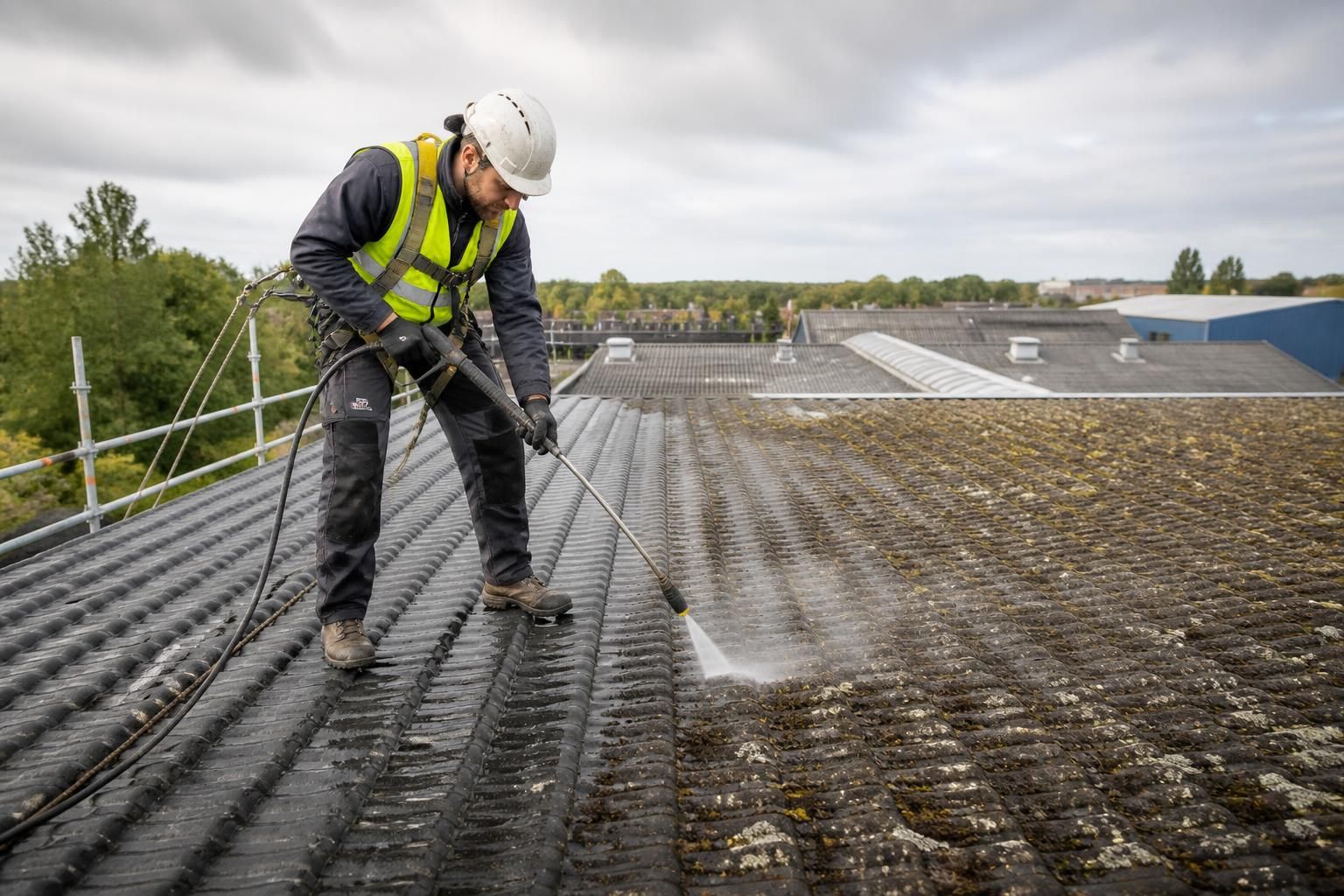
What factors should be considered when selecting a moss removal company for roof tiles?
When selecting a moss removal company for roof tiles, check its experience with your roof type, proposed cleaning methods, health and safety procedures, insurance, and evidence of reliable commercial work. Choose a contractor that will inspect the roof first, explain how tiles and surrounding property will be protected, and provide clear details of preparation, treatment, waste removal and any follow-up maintenance.
The right moss removal company should be assessed on its experience with roof tiles, proposed cleaning and treatment methods, safety procedures, insurance, equipment, waste controls and the clarity of its quotation. A competent contractor will inspect the roof before work begins, identify fragile or defective areas, explain how the tiles and surrounding property will be protected, and provide a documented plan for removal, treatment and follow-up maintenance.
Check relevant experience
Moss removal is not simply a matter of applying pressure to the roof. Different tiles and roof coverings have different levels of strength, porosity and weathering. Ask whether the company has worked on the specific roof type involved, such as concrete interlocking tiles, clay tiles, slate or older fibre cement products. Experience with commercial, industrial or larger properties is also important where the roof has complex access requirements, adjoining buildings, plant, roof lights or occupied areas below.
The contractor should be able to explain how its method will be adapted to the age, condition, pitch and construction of the roof. Be cautious if a company offers a standard method without first checking the roof, as heavily weathered tiles, loose ridge tiles, failed pointing and existing water ingress may require repair or specialist advice before cleaning.
Require a proper roof inspection
A pre-work inspection should identify the extent of moss growth, lichen and organic staining, along with cracked, slipped or loose tiles, damaged flashings, blocked gutters and vulnerable roof details. The inspection should also consider access, nearby glazing, cladding, vehicles, pedestrian routes, air-conditioning equipment and drainage systems.
Ask for the findings to be recorded in writing, supported by photographs where appropriate. This creates a useful condition record and helps distinguish pre-existing defects from issues discovered during the work. A responsible company will explain any limitations to the inspection, particularly where areas cannot be safely viewed from ground level.
Understand the proposed removal method
Request a clear explanation of how moss will be removed and why that method is suitable for the roof. Mechanical scraping, low-pressure washing, steam cleaning and biocidal or other treatment products each have different applications and risks. The choice should take account of the tile material, surface condition, moss density, drainage arrangements and the possibility of disturbing protective finishes or dislodging tiles.
High-pressure cleaning can cause damage when it is used incorrectly, including driving water beneath tiles, removing surface material or forcing contamination into roof details. A professional contractor should specify the intended pressure or temperature controls where relevant, the tools to be used, and how the work will be tested on a small area before wider cleaning. Treatment products should be identified, applied according to their instructions and kept away from sensitive areas wherever possible.
Review health and safety arrangements
Roof work involves risks from falls, fragile surfaces, wet conditions, falling debris and the use of access equipment. Ask how the company will provide safe access and prevent people or vehicles from entering the work area. Depending on the property, controls may include scaffold, edge protection, properly secured access equipment, exclusion zones, warning signs and suitable personal protective equipment.
The contractor should have a documented risk assessment and method statement for the proposed work, with arrangements suitable for the actual site rather than generic paperwork. It should also explain how weather conditions will be monitored, how work will stop if surfaces become unsafe, and how roof-mounted equipment, skylights and fragile areas will be identified and protected.
Where chemicals or biocidal treatments are proposed, check that operatives understand the product controls, required protective equipment, application limits and emergency procedures. The company should be able to explain how run-off will be managed so that people, animals, plants, watercourses and neighbouring property are not unnecessarily exposed.
Confirm insurance and competence
Ask for evidence of appropriate public liability insurance and, where relevant, employers’ liability insurance. The level and scope of cover should be suitable for the type of property and work being undertaken. If access equipment, subcontractors or specialist treatments are involved, confirm that these activities are included in the arrangements.
Insurance does not, by itself, prove that a contractor is competent. Also ask about staff training, supervision, experience with access equipment and procedures for handling fragile or hazardous roof materials. Membership of a trade organisation or possession of relevant training certificates may provide additional evidence, but it should complement rather than replace a clear method statement and practical experience.
Compare written quotations carefully
A useful quotation should describe the areas to be cleaned, the proposed method, preparation requirements, access arrangements, protection of surrounding surfaces, treatment products, removal of debris, gutter clearing and reinstatement. It should state whether repairs are included, excluded or referred to another specialist. This prevents a low initial price from concealing necessary additional work.
Check whether the price includes collection and lawful disposal of moss and contaminated debris. Clarify how variations will be agreed if damaged tiles or previously hidden defects are found. A contractor should not carry out additional chargeable work without obtaining approval, except where an immediate action is needed to make the site safe and the agreed terms allow it.
Compare quotations on the scope and risk controls rather than price alone. A cheaper method may omit safe access, careful protection, waste handling or follow-up treatment, potentially increasing the risk of damage and future maintenance costs.
Assess protection of the building and surrounding area
Moss, silt, water and cleaning residues can affect gutters, downpipes, walls, paving, planted areas and drainage systems. Ask how gutters and outlets will be protected or cleared, how debris will be prevented from entering drainage, and how splashes or run-off will be controlled. Windows, doors, cladding, signage, vehicles and air-intake systems may also need suitable covering or temporary protection.
The company should explain how loose debris will be collected from the roof and ground, how the work area will be kept orderly, and how surfaces will be checked after cleaning. On commercial premises, the plan should account for staff, visitors, tenants, deliveries and any requirement to maintain access during working hours.
Check waste and environmental controls
Ask how removed moss, sediment, packaging and any chemical residues will be contained, transported and disposed of. Cleaning water should not be allowed to enter surface-water drains or nearby watercourses without appropriate controls. The contractor should use the least harmful effective treatment, follow product instructions and avoid unnecessary application to surrounding vegetation or habitats.
Environmental controls are particularly important where the roof is close to ponds, planted areas, public spaces or neighbouring properties. A clear method statement should identify drainage routes and explain how the company will respond to accidental spillages or uncontrolled run-off.
Look for evidence of reliable work
Ask for relevant examples of completed work, photographs that show the scope rather than just the finished surface, and references from comparable property owners or facilities managers where appropriate. Evidence should relate to roof cleaning and moss removal, not only to general pressure washing. For larger or ongoing contracts, confirm that the contractor can provide consistent site documentation, scheduling, contact arrangements and completion reports.
Read the terms covering cancellations, weather delays, damage reporting, complaints and any guarantee. Be cautious of promises that moss will never return. Moss growth is influenced by shade, moisture, roof orientation, nearby vegetation and the condition of the surface, so a realistic contractor will explain expected maintenance requirements rather than offer an absolute long-term result.
Confirm aftercare and maintenance advice
After removal, the company should advise on any tiles or roof details requiring repair by a suitable roofing professional. It should also explain whether a follow-up treatment is recommended, how often inspections should be carried out and what signs of renewed growth or water ingress to monitor. Keeping gutters clear and addressing overhanging vegetation or persistent damp conditions may help reduce future moss accumulation, although these measures cannot eliminate it in every location.
Before appointing a contractor, obtain the inspection findings, risk assessment or method statement, insurance details, full quotation, proposed schedule and waste arrangements. Selecting a company that is transparent about limitations, protects the roof and property, and bases its method on the actual site will provide a safer and more predictable moss removal service than choosing solely on availability or headline price.
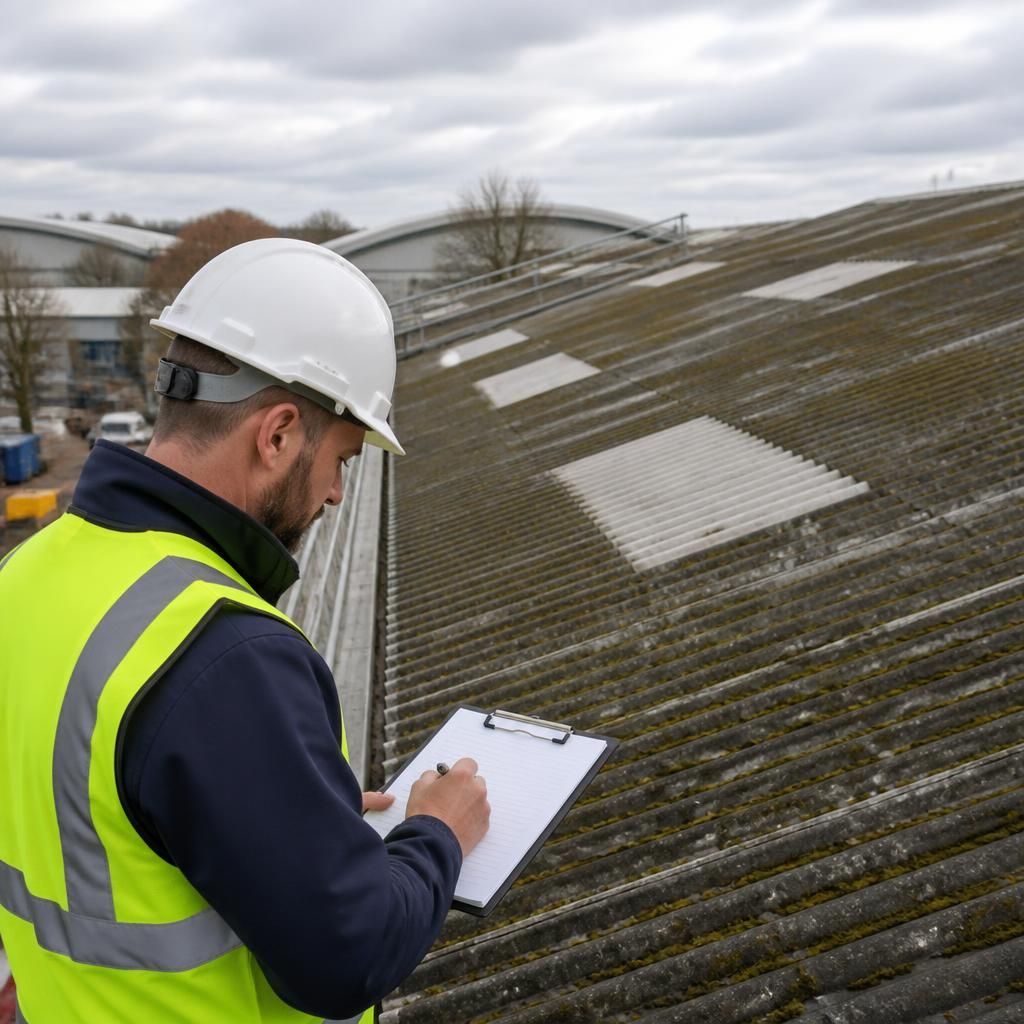
A suitable moss removal company should inspect the roof before recommending a cleaning method or providing a final quotation. The inspection should identify the tile material, pitch, age, weathering, loose or cracked tiles, roof lights, flashings, gutters and areas of existing water ingress. It should also assess access requirements and potential risks to walls, glazing, vehicles, planting and drainage systems.
Ask for the findings and proposed method in writing. A responsible contractor will explain why scraping, low-pressure cleaning, steam cleaning or treatment is appropriate for the roof, how debris and run-off will be controlled, and which repairs are outside the cleaning scope. This provides a more reliable basis for comparing quotations than choosing the lowest headline price.
Arrange a Roof Inspection and Moss Removal Quote
Arrange a roof inspection and moss removal quotation so the tile condition, access requirements, cleaning method and property protection measures can be assessed before work begins. We will provide clear recommendations and explain any repairs, waste controls or follow-up maintenance required.