
How does the age and condition of my roof affect the choice of moss removal method?
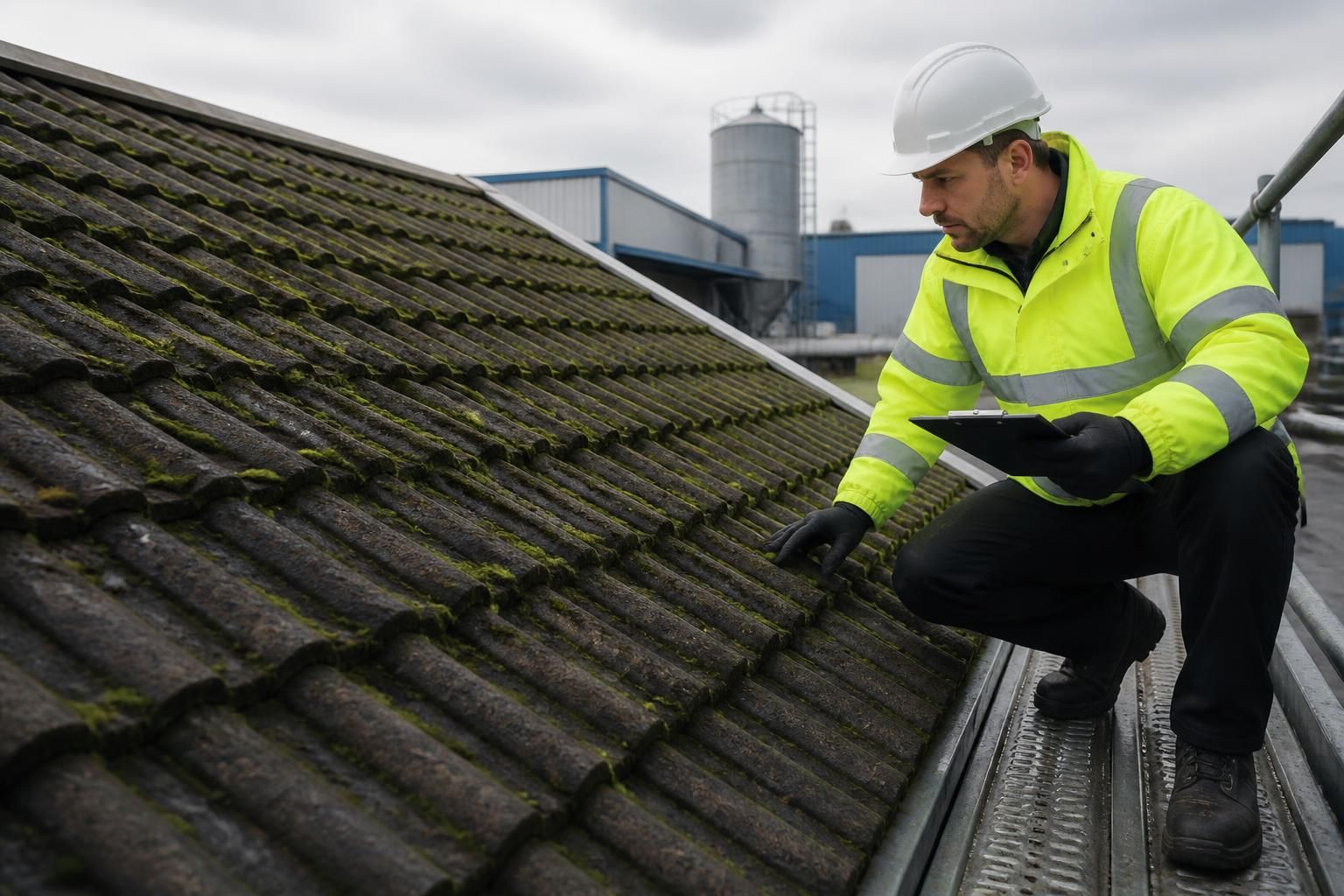
The age and condition of your roof determine how much cleaning pressure and treatment it can safely tolerate. Newer, sound tiles may withstand careful mechanical removal or low-pressure cleaning, while older, brittle, cracked or previously damaged tiles usually require gentler methods, such as soft brushing and a suitable biocidal treatment, with repairs considered first.
The age and condition of your roof determine how much physical cleaning, water pressure and treatment it can safely tolerate. Newer, sound tiles may be suitable for controlled mechanical removal or low-pressure cleaning, whereas older, brittle, cracked or previously damaged coverings usually need a gentler approach, such as soft brushing and a compatible biocidal treatment. Any defects should be assessed and addressed before moss is removed.
Roof age is an indicator, not the only deciding factor. A relatively old roof can remain in good condition if its tiles, slates, fixings, flashings and mortar joints are sound. Conversely, a newer roof may already be vulnerable if it has suffered storm damage, poor installation, repeated pressure washing or prolonged moisture retention. The method should therefore be selected after inspecting the actual surface rather than relying on its installation date alone.
Before recommending a cleaning method, the roof should be assessed for:
- Cracked, slipped, loose or broken tiles and slates
- Surface erosion, flaking, delamination or exposed aggregate on concrete tiles
- Friable or missing mortar at ridges, verges and abutments
- Damaged flashings, roof membranes, vents and rainwater goods
- Existing coatings, sealants, paint or previous cleaning treatments
- Areas where moss has lifted tiles, blocked drainage channels or retained moisture
- The roof pitch, access requirements and the condition of supporting structures
Newer roofs in sound condition generally provide more options, but they should not automatically be subjected to aggressive cleaning. A carefully controlled low-pressure rinse may be appropriate for some concrete or clay tiles where the manufacturer’s guidance allows it. Manual scraping or brushing can be used to remove established moss, followed by a suitable treatment to deal with remaining spores and regrowth. Even on a newer roof, excessive pressure can drive water beneath laps, damage coatings and loosen pointing.
Older roofs require greater caution. With age, tiles and slates may become more porous, brittle or weakened by repeated wetting and drying. Concrete tiles can lose their surface finish and aggregate, while clay tiles may be more prone to cracking or edge damage. Older mortar joints may also be loose. In these circumstances, forceful scraping, stiff mechanical brushing or pressure washing can turn minor wear into leaks or dislodged coverings. Gentle hand removal, soft brushing and a compatible biocidal treatment are often more appropriate, provided the roof is safe to access and the covering is stable.
Where the roof is fragile but requires more than light brushing, a specialist steam-cleaning process may be considered. Steam can reduce the need for high water pressure and may be useful where a controlled treatment is required. It is not suitable for every roof, however. Heat, moisture and access equipment must be managed carefully around ageing membranes, sealants, flashings, coatings and vulnerable fittings. The cleaning contractor should confirm that the process is appropriate for the particular roof material and its condition.
Visible defects should be dealt with before cleaning. Moss can sometimes conceal cracked tiles, open joints and localised water damage. Removing it first may expose the problem, but continuing with a full clean before repairs can increase the risk of water ingress or further movement. A sensible sequence is to inspect the roof, record defects, complete necessary repairs where practicable, and then clean using the least aggressive effective method.
Mechanical removal is not always the best first step on an ageing roof. Pulling large moss growths from between overlapping tiles can lift or shift them, particularly where fixings have deteriorated. It can also disturb ridge and verge mortar. Where growth is firmly attached, it may be safer to reduce it gradually with hand tools and soft brushes rather than attempting to strip the surface quickly.
The roof material also affects the decision. Clay and concrete tiles, natural slate, fibre-cement products and coated systems have different tolerances. Natural slate can split if struck or levered incorrectly. Coated concrete tiles may lose their finish through abrasive cleaning. Fibre-cement products may be damaged by unsuitable pressure or methods that release hazardous dust, particularly on older materials. The cleaning plan should account for the manufacturer’s instructions, the roof’s construction and any relevant material-specific risks.
A biocidal treatment can be useful when the roof is too delicate for intensive mechanical cleaning or when the objective is to control remaining organic growth after physical removal. The product must be suitable for the roof covering and applied in accordance with its instructions. It should not be allowed to enter ponds, watercourses, planted areas or drainage systems without appropriate controls. Run-off, weather conditions and protection of surrounding surfaces should be planned before application.
For roofs with uncertain age or condition, a competent contractor should carry out a close visual inspection from a safe position before selecting the method. A small test area can help establish whether tiles shed their coating, whether the surface is stable and how much pressure or brushing is required. The test should be representative of the roof and monitored for damage rather than treated as proof that every area will respond identically.
Access arrangements are particularly important on older roofs. Walking directly on fragile tiles or slates can cause damage even when no cleaning equipment is being used. Suitable access equipment, edge protection and a method of distributing weight may be needed. If the roof is unsafe to traverse, cleaning may need to be completed from a platform, scaffold or other controlled position, or postponed until repairs are undertaken.
After cleaning, the roof and rainwater system should be checked for displaced coverings, damaged mortar, blocked gutters and any signs that water has entered beneath the tiles. Moss removal does not repair an ageing roof, and a biocidal treatment cannot correct defective flashings, failed pointing or damaged tiles. Periodic inspections and prompt removal of new growth can help prevent heavy build-up, but the maintenance interval should reflect the roof’s exposure, shading, moisture levels and condition.
In practical terms, the safest choice is usually the least aggressive method that removes the growth effectively without compromising the covering. A sound newer roof may tolerate controlled low-pressure or mechanical cleaning after testing. An older or delicate roof is more likely to require manual removal, soft brushing, steam or a compatible treatment, with repairs and environmental controls built into the work. If the roof has widespread damage, significant movement or uncertain structural stability, cleaning should wait until a suitable roofing professional has assessed it.
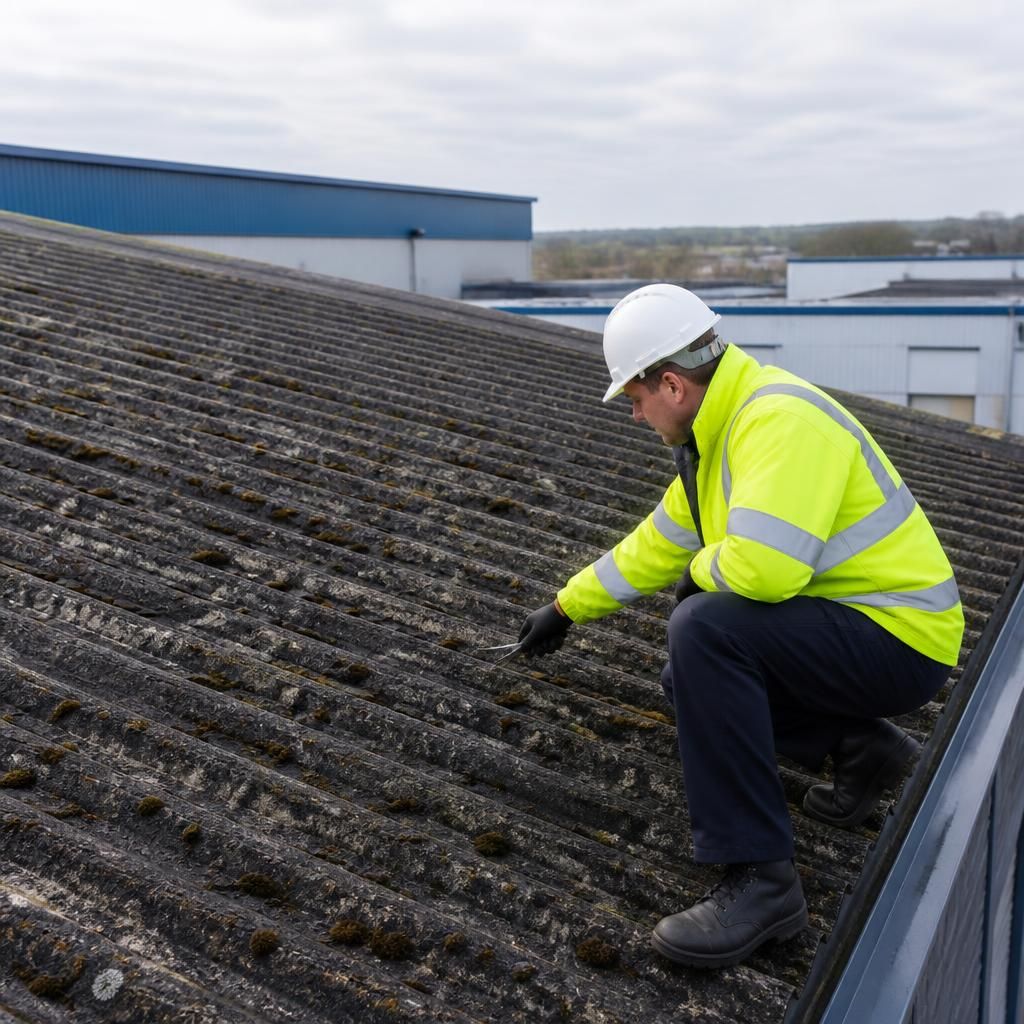
The roof’s condition, rather than its age alone, should determine the moss removal method. Sound tiles may tolerate carefully controlled cleaning, while cracked, porous, loose or previously damaged coverings usually require manual removal, soft brushing or a compatible treatment.
Before work begins, the roof should be checked for slipped tiles, deteriorated mortar, damaged flashings and areas where moss has lifted the covering. Repairs may be needed first, as pressure washing or forceful scraping can worsen existing defects and allow water beneath the tiles. The safest approach is the least aggressive method that removes the growth effectively without compromising the roof.