
How does moss impact the structural integrity of roof tiles?
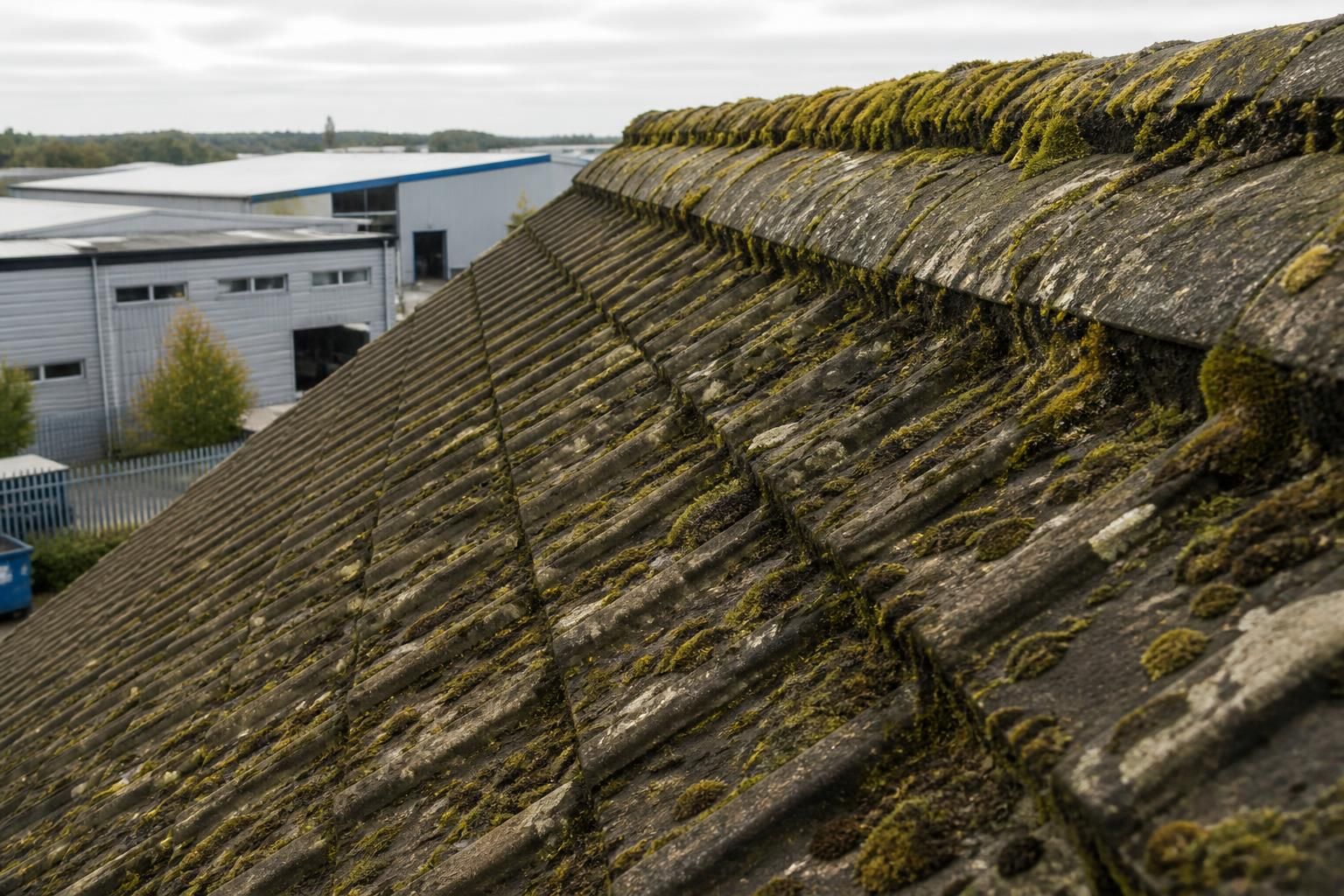
Moss can compromise roof tiles over time by retaining moisture against the surface, allowing repeated freeze–thaw cycles to cause cracking, spalling and surface deterioration. Its growth can also obstruct drainage, lift or displace tiles, and increase the risk of moisture reaching the underlay, battens and roof structure, particularly where the roof is already aged or damaged.
Moss can reduce the serviceable life of roof tiles mainly by holding moisture against them, obstructing drainage and contributing to tile movement. On an otherwise sound roof, moss does not usually cause immediate structural failure by itself. However, persistent growth can accelerate surface deterioration and allow water to reach the underlay, battens and supporting roof timbers, particularly where tiles are porous, cracked, loose or already near the end of their life.
Moss is a moisture-retaining plant. Instead of allowing rainwater to run freely from the tile surface, a dense layer keeps the tile damp for longer. This increases the time available for water to enter small pores, surface defects and damaged edges. Clay and concrete tiles can both be affected, although their vulnerability depends on their age, condition, porosity, exposure and the quality of previous repairs.
Repeated freezing and thawing is one of the more significant risks. If retained water freezes inside pores or small cracks, it expands and creates pressure within the tile. Repeated cycles can lead to surface flaking, spalling, cracking and gradual loss of material. Frost damage is more likely on exposed roofs and on tiles that have already absorbed water, weathered heavily or suffered impact damage.
Moss can also affect the way water leaves the roof. It may accumulate along tile laps, in valleys, around abutments and beside gutters. These areas are designed to channel water away, so blockage or restricted flow can cause water to track sideways or back up beneath overlapping tiles. The resulting moisture may affect the underlay and timber components even when the visible tile damage appears minor.
Growth can contribute to tiles becoming raised, displaced or broken. Moss itself does not normally exert enough force to lift a properly fixed tile, but it can develop around loose tiles, retaining clips and damaged edges. As the growth thickens, it can make movement more likely and conceal the original defect. Wind-driven rain can then enter through gaps, while wind uplift may worsen an already insecure section.
On older roofs, the greater structural concern is often the chain of damage below the tile covering:
- Moisture retained by moss reaches cracks, laps and vulnerable junctions.
- Underlay becomes damp, deteriorated or unable to shed water effectively.
- Roof battens may soften or decay where they remain wet for prolonged periods.
- Fixings can corrode or lose their holding strength.
- Rafters and other supporting timbers may be affected if leaks continue unnoticed.
A layer of wet moss adds some weight to the roof, but this is rarely the primary structural issue on its own. The more important concern is that moss can hide defects and prolong damp conditions. If growth is thick, widespread or concentrated in drainage channels, it should be treated as an indication that the roof needs closer assessment rather than simply as a cosmetic problem.
Warning signs that moss may already be affecting the roof include cracked or flaking tiles, tiles that have slipped or become uneven, blocked gutters, persistent dampness in the loft, water staining, damaged underlay, decayed battens and moss appearing inside the roof space. Moss growing from joints or beneath tile edges can also indicate that moisture is being retained where it should not be.
The appropriate response depends on the roof’s construction and condition. A roof with sound, well-fixed tiles may only require controlled moss removal followed by inspection and clearance of gutters and drainage points. A roof with brittle tiles, damaged mortar, failing fixings or signs of leakage may need repairs before cleaning. Removing moss without addressing the underlying defect can expose the problem without resolving it.
Cleaning technique matters because aggressive work can cause more damage than the moss itself. High-pressure washing may force water beneath laps, remove the weathered surface of older tiles, loosen fragile coverings or damage pointing and flashing. Manual removal, controlled low-pressure rinsing or steam cleaning may be more appropriate, depending on the tile material, access, condition and surrounding surfaces. Any treatment should be selected after checking how the roof is constructed and how water is meant to drain from it.
Professional assessment is particularly advisable where the roof is steep, difficult to access, heavily moss-covered, visibly damaged or connected to commercial premises where leaks could disrupt occupants, stock or equipment. An experienced contractor can distinguish surface moss from signs of tile failure, identify vulnerable roof details and recommend whether cleaning, repairs or replacement should come first. This helps protect the roof covering and reduces the risk of transferring damage to the underlay and supporting structure.
In summary, moss usually compromises roof integrity indirectly rather than weakening a sound tile immediately. By retaining moisture, increasing frost exposure, restricting drainage and concealing movement or damage, it can shorten the life of the roof covering and contribute to decay beneath it. Prompt inspection and a suitable, non-destructive removal method are the safest ways to prevent a maintenance issue from developing into a structural repair problem.
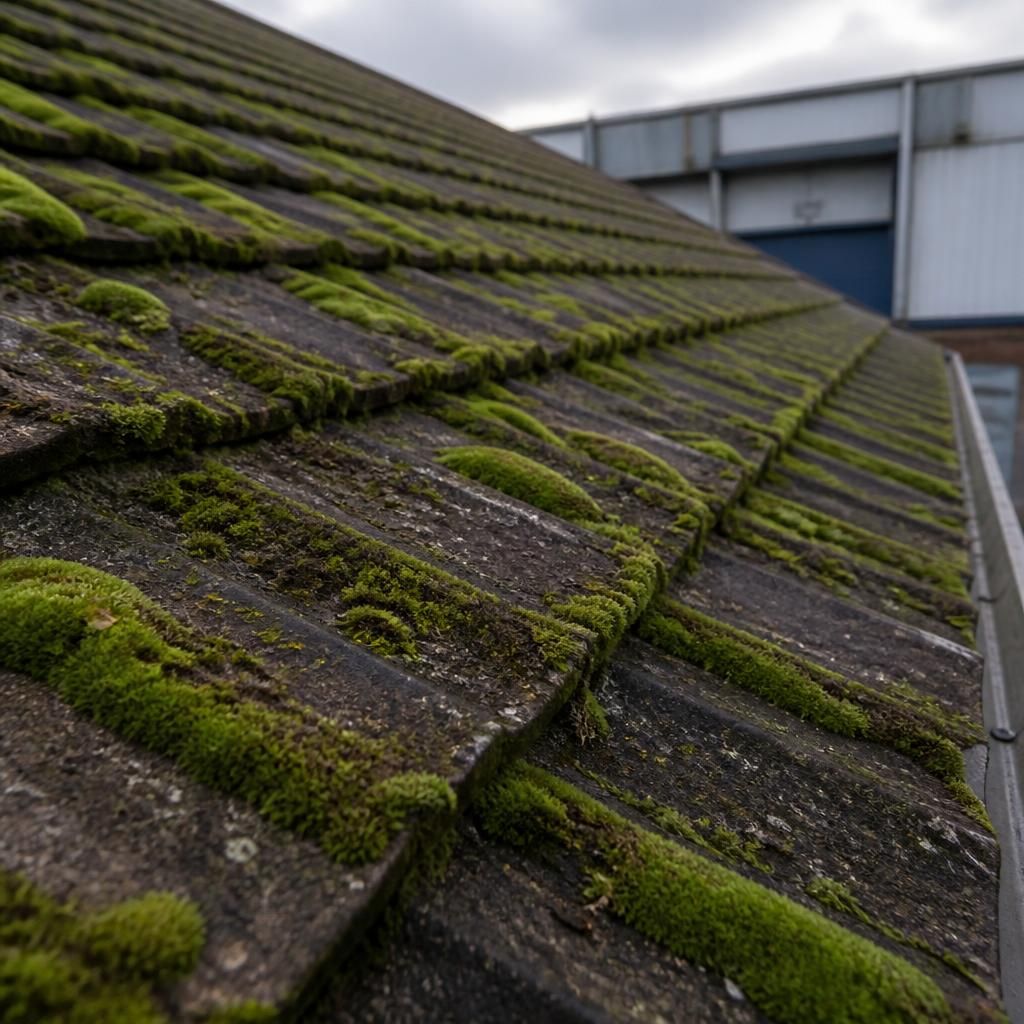
Moss can damage roof tiles by retaining moisture against their surface, increasing the risk of frost-related cracking, flaking and gradual deterioration. Water held in pores or existing hairline defects expands when it freezes, then contracts as it thaws. Repeated freeze–thaw cycles can weaken the tile, particularly where it is already aged, porous or damaged.
This moisture can also collect around tile laps, valleys and drainage channels, restricting the intended flow of rainwater. If water tracks beneath the tiles, it may affect the underlay, battens and roof timbers. Removing moss with a controlled method and checking for cracked, loose or displaced tiles helps prevent a surface maintenance issue from developing into concealed roof damage.
Book a Professional Roof Tile Moss Assessment
Book a professional roof tile moss assessment to identify retained moisture, cracked or displaced tiles, blocked drainage and any signs of damage beneath the covering. We can then advise whether controlled moss removal, repairs or further inspection is the most suitable next step.