
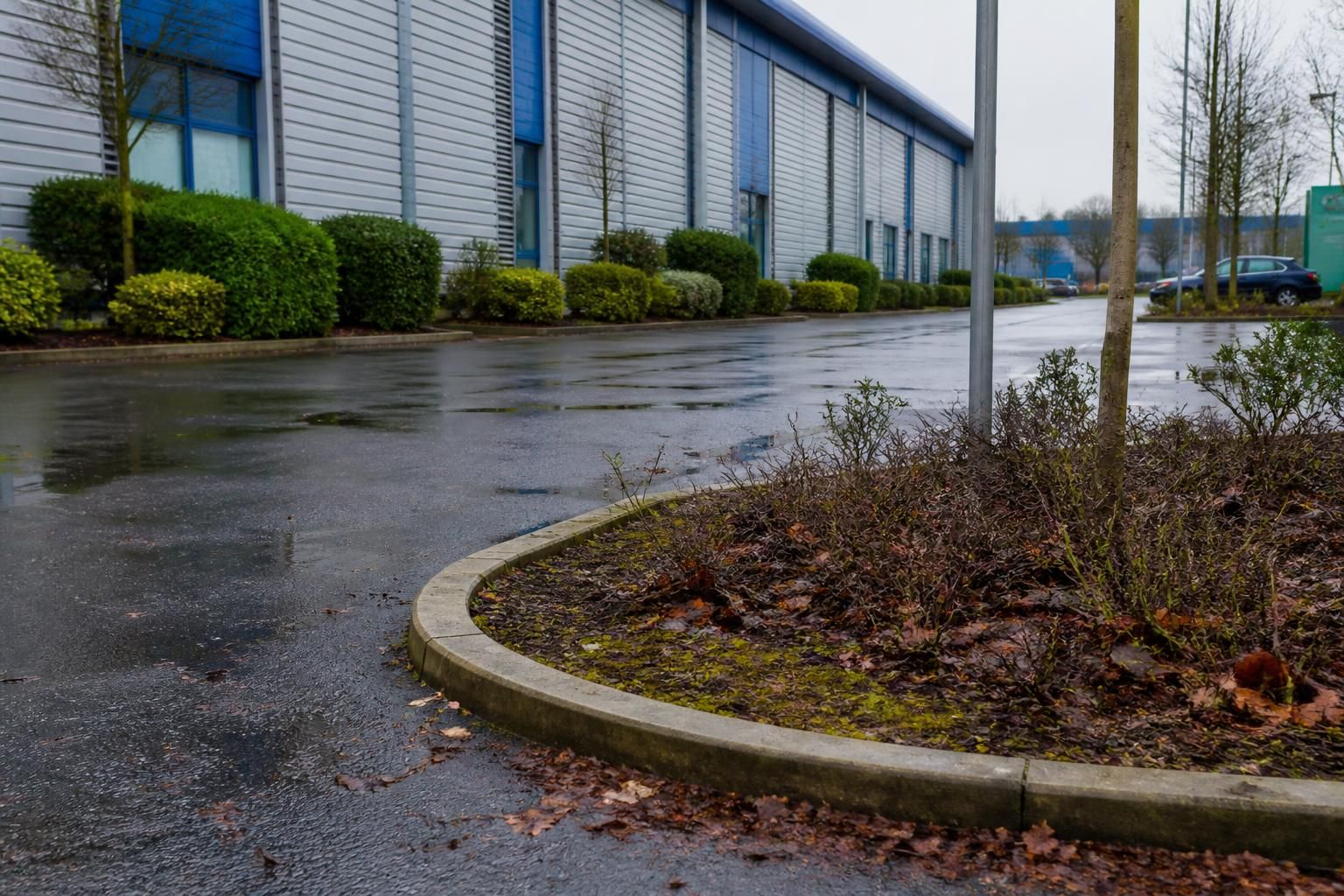
What maintenance strategies can be implemented post-moss removal to prevent its regrowth on tarmac surfaces?
After moss removal, prevent regrowth on tarmac by keeping the surface swept and free of organic debris, improving drainage, reducing persistent shade and moisture where possible, and carrying out regular inspections. Promptly treat early growth with a suitable approved biocidal solution and schedule periodic professional cleaning, using methods that protect the tarmac and surrounding environment.
Preventing moss regrowth on tarmac depends on controlling the conditions that support it: persistent moisture, shade, organic debris, poor drainage and low surface disturbance. After removal, the most effective maintenance plan combines thorough cleaning, regular sweeping, improved water management, prompt treatment of early growth and periodic professional inspection.
Remove residues and establish a clean surface
Once moss has been removed, the tarmac should be rinsed or otherwise cleared of loose fragments, soil and organic residue. Remaining material can retain moisture and provide a base for new growth. Cleaning should be carried out using a method appropriate to the condition of the surface, avoiding excessive pressure that could loosen aggregate or damage ageing areas.
Where a biocidal treatment is suitable, it can be applied after physical cleaning to deal with remaining spores and microscopic growth. The product must be approved for the intended use and applied in accordance with its label, including requirements for dilution, contact time, personal protective equipment and protection of drains, planted areas and watercourses. Biocidal treatment is a preventative part of the maintenance process, not a replacement for removing heavy moss and the debris beneath it.
Keep the tarmac free from organic debris
Leaves, soil, grass cuttings and other organic matter should be swept from the surface routinely. These materials hold water against the tarmac and gradually create a nutrient-rich layer in which moss, algae and weeds can establish. Pay particular attention to edges, kerbs, joints, channels, gullies, corners and areas beneath trees, where debris commonly accumulates.
- Use suitable mechanical sweeping equipment or soft-bristled tools that will not scuff the surface.
- Clear arisings rather than pushing them into drainage channels or adjacent planting beds.
- Include pedestrian routes, loading areas, car parks and seldom-used sections in the cleaning schedule.
- Increase sweeping when leaf fall, construction activity or nearby landscaping creates additional debris.
Improve drainage and reduce standing water
Moss is more likely to return where water remains on the tarmac. Check that gullies, channels and drainage outlets are clear, and investigate ponding rather than repeatedly treating the visible growth. Blocked drainage, damaged edges, uneven surfaces and defective falls may need attention from the relevant maintenance contractor or site manager.
Water from downpipes, wash-down areas or irrigation systems should not be allowed to discharge continuously across the tarmac. Redirecting uncontrolled flows and repairing leaks can reduce the dampness that encourages regrowth. Drainage work should be planned carefully so that contaminated wash water and treatment residues do not enter surface-water systems.
Manage shade and moisture where practical
Dense vegetation, overhanging branches, buildings and stored materials can prevent the surface drying. Pruning suitable vegetation, clearing encroaching growth and keeping materials off the tarmac can improve airflow and sunlight. Any pruning or vegetation removal should be undertaken responsibly, taking account of nesting wildlife, site restrictions and the condition of nearby structures.
It is not always possible to remove shade, particularly in enclosed yards, access routes and areas beside buildings. In these locations, the maintenance plan should place greater emphasis on debris removal, drainage checks, inspection and early spot treatment.
Inspect regularly and treat early growth
Early moss or algae is easier to manage than an established covering with a deep layer of organic material. Inspections should look for green discolouration, slippery films, isolated tufts, blocked drainage points and areas that remain damp after surrounding tarmac has dried. Record recurring locations so that the underlying cause can be addressed rather than treating the same symptom repeatedly.
Small areas can often be dealt with using a compatible approved treatment and gentle cleaning, provided the product, method and runoff controls are suitable for the site. Avoid allowing moss to become heavily established before arranging remedial work, particularly on pedestrian routes, ramps, entrances and vehicle access areas where surface contamination can increase slip or traction risks.
Use a planned professional cleaning cycle
A programmed inspection and cleaning schedule is generally more effective than reactive work after the surface has become heavily overgrown. The appropriate frequency depends on shade, drainage, surrounding vegetation, footfall, vehicle use, exposure and the purpose of the area. High-use commercial sites may need more frequent checks than open, well-drained areas exposed to sunlight.
Professional maintenance should include an assessment of the tarmac condition before cleaning. Older or weathered surfaces may require lower-impact pressure washing, steam cleaning or a controlled soft-washing approach rather than aggressive jetting. The method should remove contamination without stripping the surface, disturbing loose aggregate or forcing water into vulnerable edges and joints.
Consider compatible surface protection
In some situations, a suitable tarmac dressing or protective treatment may help reduce water penetration and make future cleaning easier. It should only be specified after checking compatibility with the existing surface, traffic levels, drainage and the manufacturer’s application requirements. A coating cannot correct ponding, poor housekeeping or excessive shade, and it should not be used to conceal a deteriorating surface.
Finally, maintenance activities should be documented. Keep records of inspections, blocked drains, recurring growth, treatments used, weather or site conditions and any repairs recommended. This provides a practical basis for adjusting the cleaning schedule and helps ensure that contractors follow consistent procedures for chemical handling, traffic control and environmental protection.
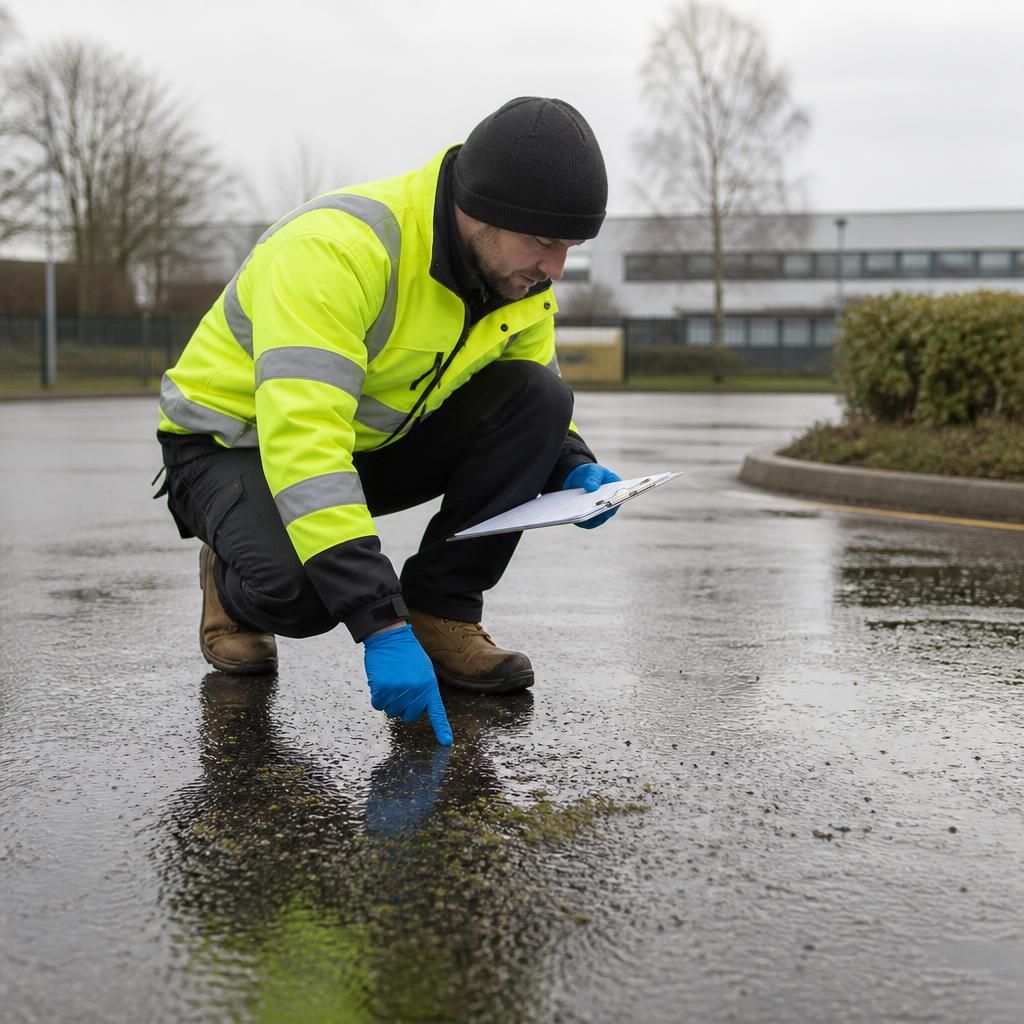
Regular inspections are one of the most effective ways to prevent moss returning to tarmac after cleaning. Early signs such as green discolouration, isolated tufts, slippery films or damp patches should be addressed before growth becomes established beneath a layer of soil and organic debris.
Inspections should also identify the conditions causing regrowth, including blocked gullies, standing water, overhanging vegetation and debris collecting along kerbs or edges. Record recurring problem areas and arrange suitable spot treatment or remedial cleaning promptly, using an approved solution and runoff controls appropriate for the site.
Arrange a tarmac moss prevention assessment
Arrange a tarmac moss prevention assessment with Encanto Exterior Cleaning to identify drainage, debris, shade and surface-condition issues that could encourage regrowth. We can recommend a practical inspection, treatment and maintenance schedule suited to your site.