
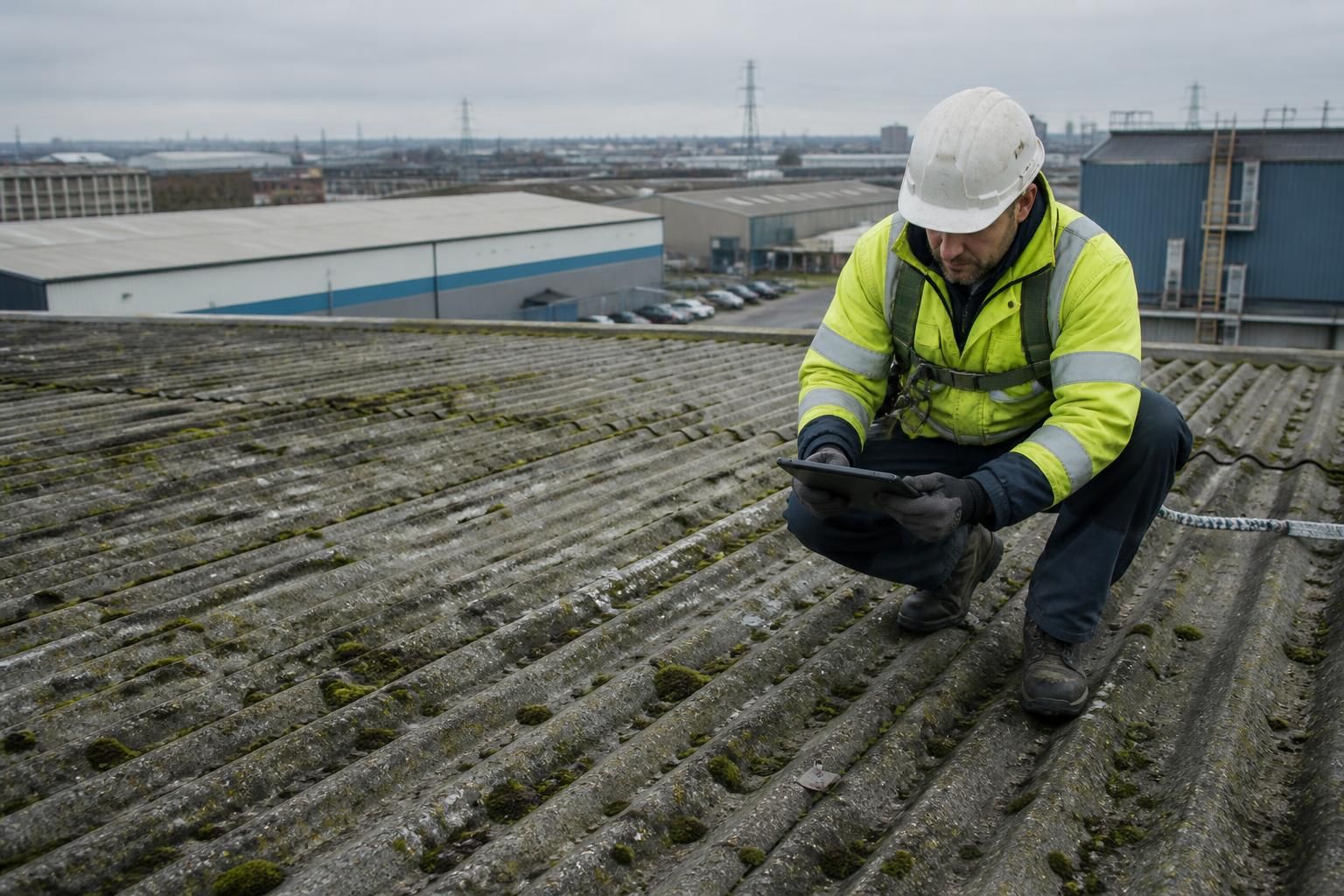
How do different roof conditions impact the selection of moss and algae removal techniques?
Roof material, condition, pitch, drainage and the extent of moss or algae growth determine whether manual removal, low-pressure cleaning, soft washing or a targeted biocidal treatment is most suitable. Fragile, weathered or heavily affected roofs require gentler methods and closer control to remove growth without damaging tiles, coatings, pointing or underlying surfaces.
The condition of a roof determines how aggressively moss and algae can be removed and which treatment is safe to use. Sound, well-bonded tiles may tolerate controlled low-pressure cleaning after loose growth has been removed, while aged, porous, cracked, coated or poorly maintained roofs usually require manual removal and a gentler soft wash or biocidal treatment. Material, roof pitch, drainage, access and the depth of the growth must all be assessed together before work begins.
Roof material and surface finish
Different roofing materials respond differently to moisture, pressure, agitation and cleaning products. Concrete tiles are generally robust, but weathering can make their surface porous and friable. Clay tiles may be strong but can crack if they are brittle, displaced or subjected to unsuitable pressure. Slate is more vulnerable to breakage, delamination and movement, particularly where fixings have deteriorated, so foot traffic and pressure washing may be inappropriate.
Coated, painted or factory-finished tiles need particular care. Excessive pressure or an unsuitable chemical can strip the finish, expose the substrate or create an uneven appearance. Metal roofing, membranes and profiled sheets also require a method compatible with the coating and the joints. On these surfaces, a controlled application of a suitable treatment may be preferable to abrasive cleaning.
Where the roof material is uncertain, its finish has deteriorated or previous cleaning has left damage, the method should be based on a close inspection rather than a standard package. Small test areas can help establish how the surface responds before wider treatment is undertaken.
Age, weathering and structural condition
A roof that is structurally sound and well maintained offers more flexibility than one with failing pointing, loose ridge tiles, damaged underlay or deteriorated fixings. Moss can conceal cracked tiles and blocked drainage channels, so removing it may reveal defects that need attention before cleaning continues.
Weathered surfaces often hold more moisture and have a weaker outer layer. Mechanical scraping or high-pressure washing can remove part of the tile surface along with the growth. On a fragile roof, the safer approach is usually to remove accessible moss by hand, collect the debris, and apply a suitable treatment to deal with remaining spores and staining. Cleaning should not be used as a substitute for roof repairs, and damaged areas should be reported before they are disturbed.
Depth and distribution of moss, algae and lichen
Light algae or surface discolouration can often be treated with a controlled soft wash or biocidal application, particularly where there is no substantial build-up. This avoids unnecessary agitation and allows the treatment to work on the growth without placing avoidable stress on the roof.
Thick moss forms a different problem. It can retain water, lift at tile laps, obstruct gutters and conceal the condition of the roof beneath it. Loose growth is normally removed manually or with carefully controlled tools before a follow-up treatment is considered. Trying to wash a heavy moss layer away in one operation can spread debris into gutters and downpipes and may drive water beneath tile edges.
Lichen can be more firmly attached than ordinary moss, while algae may create broad areas of staining without a raised growth layer. These conditions affect the balance between physical removal and chemical treatment. Firm scraping is not automatically the best answer: on delicate surfaces it may cause more damage than the lichen itself. A treatment-led process, with time allowed for the growth to loosen and weather away, may be more appropriate.
Roof pitch, access and drainage
Steep roofs increase the risk of slipping and make direct access more difficult. The cleaning method must therefore be planned alongside safe access equipment, edge protection and a suitable way of controlling hoses and runoff. A method that might be manageable on a shallow roof can be unsafe or impractical on a steep elevation.
Drainage is equally important. Moss, roof sediment and treatment residue can enter gutters, outlets and surface-water systems during cleaning. Before work starts, the drainage layout should be identified and vulnerable outlets protected where appropriate. Gutters may need to be cleared during or after the work, and downpipes checked to prevent blockages. On large commercial or industrial sites, runoff controls may also be needed to protect entrances, planted areas, neighbouring surfaces and drainage systems.
Moisture retention, shade and exposure
Roof areas beneath trees, beside taller buildings and on shaded elevations often remain damp for longer. These conditions encourage moss and algae to return, even when the initial removal has been effective. A roof with persistent moisture may benefit from a treatment designed for ongoing control rather than aggressive one-off cleaning.
Wind exposure, rainfall, temperature and the condition of nearby vegetation also influence the process. Treatment products need suitable application conditions so they are not immediately diluted or carried beyond the intended area. Where weather conditions are unsuitable, rescheduling is preferable to applying a product that cannot work properly or controlling runoff safely.
How the main techniques are selected
- Manual removal: Best suited to thick moss, fragile tiles, areas around vulnerable details and roofs where pressure could cause damage. It provides close control but must be carried out without levering against tiles, flashings or ridge components.
- Low-pressure cleaning: May be appropriate for sound, durable surfaces where loose growth and residue need controlled rinsing. The pressure must remain suitable for the material, and the operator must avoid forcing water beneath laps, seals or flashings.
- Soft washing: Uses low-pressure application of a suitable cleaning or treatment solution. It is useful for algae, light moss staining and delicate surfaces where physical force should be limited. It still requires careful chemical selection, dwell-time control and thorough protection of surrounding areas.
- Biocidal treatment: Can be used after physical removal or as the principal method where the roof is too delicate for intensive cleaning. It targets remaining organic growth and can help reduce regrowth, but it is not a way to repair damaged tiles or remove every mark immediately.
Roof details and localised contamination
Valleys, abutments, verges, ridges, rooflights, leadwork and areas around plant or service equipment need separate consideration. Moss often accumulates where water moves slowly or debris settles, while algae may be concentrated on shaded elevations. These areas may need smaller tools, lower application rates or hand cleaning rather than the same method used across the main roof plane.
On commercial premises, roof-mounted equipment, solar panels, signage and neighbouring façades must also be protected. The cleaning plan should account for access restrictions, pedestrian routes, vehicles, stored materials and business operations. A controlled method is especially important where overspray or falling debris could create a safety or contamination issue.
Why a pre-cleaning inspection matters
An inspection establishes whether the roof can safely support the proposed work and identifies conditions that change the recommendation. This includes checking for loose or broken tiles, open joints, failed coatings, blocked gutters, water-sensitive details, previous repairs and signs of water ingress. The extent of moss and algae should be recorded separately from underlying roof defects, because cleaning may expose rather than cause those problems.
The inspection should also consider safe access, the surrounding ground, drainage arrangements and the likely destination of removed material. For larger or complex roofs, separate areas may require different techniques. There is no requirement for every elevation or material on a site to be cleaned in exactly the same way.
Choosing the safest effective approach
The correct method is the least aggressive option that can achieve the required result without compromising the roof or surrounding property. A robust roof with limited growth may need controlled cleaning, whereas a fragile or heavily weathered roof is better served by manual removal and treatment. Where moss has lifted tiles, blocked drainage or exposed defects, the priority is to make the area safe and report the repair requirement rather than simply increase cleaning pressure.
After removal, the roof should be reviewed for remaining growth, displaced debris and drainage performance. A suitable preventative treatment, improved gutter maintenance and attention to overhanging vegetation can help reduce regrowth, although shaded or persistently damp roofs will usually need more frequent monitoring. Matching the technique to the actual roof condition gives a cleaner result while protecting the surface, reducing avoidable disruption and supporting the roof’s ongoing maintenance.
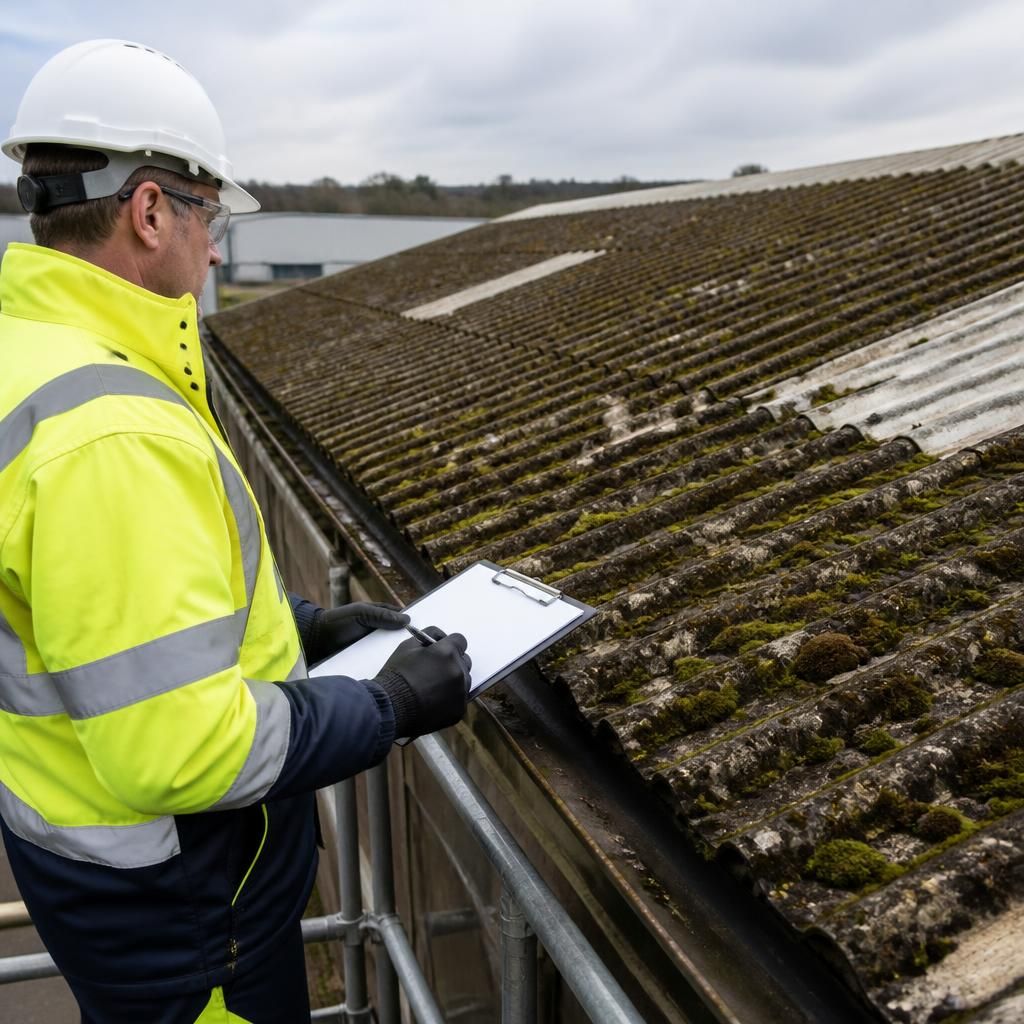
Roof condition determines how moss and algae should be removed. Sound, durable tiles may tolerate controlled low-pressure rinsing, while cracked, porous, weathered or coated surfaces usually require manual removal followed by a gentle soft wash or biocidal treatment.
A pre-cleaning inspection identifies loose tiles, failing pointing, exposed fixings, blocked drainage and areas where moss has lifted the surface. This allows the cleaning method to be adjusted for vulnerable sections, reducing the risk of forcing water beneath tile laps, damaging finishes or disturbing fragile roof details.