
What is the impact of roof cleaning on energy efficiency and insulation?
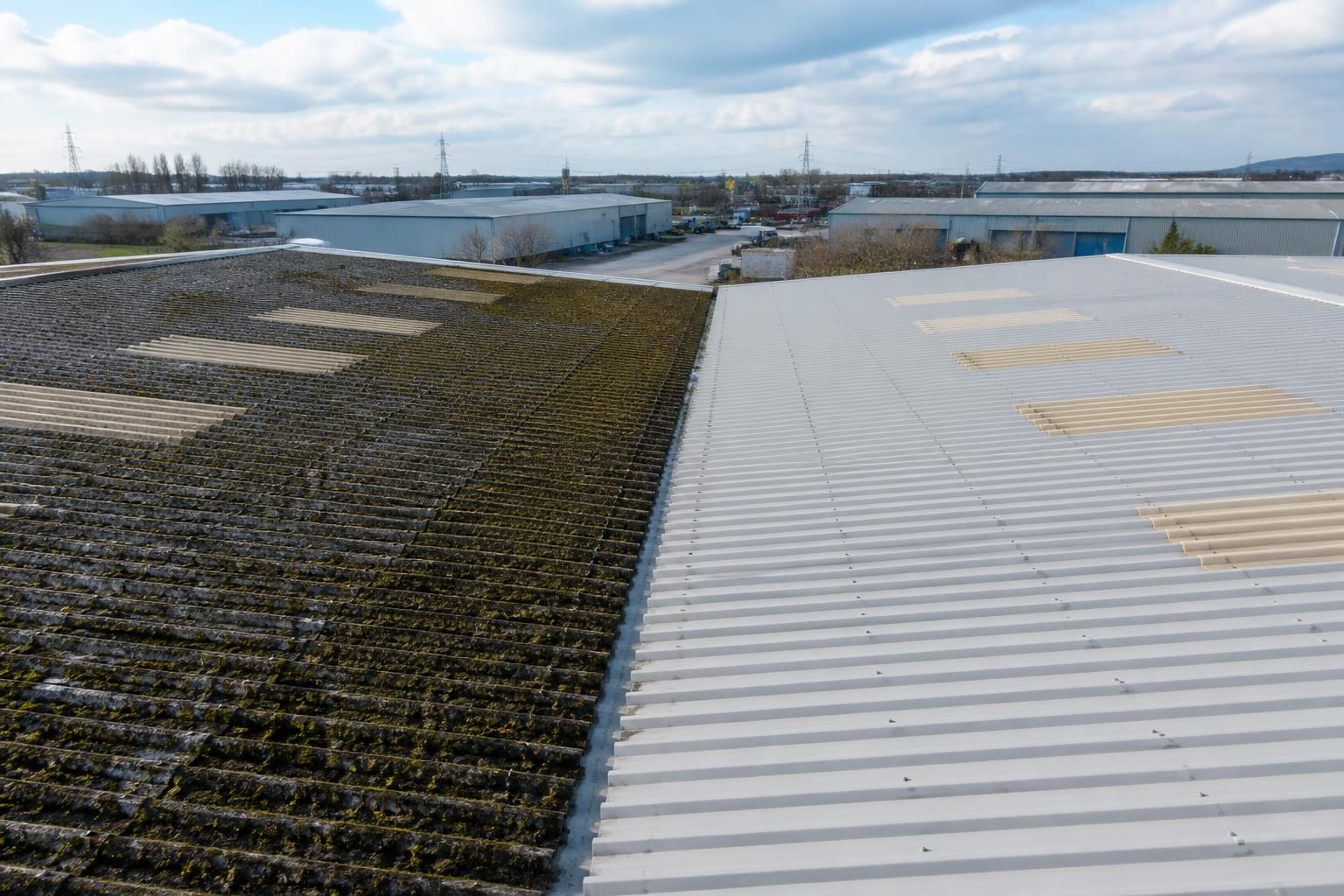
Professional roof cleaning can support energy efficiency by removing moss, algae and debris that retain moisture, obstruct drainage and contribute to roof deterioration. It does not replace or significantly upgrade insulation, but by helping keep the roof dry and watertight, it can protect insulation performance and reduce the risk of heat loss caused by dampness.
Professional roof cleaning can support energy efficiency by keeping roofing materials, drainage routes and insulation-drying conditions in better working order. Removing moss, algae, leaf debris and other organic growth helps limit moisture retention and reduces the risk of leaks, blocked outlets and damp insulation. However, roof cleaning does not replace insulation or materially improve a roof’s designed thermal performance on its own; its main energy benefit is protecting the condition and effectiveness of the existing roof system.
Moss and organic debris can hold water against tiles, slates, membranes and roof coverings for prolonged periods. This persistent dampness increases the likelihood of deterioration, displaced coverings and failed joints or flashings. Where water reaches the roof build-up, it can wet insulation and adjacent structural materials. Damp insulation generally performs less effectively than dry insulation, while trapped moisture can also contribute to mould, decay and corrosion. Cleaning helps remove one of the conditions that can lead to these problems, although any existing leak or moisture damage must be repaired separately.
The effect on insulation depends on the type of roof and the location of the insulation. In a pitched roof, insulation may be installed at ceiling level or along the roof slope. In a flat roof, it is commonly incorporated within a layered system above or below the deck. If cleaning prevents water entering these layers, it can help preserve their intended performance. If insulation is already saturated, compressed, contaminated or deteriorated, cleaning the roof surface alone will not restore it. A survey may be needed to identify dampness and determine whether remedial work is required.
Roof cleaning can also support the performance of the wider building envelope. Blocked gutters, valleys, outlets and rainwater goods allow water to overflow onto walls, eaves and insulation zones. On commercial premises, this can lead to damp internal finishes, damage around roof plant and increased maintenance requirements. Clearing roof-level debris and checking drainage routes helps water leave the building as designed, reducing the risk of moisture-related heat loss and defects.
On some roofs, heavy growth and accumulated debris can affect the surface condition and, in limited circumstances, the roof’s response to solar heat. A clean, sound covering may dry more quickly and avoid the uneven surface contamination that can interfere with normal weathering. This is usually a secondary consideration in the UK, where the larger energy-related concern is preventing water ingress and preserving the roof and insulation system. Claims of substantial reductions in heating or cooling costs should therefore be treated cautiously unless supported by a building-specific assessment.
The relationship between cleaning and energy efficiency is particularly relevant where the roof protects heated or temperature-controlled areas, such as warehouses, offices, schools, retail premises and industrial units. A sound, dry roof helps maintain the separation between internal conditions and the external environment. It can also reduce the risk of unplanned repairs, internal disruption and replacement of damaged insulation. These are asset-protection benefits as well as energy-efficiency considerations.
Our assessment considers the roof covering, age and condition of the system, extent of moss or biological growth, drainage arrangement and access requirements before selecting a cleaning method. The process must be appropriate for the material and construction. Excessive pressure, unsuitable chemicals or careless removal of growth can damage tiles, coatings, membranes, sealants and flashings, potentially creating the very moisture problems that cleaning is intended to prevent. Low-pressure, steam or biocidal approaches may be more suitable than aggressive pressure washing, depending on the roof and the condition of the surface.
Roof cleaning should form part of a broader maintenance plan rather than being treated as an insulation upgrade. The most useful complementary checks include:
- Inspecting roof coverings, flashings, penetrations, joints and seals for signs of water entry.
- Checking gutters, valleys, outlets and downpipes for blockages or restricted flow.
- Looking for staining, damp patches, condensation or unusual odours inside the building.
- Reviewing insulation condition where there has been a known leak or prolonged moisture exposure.
- Checking roof ventilation, particularly in pitched roof voids where inadequate airflow can increase condensation risk.
- Recording defects and arranging repairs before or alongside cleaning, rather than allowing damaged areas to remain exposed.
For facilities teams and property managers, the practical conclusion is that roof cleaning can help maintain energy performance indirectly by protecting a dry, weather-resistant roof and reducing the conditions that damage insulation. It should not be used to justify postponing insulation improvements, repairing failed roof components or addressing poor ventilation. Where energy use is a concern, cleaning can be combined with a roof condition survey, thermal assessment and review of insulation levels to identify the measures most likely to produce a meaningful improvement.
After cleaning, ongoing inspections are important because moss and debris can return where shading, overhanging vegetation, moisture or drainage issues remain. Keeping records of the roof condition, cleaning method and identified defects helps plan future maintenance and provides useful information when assessing changes in dampness, heating demand or repair requirements. This measured approach ensures that the energy and insulation benefits attributed to roof cleaning are realistic and linked to the actual condition of the building.
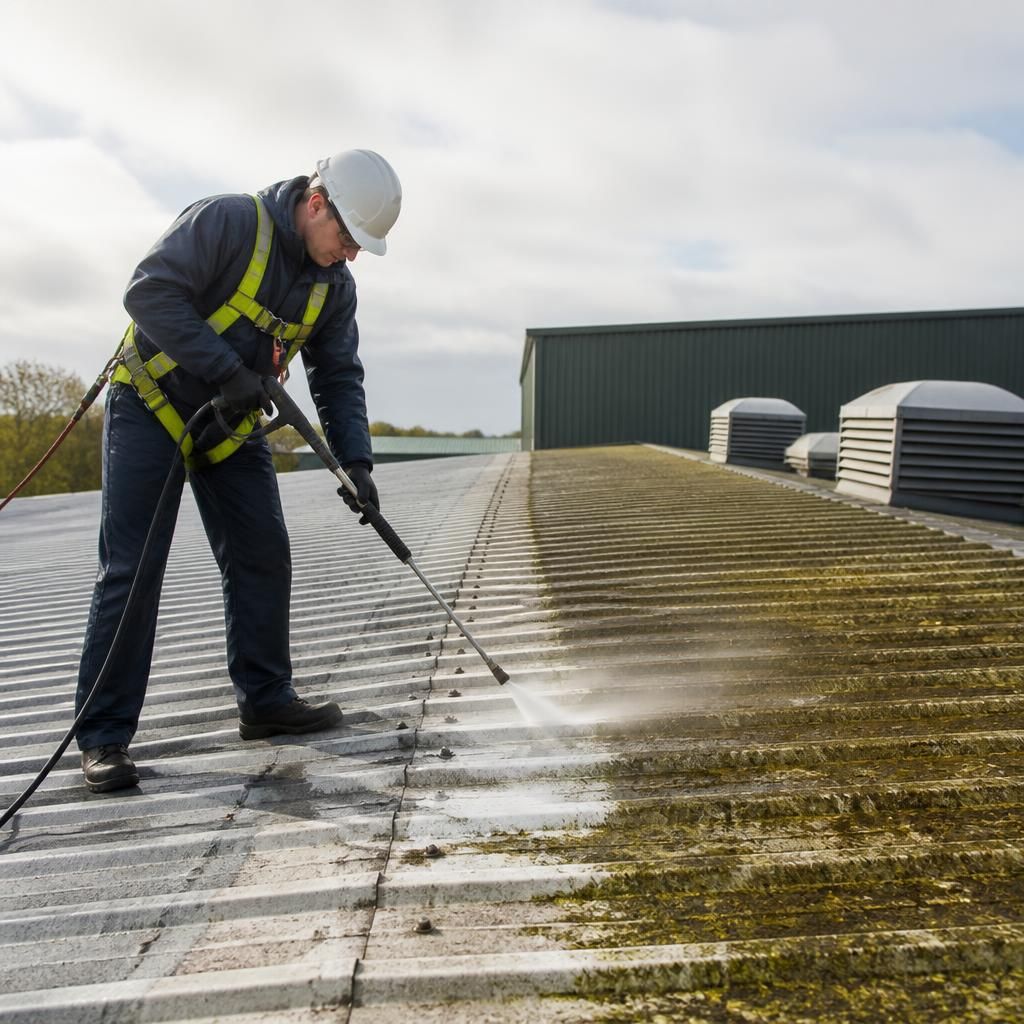
Roof cleaning can support energy efficiency indirectly by helping keep the roof covering, drainage routes and insulation dry. Moss, algae and debris retain moisture against roofing materials and may contribute to blocked gutters, overflowing outlets and water ingress. Removing these causes can help protect existing insulation from dampness, but cleaning does not upgrade insulation or correct underlying roof defects.
If insulation has already become wet, compressed or contaminated, cleaning the surface will not restore its thermal performance. A roof condition inspection should therefore check coverings, flashings, joints, drainage and internal signs of damp at the same time. Any leaks, condensation or ventilation problems should be addressed separately so the roof system can continue to provide effective protection for the building.