
What criteria should be considered when selecting equipment for temperature-sensitive roofing materials?
When selecting equipment for temperature-sensitive roofing materials, assess the roof’s heat tolerance, surface composition, condition and manufacturer’s cleaning guidance before choosing the water temperature, pressure, nozzle and accessories. Equipment should provide precise control, minimise thermal shock and prevent damage to membranes, coatings, sealants or insulation while still removing the required dirt, organic growth and residues.
Equipment for temperature-sensitive roofing materials should be selected according to the roof’s heat tolerance, membrane or coating composition, condition and manufacturer’s cleaning requirements. The chosen system must provide controlled temperature, pressure and flow, minimise thermal shock and avoid damage to membranes, sealants, insulation, fixings or protective finishes while still removing the identified contaminants.
Confirm the roofing system before choosing equipment. A roof should not be treated as a single generic surface. Temperature-sensitive materials may include single-ply membranes, coated metal, liquid-applied systems, insulated panels, bituminous coverings and ageing or repaired roof assemblies. Identify the membrane or coating type, its approximate age, previous treatments, vulnerable joints and any areas where the surface has lifted, cracked, blistered or become brittle. Manufacturer guidance, warranty conditions and the building’s maintenance records should take precedence over a standard cleaning method.
- Heat tolerance: Establish the maximum permitted water or surface temperature. Some materials can soften, distort or lose adhesion when exposed to excessive heat, while cold surfaces can be affected by sudden heating. Equipment should allow the operator to reduce and maintain temperature rather than delivering uncontrolled heat.
- Thermal shock control: Avoid applying very hot water to a cold roof or rapidly changing between hot and cold settings. A system with accurate temperature control and a gradual start-up procedure is preferable, particularly during colder weather or where the roof contains brittle coatings and aged sealants.
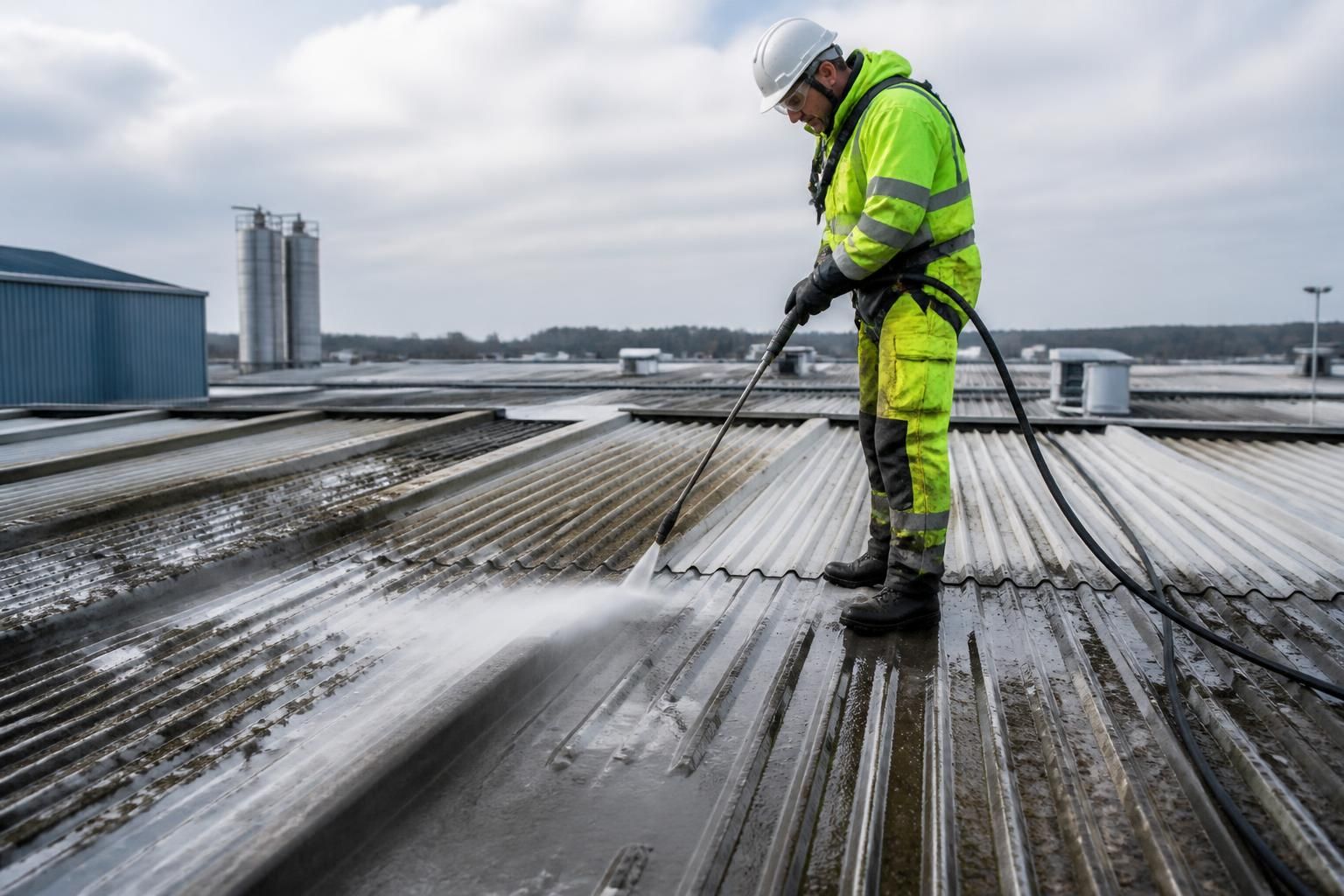
- Adjustable pressure and flow: Select equipment that allows pressure and water volume to be adjusted independently where possible. High pressure is not a substitute for effective cleaning chemistry or dwell time. Lower pressure, controlled flow and a suitable detergent may remove organic growth and surface soiling with less risk to the roof covering.
- Nozzle selection: Use nozzles that distribute water evenly and provide a controlled spray pattern. Avoid unsuitable narrow, rotating or concentrated jets on membranes, laps, flashings and sealant lines unless the roof system specifically permits them. The nozzle should be kept at a consistent distance and directed away from vulnerable edges.
- Cleaning method: Assess whether the work requires cold water, heated water, low-pressure washing, steam or a combination of methods. Steam can be useful for some residues, but its heat and low water volume do not make it automatically safe for every roof. On temperature-sensitive surfaces, a lower-temperature method with appropriate dwell time may be safer than relying on heat to loosen contamination.
- Chemical compatibility: Any detergent, biocide or treatment must be compatible with the membrane, coating, insulation, sealants and drainage system. Strong alkaline, acidic or solvent-based products can affect finishes and joints. Follow the product instructions, control run-off and prevent cleaning solutions from entering rainwater systems where this is not permitted.
- Water recovery and drainage: Equipment should support effective management of wash water, especially on roofs connected to sensitive drainage, rainwater harvesting or occupied areas. Controlled flow, collection equipment and suitable protection below the work area can reduce uncontrolled discharge and the risk of staining or contamination.
- Surface condition: A deteriorated roof needs gentler settings than a sound, recently installed system. Cleaning can expose existing defects, so inspect for loose laps, open seams, damaged flashings, failed mastic and exposed insulation before work begins. Cleaning should not proceed over defects that require repair unless the responsible roofing specialist has approved the method.
- Access and operator control: Choose equipment that can be used safely from the required access platform without excessive hose drag, unstable positioning or awkward handling. Long hoses, trigger guns and attachments should not force the operator to work close to roof edges or delicate details. Access arrangements must also prevent concentrated loads or equipment movement from damaging the covering.
- Monitoring and testing: The system should provide reliable control of pressure, temperature and flow, with gauges or settings that the operator can check during the work. Test the proposed method on an inconspicuous area and allow the surface to dry before assessing colour change, softening, blistering, coating loss, fibre release or seam movement. If the result is uncertain, stop and obtain further technical guidance.
Match the equipment to the contamination. Loose moss, algae and dirt may need brushing, scraping with a roof-safe tool or low-pressure rinsing rather than aggressive washing. Oil, atmospheric deposits, bird fouling and adhered residues may require a compatible cleaning solution and controlled agitation. Selecting the least aggressive effective method reduces the need for heat and pressure, which is particularly important on roofs with ageing membranes or decorative coatings.
Consider the complete system, not just the machine. Hoses, lance extensions, brushes, surface-cleaning attachments, chemical injectors and recovery equipment all affect the risk to a temperature-sensitive roof. A surface cleaner can improve consistency on a robust, even surface, but it may be unsuitable over laps, penetrations, uneven membranes or fragile coatings. Brushes and soft attachments may offer better control around details, provided they do not abrade the finish.
Weather and operating conditions also influence the selection. Direct sunlight can raise the roof surface temperature before cleaning, while cold weather can increase brittleness and make thermal shock more likely. Wind can carry spray and chemicals into sensitive areas, and rain can dilute treatments or prevent accurate assessment. Plan the work so that the roof remains within the approved temperature range and cleaned areas can be inspected before the site is handed back.
A suitable equipment specification should therefore record the roof type, permitted temperature range, maximum working pressure, preferred flow, nozzle or attachment, cleaning solution, run-off controls and testing procedure. Operators should follow the roof manufacturer’s instructions and the equipment manufacturer’s safe operating guidance, documenting any restrictions or areas excluded from cleaning. Where the material or warranty requirements cannot be confirmed, use a conservative low-impact method and seek advice from the roofing manufacturer or a qualified roofing professional before proceeding.
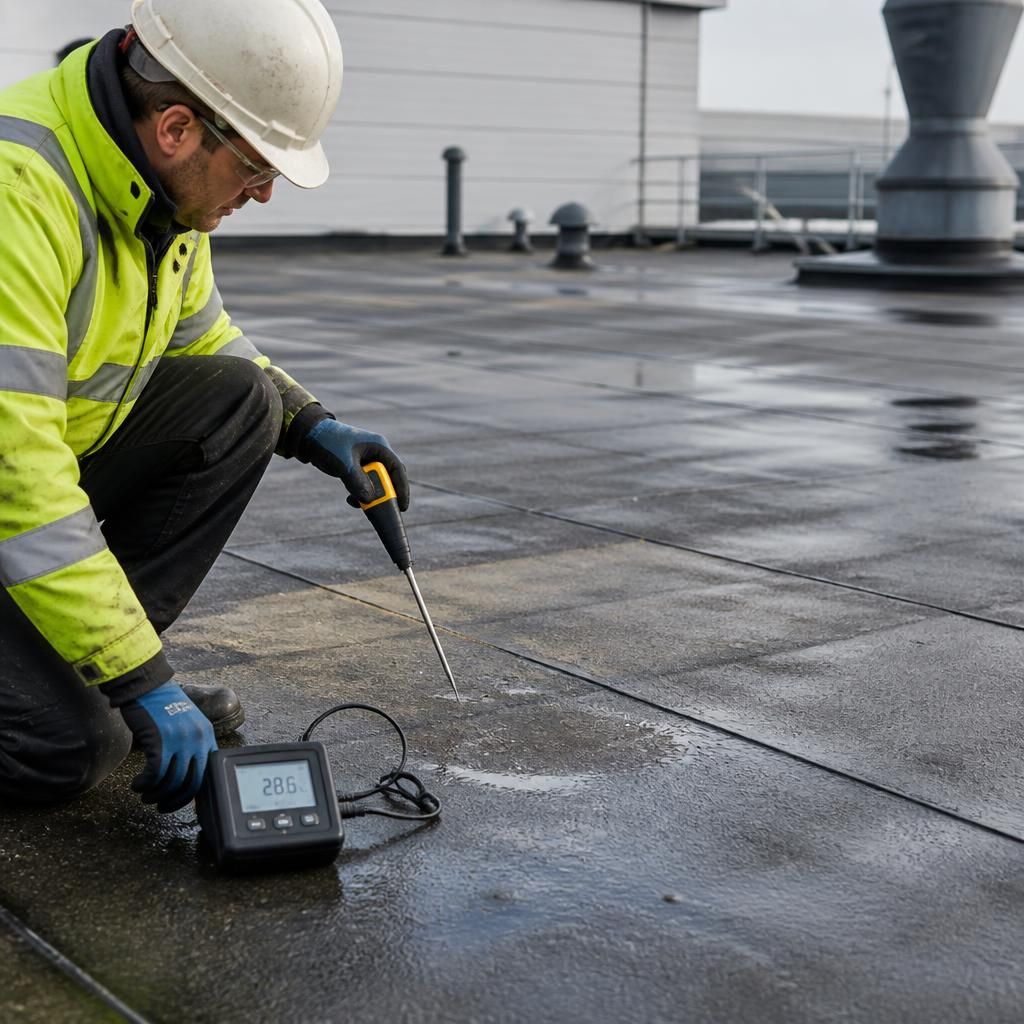
Thermal shock control is a key criterion when selecting equipment for temperature-sensitive roofing. Applying very hot water to a cold membrane, coating or aged sealant can cause softening, distortion, cracking or loss of adhesion. Choose equipment with accurate, adjustable temperature control so the operator can use the lowest effective heat and introduce it gradually.
Before full cleaning, test the proposed temperature, pressure, nozzle and cleaning solution on an inconspicuous area. Allow the surface to dry and check for blistering, colour change, coating loss, seam movement or softening. If any adverse reaction appears, stop the work and obtain guidance from the roofing manufacturer or a qualified roofing professional.
Discuss Safe Equipment Selection for Your Roof
Discuss safe equipment selection for your roof with Encanto Exterior Cleaning before work begins, particularly where membranes, coatings, sealants or insulation may be temperature-sensitive. We can review the roof construction, condition and cleaning requirements to help establish a controlled, suitable approach.