
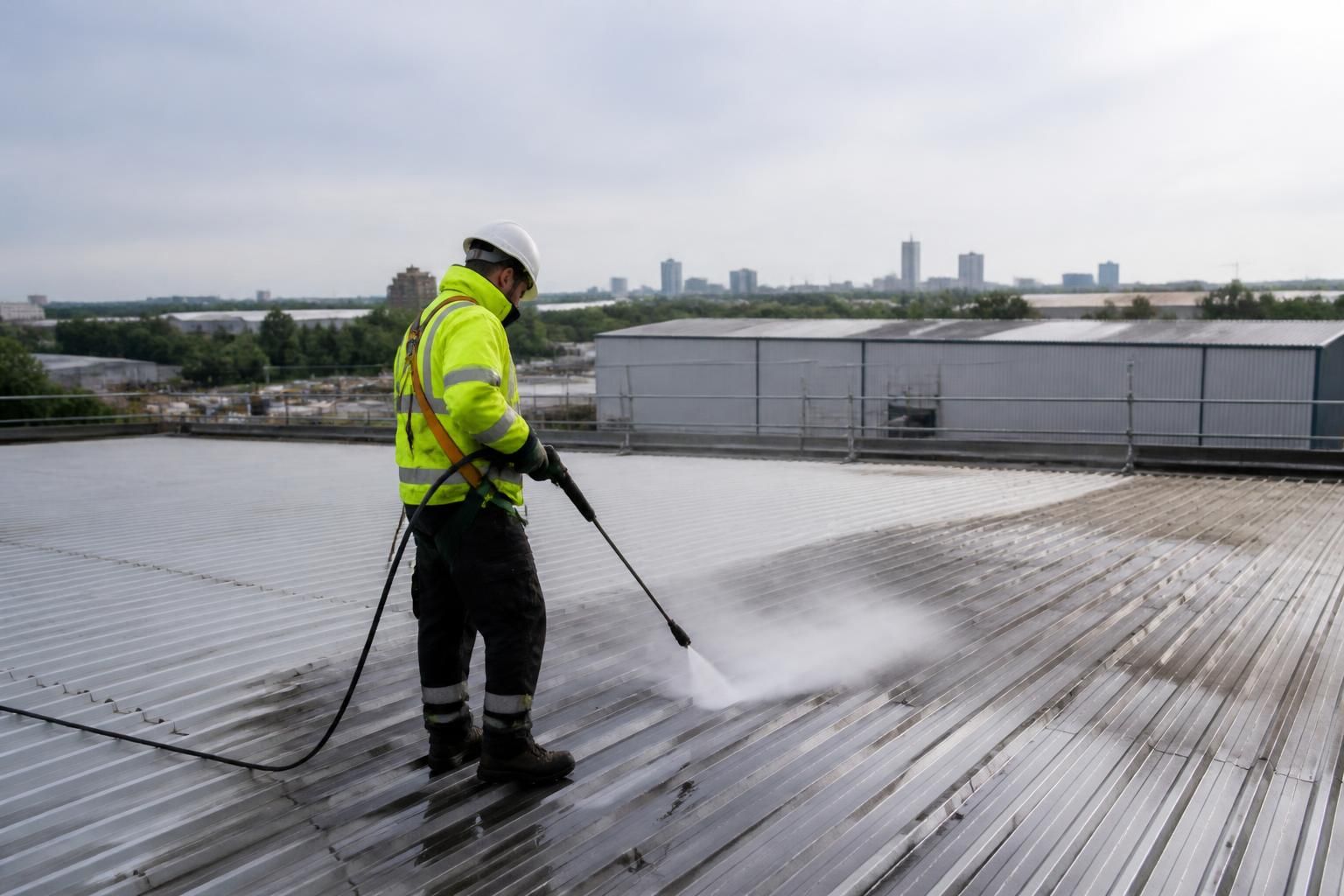
What environmental considerations should be taken into account when choosing low pressure and steam roof cleaning for eco-friendly practices?
When choosing low pressure or steam roof cleaning for eco-friendly practices, consider water consumption, electricity or fuel use, cleaning chemicals, and how dirty runoff will be contained and disposed of. A responsible contractor should select the least intensive effective method, minimise chemical use, protect drainage systems and surrounding habitats, and recover or manage contaminated water in line with relevant environmental requirements.
Choosing low pressure or steam roof cleaning on environmental grounds requires more than selecting the gentlest cleaning method. The decision should consider total water use, energy consumption, detergents and biocides, contaminated runoff, waste handling, roof condition, weather and the protection of nearby drainage systems, soil, vegetation and watercourses. The most sustainable option is the least intensive method that safely removes the specific contamination without creating avoidable pollution or repeat work.
Water consumption and recovery
Low pressure cleaning normally uses more water than steam cleaning because water is applied over a wider area to loosen and rinse away moss, algae, dirt and residues. However, the actual volume depends on the nozzle configuration, flow rate, working time, roof condition and whether a pre-treatment is used. A competent contractor should assess the roof before work and avoid continuous rinsing where controlled application or targeted treatment is sufficient.
Steam cleaning uses heated water and can reduce the volume required for some types of organic growth and staining. It is not automatically the lowest-impact option, because heating the water requires energy. Water-saving claims should therefore be based on the complete cleaning process rather than the equipment label alone. Ask how water use will be controlled, whether clean water can be recovered, and how any collected water will be managed.
Energy source and fuel use
Steam equipment may use electricity, diesel or another fuel to generate heat and pressure. Its environmental impact will depend on the equipment’s efficiency, the energy source, transport to site and the duration of the work. Low pressure systems may require less energy at the point of cleaning, but a longer application or additional rinsing can alter the overall balance.
For a commercial or industrial roof, the contractor should consider whether steam is genuinely necessary for the contamination present. Steam can be appropriate where heat removes deposits with limited chemical use, while low pressure cleaning may be more efficient where the surface only needs gentle rinsing or controlled treatment. Avoiding unnecessary heating and reducing idle time, repeated visits and excessive transport all help to lower the project’s environmental impact.
Chemicals, biocides and detergents
Cleaning products can affect roof surfaces, rainwater systems, soil, plants and aquatic life if they are over-applied or discharged incorrectly. A low pressure method may sometimes be paired with a biocide to control moss or algae, whereas steam can reduce or eliminate the need for chemical treatment in suitable conditions. Neither approach should be described as chemical-free without confirming the actual process.
Where a product is necessary, the contractor should select the least hazardous effective formulation, follow the manufacturer’s instructions and apply it only at the required concentration. Product safety data and COSHH assessments should be available, and operatives should understand the risks to people, drainage, vegetation and watercourses. Chemical containers must be securely stored and disposed of through an appropriate waste route rather than poured into gullies or surface drains.
Runoff and drainage protection
Roof cleaning can mobilise moss, silt, bird fouling, roofing residues, detergents and other contaminants. Even a low pressure application can produce polluted runoff, while steam can loosen deposits that then enter gutters and downpipes. This water should not be allowed to flow untreated into surface-water drains, open ground, ponds or streams.
Before work begins, the contractor should identify the site’s drainage layout and distinguish surface-water drainage from foul drainage. Gullies, downpipes and sensitive areas may need temporary protection, while gutters should be cleared and runoff contained where appropriate. Depending on the site and the substances involved, collected water may need filtration, controlled discharge or removal by an authorised waste contractor. Discharge arrangements should comply with the requirements of the relevant water company, local authority and environmental regulator. If there is any doubt about the drainage route or contamination risk, work should pause until the disposal method is confirmed.
Protection of surrounding habitats and building users
Roof cleaning near planted areas, trees, ponds, watercourses or neighbouring properties requires additional controls. Overspray, falling debris, hot water and cleaning products can damage vegetation or affect wildlife. The work plan should include suitable sheeting or exclusion zones where needed, but coverings must not trap heat or moisture against vulnerable surfaces for longer than necessary.
Birds, bats and other protected species may use roof voids, eaves, soffits or structures attached to a building. Evidence of nesting or roosting should be reported before cleaning starts, and legal or ecological advice may be required before disturbing these areas. Timing the work to avoid heavy rain also reduces uncontrolled runoff and helps prevent products being washed from the roof before they have worked effectively.
Roof material, longevity and repeat cleaning
Environmental performance includes the service life of the roof. Excessive pressure, unsuitable heat, aggressive chemicals or poor access can damage tiles, coatings, membranes, sealants and fixings. Replacing damaged materials creates additional waste, transport and embodied carbon, so the cleaning method must be compatible with the roof construction and its existing condition.
A pre-clean inspection should identify fragile tiles, ageing coatings, exposed insulation, defective flashings, blocked gutters and areas where water could enter the building. The contractor can then adjust temperature, pressure, distance, chemical selection and rinsing requirements. A method that achieves a sound result without damaging the roof is generally more sustainable than a faster process that leads to repairs or frequent repeat cleaning.
Waste, equipment and site management
Removed moss, sludge and debris should be collected rather than swept into drainage systems or left on hardstanding. Waste must be classified appropriately and transferred using a lawful disposal or recycling route. Used filters, protective materials, empty containers and contaminated absorbents also need controlled handling.
Good site management includes maintaining equipment to prevent leaks, using refillable or correctly sized containers where practical, limiting vehicle movements and switching machinery off when it is not in use. These measures are small individually but important on larger commercial programmes involving several roofs or repeated maintenance visits.
Questions to put to the cleaning contractor
- Which method is necessary for the roof’s material and contamination, and why is it the least intensive effective option?
- Will the process use detergents, fungicides or biocides, and how will those products be controlled?
- How will gutters, downpipes, surface drains, plants and nearby watercourses be protected?
- How will dirty runoff, removed growth and contaminated materials be collected and disposed of?
- What energy source powers the equipment, and how will water, fuel and travel be minimised?
- What inspection and risk assessment will be completed before work, including checks for vulnerable roof areas or wildlife?
- What records will be provided for products used, waste transfer and any agreed discharge arrangements?
For a Birmingham or wider UK commercial property, an environmentally responsible roof-cleaning specification should therefore cover the full job from inspection through to runoff and waste disposal. Low pressure is not automatically greener than steam, and steam is not automatically greener than a controlled chemical treatment. The appropriate choice depends on the roof, the contamination, the required finish, the site’s drainage and the contractor’s ability to control water, energy, chemicals and waste throughout the work.
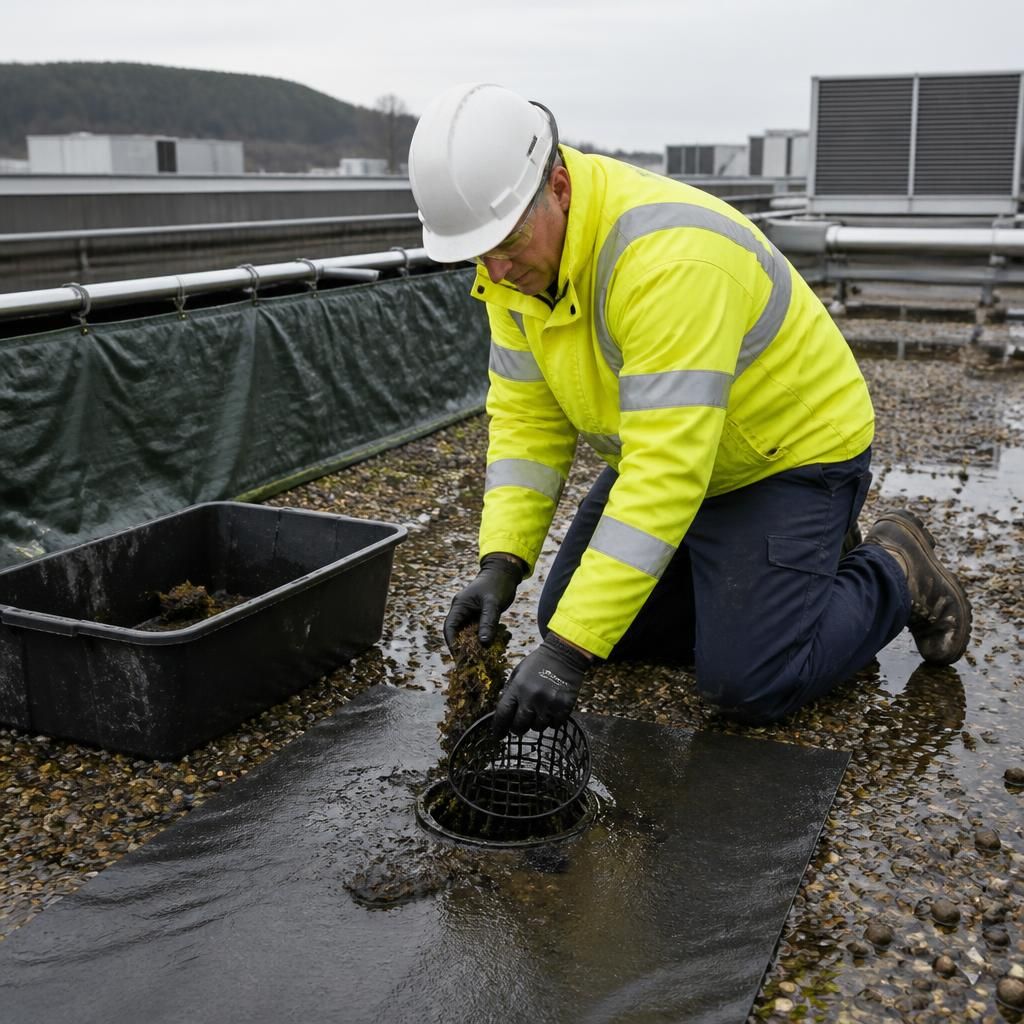
Environmental roof cleaning depends on controlling contaminated runoff, not simply on choosing low pressure or steam. Moss, algae, silt, bird fouling and cleaning residues can enter gutters, surface-water drains, soil or nearby watercourses unless the work area is properly managed.
Before cleaning, the contractor should identify the drainage layout, protect vulnerable gullies and planted areas, and collect or filter dirty water where necessary. Removed growth and sludge should also be gathered and disposed of through an appropriate waste route. Ask for the proposed runoff and waste controls before work begins, particularly where the roof is close to ponds, streams, landscaping or neighbouring properties.
Discuss Your Eco-Friendly Roof Cleaning Requirements
Discuss your eco-friendly roof cleaning requirements with Encanto Exterior Cleaning, including the roof material, contamination, drainage layout and preferred controls for water, chemicals and waste. We can help define a suitable low pressure or steam cleaning specification for your Birmingham or wider UK commercial property.