
What are the environmental benefits of low pressure and steam roof cleaning?
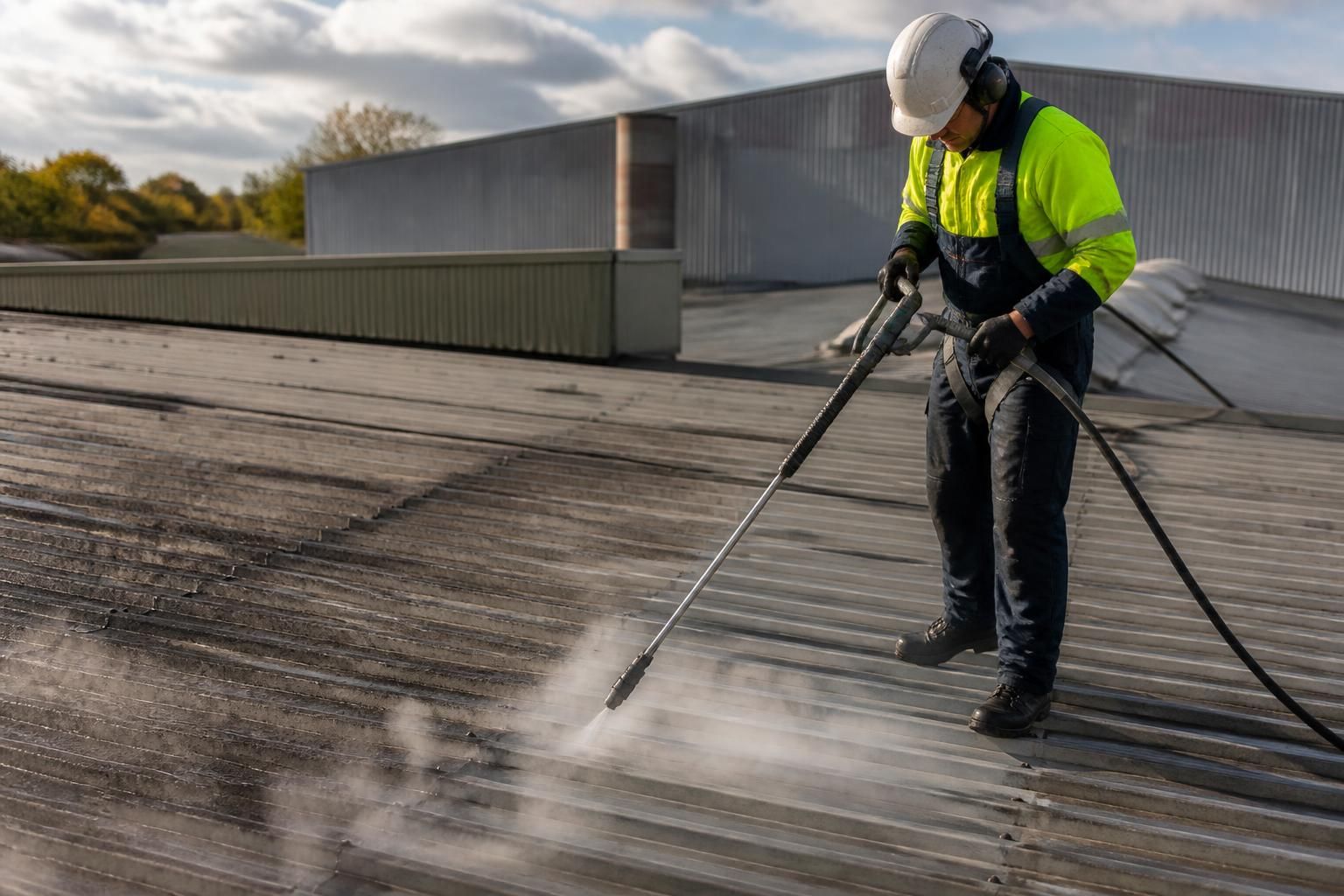
Low pressure and steam roof cleaning can reduce environmental impact by using less water, limiting the need for harsh chemical treatments and avoiding the excessive runoff associated with high-pressure washing. Steam can also sanitise and remove organic growth effectively, while low-pressure methods help protect roof materials and extend their service life, reducing waste and the need for premature replacement.
Low pressure and steam roof cleaning can reduce environmental impact by using controlled water flow, limiting chemical use and avoiding the heavy runoff associated with conventional high-pressure washing. Both methods can also help preserve existing roof materials, reducing waste and the environmental cost of premature repairs or replacement. The overall benefit depends on the roof type, the condition of the surface, the cleaning specification and how wastewater and removed growth are managed.
Reduced water consumption and runoff
Low pressure cleaning uses a gentler, more controlled application of water than high-pressure washing. This can reduce the volume of water needed to remove dirt, algae, moss and other surface contamination, particularly where the growth is treated before being rinsed away. Steam cleaning can use even less liquid water because it relies on heated vapour to loosen and sanitise contamination rather than flooding the roof surface.
Using less water also reduces the amount of contaminated runoff requiring control. Roof cleaning runoff may contain loosened moss, algae, dirt, sediment and traces of treatment products. Preventing this material from entering surface-water drains, gardens, watercourses or neighbouring property is an important part of environmentally responsible work. Suitable collection, filtration, diversion and disposal arrangements should be selected according to the site and the cleaning method.
Less reliance on harsh chemicals
Steam can remove or reduce organic growth through heat and moisture, which may lessen the need for strong biocides, degreasers or other chemical treatments. Low pressure cleaning can also be combined with carefully selected, targeted treatments rather than applying excessive chemical products across the whole roof. This helps reduce the risk of chemical residues reaching soil, drainage systems and planted areas.
Chemicals are not automatically avoided in every roof-cleaning project. Some surfaces require a compatible treatment to control regrowth, and the correct product may be preferable to aggressive mechanical cleaning. Products should be chosen for the roof material and contamination present, applied at the recommended concentration and kept away from sensitive areas. A responsible specification considers whether treatment is necessary, rather than assuming that more product will produce a better result.
Lower risk to surrounding habitats
Controlled pressure and steam reduce the force with which water, debris and cleaning residues are displaced from the roof. This makes it easier to protect planted borders, lawns, drainage channels and nearby habitats during the work. Careful pre-cleaning checks should identify rainwater outlets, ponds, watercourses, nesting activity and areas that could be affected by falling material or runoff.
Roof cleaning should also be planned around legal and ecological responsibilities. Active bird nests, roosting wildlife and protected species must not be disturbed. Where moss or vegetation provides habitat, its removal should be assessed as part of the site plan rather than treated as an entirely cosmetic task. Temporary protection and suitable timing can reduce avoidable disturbance.
Preserving roof materials and reducing waste
High-pressure washing can damage tiles, coatings, pointing, membranes and other roof components if the pressure is unsuitable. Low pressure and steam techniques are generally more controlled, helping remove contamination while reducing unnecessary wear. Preserving sound materials extends the useful life of the existing roof and can reduce the need for replacement tiles, packaging, transport and disposal.
This does not mean that either method is suitable for every roof. Excessive heat, trapped moisture, unsuitable pressure or incorrect access methods can still damage vulnerable materials. A professional assessment should consider the roof covering, age, previous repairs, coatings, fixings, drainage and the type of growth present before the method is selected.
Energy use and the importance of the full method
Steam equipment requires energy to heat water, so steam cleaning is not automatically the lowest-impact option in every situation. Its environmental performance depends on the equipment, fuel or electricity source, travel requirements, cleaning time, water use and whether chemical treatments are avoided. Low pressure cleaning may use less energy at the equipment, but it can require more water or a compatible treatment depending on the contamination.
The most sustainable approach is therefore to use the least intensive effective method for the specific roof. This may involve low pressure rinsing, steam treatment, manual removal, limited chemical application or a combination of techniques. Equipment should be properly maintained, access planned efficiently and unnecessary repeat visits avoided where practical.
What environmentally responsible roof cleaning should include
- A roof and surrounding-area assessment before work begins.
- A method selected for the roof material and contamination, rather than using one pressure or temperature setting for every surface.
- Reasonable measures to protect drains, soil, planting, watercourses, vehicles and neighbouring property.
- Controlled removal and disposal of moss, silt, wash water and any chemical residues.
- Only the water, heat and treatment products required to achieve the specified result.
- Checks for nesting birds and other ecological constraints before cleaning starts.
- Clear advice on maintenance so that heavy organic growth does not quickly return.
Low pressure and steam roof cleaning offer environmental advantages when they are applied as part of a controlled, well-planned process. Reduced water use, limited chemical reliance, lower-risk runoff and better protection of existing roof materials can all contribute to more sustainable maintenance. The final choice should be based on the roof condition and site constraints, with environmental controls built into the cleaning plan rather than considered after the work is complete.
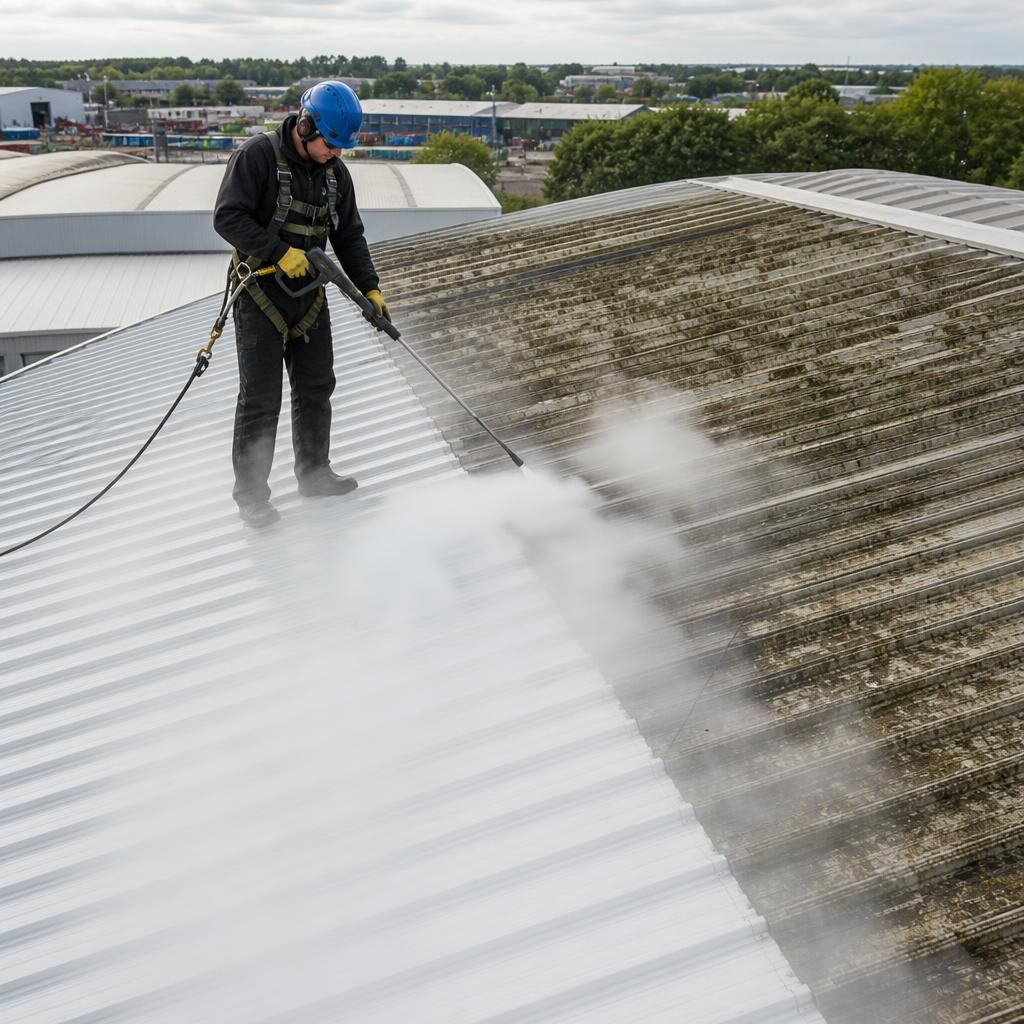
Low pressure and steam roof cleaning can reduce water use and contaminated runoff compared with conventional high-pressure washing. Controlled application loosens moss, algae and dirt without flooding the roof, while steam uses heated vapour to clean and sanitise with relatively little liquid water.
Reduced runoff helps limit the movement of debris, sediment and treatment residues towards gutters, soil, planted areas and surface-water drains. Responsible cleaning still requires suitable protection, collection or diversion measures, with removed moss and wastewater managed according to the site conditions and products used.